


 Vaata sisu
 Jaga teost
 Jaga
Jaga
 Detailid
 Juhend

 Laadi alla
 Sarnased teosed
 Röntgenuuring
 Slaidietendus
 Statistika
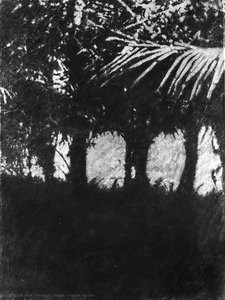
Purple Hearts
 1986
1986 76.0 x 57.0 cm
 Loe lähemalt
Käsitsi valmistatud õlimaalireproduktsioon
Meie kunstnike poolt tellimusel valmistatud käsitsi maalitud õli-kainaste teos teie soovitud suuruses ja raamis. ( Lülita trükkitoodetele Ülemineku digitaalse pildi müügi kanalisse)




































Vali meie eelmääratud suurused, mis vastavad teose algupärastele proportsioonidele.

Sa võite sisestada oma mõõtmed konkreetse raami või ruumi sobivuse tagamiseks. Kui teie valitud suurus ei vasta originaalpildi proportsioonidele, siis kärvime kunstiteost või laiendame maali täiendavate käsitsi maalitud elementidega. Enne tootmise algust saadetakse teile heakskiitmiseks digitaalne eelvaade.
Palun pidage meeles, et ekraanil kuvatav eelvaade ei kajasta tegelikku kärpimist või laiendamist. Ainult eelvaade näitab täpselt lõplikku kompositsiooni.
Kuigi on saadaval kohandatud suurused, soovitame originaalproportsioonide säilimiseks valida mõõdud eelmääratletud nimekirjast.
Pärast tellimust saadab ArtsDot.com meeskond kliendile e-posti juhised ning esitab eelvaate kavandi
Maailmline tarne 3–4 nädala jooksul tavalise 5 nädala asemel. (24 september). Kvaliteedis kompromisse ei tehta.

Tasuta ekspresssaatmine üle maailma

Kõrgekvaliteediline lina-kangastest muld

Täielik transpordikindlustus

Tollimaksude tagastamise garantii

Värvitoime täpsuse garantii

100 päeva tagastusõigus (ainult defektide korral)

100% raha tagasi garantii

Hulgusoodustus
 Klaasivalik on saadaval ainult kuni 110 cm suuruses teostes

Purple Hearts
Reproduktsiooni materjal
Reproduktsiooni mõõtmed
-


Lõppsumma
$ 263
Sarnased teosed


Kunstniku elulugu
Early Life and Formation in Buffalo
Michael Zwack, born in Buffalo, New York, in 1949, emerged as a significant voice within the Pictures Generation of artists. His artistic journey began with a foundation in sculpture at Buffalo State College, where he received his BA in 1970. However, it was his collaborative spirit and intellectual curiosity that truly defined this early period. Before relocating to New York City’s burgeoning art scene in 1976, Zwack co-founded Hallwalls Contemporary Arts Center alongside fellow artists Robert Longo, Cindy Sherman, Charles Clough, and Nancy Dwyer. This wasn't merely the establishment of a gallery; it was the creation of a vital space for experimental art—a non-profit organization that continues to thrive today, fostering dialogue and innovation within the artistic community.
The Pictures Generation and Appropriation
Moving to New York City placed Zwack at the epicenter of a transformative moment in contemporary art. He became closely associated with The Pictures Generation, a group of artists who challenged traditional notions of originality by embracing appropriation—borrowing imagery from mass media, advertising, and popular culture. This approach wasn’t about simple replication; it was a critical engagement with the pervasive influence of images on society, questioning their authenticity and power. Zwack's work distinguished itself through its unique layering of text and image, often incorporating ancient symbols and references to diverse cultures—from Mayan traditions to English literary sources. He didn’t simply *use* imagery; he wove it into complex narratives that invited contemplation and reinterpretation.
Developing a Distinct Visual Language
Zwack's paintings evolved into richly textured surfaces where fragments of history, mythology, and the natural world converged. He sought to “seduce people into worlds that they may not ordinarily take themselves—into a world of morality, a world of humanity,” creating spaces imbued with potential meanings and a palpable sense of life. His canvases weren’t depictions *of* reality but rather invitations to explore alternate realities, where everything resonated with symbolic weight. This pursuit led him to delve into Haitian Vodou music and traditions in the 1990s, eventually achieving the highest level of initiation as a *houngan asogwe*, a Vodou priest. This immersion profoundly influenced his artistic practice, adding another layer of spiritual depth and cultural resonance to his work.
Exhibitions and Recognition
Throughout his career, Zwack’s art was showcased in prominent galleries including Metro Pictures and Paul Kasmin Gallery in New York, as well as Thaddaeus Ropac in Salzburg, Austria. These exhibitions provided a platform for his distinctive vision to reach a wider audience. A major milestone came with his inclusion in the landmark 2009 exhibition *The Pictures Generation* at the Metropolitan Museum of Art, curated by Douglas Eklund. This retrospective solidified his position as a key figure within this influential artistic movement. Rosetta Brooks, writing about Zwack’s 1996 exhibition at Thomas Soloman's Garage in Artforum, highlighted his ability to “reconsider the impact of the photographic on our way of seeing,” praising his work for its contemplative quality and evocative depth.
Legacy and Historical Significance
Michael Zwack’s untimely death in New York City on May 5, 2017, at the age of 67, due to lung cancer marked a loss for the art world. However, his artistic legacy continues to inspire. He was not simply an artist who appropriated images; he was a storyteller, a cultural explorer, and a spiritual seeker whose work challenged viewers to question their perceptions of reality and engage with the complex layers of history and symbolism that shape our understanding of the world. His contributions to The Pictures Generation remain vital, demonstrating the power of art to critique, provoke, and ultimately, transform our way of seeing.
michael zwack
1949 - 2017 , United States of America
Lühikest infot
- Artistic Movement Or Style: Pictures Generation
- Artists Who Influenced This Artist:
- Robert Longo
- Cindy Sherman
- Date Of Birth: 1949
- Date Of Death: May 5, 2017
- Full Name: Michael Zwack
- Nationality: American
- Notable Artworks: ['Purple Hearts']
- Place Of Birth: Buffalo, USA