


 Vaata sisu
 Jaga teost
 Jaga
Jaga
 Detailid
 Õppekate juhend

 Laadi alla
 Sarnased teosed
 Röntgenuuring
 Slaidietendus
 Statistika
untitled (7908)


 Loe lähemalt
Sellel lehel kuvatav kunstiteos on kaitstud autoriõigusega, mis tähendab, et meil ei ole seaduslikku õigust luua või müüa identset reproduktsiooni. Seda kaitset rakendatakse rahvusvaheliste kokkulepete alusel, nagu näiteks Berne konventsioon ning riiklike seadustega, sealhulgas nendega, mida on sätestatud USA autoriõiguse seadus – 17. peatükk.
See meetod järgib täielikult autoriõiguse reegleid, kuna see ei põhine kaitstud kunstiteose kopeerimisel või dupliteerimisel. Selle asemel on tegu loova reinterpreetatsiooniga – uue maaldisega, mis on algteosest inspireeritud, kuid ei ole sellest identiline.
Giclée / Kunstiprint
Muuseumikvaliteediga giclée- või kangasprint kiire tootmisega ja paindlikud viimistlusvõimalused. ( Telli käsitsi maalitud reproduktsioon Ülemineku digitaalse pildi müügi kanalisse)




P118B €10

P118H €10

P118W €10

P438Z €10

P508JH €12

P508YH €12

P805H €10

P805Z €10

P919BZ €10

P919G €10

P919XJ €10

P959ZH €10

P968JZ €12

W106C €8

W218G €10

W218JH €8

W218Y €10

W307PJ €10

W316G €10

W316PJ €8

W316Y €10

W398PJ €8

W4111J €10

W500HY €15

W500JH €15

W692G €12

W849H €8

W940BG €15

W953PJ €8




Vali meie eelmääratud suurused, mis vastavad teose algupärastele proportsioonidele.

Sisestage vajalik laius ja kõrgus, et see sobiks teie raamile või seinale. Trükki saab ainult lõigata, seda ei saa kunagi pildist suuremaks teha, seega ka differentse vormiga suurus kaotab osa pildist. Enne trükkimist saadame teile kinnitamiseks digitaalse näidisprojektsiooni. Sellel lehel näidatud pilt ei kujuta reaalset lõiget — seda näitab ainult näidisprojekttsioon.
Ülemaailmne tarne () 2 nädala jooksul, tavalise 4/5 nädala asemel. (21 oktoober)

Tasuta ekspresssaatmine üle maailma

Kõrgekvaliteediline lina-kangastest muld

Täielik transpordikindlustus

Tollimaksude tagastamise garantii

Värvitoime täpsuse garantii

100 päeva tagastusõigus (ainult defektide korral)

100% raha tagasi garantii

Hulgusoodustus
 Klaasivalik on saadaval ainult kuni 110 cm suuruses teostes

untitled (7908)
Giclée / Kunstiprint
Reproduktsiooni mõõtmed
-


Lõppsumma
€ 54
A Descent into the Dreamscape: Max Ernst’s “Untitled (7908)”
Max Ernst's "Untitled (7908)," a deceptively simple black and white photograph of a monumental sculpture, isn’t merely a documentation of an artwork; it’s a portal. Captured in 1926, this image offers a glimpse into the fertile, unsettling mind of one of Surrealism’s most daring pioneers. The sculpture itself—a towering, biomorphic creation—immediately commands attention, its organic forms twisting and merging like a landscape born from a fever dream. It's a piece that speaks to the anxieties and aspirations of a rapidly changing world, reflecting Ernst’s own restless intellectual journey and his fascination with the subconscious.
The photograph’s power lies not just in the sculpture’s arresting form but also in its meticulous execution. The lighting is deliberately muted, casting deep shadows that accentuate the texture of the material—likely wood or clay—and lending a sense of weight and solidity to what could easily appear as ethereal. The composition, tightly framing the sculpture against a neutral background, creates an immediate intimacy, drawing the viewer into this strange, contained world. The handwritten label at the bottom left corner, referencing the artwork’s title and date, subtly anchors us in time while simultaneously reinforcing the feeling of being adrift within a dream.
The Roots of Surrealism: Ernst's Intellectual Landscape
To fully appreciate “Untitled (7908),” one must understand the context of Max Ernst’s artistic development. Born in Brühl, Germany, in 1891, Ernst was profoundly shaped by his early exposure to philosophy and psychology. His academic pursuits at Bonn University—spanning fields from art history to psychiatry—were not simply academic exercises; they were a deliberate attempt to dismantle conventional ways of seeing and understanding the world. This intellectual rigor fueled his experimentation with techniques like *frottage* (rubbing textures onto paper) and *grattage* (scraping paint off a canvas), methods designed to tap into the unconscious mind and bypass rational thought.
Ernst’s disillusionment with the established art world, coupled with his growing interest in psychoanalysis—particularly the work of Sigmund Freud—led him to embrace Surrealism. This movement, emerging from the ashes of Dada, sought to liberate art from the constraints of logic and representation, exploring themes of dreams, sexuality, and the irrational. “Untitled (7908)” embodies this spirit perfectly, presenting a visual manifestation of the subconscious – a landscape sculpted by instinct and imagination.
Decoding the Symbolism: Birds, Beasts, and the Unconscious
The sculpture’s imagery is rich with symbolic potential. The intertwined forms—resembling both animalistic features like horns or antlers and organic growths—suggest themes of transformation, growth, and perhaps even decay. Ernst frequently employed birds in his work, often representing freedom, aspiration, and the ability to transcend earthly limitations. Their presence here reinforces this sense of upward movement and spiritual yearning.
The overall effect is profoundly unsettling yet strangely compelling. The sculpture’s ambiguity invites interpretation, prompting viewers to project their own anxieties and desires onto its surface. It's a visual representation of the internal struggle between reason and instinct, order and chaos—a core concern for Ernst and the Surrealist movement as a whole. The piece doesn’t offer easy answers; instead, it presents a series of questions about the nature of reality, the power of the unconscious, and the human condition.
A Legacy in Reproduction: Bringing the Dreamscape Home
Reproductions of “Untitled (7908)” offer a remarkable opportunity to bring this evocative artwork into your home or office. The stark black and white palette lends itself beautifully to contemporary interiors, providing a sophisticated contrast against brighter colors and textures. The sculpture’s powerful imagery—a testament to Max Ernst's visionary genius—can serve as a constant reminder of the mysteries that lie beneath the surface of our conscious minds.
Whether you are an art collector seeking a unique addition to your collection or simply someone drawn to the beauty and complexity of Surrealism, a high-quality reproduction of “Untitled (7908)” is sure to captivate and inspire. It’s more than just a print; it's a window into the dreamscape of one of art history’s most influential figures.
Küsimused ja vastused
Kuidas teose "untitled (7908)" värvid omavahel sobivad?
Teos „untitled (7908)“, autor Mak Ernst kujutab esile Unified Palette värvharmooniat.
Kust saan osta teose „untitled (7908)“, autor Mak Ernst digitaalse pildi?
Teose „untitled (7908)“, autor Mak Ernst digitaalse faili saamiseks tellige kõrge resolutsiooniga digitaalse pildi allalaadimine selle Digitaalne pilt lehel.
Millist kintust ja intensiivsust „untitled (7908)“, autor Mak Ernst näitab?
Teose „untitled (7908)“, autor Mak Ernst värvid on Muted kütkusega ja Monochromatic intensiivsusega.
Sarnased teosed


Kunstniku elulugu
Maksi Ernsti Elu: Sürrealismi ja Vabaduse Tõus
Max Ernst, sündinud Maximilian Maria Ernst 1. aprillil 1891 Brühli linnas, Saksamaal, oli kunstnik, kelle tee ei kulgenud tavapärase kunstiõpingu teed, vaid eneseotsingute ja katsetamise teed, mis viisid teda sürrealismi südameni. Tema isa, kurtide kooli õpetaja ja harrastuskunstnik, andis talle nii maailma tundlikkust kui ka vaimustamist konventsiooniliste normidega vastuolus. See sisemine pingelangus kujundas Ernsti loomingut läbi terve elukäigu.
Ülikooliaeg Bonnis, kus Ernst õppis filosoofiat, kunstiajalugu, kirjandust, psühholoogiat ja psühhiaatriat, ei olnud pelgud akadeemilised tegevused, vaid sügavalt tema hilisemat kunstitööd mõjutanud alus. Ta ei tahtnud lihtsalt õppida *kui* maalida, vaid *miks*. See intellektuaalne uudishimu viis ta Picasso, Van Goghi ja Gauguini loominguni, mis muutis tema kunstilist suunda pöördeliselt. Modernismi seemned olid külvatud.
Dadaismist Sürrealismi Vabastuseni
Esimine maailmasõda oli Ernsti elus murdepunkt. Esilinna ja läänerinde sõdurina saadud kogemused raputasid teda sügavalt, tekitades skeptitsismi voolavaste struktuuride suhtes ning soovi uute väljendusvormide järele. See pettumus leidis vilja maad kasvavas dadaismis, mida Ernst omakasvuliselt omaks võttis tagasi pöördudes Kölnisse 1918. aastal. Hans Arpiga koos sai temast keskjooneline tegelane Kölni dadaistide rühmituses, mis hüljaski traditsioonilised kunstivormid ning võttis omaks absurdi, juhuse ja ratsionaalsuse puudumise.
Kuid dadaism oli vaid samm edasi. 1920ndate alguses siirdus Ernst Pariisi ja liitus sürrealistidega, kelle eesotsas oli André Breton. See tähistas nihkumist unenägede valda, teadvuse sügavustesse ning irratsionaalsusse. Psühhoanalüütiku Sigmund Freudi ideede mõjul püüdis Ernst avada inimhinge peidupoolte kunstniku vahendusel. Ta ei tahtnud kujutada reaalsust nii nagu see näib, vaid paljastada psühholoogilisi jõude, mis seda vormistavad.
Uued Tehnikad: Frottage, Grattage ja Kollaaž
Ernsti kunstiline innovatsioon ulatub teemade taha; ta oli pidev eksperimenteerija. Ta ei võtnud lihtsalt kasutusele olemasolevaid meetodeid – ta leiutas uusi. Ilmselt tema kuulsaim panus on frottage, tehnika, kus paberile hõõrutakse harjaga tekstuuri pindadele, et luua ootamatuid ja väljendusrikkaid kujundeid. See meetod, mis sündis igavuse hetkel vaadates puusüsi struktuuri, võimaldas tal pääseda teadvusetta sügavustesse ning genereerida vorme, mida ta ei saanud teadlikult kontrollida. Lähedane tehnika oli grattage, kus värvi kraabitakse lõuendi pinnale, paljastades alumisi kihte.
Ta kasutas ka virtuoosselt kollaaži, koostades erinevaid elemente – ajakiri pilte, teaduslikke illustratsioone, fotosid – sürrealistlikesse kompositsioonidesse, mis esitasid väljakutseid konventsionaalsetele kujutamisviisidele. Need tehnikad ei olnud pelgud stiilivalikuid; nad olid lahutamatult seotud tema teadvusetuse uurimisega ja sooviga rikkuda traditsioonilisi kunstivorme. Tema maalidel esinevad sageli korduvad sümbolid: linnud (eriti tema alter ego Loplop), hüljatud maastikud, häirivad ühendused ning leviv saladus.
Pärand ja Jõudlus
Teise maailmasõja puhkem sundis Ernstit lahkuma Euroopast, leides varju Ameerika Üriikides. Ta jätkas maalimist ja uute tehnikatega katsetamist ka pagenduses, pöördudes sõdadevahelisel perioodil tagasi Prantsusmaale, kus ta jäi aktiivseks kuni surmani 1st aprillil 1976 Pariisis. Tema mõju järgnevatele kunstnike põlvedele on mõõdistamatu.
Max Ernsti panus dadaismi ja sürrealismi oli ülimat tasemega. Ta esitas väljakutseid kunstivormidele, süvenes teadvuse sügavustesse ning leiutas uuendavaid tehnikaid, mis jätkuvad inspireerivat kunstnikke tänapäevani. Ta ei olnud pelgud maalikunstnik; ta oli avastaja, provokaator ja visionär, kes laiendas kunsti piire iseendale.
- Peamised teosed: The Entire City, Euclides, Of This Men Shall Know Nothing, Forest and Dove
- Mõjud: Pablo Picasso, Vincent van Gogh, Paul Gauguin, Sigmund Freud, Giorgio de Chirico
- Voolud: Dadaism, Sürrealism

Mak Ernst
1891 - 1976 , Saksamaa
Lühikest infot
- Artistic Movement Or Style: Dada, Sürrealism
- Artists Or Movements Influenced By This Artist:
- Sürrealism
- Dada
- Artists Who Influenced This Artist:
- Pablo Picasso
- Vincent van Gogh
- Paul Gauguin
- Giorgio de Chirico
- Date Of Birth: 1891. aprill 2.
- Date Of Death: 1976. aprill 1.
- Full Name: Max Ernst
- Nationality: Saksakasvatuseline, Ameerika, Prantsuse
- Notable Artworks:
- Ofrenda funeraria
- The Equivocal Woman
- L'Ange du foyer
- Place Of Birth: Brühl, Saksamaa
Sarnased artiklid

Bronze Age to Modern Masters: 10 Sculptures That Redefined Art | ArtsDot
Journey through art history with 10 legendary bronze sculptures – from Michelangelo's David to Rodin’s Thinker. Explore the stories, techniques & timeless beauty of these masterpieces. Find museum-quality reproductions & elevate your home decor on ArtsDot.com.

Bronze Sculptures That Defined Art History | ArtsDot
Journey through art history with our Top 10 bronze sculptures! Explore masterpieces by Rodin, Michelangelo & more. Discover stories behind iconic statues and find museum-quality reproductions for your home decor at ArtsDot.com.
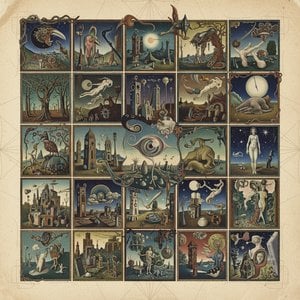
Max Ernsti 25 parimat teost: Surrealismi meistriteosed teie interjööri
Avastage Max Ernsti 25 parimat teost! Sukelduge surrealismi ja dadaismi maailma, tutvuge kunstniku lugude ja tehnikatega. Leidke täiuslik maali oma interjööri ArtsDot.com-ist – kvaliteetsed kunstireprodutsioonid ja kollektsioonid.

Geomeetrilise Abstraktsiooni 10 Meisterteost: Kunst ja Kodukaunistus ArtsDot.com-is
Avastage geomeetrilise abstraktsiooni 10 suurteost – Kandinsky, Mondrian ja teised. Lugege kunstiteoste lugusid ning leidke inspiratsiooni kodukaunistuseks ArtsDot.com-is! Kunstikollektsioon ja reprodutsioonid.

The Enduring Form: Exploring Themes & Techniques in Sculpture Across Historical Periods
Explore the rich history of sculpture from ancient masterpieces to contemporary innovations. Discover key techniques, influential artists & investment potential for discerning art collectors.


