

 Eelvaade
 Saada
Saada Jaga
Jaga
 Teave teose kohta
 Juhend

 Laadi alla
 Sarnased teosed
 Röntgenuuring
 Slaidietendus
 KÜSIMUSED JA VASTUSID
 Statistika
Nature at Dawn


 Loe lähemalt
Sellel lehel kuvatav kunstiteos on kaitstud autoriõigusega, mis tähendab, et meil ei ole seaduslikku õigust luua või müüa identset reproduktsiooni. Seda kaitset rakendatakse rahvusvaheliste kokkulepete alusel, nagu näiteks Berne konventsioon ning riiklike seadustega, sealhulgas nendega, mida on sätestatud USA autoriõiguse seadus – 17. peatükk.
See meetod järgib täielikult autoriõiguse reegleid, kuna see ei põhine kaitstud kunstiteose kopeerimisel või dupliteerimisel. Selle asemel on tegu loova reinterpreetatsiooniga – uue maaldisega, mis on algteosest inspireeritud, kuid ei ole sellest identiline.
Giclée / Kunstiprint
Muuseumikvaliteediga giclée- või kangasprint kiire tootmisega ja paindlikud viimistlusvõimalused. ( Osta käsitsi maalatud teos Lülita digitaalse pildi juurde)




P118B €10

P118H €10

P118W €10

P438Z €10

P508JH €12

P508YH €12

P805H €10

P805Z €10

P919BZ €10

P919G €10

P919XJ €10

P959ZH €10

P968JZ €12

W106C €8

W218G €10

W218JH €8

W218Y €10

W307PJ €10

W316G €10

W316PJ €8

W316Y €10

W398PJ €8

W4111J €10

W500HY €15

W500JH €15

W692G €12

W849H €8

W940BG €15

W953PJ €8




Vali meie eelmääratud suurused, mis vastavad teose algupärastele proportsioonidele.

Sisestage vajalik laius ja kõrgus, et see sobiks teie raamile või seinale. Trükki saab ainult lõigata, seda ei saa kunagi pildist suuremaks teha, seega ka erineva mustega suurus kaotab osa pildist. Enne trükkimist saadame teile kinnitamiseks digitaalse näidisprojektsiooni. Sellel lehel näidatud pilt ei kujuta reaalset lõiget — seda näitab ainult näidisprojektsioon.
Ülemaailmne tarne () 2 nädala jooksul, tavalise 4/5 nädala asemel. (4 november)

Tasuta ekspresssaatmine üle maailma

Kõrgekvaliteediline lina-kangas

Täielik transpordikindlustus

Tollimaksude tagastamise garantii

Värvitoime täpsuse garantii

100 päeva tagastusõigus (ainult valmistusdefektide korral)

100% raha tagasi garantii

Hulgusoodustus
 Klaasivalik on saadaval ainult kuni 110 cm suuruses teostes

Nature at Dawn
Giclée / Kunstiprint
Reproduktsiooni suurus
-


Koguhind
€ 56
A Surrealist Reverie: The Dreamscape of Max Ernst
Max Ernst’s “Nature at Dawn” stands as an arresting emblem of the Surrealist movement—a visual manifesto born from a profound questioning of rationality and fueled by the enigmatic whispers of the subconscious. Painted in 1924, this masterpiece is far more than a mere depiction of a landscape bathed in nascent sunlight; it is a meticulously crafted allegory that delves into the complex themes of power, vulnerability, and the profound interconnectedness between humanity and the natural world. To gaze upon this work is to step through a portal into a realm where the boundaries between reality and dream dissolve, making it an extraordinary centerpiece for any collection dedicated to the exploration of the human psyche.
The painting’s composition presents a hauntingly beautiful scene: a solitary man perched atop a monumental statue, his form strangely integrated with the environment as plants appear to sprout from his very back. This central figure, adorned with a crown and accompanied by a watchful bird upon his shoulder, serves as the emotional anchor of the piece. As your eyes wander through the canvas, you encounter a surreal assembly of characters—some standing in quiet contemplation, others seated in stillness—surrounded by an array of unexpected objects. From delicate potted plants to enigmatic vases and a clock suspended as if defying time, every element contributes to a sense of organized chaos, inviting the viewer to lose themselves in its intricate, dreamlike logic.
Mastery of Technique and the Spirit of Chance
Ernst’s artistic approach in this period was characterized by a deliberate embrace of chance—a rejection of traditional compositional rules in favor of spontaneous experimentation. He achieved this through a masterful technique of collage, meticulously assembling fragments of printed matter, maps, and botanical illustrations onto the canvas. These disparate elements were not merely layered; they were interwoven with such care that they created textures and patterns defying linear perspective. This method allowed Ernst to bypass conscious control, tapping into what he believed was a deeper, more authentic creative truth.
This technique serves a greater historical purpose, marking the transition from the nihilistic anti-art sentiments of Dada to the psychologically driven explorations of Surrealism. Influenced by the burgeoning field of psychoanalysis and the theories of Sigmund Freud, Ernst sought to liberate creativity from the constraints of logic. For the discerning collector or interior designer, this technical complexity offers a rich visual experience; the way light and texture interact within the reproduction provides a tactile depth that commands attention in any sophisticated setting.
Symbolism and Emotional Resonance
The symbolism within “Nature at Dawn” is layered and deeply evocative. The monumental statue, representing authority and the weight of tradition, acts as a heavy pedestal for the man, whose posture conveys a poignant sense of vulnerability beneath the expectations of society. The presence of the bird and the burgeoning flora suggests a cycle of rebirth and the unstoppable force of nature reclaiming the man-made. It is a tension between the rigid structures of civilization and the wild, untamed impulses of life itself.
For those seeking to decorate a space with art that provokes thought and conversation, this piece offers an unparalleled emotional impact. It evokes a sense of wonder, a touch of melancholy, and a profound curiosity about the unseen forces that shape our existence. Whether placed in a quiet study or a grand living area, a high-quality reproduction of this work brings with it an aura of intellectual depth and timeless mystery, making it an essential acquisition for those who appreciate art that speaks to the soul as much as the eye.
Korduvad küsimused
Mille teiste nimetega on Mak Ernst tuntud?
Teised Mak Ernst jaoks kirjutatud nimed, teose "Nature at Dawn" looja, hõlmavad ka Maks Ernest, Maximilian Maria Ernst.
Kui intensiivsed on värvid teoses „Nature at Dawn“, autor Mak Ernst?
Teose "Nature at Dawn" värvitoon on Balanced. Intensiivsus kirjeldab värvide tugevust ja ergitust.
Millist värviharmoniat „Nature at Dawn“, autor Mak Ernst kujutab?
Teose „Nature at Dawn“, autor Mak Ernst värvid kujutavad Strong Color Unity harmooniat. Harmoonia kirjeldab, kuidas värvid omavahel seotud on.
Sarnased teosed


Kunstniku elulugu
Maksi Ernsti Elu: Sürrealismi ja Vabaduse Tõus
Max Ernst, sündinud Maximilian Maria Ernst 1. aprillil 1891 Brühli linnas, Saksamaal, oli kunstnik, kelle tee ei kulgenud tavapärase kunstiõpingu teed, vaid eneseotsingute ja katsetamise teed, mis viisid teda sürrealismi südameni. Tema isa, kurtide kooli õpetaja ja harrastuskunstnik, andis talle nii maailma tundlikkust kui ka vaimustamist konventsiooniliste normidega vastuolus. See sisemine pingelangus kujundas Ernsti loomingut läbi terve elukäigu.
Ülikooliaeg Bonnis, kus Ernst õppis filosoofiat, kunstiajalugu, kirjandust, psühholoogiat ja psühhiaatriat, ei olnud pelgud akadeemilised tegevused, vaid sügavalt tema hilisemat kunstitööd mõjutanud alus. Ta ei tahtnud lihtsalt õppida *kui* maalida, vaid *miks*. See intellektuaalne uudishimu viis ta Picasso, Van Goghi ja Gauguini loominguni, mis muutis tema kunstilist suunda pöördeliselt. Modernismi seemned olid külvatud.
Dadaismist Sürrealismi Vabastuseni
Esimine maailmasõda oli Ernsti elus murdepunkt. Esilinna ja läänerinde sõdurina saadud kogemused raputasid teda sügavalt, tekitades skeptitsismi voolavaste struktuuride suhtes ning soovi uute väljendusvormide järele. See pettumus leidis vilja maad kasvavas dadaismis, mida Ernst omakasvuliselt omaks võttis tagasi pöördudes Kölnisse 1918. aastal. Hans Arpiga koos sai temast keskjooneline tegelane Kölni dadaistide rühmituses, mis hüljaski traditsioonilised kunstivormid ning võttis omaks absurdi, juhuse ja ratsionaalsuse puudumise.
Kuid dadaism oli vaid samm edasi. 1920ndate alguses siirdus Ernst Pariisi ja liitus sürrealistidega, kelle eesotsas oli André Breton. See tähistas nihkumist unenägede valda, teadvuse sügavustesse ning irratsionaalsusse. Psühhoanalüütiku Sigmund Freudi ideede mõjul püüdis Ernst avada inimhinge peidupoolte kunstniku vahendusel. Ta ei tahtnud kujutada reaalsust nii nagu see näib, vaid paljastada psühholoogilisi jõude, mis seda vormistavad.
Uued Tehnikad: Frottage, Grattage ja Kollaaž
Ernsti kunstiline innovatsioon ulatub teemade taha; ta oli pidev eksperimenteerija. Ta ei võtnud lihtsalt kasutusele olemasolevaid meetodeid – ta leiutas uusi. Ilmselt tema kuulsaim panus on frottage, tehnika, kus paberile hõõrutakse harjaga tekstuuri pindadele, et luua ootamatuid ja väljendusrikkaid kujundeid. See meetod, mis sündis igavuse hetkel vaadates puusüsi struktuuri, võimaldas tal pääseda teadvusetta sügavustesse ning genereerida vorme, mida ta ei saanud teadlikult kontrollida. Lähedane tehnika oli grattage, kus värvi kraabitakse lõuendi pinnale, paljastades alumisi kihte.
Ta kasutas ka virtuoosselt kollaaži, koostades erinevaid elemente – ajakiri pilte, teaduslikke illustratsioone, fotosid – sürrealistlikesse kompositsioonidesse, mis esitasid väljakutseid konventsionaalsetele kujutamisviisidele. Need tehnikad ei olnud pelgud stiilivalikuid; nad olid lahutamatult seotud tema teadvusetuse uurimisega ja sooviga rikkuda traditsioonilisi kunstivorme. Tema maalidel esinevad sageli korduvad sümbolid: linnud (eriti tema alter ego Loplop), hüljatud maastikud, häirivad ühendused ning leviv saladus.
Pärand ja Jõudlus
Teise maailmasõja puhkem sundis Ernstit lahkuma Euroopast, leides varju Ameerika Üriikides. Ta jätkas maalimist ja uute tehnikatega katsetamist ka pagenduses, pöördudes sõdadevahelisel perioodil tagasi Prantsusmaale, kus ta jäi aktiivseks kuni surmani 1st aprillil 1976 Pariisis. Tema mõju järgnevatele kunstnike põlvedele on mõõdistamatu.
Max Ernsti panus dadaismi ja sürrealismi oli ülimat tasemega. Ta esitas väljakutseid kunstivormidele, süvenes teadvuse sügavustesse ning leiutas uuendavaid tehnikaid, mis jätkuvad inspireerivat kunstnikke tänapäevani. Ta ei olnud pelgud maalikunstnik; ta oli avastaja, provokaator ja visionär, kes laiendas kunsti piire iseendale.
- Peamised teosed: The Entire City, Euclides, Of This Men Shall Know Nothing, Forest and Dove
- Mõjud: Pablo Picasso, Vincent van Gogh, Paul Gauguin, Sigmund Freud, Giorgio de Chirico
- Voolud: Dadaism, Sürrealism

Mak Ernst
1891 - 1976 , Saksamaa
Lühikest infot
- Artistic Movement Or Style: Dada, Sürrealism
- Artists Or Movements Influenced By This Artist:
- Sürrealism
- Dada
- Artists Who Influenced This Artist:
- Pablo Picasso
- Vincent van Gogh
- Paul Gauguin
- Giorgio de Chirico
- Date Of Birth: 1891. aprill 2.
- Date Of Death: 1976. aprill 1.
- Full Name: Max Ernst
- Nationality: Saksakasvatuseline, Ameerika, Prantsuse
- Notable Artworks:
- Ofrenda funeraria
- The Equivocal Woman
- L'Ange du foyer
- Place Of Birth: Brühl, Saksamaa
Sarnased artiklid

Bronze Age to Modern Masters: 10 Sculptures That Redefined Art | ArtsDot
Journey through art history with 10 legendary bronze sculptures – from Michelangelo's David to Rodin’s Thinker. Explore the stories, techniques & timeless beauty of these masterpieces. Find museum-quality reproductions & elevate your home decor on ArtsDot.com.
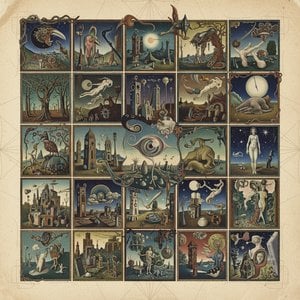
Max Ernsti 25 parimat teost: Surrealismi meistriteosed teie interjööri
Avastage Max Ernsti 25 parimat teost! Sukelduge surrealismi ja dadaismi maailma, tutvuge kunstniku lugude ja tehnikatega. Leidke täiuslik maali oma interjööri ArtsDot.com-ist – kvaliteetsed kunstireprodutsioonid ja kollektsioonid.

Bronze Sculptures That Defined Art History | ArtsDot
Journey through art history with our Top 10 bronze sculptures! Explore masterpieces by Rodin, Michelangelo & more. Discover stories behind iconic statues and find museum-quality reproductions for your home decor at ArtsDot.com.

The Enduring Form: Sculpture Across History, Technique & Emotional Resonance
Explore the rich history of sculpture with ArtsDot. Discover key techniques, influential artists & investment potential for discerning collectors. Expert insights into valuing and collecting timeless masterpieces.

The Enduring Form: Exploring Themes & Techniques in Sculpture Across Historical Periods
Explore the rich history of sculpture from ancient masterpieces to contemporary innovations. Discover key techniques, influential artists & investment potential for discerning art collectors.


