


 Vaata sisu
 Jaga teost
 Jaga
Jaga
 Detailid
 Õppekate juhend

 Laadi alla
 Sarnased teosed
 Röntgenuuring
 Slaidietendus
 Statistika
Forest and Dove


 Loe lähemalt
Sellel lehel kuvatav kunstiteos on kaitstud autoriõigusega, mis tähendab, et meil ei ole seaduslikku õigust luua või müüa identset reproduktsiooni. Seda kaitset rakendatakse rahvusvaheliste kokkulepete alusel, nagu näiteks Berne konventsioon ning riiklike seadustega, sealhulgas nendega, mida on sätestatud USA autoriõiguse seadus – 17. peatükk.
See meetod järgib täielikult autoriõiguse reegleid, kuna see ei põhine kaitstud kunstiteose kopeerimisel või dupliteerimisel. Selle asemel on tegu loova reinterpreetatsiooniga – uue maaldisega, mis on algteosest inspireeritud, kuid ei ole sellest identiline.
Giclée / Kunstiprint
Muuseumikvaliteediga giclée- või kangasprint kiire tootmisega ja paindlikud viimistlusvõimalused. ( Telli käsitsi maalitud reproduktsioon Ülemineku digitaalse pildi müügi kanalisse)




P118B €10

P118H €10

P118W €10

P438Z €10

P508JH €12

P508YH €12

P805H €10

P805Z €10

P919BZ €10

P919G €10

P919XJ €10

P959ZH €10

P968JZ €12

W106C €8

W218G €10

W218JH €8

W218Y €10

W307PJ €10

W316G €10

W316PJ €8

W316Y €10

W398PJ €8

W4111J €10

W500HY €15

W500JH €15

W692G €12

W849H €8

W940BG €15

W953PJ €8




Vali meie eelmääratud suurused, mis vastavad teose algupärastele proportsioonidele.

Saate sisestada oma mõõdud, et need sobiks konkreetse raami või ruumi sisse. Kui valitud suurus ei vasta originaalteose proportsioonidele, lõigame teose ära või laiendame pilti peegeldatud või ühtlase servaga. Enne tootmisprotsessi algust saadetakse Teie kinnitamiseks digitaalne näidis.
Palun märka, et ekraanil kuvatav eelvaade ei kajasta tegelikku lõigamist või laiendamist. Ainult näidis kujutab täpselt lõplikku kompositsiooni.
Kuigi erimõõdu on saadaval, soovitame originaaproportsioonide säilitamiseks valida mõõt ette määratud nimekirjast.
Ülemaailmne tarne () 2 nädala jooksul, tavalise 4/5 nädala asemel. (11 oktoober)

Tasuta ekspresssaatmine üle maailma

Kõrgekvaliteediline lina-kangastest muld

Täielik transpordikindlustus

Tollimaksude tagastamise garantii

Värvitoime täpsuse garantii

100 päeva tagastusõigus (ainult defektide korral)

100% raha tagasi garantii

Hulgusoodustus
 Klaasivalik on saadaval ainult kuni 110 cm suuruses teostes

Forest and Dove
Giclée / Kunstiprint
Reproduktsiooni mõõtmed
-


Lõppsumma
€ 53
A Dreamscape of Disquiet: Exploring Max Ernst’s *Forest and Dove*
Max Ernst's 1927 painting, *Forest and Dove*, is a quintessential example of Surrealism – a movement dedicated to unlocking the creative potential of the unconscious mind. This evocative oil on canvas transports viewers into a world that feels both familiar and profoundly unsettling, embodying the anxieties and psychological explorations central to the interwar period.Composition and Visual Language
The painting presents a dense, vertical composition dominated by dark, earthy tones – browns, ochres, and hints of red. Towering, skeletal trees define a claustrophobic forest scene, their branches reaching like grasping claws against an ambiguous sky. A small, almost childlike depiction of a dove perches within this forbidding landscape, while a solitary figure stands nearby, seemingly observing the scene with quiet contemplation. Ernst masterfully employs jagged lines and fragmented shapes to create a sense of unease and movement, disrupting any expectation of traditional pictorial harmony. The texture is remarkably rich, achieved through thick impasto application – lending a tactile quality that draws the viewer into the painting’s surface.Technique and Innovation: Grattage
Ernst was a relentless innovator in artistic technique. *Forest and Dove* showcases his pioneering use of *grattage*, a method he co-developed with Joan Miró. This involved scraping paint across the canvas to reveal the textures beneath, creating an almost three-dimensional effect and imbuing the surface with a unique visual energy. The resulting texture mimics bark, wood grain, and other natural forms, enhancing the painting’s dreamlike quality and blurring the lines between representation and abstraction.Symbolism and Interpretation
The symbolism within *Forest and Dove* is deliberately ambiguous, inviting multiple interpretations.- The Dead Tree: Often interpreted as a symbol of decay, transformation, or the passage of time, it anchors the composition and evokes a sense of melancholy.
- The Forest: Represents isolation, confinement, or the subconscious mind – a labyrinthine space where hidden fears and desires reside.
- The Dove: Traditionally a symbol of peace and hope, its presence within this somber landscape is particularly poignant. It may represent Ernst himself, seeking solace or freedom amidst inner turmoil.
- The Figure: Acts as the viewer’s surrogate, an observer caught between reality and the dreamlike world unfolding before them.
Historical Context and Artistic Influence
Created in 1927, *Forest and Dove* reflects the psychological anxieties prevalent in Europe following World War I. The trauma of war had shattered traditional beliefs and spurred artists to explore new ways of representing the human condition. Ernst’s work, deeply influenced by Dadaism and Surrealism, sought to challenge conventional notions of reality and tap into the power of the unconscious. His innovative techniques and evocative imagery profoundly impacted subsequent generations of artists, solidifying his place as a pivotal figure in 20th-century art.Emotional Resonance and Lasting Appeal
*Forest and Dove* is not merely a visual experience; it’s an *emotional* one. The painting evokes feelings of mystery, melancholy, and perhaps even foreboding. Its unsettling beauty lies in its ability to tap into our deepest fears and desires, prompting introspection and challenging us to confront the complexities of the human psyche. The work continues to resonate with audiences today, offering a timeless exploration of the subconscious mind and the enduring power of artistic imagination. It’s a piece that invites contemplation and rewards repeated viewing, making it a compelling addition to any art collection or interior space.Küsimused ja vastused
Kust koht sellest teosest "Forest and Dove" on Mak Ernst laupikus?
"Forest and Dove" kuulub Mak Ernst Surrealism perioodi teosetele, mille tuntud teemad hõlmavad recurring forest imagery, innovative collage techniques, dadaism, surrealism, expressionism, de chirico, mail-order catalogs.
Is "Forest and Dove" free of copyright?
Teos "Forest and Dove" kuulub tegijateõiguste osas lubaalahenduse alla: on endiselt kaitstud autoriõigusega.
Millisele kunstnikule on teos "Forest and Dove" atribuutseeritud?
Teose "Forest and Dove" looja on Mak Ernst. Teos on kataloogitud nime Mak Ernst all.
Kas teos „Forest and Dove“, autor Mak Ernst on värvitoonilt kerge või tumenev?
Teose „Forest and Dove“, autor Mak Ernst eregus on deep_shadow ja luminants on Dark.
Millal loodi teos "Forest and Dove"?
Teose „Forest and Dove“, autor Mak Ernst loomimisaeg on 1927.
Mis vanuses loos Mak Ernst teose "Forest and Dove"?
Kui teos "Forest and Dove" loodi aastal 1927, oli Mak Ernst (sündinud aastal 1891) 36 aastane.
Kas ma saan teost „Forest and Dove“, autor Mak Ernst enne tellimist eelvaatata?
Teavet lehel Eelvaade teose "Forest and Dove" kohta võimaldab teil teost enne tellimist eelvaatata.


Kunstniku elulugu
Maksi Ernsti Elu: Sürrealismi ja Vabaduse Tõus
Max Ernst, sündinud Maximilian Maria Ernst 1. aprillil 1891 Brühli linnas, Saksamaal, oli kunstnik, kelle tee ei kulgenud tavapärase kunstiõpingu teed, vaid eneseotsingute ja katsetamise teed, mis viisid teda sürrealismi südameni. Tema isa, kurtide kooli õpetaja ja harrastuskunstnik, andis talle nii maailma tundlikkust kui ka vaimustamist konventsiooniliste normidega vastuolus. See sisemine pingelangus kujundas Ernsti loomingut läbi terve elukäigu.
Ülikooliaeg Bonnis, kus Ernst õppis filosoofiat, kunstiajalugu, kirjandust, psühholoogiat ja psühhiaatriat, ei olnud pelgud akadeemilised tegevused, vaid sügavalt tema hilisemat kunstitööd mõjutanud alus. Ta ei tahtnud lihtsalt õppida *kui* maalida, vaid *miks*. See intellektuaalne uudishimu viis ta Picasso, Van Goghi ja Gauguini loominguni, mis muutis tema kunstilist suunda pöördeliselt. Modernismi seemned olid külvatud.
Dadaismist Sürrealismi Vabastuseni
Esimine maailmasõda oli Ernsti elus murdepunkt. Esilinna ja läänerinde sõdurina saadud kogemused raputasid teda sügavalt, tekitades skeptitsismi voolavaste struktuuride suhtes ning soovi uute väljendusvormide järele. See pettumus leidis vilja maad kasvavas dadaismis, mida Ernst omakasvuliselt omaks võttis tagasi pöördudes Kölnisse 1918. aastal. Hans Arpiga koos sai temast keskjooneline tegelane Kölni dadaistide rühmituses, mis hüljaski traditsioonilised kunstivormid ning võttis omaks absurdi, juhuse ja ratsionaalsuse puudumise.
Kuid dadaism oli vaid samm edasi. 1920ndate alguses siirdus Ernst Pariisi ja liitus sürrealistidega, kelle eesotsas oli André Breton. See tähistas nihkumist unenägede valda, teadvuse sügavustesse ning irratsionaalsusse. Psühhoanalüütiku Sigmund Freudi ideede mõjul püüdis Ernst avada inimhinge peidupoolte kunstniku vahendusel. Ta ei tahtnud kujutada reaalsust nii nagu see näib, vaid paljastada psühholoogilisi jõude, mis seda vormistavad.
Uued Tehnikad: Frottage, Grattage ja Kollaaž
Ernsti kunstiline innovatsioon ulatub teemade taha; ta oli pidev eksperimenteerija. Ta ei võtnud lihtsalt kasutusele olemasolevaid meetodeid – ta leiutas uusi. Ilmselt tema kuulsaim panus on frottage, tehnika, kus paberile hõõrutakse harjaga tekstuuri pindadele, et luua ootamatuid ja väljendusrikkaid kujundeid. See meetod, mis sündis igavuse hetkel vaadates puusüsi struktuuri, võimaldas tal pääseda teadvusetta sügavustesse ning genereerida vorme, mida ta ei saanud teadlikult kontrollida. Lähedane tehnika oli grattage, kus värvi kraabitakse lõuendi pinnale, paljastades alumisi kihte.
Ta kasutas ka virtuoosselt kollaaži, koostades erinevaid elemente – ajakiri pilte, teaduslikke illustratsioone, fotosid – sürrealistlikesse kompositsioonidesse, mis esitasid väljakutseid konventsionaalsetele kujutamisviisidele. Need tehnikad ei olnud pelgud stiilivalikuid; nad olid lahutamatult seotud tema teadvusetuse uurimisega ja sooviga rikkuda traditsioonilisi kunstivorme. Tema maalidel esinevad sageli korduvad sümbolid: linnud (eriti tema alter ego Loplop), hüljatud maastikud, häirivad ühendused ning leviv saladus.
Pärand ja Jõudlus
Teise maailmasõja puhkem sundis Ernstit lahkuma Euroopast, leides varju Ameerika Üriikides. Ta jätkas maalimist ja uute tehnikatega katsetamist ka pagenduses, pöördudes sõdadevahelisel perioodil tagasi Prantsusmaale, kus ta jäi aktiivseks kuni surmani 1st aprillil 1976 Pariisis. Tema mõju järgnevatele kunstnike põlvedele on mõõdistamatu.
Max Ernsti panus dadaismi ja sürrealismi oli ülimat tasemega. Ta esitas väljakutseid kunstivormidele, süvenes teadvuse sügavustesse ning leiutas uuendavaid tehnikaid, mis jätkuvad inspireerivat kunstnikke tänapäevani. Ta ei olnud pelgud maalikunstnik; ta oli avastaja, provokaator ja visionär, kes laiendas kunsti piire iseendale.
- Peamised teosed: The Entire City, Euclides, Of This Men Shall Know Nothing, Forest and Dove
- Mõjud: Pablo Picasso, Vincent van Gogh, Paul Gauguin, Sigmund Freud, Giorgio de Chirico
- Voolud: Dadaism, Sürrealism

Mak Ernst
1891 - 1976 , Saksamaa
Lühikest infot
- Artistic Movement Or Style: Dada, Sürrealism
- Artists Or Movements Influenced By This Artist:
- Sürrealism
- Dada
- Artists Who Influenced This Artist:
- Pablo Picasso
- Vincent van Gogh
- Paul Gauguin
- Giorgio de Chirico
- Date Of Birth: 1891. aprill 2.
- Date Of Death: 1976. aprill 1.
- Full Name: Max Ernst
- Nationality: Saksakasvatuseline, Ameerika, Prantsuse
- Notable Artworks:
- Ofrenda funeraria
- The Equivocal Woman
- L'Ange du foyer
- Place Of Birth: Brühl, Saksamaa
Sarnased artiklid

The Enchanted Canopy: Exploring Forests in Art History – From Romantic Idealization to Ecological Consciousness
Explore the rich history of forests in art! Discover Romantic masterpieces by Friedrich & Monet, Symbolist depths, and contemporary visions. Find inspiration & quality reproductions at ArtsDot.
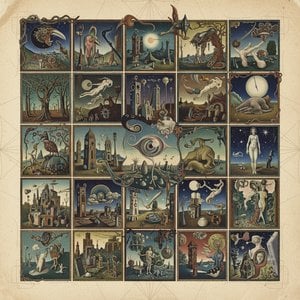
Max Ernsti 25 parimat teost: Surrealismi meistriteosed teie interjööri
Avastage Max Ernsti 25 parimat teost! Sukelduge surrealismi ja dadaismi maailma, tutvuge kunstniku lugude ja tehnikatega. Leidke täiuslik maali oma interjööri ArtsDot.com-ist – kvaliteetsed kunstireprodutsioonid ja kollektsioonid.

Surrealismi 10 Meisterteost: Kunsti, Mis Muigasid Reaalsust
Sukeldu sürreaalsesse maailma! Avasta 10 meistriteost, mis defineerisid sürrealismi liikumist – Dalí, Magritte jt. Kunstiajalugu ja inspiratsioon interjööriks ArtsDot.com-il. Uuri täielik kollektsioon veebis!

Beyond Reality's Grasp: Exploring the Philosophical Foundations of Surrealism
Explore the philosophical roots & artistic innovations of Surrealism with ArtsDot. Discover Dalí, Ernst, Delvaux & Freud's influence on this revolutionary movement. High-quality art reproductions available.
Dreamscapes & Disrupted Realities: Exploring Surrealism's Enduring Influence
Explore the fascinating world of Surrealism! Discover its origins, key artists like Dalí & Magritte, and enduring influence on art & culture. Expert insights & high-quality reproductions at ArtsDot.


