


 Eelvaade
 Saada
Saada Jaga
Jaga
 Teave teose kohta

 Laadi alla
 Sarnased teosed
 Röntgenuuring
 Slaidietendus
 Statistika
The Bather


 Loe lähemalt
Giclée / Kunstiprint
Muuseumikvaliteediga giclée- või kangasprint kiire tootmisega ja paindlikud viimistlusvõimalused. ( Osta käsitsi maalitud maal Ülemineks digitaalse pildiga müügi kanalisse)




P118B $10

P118H $10

P118W $10

P438Z $10

P508JH $12

P508YH $12

P805H $10

P805Z $10

P919BZ $10

P919G $10

P919XJ $10

P959ZH $10

P968JZ $12

W106C $8

W218G $10

W218JH $8

W218Y $10

W307PJ $10

W316G $10

W316PJ $8

W316Y $10

W398PJ $8

W4111J $10

W500HY $15

W500JH $15

W692G $12

W849H $8

W940BG $15

W953PJ $8




Vali meie eelmääratud suurused, mis vastavad teose algupärastele proportsioonidele.

Saate sisestada oma mõõdud, et need sobiks konkreetse raami või ruumi sisse. Kui valitud suurus ei vasta originaalteose proportsioonidele, lõigame teose ära või laiendame pilti peegeldatud või ühtlase servaga. Enne tootmisprotsessi algust saadetakse Teie kinnitamiseks digitaalne näidis.
Palun märka, et ekraanil kuvatav eelvaade ei kajasta tegelikku lõigamist või laiendamist. Ainult näidis kujutab täpselt lõplikku kompositsiooni.
Kuigi erimõõdu on saadaval, soovitame originaaproportsioonide säilitamiseks valida mõõt ette määratud nimekirjast.
Ülemaailmne tarne () 2 nädala jooksul, tavalise 4/5 nädala asemel. (9 september)

Tasuta ekspresssaatmine üle maailma

Kõrgekvaliteediline linakangas

Täielik transpordikindlustus

Tollimaksude tagastamise garantii

Värvitoime täpsuse garantii

100 päeva tagastusõigus (ainult tootmisdefektide korral)

100% raha tagasi garantii

Hulgusoodustus
 Klaasivalik on saadaval ainult suuruses kuni 110 cm

The Bather
Giclée / Kunstiprint
Reproduktsiooni suurus
-


Kogusumma
$ 62
Sarnased teosed


Kunstniku elulugu
The Alchemist of Color and Light
Maurice Marinot stands as a singular, luminous figure in the tapestry of early 20th-century art—a creator who possessed the rare ability to bridge the visceral intensity of Fauvist painting with the delicate, transformative magic of glassmaking. Born on March 20, 1882, in the historic French city of Troyes, Marinot’s journey was never one of easy academic triumph, but rather a profound pursuit of an independent aesthetic vision. Though his early years were marked by academic struggles and a rejection from the rigid standards of the École des Beaux-Arts under Fernand Cormon, these very setbacks forged a rebellious spirit. Returning to Troyes, he abandoned the constraints of formal training to embrace a path where color could breathe without the suffocating weight of tradition.
His emergence into the art world was defined by the fervent energy of Les Fauves. Influenced by the radical palettes of Henri Matisse and André Derain, Marinot’s early canvases became battlegrounds of emotion, where deep reds, electric blues, and sun-drenched yellows were applied with a disregard for naturalistic accuracy. In works such as “The Bather,” completed in 1930, one can witness the essence of this movement; the subject is not merely a figure in a landscape, but a vessel for light and warmth, captured through a stylized, emotive lens that prioritizes the artist's internal feeling over mere observation.
A Revolution in Glass
While his paintings captured the soul of Fauvism, it was Marinot’s encounter with glass that would redefine his legacy and secure his place as a master of medium. In 1911, a visit to a glass shop owned by the Viard brothers in Bar-sur-Seine ignited a new passion. He became captivated by the elemental dance between fire, heat, and light. Initially, he worked by designing exquisite bowls and vases upon which he applied vibrant enamels, but his curiosity soon drove him toward the furnace itself. Learning to blow glass, Marinot transitioned from a painter of surfaces to an architect of depth.
By 1923, he had moved beyond simple enameling to explore much more complex and perilous techniques. He began experimenting with bubbles, metal leaf, and colored glass, creating pieces that seemed to trap light within their very structure. His process was famously arduous and fraught with danger; a single masterpiece could take an entire year to complete as he sought to meet his own exacting standards of perfection. This period marked a shift in his artistic identity, where the boundaries between fine art and decorative craft dissolved into a singular, cohesive expression of form and color.
Legacy and the Fragility of Art
The historical significance of Maurice Marinot lies in his ability to innovate across disparate disciplines, bringing the expressive freedom of modern painting to the ancient art of glasswork. He did not merely decorate glass; he breathed life into it, treating each vessel as a sculptural canvas. However, his life and work were also marked by profound loss. The 1944 Allied bombing of Troyes dealt a devastating blow to his legacy, striking his studio directly and destroying over 2,500 paintings and thousands of drawings.
Despite the physical destruction of much of his oeuvre, Marinot’s influence remains indelible. His ability to harmonize the "hot and cold" of artistic expression—the heat of the furnace and the cool precision of design—continues to inspire collectors and historians alike. He remains a testament to the idea that true innovation often arises from the courage to step away from established institutions and find beauty in the most elemental of forces: light, fire, and color.

maurice marinot
1882 - 1960
Lühikesed faktid
- Artistic Movement Or Style: Les Fauves; Glass Art
- Artists Or Movements Influenced By This Artist: ['Glass Art']
- Artists Who Influenced This Artist: ['Fernand Cormon']
- Date Of Birth: 1882
- Date Of Death: 1960
- Full Name: Maurice Marinot
- Nationality: French
- Notable Artworks:
- The Bather
- Jar
- Place Of Birth: Troyes, France
Seotud artiklid
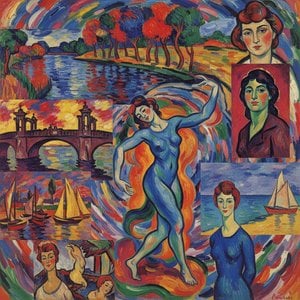
Fauvism's Boldest Visions: 10 Masterpieces That Revolutionized Modern Art | ArtsDot
Explore 10 Fauvist masterpieces by Matisse, Derain & Vlaminck that ignited Modern Art! Discover bold colors, expressionist landscapes & the history of this revolutionary movement. Find museum-quality prints at ArtsDot.com.

Fluid Reflections: Exploring Water's Symbolism in Art History – From Myth to Impressionism
Explore the rich symbolism of water in art history – from ancient myths to Impressionism's fleeting beauty. Discover masterpieces & find your perfect serene artwork with ArtsDot.com.

The Enduring Allure of the Nude: A Historical & Artistic Exploration of the Human Form
Explore the captivating history of nude art! Discover iconic paintings & artists from classical to modern eras. Uncover symbolism, techniques & find museum-quality reproductions at ArtsDot.

The Eloquent Form: A Historical & Aesthetic Exploration of the Nude in Art
Explore the captivating history of the nude in art! From ancient Greece to modern masters, discover its evolving symbolism, techniques & enduring beauty. Expert insights for collectors and enthusiasts.
Fauvism'i 10 Meisterteost: Kunst, Värvid ja Sisekujunduse Inspiratsioon
Sukeldu fauvismi maailma! Avasta 10 meistriteost, mis defineerisid värviküllust ja ekspressionismi. Henri Matisse'i, André Deraini jt kunstnike teosed – kunstireproduktsioonid ArtsDot.com-ist. Leia inspiratsioon interjööriks ja kaunista kodu! Uuri kogu kollektsiooni veebis.