


 Eelvaade
 Saada
Saada Jaga
Jaga
 Teave teose kohta

 Laadi alla
 Sarnased teosed
 Röntgenuuring
 Slaidietendus
Rigischer willkomm cup


 Loe lähemalt
Käsitsi valmistatud õlimaalireproduktsioon
Meie kunstnike poolt tellimusel valmistatud käsitsi maalitud õli-kainaste teos teie soovitud suuruses ja raamis. ( Lülita trükile Vaata pilti)




P118B $10

P118H $10

P118W $10

P438Z $10

P508JH $12

P508YH $12

P805H $10

P805Z $10

P919BZ $10

P919G $10

P919XJ $10

P959ZH $10

P968JZ $12

W106C $8

W218G $10

W218JH $8

W218Y $10

W307PJ $10

W316G $10

W316PJ $8

W316Y $10

W398PJ $8

W4111J $10

W500HY $15

W500JH $15

W692G $12

W849H $8

W940BG $15

W953PJ $8




Vali meie eelmääratud suurused, mis vastavad teose algupärastele proportsioonidele.

Sa võite sisestada oma mõõtmed konkreetse raami või ruumi sobivuse tagamiseks. Kui teie valitud suurus ei vasta originaalpildi proportsioonidele, siis kärvime kunstiteost või laiendame maali täiendavate käsitsi maalitud elementidega. Enne tootmise algust saadetakse teile heakskiitmiseks digitaalne eelvaade.
Palun pidage meeles, et ekraanil kuvatav eelvaade ei kajasta tegelikku kärpimist või laiendamist. Ainult eelvaade näitab täpselt lõplikku kompositsiooni.
Kuigi on saadaval kohandatud suurused, soovitame originaalproportsioonide säilimiseks valida mõõdud eelmääratletud nimekirjast.
Pärast tellimust saadab ArtsDot.com meeskond kliendile e-posti juhised ning esitab eelvaate kavandi.
Maailmline tarne 3–4 nädala jooksul tavalise 5 nädala asemel. (11 august). Kvaliteedis kompromisse ei tehta.

Tasuta ekspresssaatmine üle maailma

Kõrgekvaliteediline linakangas

Täielik transpordikindlustus

Tollimaksude tagastamise garantii

Värvitoime täpsuse garantii

60-päevane tagastusõig: ainult tootmisdefektide korral

100% raha tagasi garantii

Hulgusoodustus
 Klaasivalik on saadaval ainult suuruses kuni 110 cm

Rigischer willkomm cup
Reproduktsiooni tehnika
Reproduktsiooni suurus
-


Kogusumma
$ 263
Sarnased teosed


Kunstniku elulugu
Martin Wulff II: A Fragmented Vision of Time
The enigma surrounding Martin Wulff II persists—a German artist whose singular contribution to 17th-century art is embodied in ‘Rigischer Willkomm Cup,’ a striking silver vessel crafted around 1616. Information about his life remains scarce, shrouded in the mists of history, leaving scholars wrestling with tantalizing glimpses into a figure who nevertheless commanded considerable respect within his milieu. Despite the paucity of biographical details—his precise birthplace, date of birth, and death—Wulff’s artistic legacy speaks volumes about his skill and vision.Early Life and Artistic Formation
Records indicate that Wulff was born in Germany sometime around the turn of the century, though definitive documentation is elusive. His family background suggests a connection to Jewish heritage, reflecting the broader cultural landscape of the era. He pursued his education diligently at Collège Français in Berlin, mastering Law before earning his doctorate from the law faculty in 1894 with a dissertation exploring *beneficium excussionis realis*, a complex legal concept concerning property rights. This scholarly grounding undoubtedly informed his artistic sensibilities and provided him with a framework for understanding the broader intellectual currents of his time.A Master of Silver Craftsmanship
Wulff’s fame rests primarily on ‘Rigischer Willkomm Cup,’ an exceptional piece of Baroque silverwork that exemplifies both technical prowess and conceptual depth. Executed in 1616, the cup showcases intricate detailing—floral motifs interwoven with geometric patterns—demonstrating a mastery of engraving techniques characteristic of the period. The vessel’s surface is adorned with delicate embossing, elevating it beyond mere ornamentation into an expressive form of visual art. Its creation represents a pinnacle of German silver craftsmanship and stands as testament to Wulff's dedication to his craft.Influence and Legacy
Wulff’s artistic trajectory was profoundly shaped by the intellectual ferment of his time—particularly the burgeoning interest in classical antiquity and humanist thought. He drew inspiration from artists such as Masaccio and Arcimboldo, whose innovative approaches to representation challenged conventional aesthetic norms. Furthermore, he engaged with the philosophical debates surrounding the nature of perception and experience, mirroring broader trends within European art history. His work anticipates developments in later Baroque art, where artists increasingly sought to convey psychological states alongside formal beauty.Later Years and Recognition
Martin Wolff continued his academic career at Bonn University, returning to Berlin in 1921 as Professor for Civil Law, Commercial Law, and Private International Law. He was regarded as an outstanding lecturer, captivating students with his erudition and fostering a vibrant intellectual environment. Following the Nazi seizure of power in 1933, Wolff faced persecution due to his Jewish heritage, prompting him to emigrate to Britain in 1938 where he received support from All Souls College, Oxford. He dedicated his final years to scholarly pursuits, leaving behind a substantial body of work that cemented his place as a pivotal figure in German legal scholarship and artistic thought.
marten wulff 2nd
Germany
Lühikesed faktid
- Artistic Movement Or Style: Baroque
- Date Of Death: Living
- Full Name: marten wulff 2nd
- Nationality: German
- Notable Artworks: ['Rigischer willkomm cup']
- Place Of Birth: Germany
Seotud artiklid

Baroki tippteosed: 10 kunstiteost, mis muutisid maailma
Sukeldu baroki maailma! Avasta 10 meistriteost, mis defineerisid kunstivoolu – Rembrandt, Caravaggio jt. Loe lugusid, vaata värve ja naudi ajatu ilu. Leia inspiratsiooni interjööriks ArtsDot.com-ist!

John Francis Sartorius II: Equestrian Elegance & the Rise of British Portraiture
Explore the captivating world of Francis Sartorius II (1734-1804), a leading British painter renowned for his exquisite equestrian portraits and hunting scenes. Discover his life, techniques & enduring legacy.
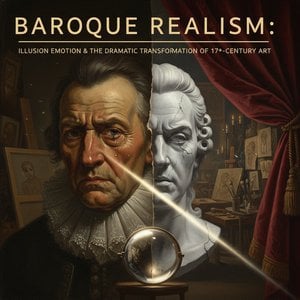
Baroque Realism: Illusion, Emotion & the Dramatic Transformation of 17th-Century Art
Explore the dramatic world of Baroque Realism! Discover iconic artists like Caravaggio & Rubens, their techniques, and the movement's lasting impact on art history. Expert insights for collectors & enthusiasts.

Golden Age Reflections: Dutch Baroque Painting & Cultural Innovation
Explore the Dutch Golden Age of painting! Discover key artists like Vermeer & ter Borch, their innovative techniques, and the rich cultural context behind these Baroque masterpieces. Learn about collecting & appreciating this iconic art period.

Dutch Baroque Masters: 10 Paintings That Shaped an Era | ArtsDot
Journey through the Golden Age with our guide to the Top 10 Dutch Baroque masterpieces! Explore iconic paintings by Rembrandt, Vermeer & Frans Hals. Find museum-quality art reproductions and elevate your home decor at ArtsDot.com.

