

 Eelvaade
 Saada
Saada Jaga
Jaga
 Teave teose kohta

 Laadi alla
 Sarnased teosed
 Röntgenuuring
 Slaidietendus
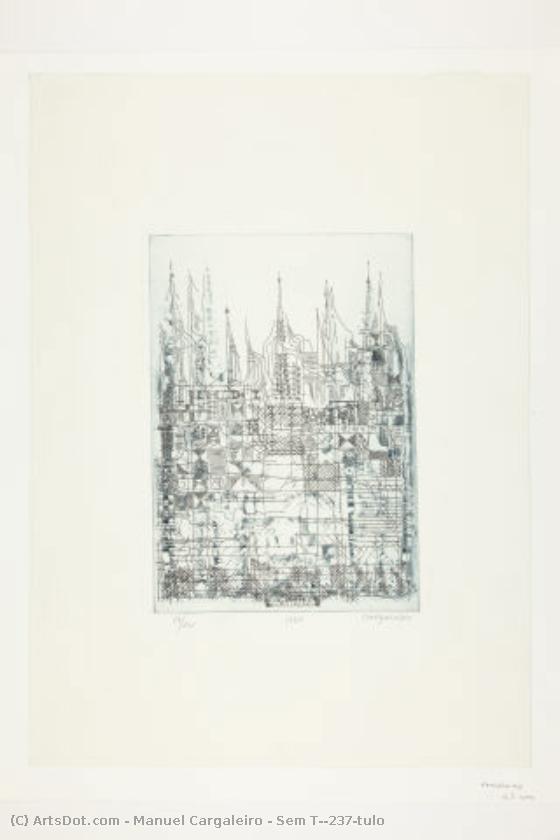
Sem Título
 Surrealism
 1982
1982 67.0 x 49.0 cm
 Calouste Gulbenkian Fondatsioon
 Loe lähemalt
Giclée / Kunstiprint
Muuseumikvaliteediga giclée- või kangasprint kiire tootmisega ja paindlikud viimistlusvõimalused. ( Osta käsitsi maalitud maal Osta pilt)




































Vali meie eelmääratud suurused, mis vastavad teose algupärastele proportsioonidele.

Saate sisestada oma mõõdud, et need sobiks konkreetse raami või ruumi sisse. Kui valitud suurus ei vasta originaalteose proportsioonidele, lõigame teose ära või laiendame pilti peegeldatud või ühtlase servaga. Enne tootmisprotsessi algust saadetakse Teie kinnitamiseks digitaalne näidis.
Palun märka, et ekraanil kuvatav eelvaade ei kajasta tegelikku lõigamist või laiendamist. Ainult näidis kujutab täpselt lõplikku kompositsiooni.
Kuigi erimõõdu on saadaval, soovitame originaaproportsioonide säilitamiseks valida mõõt ette määratud nimekirjast.
Ülemaailmne tarne () 2 nädala jooksul, tavalise 4/5 nädala asemel. (19 august)

Tasuta ekspresssaatmine üle maailma

Kõrgekvaliteediline linakangas

Täielik transpordikindlustus

Tollimaksude tagastamise garantii

Värvitoime täpsuse garantii

60-päevane tagastusõig: ainult tootmisdefektide korral

100% raha tagasi garantii

Hulgusoodustus
 Klaasivalik on saadaval ainult suuruses kuni 110 cm

Sem Título
Giclée / Kunstiprint
Reproduktsiooni suurus
-


Kogusumma
$ 62
Sarnased teosed


![Abstract Composition [triptych] — Vaclav Vytlacil, Abstract Expressionism](/media/artworks/images/thumbnails/e5/3d/e53db42ea02644b9a8e722f9d4dd3742.jpg)
Kunstniku elulugu
The Soul of Geometry: The Artistic Odyssey of Manuel Cargaleiro
In the vast tapestry of twentieth-century art, few threads are as vibrant or as structurally profound as those woven by Manuel Cargaleiro. Born in 1927 in the serene landscape of Vila Velha de Ródão, Portugal, Cargaleiro emerged not from the rigid confines of formal academies, but as a brilliant autodidact, a self-taught visionary who allowed his intuition to guide his brush and clay. His journey was one of constant metamorphosis, moving between the tactile earthiness of ceramics and the ethereal expansiveness of painting. To look upon his work is to witness a dialogue between the ancient traditions of the Iberian Peninsula and the cutting-scale abstractions of the modern era, a seamless blend where the weight of history meets the lightness of geometric thought.
Cargaleiro’s artistic language was deeply rooted in the azulejo—the iconic Portuguese ceramic tiles that carry the echoes of Arab craftsmanship. However, he did not merely replicate tradition; he revolutionized it. By treating the tile as a modular unit of a much larger, dynamic composition, he transformed static surfaces into breathing landscapes of color and form. This fascination with the decorative arts was balanced by his profound engagement with the École de Paris. Settling in France in 1957, he found himself immersed in an atmosphere of avant-garde experimentation. The works of masters such as Robert Delaunay, Max Ernst, Victor Vasarely, and Paul Klee acted as celestial guides, teaching him how to utilize primary colors and geometric modules to suggest movement, depth, and a rhythmic pulse within a two-dimensional plane.
A Legacy Carved in Clay and Color
The true magic of Cargaleiro’s oeuvre lies in his ability to evoke spatial dynamism through simplified shapes. His compositions often feel as though they are in a state of perpetual motion, where a single line or a bold block of color can trigger a sense of cosmic expansion. This mastery of lyrical abstraction allowed him to communicate complex emotional truths through the most fundamental visual elements. Whether he was working on large-scale frescoes—such as his celebrated contribution to the Champs-Elysées Clémenceau subway station in Paris—or intimate etchings, his dedication to the interplay of light and geometry remained unwavering.
His achievements were recognized far beyond the borders of Portugal, earning him prestigious decorations and honors across France and Italy. His life’s work was not merely a collection of objects, but an institutional legacy, evidenced by the Foundation-Museum Manuel Cargaleiro, which stands as a testament to his generosity and his commitment to preserving the art of ceramics. As we reflect on his passing in June 2024, we see an artist who successfully bridged the gap between the artisanal and the avant-garde, leaving behind a world that is infinitely more colorful, structured, and profound.
Key Milestones of His Career:
- Self-Taught Beginnings: Developed a unique aesthetic through personal exploration and observation.
- Mastery of Azulejo: Elevated Portuguese ceramic tile art into a sophisticated medium for modern abstraction.
- Parisian Influence: Integrated the principles of the École de Paris, focusing on spatial dynamism and primary color palettes.
- Public Artistry: Created monumental works, including iconic frescoes for the Paris Metro.
- Institutional Impact: Established a lasting legacy through the creation of museums and foundations dedicated to ceramic excellence.

Manuel Cargaleiro
1927 - , Portugal
Lühikesed faktid
- Artistic Movement Or Style: Geometric abstraction
- Artists Or Movements Influenced By This Artist: ['École de Paris']
- Artists Who Influenced This Artist:
- Delaunay
- Ernst
- Vasarely
- Klee
- Date Of Birth: 1927
- Full Name: Manuel Cargaleiro
- Nationality: Portuguese
- Notable Artworks:
- Sem Título
- Estudo Raionista
- Paisagem do meu Jardim
- Place Of Birth: Vila Velha de Ródão, Portugal
Seotud artiklid

Etching Masters: 10 Legendary Prints That Revolutionized Art | ArtsDot
Journey through 10 legendary etching masterpieces by Rembrandt, Dürer & Goya. Explore the history of printmaking and discover timeless art for your home. Find museum-quality reproductions at ArtsDot.com.

Abstract Ekspressionismi 10 Meisterteost: Kunsti ja Sisustamise Klassikat
Sukeldu abstraktse ekspressionismi maailma! Avasta 10 legendaarset kunstiteost – Pollock, Rothko jt. – ja nende loo. Leia inspiratsiooni interjööriks ning kaunista kodu ArtsDot.com kvaliteetsete reproduktsioonidega. Uuri kollektsiooni!

Etching: A Historical Survey of Technique, Aesthetic Qualities & Enduring Artistic Significance
Explore the rich history of etching, from its origins to Rembrandt's masterful innovations. Discover the technique, aesthetic qualities & enduring legacy of this captivating art form. Expert insights for collectors and enthusiasts.

Geomeetrilise Abstraktsiooni 10 Meisterteost: Kunst ja Kodukaunistus ArtsDot.com-is
Avastage geomeetrilise abstraktsiooni 10 suurteost – Kandinsky, Mondrian ja teised. Lugege kunstiteoste lugusid ning leidke inspiratsiooni kodukaunistuseks ArtsDot.com-is! Kunstikollektsioon ja reprodutsioonid.

The Intricate World of Etching: A Historical Survey of Technique, Aesthetic Evolution, and Enduring Artistic Impact
Explore the rich history of etching, from its origins to modern practice. Discover techniques, key artists like Rembrandt, and insights for collectors. A comprehensive guide by ArtsDot.

