


 Vaata sisu
 Jaga teost
 Jaga
Jaga
 Detailid
 Õppekate juhend

 Laadi alla
 Sarnased teosed
 Röntgenuuring
 Slaidietendus
 Statistika
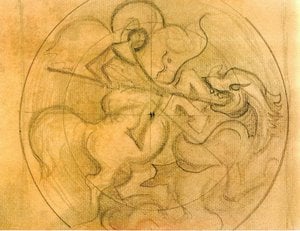
Untitled
 38.0 x 46.0 cm
 Loe lähemalt
Sellel lehel kuvatav kunstiteos on kaitstud autoriõigusega, mis tähendab, et meil ei ole seaduslikku õigust luua või müüa identset reproduktsiooni. Seda kaitset rakendatakse rahvusvaheliste kokkulepete alusel, nagu näiteks Berne konventsioon ning riiklike seadustega, sealhulgas nendega, mida on sätestatud USA autoriõiguse seadus – 17. peatükk.
See meetod järgib täielikult autoriõiguse reegleid, kuna see ei põhine kaitstud kunstiteose kopeerimisel või dupliteerimisel. Selle asemel on tegu loova reinterpreetatsiooniga – uue maaldisega, mis on algteosest inspireeritud, kuid ei ole sellest identiline.
Giclée / Kunstiprint
Muuseumikvaliteediga giclée- või kangasprint kiire tootmisega ja paindlikud viimistlusvõimalused. ( Telli käsitsi maalitud reproduktsioon Ülemineku digitaalse pildi müügi kanalisse)




































Vali meie eelmääratud suurused, mis vastavad teose algupärastele proportsioonidele.

Sisestage vajalik laius ja kõrgus, et see sobiks teie raamile või seinale. Trükki saab ainult lõigata, seda ei saa kunagi pildist suuremaks teha, seega ka differentse vormiga suurus kaotab osa pildist. Enne trükkimist saadame teile kinnitamiseks digitaalse näidisprojektsiooni. Sellel lehel näidatud pilt ei kujuta reaalset lõiget — seda näitab ainult näidisprojekttsioon.
Ülemaailmne tarne () 2 nädala jooksul, tavalise 4/5 nädala asemel. (22 oktoober)

Tasuta ekspresssaatmine üle maailma

Kõrgekvaliteediline lina-kangastest muld

Täielik transpordikindlustus

Tollimaksude tagastamise garantii

Värvitoime täpsuse garantii

100 päeva tagastusõigus (ainult defektide korral)

100% raha tagasi garantii

Hulgusoodustus
 Klaasivalik on saadaval ainult kuni 110 cm suuruses teostes

Untitled
Giclée / Kunstiprint
Reproduktsiooni mõõtmed
-


Lõppsumma
€ 54
Sarnased teosed



Kunstniku elulugu
A Legacy Forged in Color and Resilience
The story of Manabu Mabe is one of profound transformation, a narrative that begins far from the bright galleries of São Paulo and moves through the shadows of hardship into the luminous heights of international abstraction. Born in Japan in 1924 to a family once graced by prosperity, Mabe’s early years were defined by a sudden and devastating financial collapse that forced his family to emigrate to Brazil in 1934. This journey, a grueling fifty-day voyage in steerage, marked the beginning of a life shaped by immense physical labor and an unyielding creative spirit. As a young boy on a São Paulo coffee plantation, Mabe labored amidst the coffee trees, tending to rice and vegetables, yet even in the midst of such demanding toil, his mind remained tether of paper scraps and the quiet pursuit of self-taught literacy. It was under the dim glow of a kerosene lamp that he mastered Portuguese, a linguistic bridge that would eventually connect his Japanese heritage with his Brazilian home.
Before ascending to the pinnacle of the fine arts, Mabe’s creative journey took a more tactile, artisanal path. In the late 1950s, he established himself in São Paulo as a craftsman specializing in the delicate art of hand-painted ties. This period of meticulous detail and color application served as a precursor to his later mastery of much larger, more expansive canvases. The transition from the small-scale precision of silk to the sweeping gestures of oil on canvas was nothing short of meteoric. By the late 1950s, Mabe had emerged as a formidable force in the contemporary art scene, securing the top prize at São Paulo’s Contemporary Art Salon and earning Brazil's highest honor at the São Paulo Bienal. His talent even caught the eye of the international community, earning him prestigious accolades as one of the "artists under 35" at the inaugural Paris Biennial, signaling the arrival of a truly global voice.
The Vibrancy of Lyrical Abstraction
Mabe’s mature style is characterized by an extraordinary command of Color Field painting, a technique that allowed him to explore the emotional weight of pure pigment. Drawing inspiration from the monumental works of Mark Rothko and the expressive energy of Willem de Kooning, Mabe developed a visual language that prioritized texture, tonal gradation, and luminous hues. His canvases often became vast landscapes of light, dominated by warm yellows, deep reds, and striking teals. In works such as Esperança du Jouém, one can witness his ability to blend Pop Art sensibilities with the fluid, organic movements of lyrical abstraction, creating compositions that feel both dynamic and serene.
Central to his artistic evolution was his involvement with Grupo Seibi, a collective founded in 1963. This group provided a vital sanctuary for artists dedicated to exploring abstract forms and engaging in deep dialogues regarding the future of modernism in Brazil. Through this collective, Mabe helped shape a movement that sought to transcend representational boundaries, pushing toward an art that spoke directly to the soul through color and form. His work during this era was not merely about decoration; it was an attempt to capture the essence of light and emotion, using thick, expressive brushstrokes to create a sense of depth and movement that invited the viewer into a meditative state.
A Tragic Loss and Enduring Triumph
The trajectory of Mabe’s career is inextricably linked to one of the most heartbreaking mysteries in art history. In 1979, a catastrophic event involving Varig Flight 707—a cargo plane carrying fifty of his significant paintings en route from Tokyo to Rio de Janeiro—resulted in the total disappearance of much of his work. This loss was more than a theft of objects; it was a rupture in the historical record of his development. Yet, rather than allowing this tragedy to silence his voice, Mabe’s legacy endured through the works that remained and the profound impact he had already left on the Brazilian landscape.
Today, the significance of Manabu Mabe is preserved in the permanent collections of the world's most esteemed institutions. His presence can be felt in the halls of:
- The São Paulo Museum of Contemporary Art (MASP)
- The Museum of Modern Art (MoMA) in Rio de Janeiro
- The Beaux-Arts Museum of Dallas
- The Boston Contemporary Art Museum
Mabe remains a pivotal figure whose life serves as a testament to the resilience of the human spirit. From the coffee plantations of Brazil to the prestigious biennials of Paris, his journey was one of constant reinvention. He transformed the hardship of displacement into a vibrant, abstract language that continues to resonate with anyone moved by the power of color and the enduring beauty of light.

Manabu Mabe
1924 - 1997
Lühikest infot
- Full Name: Manabu Mabe
- Nationality: Japanese
- Date Of Birth: 1924
- Date Of Death: 1997
- Place Of Birth: Japan
- Notable Artworks:
- TA SO GA RE
- Esperança du Jouém
- Artistic Movement Or Style: Abstract Painting / Grupo Seibi
- Artists Or Movements Influenced By This Artist: ['Color Field']