
- Avaleht

- Õlimaalireproduktsioon
- Lovis Kornuth
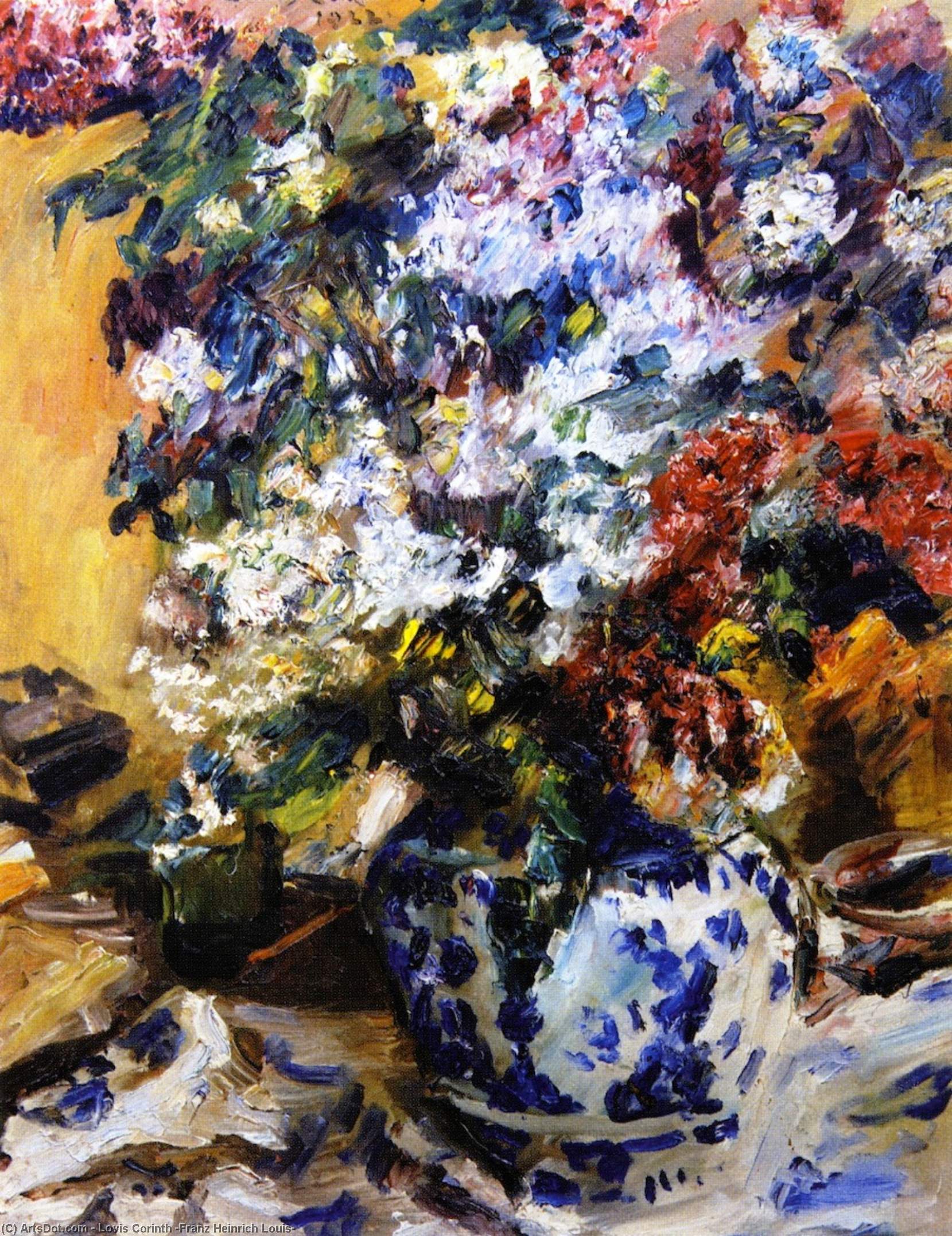
- Still Life with Lilacs
 Telli trükis Osta digipilt
 Saada
Saada
 Jaga
Jaga
 Detailid
 Lisa lemmikutesse

 Laadi alla
 Sarnased teosed
 Röntgenuuring
 Slaidietendus
Still Life with Lilacs
 Oil On Canvas
- WallArt
- Impressionism
 1922
1922- Modern
 100.0 x 80.0 cm
 Loe lähemalt
Käsitsi valmistatud õlimaalireproduktsioon
Meie kunstnike poolt tellimusel valmistatud käsitsi maalitud õli-kainaste teos teie soovitud suuruses ja raamis.




P118B $10

P118H $10

P118W $10

P438Z $10

P508JH $12

P508YH $12

P805H $10

P805Z $10

P919BZ $10

P919G $10

P919XJ $10

P959ZH $10

P968JZ $12

W106C $8

W218G $10

W218JH $8

W218Y $10

W307PJ $10

W316G $10

W316PJ $8

W316Y $10

W398PJ $8

W4111J $10

W500HY $15

W500JH $15

W692G $12

W849H $8

W940BG $15

W953PJ $8




Vali meie eelmääratud suurused, mis vastavad teose algupärastele proportsioonidele.

Sa võite sisestada oma mõõtmed konkreetse raami või ruumi sobivuse tagamiseks. Kui teie valitud suurus ei vasta originaalpildi proportsioonidele, siis kärvime kunstiteost või laiendame maali täiendavate käsitsi maalitud elementidega. Enne tootmise algust saadetakse teile heakskiitmiseks digitaalne eelvaade.
Palun pidage meeles, et ekraanil kuvatav eelvaade ei kajasta tegelikku kärpimist või laiendamist. Ainult eelvaade näitab täpselt lõplikku kompositsiooni.
Kuigi on saadaval kohandatud suurused, soovitame originaalproportsioonide säilimiseks valida mõõdud eelmääratletud nimekirjast.
Pärast tellimust saadab ArtsDot.com meeskond kliendile e-posti juhised ning esitab eelvaate kavandi.
Maailmline tarne 3–4 nädala jooksul tavalise 5 nädala asemel. (2 juuli). Kvaliteedis kompromisse ei tehta.

Tasuta ekspresssaatmine üle maailma

Kõrgekvaliteediline linakangas

Täielik transpordikindlustus

Tollimaksude tagastamise garantii

Värvitoime täpsuse garantii

60-päevane tagastusõig: ainult tootmisdefektide korral

100% raha tagasi garantii

Hulgusoodustus
 Klaasivalik on saadaval ainult suuruses kuni 110 cm

Still Life with Lilacs
Reproduktsiooni tehnika
Reproduktsiooni suurus
-


Kogusumma
-
Teose kirjeldus
Still Life with Lilacs by Lovis Corinth: A Celebration of Nature's Beauty
Lovis Corinth’s "Still Life with Lilacs," painted in 1922, is a captivating example of his mature style, blending Impressionistic and Expressionistic elements. This oil on canvas (measuring 100 x 80 cm) showcases the artist's remarkable ability to capture the vibrancy and fleeting beauty of nature through a dynamic composition and expressive brushwork.
Composition and Artistic Style
The painting centers around a large, ornate blue and white porcelain vase overflowing with an abundance of flowers. Corinth masterfully arranges at least twelve distinct flower types within the vase, creating a visually rich and layered scene. The background is intentionally blurred, drawing focus to the vibrant blossoms and the intricate details of the vase. Corinth’s technique employs loose, broken brushstrokes that build texture and movement, characteristic of Impressionism. However, his bold use of color and energetic application of paint reveal Expressionistic influences, lending a sense of emotional intensity to the still life.
Historical Context and Influences
Created in 1922, "Still Life with Lilacs" reflects a period of artistic transition following World War I. Corinth, having been a prominent figure in the Berlin Secession, was exploring new avenues of expression while drawing inspiration from earlier masters. He admired artists like Vincent Van Gogh, whose influence can be seen in the painting's dynamic brushwork and vibrant color palette. The artwork demonstrates a departure from strict academic traditions, embracing a more subjective and emotionally driven approach to art.
Symbolism and Emotional Impact
Beyond its aesthetic appeal, "Still Life with Lilacs" evokes feelings of abundance, beauty, and the ephemeral nature of life. Lilacs themselves often symbolize renewal, hope, and first love. The vibrant colors and dynamic composition create a sense of joy and vitality, while the blurred background suggests a fleeting moment captured in time. The painting invites viewers to appreciate the simple pleasures of nature and find solace in its enduring beauty.
Materials and Technique
Corinth utilized oil paints on canvas to achieve the rich textures and vibrant colors seen in "Still Life with Lilacs." The impasto technique, characterized by thick layers of paint applied with visible brushstrokes, adds depth and dimension to the artwork. This tactile quality enhances the painting's visual impact and invites closer inspection. The materials used contribute significantly to the overall impression of energy and vitality that defines Corinth’s style.
Sarnased teosed


Kunstniku elulugu
A Life Forged in Paint: The World of Lovis Corinth
Lovis Corinth, born Franz Heinrich Louis on July 21, 1858, in the Prussian province of East Prussia, was a figure who embodied the tumultuous transition from the 19th to the early 20th-century art world. His journey wasn’t one of immediate acclaim but rather a gradual evolution fueled by relentless study, diverse influences, and ultimately, personal tragedy. Corinth's beginnings were rooted in the rural landscapes of his birthplace, Tapiau, where his father worked as a tanner. This early exposure to the physicality of labor and the raw beauty of nature would subtly permeate his later work, even amidst more sophisticated stylistic explorations. He initially pursued studies at the Academy of Königsberg in 1876, but quickly realized that academic tradition alone wouldn’t satisfy his artistic ambitions. A period of travel followed, taking him to Munich, Antwerp, and finally Paris – each city serving as a crucial stepping stone in his development. In Munich, he absorbed the meticulous realism championed by Ludwig von Löfftz, honing his observational skills and mastering technique. Antwerp introduced him to the dramatic Baroque intensity of Rubens, while Paris exposed him to the burgeoning Impressionist movement, though his initial response was one of cautious observation rather than immediate embrace. Early Influences & Artistic Formation Corinth’s formative years were marked by a profound engagement with the natural world and a fascination for classical art. The landscapes of East Prussia instilled in him a deep appreciation for elemental forces and textural variations—sensations that would find their way into his later paintings. Simultaneously, he immersed himself in the works of Courbet and Rubens, recognizing the importance of confronting uncomfortable truths and mastering expressive brushwork. Courbet’s unflinching realism challenged prevailing artistic conventions, inspiring Corinth to explore subjects deemed taboo by academic circles. Rubens' monumental canvases captivated him with their dynamic composition and masterful use of color—influences that would shape his stylistic vision for decades to come. These early explorations established a foundation for Corinth’s subsequent artistic endeavors, demonstrating his unwavering commitment to technical proficiency and intellectual curiosity. The Impressionist Breakthrough & Synthesis of Styles Corinth's initial encounter with Impressionism proved initially unsettling. He regarded Monet and Renoir’s fragmented brushstrokes and shimmering light effects with skepticism—a reaction typical of artists accustomed to the clarity and precision of academic tradition. However, he soon recognized that Impressionistic principles could enrich his own artistic vocabulary, fostering a more vibrant palette and capturing fleeting moments of sensory experience. Rather than simply replicating Impressionist techniques, Corinth skillfully integrated them into his distinctive style—creating a synthesis that honored both classical influences and modern innovation. This transformative process culminated in the creation of monumental landscapes depicting the Walchensee region—works characterized by their bold colors, dynamic brushwork, and palpable emotional intensity. These paintings stand as testament to Corinth’s artistic genius and represent the apex of his expressive style. A Pivotal Stroke & Artistic Resilience A dramatic turning point arrived in December 1911 when Corinth suffered a debilitating stroke that paralyzed his left side—a tragedy that threatened to derail his career entirely. Faced with insurmountable physical obstacles, he embarked on an arduous journey of rehabilitation—determined to regain the ability to paint and preserve his artistic vocation. With unwavering perseverance and the steadfast support of his wife, Charlotte Berend-Corinth, Corinth painstakingly relearned his technique—adapting to his limitations and refining his expressive style. This period yielded remarkable results—producing paintings imbued with a newfound urgency and authenticity that reflected the profound impact of confronting mortality. He embraced looser brushstrokes and intensified color palettes—anticipating many of the stylistic innovations that would define Expressionism—demonstrating an extraordinary capacity for artistic resilience and transforming personal hardship into creative inspiration. Legacy & Enduring Influence Lovis Corinth’s legacy extends far beyond his impressive oeuvre—spanning across generations of artists and shaping the trajectory of German art history. He served as president of the Berlin Secession from 1915 until his death in 1925—championing progressive artistic ideals and fostering a vibrant creative community that embraced experimentation and challenged conventional norms. Corinth’s influence resonated throughout Expressionist circles—inspiring artists to explore themes of suffering, alienation, and psychological turmoil with uncompromising honesty. His distinctive style—characterized by its bold colors, dynamic brushwork, and emotive intensity—became synonymous with the movement's aesthetic vision. Corinth remains a pivotal figure in German art—a master who bridged two eras and left an indelible mark on artistic culture—continuing to captivate audiences and inspire artists today.Key Works & Their Significance
- In the Slaughterhouse (1878): A starkly realistic depiction of animal carcasses, showcasing Corinth’s early mastery of technique and his willingness to confront unsettling subjects.
- Self-Portrait (various years): A series of self-portraits created annually on his birthday, offering a fascinating chronicle of the artist's evolving self-perception and artistic style. These works reveal a profound introspection and a fearless exploration of identity.
- Female Semi-Nude with Hat (1906): Demonstrates Corinth’s ability to blend classical motifs with impressionistic techniques, creating a sensuous and psychologically compelling portrait.
- Walchensee Series (various years): A collection of landscapes depicting the Walchensee region in Bavaria, characterized by their vibrant colors, dynamic brushwork, and emotional intensity. These paintings represent Corinth’s mature style at its most powerful and expressive.
A Life Forged in Paint: The World of Lovis Corinth
Lovis Corinth, born Franz Heinrich Louis on July 21, 1858, in the Prussian province of East Prussia, was a figure who embodied the tumultuous transition from the 19th to the early 20th-century art world. His journey wasn’t one of immediate acclaim but rather a gradual evolution fueled by relentless study, diverse influences, and ultimately, personal tragedy. Corinth's beginnings were rooted in the rural landscapes of his birthplace, Tapiau, where his father worked as a tanner. This early exposure to the physicality of labor and the raw beauty of nature would subtly permeate his later work, even amidst more sophisticated stylistic explorations. He initially pursued studies at the Academy of Königsberg in 1876, but quickly realized that academic tradition alone wouldn’t satisfy his artistic ambitions. A period of travel followed, taking him to Munich, Antwerp, and finally Paris – each city serving as a crucial stepping stone in his development. In Munich, he absorbed the meticulous realism championed by Ludwig von Löfftz, honing his observational skills and mastering technique. Antwerp introduced him to the dramatic Baroque intensity of Rubens, while Paris exposed him to the burgeoning Impressionist movement, though his initial response was one of cautious observation rather than immediate embrace. Early Influences & Artistic Formation Corinth’s formative years were marked by a profound engagement with the natural world and a fascination for classical art. The landscapes of East Prussia instilled in him a deep appreciation for elemental forces and textural variations—sensations that would find their way into his later paintings. Simultaneously, he immersed himself in the works of Courbet and Rubens, recognizing the importance of confronting uncomfortable truths and mastering expressive brushwork. Courbet’s unflinching realism challenged prevailing artistic conventions, inspiring Corinth to explore subjects deemed taboo by academic circles. Rubens' monumental canvases captivated him with their dynamic composition and masterful use of color—influences that would shape his stylistic vision for decades to come. These early explorations established a foundation for Corinth’s subsequent artistic endeavors, demonstrating his unwavering commitment to technical proficiency and intellectual curiosity. The Impressionist Breakthrough & Synthesis of Styles Corinth's initial encounter with Impressionism proved initially unsettling. He regarded Monet and Renoir’s fragmented brushstrokes and shimmering light effects with skepticism—a reaction typical of artists accustomed to the clarity and precision of academic tradition. However, he soon recognized that Impressionistic principles could enrich his own artistic vocabulary, fostering a more vibrant palette and capturing fleeting moments of sensory experience. Rather than simply replicating Impressionist techniques, Corinth skillfully integrated them into his distinctive style—creating a synthesis that honored both classical influences and modern innovation. This transformative process culminated in the creation of monumental landscapes depicting the Walchensee region—works characterized by their bold colors, dynamic brushwork, and palpable emotional intensity. These paintings stand as testament to Corinth’s artistic genius and represent the apex of his expressive style. A Pivotal Stroke & Artistic Resilience A dramatic turning point arrived in December 1911 when Corinth suffered a debilitating stroke that paralyzed his left side—a tragedy that threatened to derail his career entirely. Faced with insurmountable physical obstacles, he embarked on an arduous journey of rehabilitation—determined to regain the ability to paint and preserve his artistic vocation. With unwavering perseverance and the steadfast support of his wife, Charlotte Berend-Corinth, Corinth painstakingly relearned his technique—adapting to his limitations and refining his expressive style. This period yielded remarkable results—producing paintings imbued with a newfound urgency and authenticity that reflected the profound impact of confronting mortality. He embraced looser brushstrokes and intensified color palettes—anticipating many of the stylistic innovations that would define Expressionism—demonstrating an extraordinary capacity for artistic resilience and transforming personal hardship into creative inspiration. Legacy & Enduring Influence Lovis Corinth’s legacy extends far beyond his impressive oeuvre—spanning across generations of artists and shaping the trajectory of German art history. He served as president of the Berlin Sec
Lovis Kornuth
1858 - 1925 , Saksa
Lühikesed faktid
- Artistic Movement Or Style: Impressionism & Ekspressionism
- Artists Or Movements Influenced By This Artist: ['Ekspressionism']
- Artists Who Influenced This Artist:
- Courbet
- Rubens
- Date Of Birth: July 21, 1858
- Date Of Death: July 17, 1925
- Full Name: Franz Heinrich Louis Corinth
- Nationality: Saksa
- Notable Artworks:
- In the Slaughter House
- Self-Portrait
- Female Semi-Nude
- Place Of Birth: Tauwade, Netherlands
Seotud artiklid

The Bountiful Still Life: Symbolism & Artistic Representation of Fruit Across Art History
Explore the rich history of still life painting & the symbolism of fruit across art movements. Discover masterpieces from Caravaggio to Cézanne with ArtsDot – expert guidance & museum-quality reproductions.
Top 10 Oil Paintings That Revolutionized Art History |
Journey through art history with our Top 10 oil paintings! Explore iconic works by Van Gogh, Monet & Rembrandt. Discover timeless masterpieces and find museum-quality reproductions for your home at .
Henri Fantin-Latour: A Poetic Realism Between Still Life and the Parisian Avant-Garde
Explore the captivating world of Henri Fantin-Latour, a master of still life and portraiture. Discover his unique blend of Realism & Symbolism, Parisian connections, and enduring legacy with ArtsDot.

Jan Jansz Wijnants: A Study in Dutch Golden Age Still Life & Floral Transience
Explore the captivating world of Jan Wijnants and Dutch Golden Age still life painting. Discover symbolism, masterful techniques & lasting influence on floral art history. Learn more!

Oil on Board Masters: 10 Paintings That Redefined Art | ArtsDot
Explore 10 legendary 'Oil on Board' masterpieces by Van Gogh, Monet & more! Discover art history, iconic styles like Impressionism, and find museum-quality reproductions to elevate your home decor. Explore the full collection online at ArtsDot.com.


