


 Eelvaade
 Saada
Saada Jaga
Jaga
 Teave teose kohta

 Laadi alla
 Sarnased teosed
 Röntgenuuring
 Slaidietendus
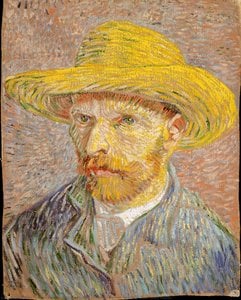
Self Portrait with Straw Hat


 Loe lähemalt
Giclée / Kunstiprint
Muuseumikvaliteediga giclée- või kangasprint kiire tootmisega ja paindlikud viimistlusvõimalused. ( Lülita käsitsi maalatud版本le Vaata pilti)




P118B $10

P118H $10

P118W $10

P438Z $10

P508JH $12

P508YH $12

P805H $10

P805Z $10

P919BZ $10

P919G $10

P919XJ $10

P959ZH $10

P968JZ $12

W106C $8

W218G $10

W218JH $8

W218Y $10

W307PJ $10

W316G $10

W316PJ $8

W316Y $10

W398PJ $8

W4111J $10

W500HY $15

W500JH $15

W692G $12

W849H $8

W940BG $15

W953PJ $8




Vali meie eelmääratud suurused, mis vastavad teose algupärastele proportsioonidele.

Saate sisestada oma mõõdud, et need sobiks konkreetse raami või ruumi sisse. Kui valitud suurus ei vasta originaalteose proportsioonidele, lõigame teose ära või laiendame pilti peegeldatud või ühtlase servaga. Enne tootmisprotsessi algust saadetakse Teie kinnitamiseks digitaalne näidis.
Palun märka, et ekraanil kuvatav eelvaade ei kajasta tegelikku lõigamist või laiendamist. Ainult näidis kujutab täpselt lõplikku kompositsiooni.
Kuigi erimõõdu on saadaval, soovitame originaaproportsioonide säilitamiseks valida mõõt ette määratud nimekirjast.
Ülemaailmne tarne () 2 nädala jooksul, tavalise 4/5 nädala asemel. (9 august)

Tasuta ekspresssaatmine üle maailma

Kõrgekvaliteediline linakangas

Täielik transpordikindlustus

Tollimaksude tagastamise garantii

Värvitoime täpsuse garantii

60-päevane tagastusõig: ainult tootmisdefektide korral

100% raha tagasi garantii

Hulgusoodustus
 Klaasivalik on saadaval ainult suuruses kuni 110 cm

Self Portrait with Straw Hat
Giclée / Kunstiprint
Reproduktsiooni suurus
-


Kogusumma
$ 62
Kogumuse kirjeldus
A Moment Frozen in Light: The Soul of Lovis Corinth
In the quiet intimacy of Self Portrait with Straw Hat, we encounter more than just a likeness; we enter the contemplative mind of one of Germany’s most vital artistic forces. Painted in 1923, toward the twilight of his life, this masterpiece captures Lovis Corinth not as a distant icon, but as a man deeply connected to the sensory world around him. The artist presents himself with a rugged, weathered dignity, his beard and mustache rendered with a tactile realism that invites the viewer to feel the texture of time itself. Clad in a simple straw hat, he stands against a backdrop where the boundaries between humanity and nature begin to blur, creating a scene that is as much about atmosphere as it is about identity.
The composition breathes with a remarkable sense of depth and movement. Behind the central figure, a shimmering body of water—perhaps a serene lake or the vast expanse of an ocean—stretches toward the horizon, reflecting the soft, diffused light of a late afternoon. Scattered figures populate this distant landscape, their presence adding a layer of social vitality to the painting. These small, impressionistic strokes of life suggest a world in motion, yet they remain secondary to the profound stillness radiating from Corinth’s gaze. This juxtaposition between the transient movement of the crowd and the enduring presence of the artist creates a captivating tension that holds the viewer's attention indefinitely.
The Mastery of Impressionistic Expressionism
Technically, this work serves as a breathtaking bridge between the shimmering light of Impressionism and the raw, emotional weight of Expressionism. Corinth’s brushwork is nothing short of virtuosary; he employs a vigorous, almost sculptural application of paint that gives the subject a three-dimensional vitality. One can trace the artist's hand in the way the light catches the weave of the straw hat and the subtle highlights on his facial features. There is a palpable energy in every stroke, a rhythmic quality that suggests the pulse of life itself. This technique does not merely describe a scene; it interprets the emotional temperature of the moment, making the air feel heavy with memory and light.
For the discerning collector or interior designer, this painting offers an unparalleled opportunity to introduce a sense of historical gravity and sophisticated texture into a space. The earthy tones of the portrait, balanced by the cool, reflective blues and silvers of the water, provide a versatile palette that complements both classical and contemporary decor. To hang a high-quality reproduction of this work is to invite a conversation about the human condition—a piece that acts as an anchor of profound character within any room. It is a celebration of the artist's enduring legacy, offering a window into a period of art history where the boundaries of perception were being brilliantly redefined.
Sarnased teosed


Kunstniku elulugu
A Life Forged in Paint: The World of Lovis Corinth
Lovis Corinth, born Franz Heinrich Louis on July 21, 1858, in the Prussian province of East Prussia, was a figure who embodied the tumultuous transition from the 19th to the early 20th-century art world. His journey wasn’t one of immediate acclaim but rather a gradual evolution fueled by relentless study, diverse influences, and ultimately, personal tragedy. Corinth's beginnings were rooted in the rural landscapes of his birthplace, Tapiau, where his father worked as a tanner. This early exposure to the physicality of labor and the raw beauty of nature would subtly permeate his later work, even amidst more sophisticated stylistic explorations. He initially pursued studies at the Academy of Königsberg in 1876, but quickly realized that academic tradition alone wouldn’t satisfy his artistic ambitions. A period of travel followed, taking him to Munich, Antwerp, and finally Paris – each city serving as a crucial stepping stone in his development. In Munich, he absorbed the meticulous realism championed by Ludwig von Löfftz, honing his observational skills and mastering technique. Antwerp introduced him to the dramatic Baroque intensity of Rubens, while Paris exposed him to the burgeoning Impressionist movement, though his initial response was one of cautious observation rather than immediate embrace. Early Influences & Artistic Formation Corinth’s formative years were marked by a profound engagement with the natural world and a fascination for classical art. The landscapes of East Prussia instilled in him a deep appreciation for elemental forces and textural variations—sensations that would find their way into his later paintings. Simultaneously, he immersed himself in the works of Courbet and Rubens, recognizing the importance of confronting uncomfortable truths and mastering expressive brushwork. Courbet’s unflinching realism challenged prevailing artistic conventions, inspiring Corinth to explore subjects deemed taboo by academic circles. Rubens' monumental canvases captivated him with their dynamic composition and masterful use of color—influences that would shape his stylistic vision for decades to come. These early explorations established a foundation for Corinth’s subsequent artistic endeavors, demonstrating his unwavering commitment to technical proficiency and intellectual curiosity. The Impressionist Breakthrough & Synthesis of Styles Corinth's initial encounter with Impressionism proved initially unsettling. He regarded Monet and Renoir’s fragmented brushstrokes and shimmering light effects with skepticism—a reaction typical of artists accustomed to the clarity and precision of academic tradition. However, he soon recognized that Impressionistic principles could enrich his own artistic vocabulary, fostering a more vibrant palette and capturing fleeting moments of sensory experience. Rather than simply replicating Impressionist techniques, Corinth skillfully integrated them into his distinctive style—creating a synthesis that honored both classical influences and modern innovation. This transformative process culminated in the creation of monumental landscapes depicting the Walchensee region—works characterized by their bold colors, dynamic brushwork, and palpable emotional intensity. These paintings stand as testament to Corinth’s artistic genius and represent the apex of his expressive style. A Pivotal Stroke & Artistic Resilience A dramatic turning point arrived in December 1911 when Corinth suffered a debilitating stroke that paralyzed his left side—a tragedy that threatened to derail his career entirely. Faced with insurmountable physical obstacles, he embarked on an arduous journey of rehabilitation—determined to regain the ability to paint and preserve his artistic vocation. With unwavering perseverance and the steadfast support of his wife, Charlotte Berend-Corinth, Corinth painstakingly relearned his technique—adapting to his limitations and refining his expressive style. This period yielded remarkable results—producing paintings imbued with a newfound urgency and authenticity that reflected the profound impact of confronting mortality. He embraced looser brushstrokes and intensified color palettes—anticipating many of the stylistic innovations that would define Expressionism—demonstrating an extraordinary capacity for artistic resilience and transforming personal hardship into creative inspiration. Legacy & Enduring Influence Lovis Corinth’s legacy extends far beyond his impressive oeuvre—spanning across generations of artists and shaping the trajectory of German art history. He served as president of the Berlin Secession from 1915 until his death in 1925—championing progressive artistic ideals and fostering a vibrant creative community that embraced experimentation and challenged conventional norms. Corinth’s influence resonated throughout Expressionist circles—inspiring artists to explore themes of suffering, alienation, and psychological turmoil with uncompromising honesty. His distinctive style—characterized by its bold colors, dynamic brushwork, and emotive intensity—became synonymous with the movement's aesthetic vision. Corinth remains a pivotal figure in German art—a master who bridged two eras and left an indelible mark on artistic culture—continuing to captivate audiences and inspire artists today.Key Works & Their Significance
- In the Slaughterhouse (1878): A starkly realistic depiction of animal carcasses, showcasing Corinth’s early mastery of technique and his willingness to confront unsettling subjects.
- Self-Portrait (various years): A series of self-portraits created annually on his birthday, offering a fascinating chronicle of the artist's evolving self-perception and artistic style. These works reveal a profound introspection and a fearless exploration of identity.
- Female Semi-Nude with Hat (1906): Demonstrates Corinth’s ability to blend classical motifs with impressionistic techniques, creating a sensuous and psychologically compelling portrait.
- Walchensee Series (various years): A collection of landscapes depicting the Walchensee region in Bavaria, characterized by their vibrant colors, dynamic brushwork, and emotional intensity. These paintings represent Corinth’s mature style at its most powerful and expressive.
A Life Forged in Paint: The World of Lovis Corinth
Lovis Corinth, born Franz Heinrich Louis on July 21, 1858, in the Prussian province of East Prussia, was a figure who embodied the tumultuous transition from the 19th to the early 20th-century art world. His journey wasn’t one of immediate acclaim but rather a gradual evolution fueled by relentless study, diverse influences, and ultimately, personal tragedy. Corinth's beginnings were rooted in the rural landscapes of his birthplace, Tapiau, where his father worked as a tanner. This early exposure to the physicality of labor and the raw beauty of nature would subtly permeate his later work, even amidst more sophisticated stylistic explorations. He initially pursued studies at the Academy of Königsberg in 1876, but quickly realized that academic tradition alone wouldn’t satisfy his artistic ambitions. A period of travel followed, taking him to Munich, Antwerp, and finally Paris – each city serving as a crucial stepping stone in his development. In Munich, he absorbed the meticulous realism championed by Ludwig von Löfftz, honing his observational skills and mastering technique. Antwerp introduced him to the dramatic Baroque intensity of Rubens, while Paris exposed him to the burgeoning Impressionist movement, though his initial response was one of cautious observation rather than immediate embrace. Early Influences & Artistic Formation Corinth’s formative years were marked by a profound engagement with the natural world and a fascination for classical art. The landscapes of East Prussia instilled in him a deep appreciation for elemental forces and textural variations—sensations that would find their way into his later paintings. Simultaneously, he immersed himself in the works of Courbet and Rubens, recognizing the importance of confronting uncomfortable truths and mastering expressive brushwork. Courbet’s unflinching realism challenged prevailing artistic conventions, inspiring Corinth to explore subjects deemed taboo by academic circles. Rubens' monumental canvases captivated him with their dynamic composition and masterful use of color—influences that would shape his stylistic vision for decades to come. These early explorations established a foundation for Corinth’s subsequent artistic endeavors, demonstrating his unwavering commitment to technical proficiency and intellectual curiosity. The Impressionist Breakthrough & Synthesis of Styles Corinth's initial encounter with Impressionism proved initially unsettling. He regarded Monet and Renoir’s fragmented brushstrokes and shimmering light effects with skepticism—a reaction typical of artists accustomed to the clarity and precision of academic tradition. However, he soon recognized that Impressionistic principles could enrich his own artistic vocabulary, fostering a more vibrant palette and capturing fleeting moments of sensory experience. Rather than simply replicating Impressionist techniques, Corinth skillfully integrated them into his distinctive style—creating a synthesis that honored both classical influences and modern innovation. This transformative process culminated in the creation of monumental landscapes depicting the Walchensee region—works characterized by their bold colors, dynamic brushwork, and palpable emotional intensity. These paintings stand as testament to Corinth’s artistic genius and represent the apex of his expressive style. A Pivotal Stroke & Artistic Resilience A dramatic turning point arrived in December 1911 when Corinth suffered a debilitating stroke that paralyzed his left side—a tragedy that threatened to derail his career entirely. Faced with insurmountable physical obstacles, he embarked on an arduous journey of rehabilitation—determined to regain the ability to paint and preserve his artistic vocation. With unwavering perseverance and the steadfast support of his wife, Charlotte Berend-Corinth, Corinth painstakingly relearned his technique—adapting to his limitations and refining his expressive style. This period yielded remarkable results—producing paintings imbued with a newfound urgency and authenticity that reflected the profound impact of confronting mortality. He embraced looser brushstrokes and intensified color palettes—anticipating many of the stylistic innovations that would define Expressionism—demonstrating an extraordinary capacity for artistic resilience and transforming personal hardship into creative inspiration. Legacy & Enduring Influence Lovis Corinth’s legacy extends far beyond his impressive oeuvre—spanning across generations of artists and shaping the trajectory of German art history. He served as president of the Berlin Sec
Lovis Kornuth
1858 - 1925 , Saksa
Lühikesed faktid
- Artistic Movement Or Style: Impressionism & Ekspressionism
- Artists Or Movements Influenced By This Artist: ['Ekspressionism']
- Artists Who Influenced This Artist:
- Courbet
- Rubens
- Date Of Birth: July 21, 1858
- Date Of Death: July 17, 1925
- Full Name: Franz Heinrich Louis Corinth
- Nationality: Saksa
- Notable Artworks:
- In the Slaughter House
- Self-Portrait
- Female Semi-Nude
- Place Of Birth: Tauwade, Netherlands
Seotud artiklid

Lovis Corinth: Bridging Impressionism & Expressionism – A Study of Artistic Evolution
Explore the fascinating artistic journey of Lovis Corinth, a pivotal figure bridging Impressionism & Expressionism. Discover his evolution, key works, and lasting impact on modern art with ArtsDot.

Reflecting the Self: A History of Portraiture & Psychological Insight
Explore the fascinating history of self-portraiture from Renaissance masters like Dürer & Rembrandt to modern interpretations. Discover the psychological insights and artistic techniques behind these iconic works. Expert analysis for art enthusiasts.

The Echo of Self: Reflectivity as a Core Theme in Art History & Contemporary Practice
Explore the rich history of self-representation in art, from Renaissance masters to modern innovators. Discover how artists use portraiture to reveal identity, emotion & the depths of the human psyche. Expert insights for collectors.
Impressionistliku Maastiku Tipp 10 Meisterteost: Kunsti ja Disaini Klassika
Avasta impressionistliku maastikukunstiga 10 legendaarset meistriteost! Monet, Renoir jt. värvilised maailmad ja kunstnike lood – ArtsDot.com pakub kaunite kunstide ajaloo klassikat seinakaunistuseks. Uuri kollektsiooni!

Impressionistic Realism's Finest: 10 Masterpieces for Your Home | ArtsDot
Journey through Impressionistic Realism with 10 iconic masterpieces by Monet, Renoir & Van Gogh. Explore art history, techniques & find museum-quality reproductions for your home at ArtsDot.com. Discover all masterpieces online!


