


 Vaata sisu
 Jaga teost
 Jaga
Jaga
 Detailid
 Õppekate juhend

 Laadi alla
 Sarnased teosed
 Röntgenuuring
 Slaidietendus
 Statistika
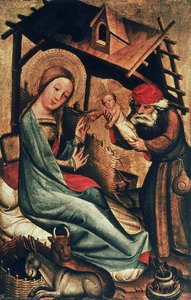
Nativity
 Loe lähemalt
Giclée / Kunstiprint
Muuseumikvaliteediga giclée- või kangasprint kiire tootmisega ja paindlikud viimistlusvõimalused. ( Telli käsitsi maalitud reproduktsioon Ülemineku digitaalse pildi müügi kanalisse)




































Vali meie eelmääratud suurused, mis vastavad teose algupärastele proportsioonidele.

Sisestage vajalik laius ja kõrgus, et see sobiks teie raamile või seinale. Trükki saab ainult lõigata, seda ei saa kunagi pildist suuremaks teha, seega ka differentse vormiga suurus kaotab osa pildist. Enne trükkimist saadame teile kinnitamiseks digitaalse näidisprojektsiooni. Sellel lehel näidatud pilt ei kujuta reaalset lõiget — seda näitab ainult näidisprojekttsioon.
Ülemaailmne tarne () 2 nädala jooksul, tavalise 4/5 nädala asemel. (19 oktoober)

Tasuta ekspresssaatmine üle maailma

Kõrgekvaliteediline lina-kangastest muld

Täielik transpordikindlustus

Tollimaksude tagastamise garantii

Värvitoime täpsuse garantii

100 päeva tagastusõigus (ainult defektide korral)

100% raha tagasi garantii

Hulgusoodustus
 Klaasivalik on saadaval ainult kuni 110 cm suuruses teostes

Nativity
Giclée / Kunstiprint
Reproduktsiooni mõõtmed
-


Lõppsumma
€ 54
Sarnased teosed


Kunstniku elulugu
The Master of the Soft Style
In the vibrant heart of Westphalia, during the turn of the 15th century, Konrad von Soest emerged as a transformative figure in Northern European painting. As the most significant artist of his region, he acted as a vital conduit for the International Gothic movement, bringing the refined elegance of the courtly style to the prosperous Hanseatic city of Dortmund. His work is characterized by what art historians often call the "soft style," a delicate approach that favored graceful, flowing lines and a profound sense of lyrical beauty. Through his mastery of color and narrative, von Soest did more than merely decorate altarpieces; he breathed a new, sophisticated vitality into German religious art, influencing the trajectory of Northern European painting well into the late 15th century.
The artistic language of von Soest was deeply shaped by his exposure to broader European trends. His detailed command of intricate patterns and delicate techniques suggests a formative period spent as a journeyman in Paris, where he likely studied the exquisite details of French illuminated manuscripts. This connection to Parisian elegance, blended with the emerging influences of early Netherlandish painting, allowed him to create works that felt both cosmopolitain and deeply rooted in local devotion. His workshop became a thriving center of creativity, attracting the patronage of Dortmund’s wealthy patrician elite, a social circle that shared his taste for the refined and the magnificent.
A Legacy in Gold and Color
The enduring impact of Konrad von Soest is best witnessed through his surviving masterpieces, which continue to captivate with their luminous depth and emotional resonance. His most celebrated achievement, the Marienaltar located in the Marienkirche in Dortmund, stands as a monumental testament to his skill. This large triptych, completed toward the end of his life, showcases the pinnacle of the International Courtly Style through its masterful use of gilding and rich, vibrant pigments. The altarpiece weaves together narrative scenes from the life of the Virgin Mary with a level of detail that invites both spiritual contemplation and aesthetic wonder.
Beyond the grand scale of his altarpieces, von Soest’s ability to convey profound human emotion is evident in his more intimate works. In pieces such as The Crucifixion, he captures the spiritual anguish and sorrow of the Christian narrative with a meticulousness that transcends mere representation. His talent for layering colors to achieve a sense of light and luminosity is equally present in the Wildunger Altar, where scenes like the Nativity are rendered with a characteristic medieval vibrancy. Whether depicting the tender grace of the Holy Family or the heavy grief of the Passion, von Soest’s hand is unmistakable, marked by an ability to marry the decorative splendor of the Gothic tradition with a deeply moving, humanistic touch.

Konrad Von Soest
1370 - 1422 , Germany
Lühikest infot
- Artistic Movement Or Style: International Gothic
- Artists Or Movements Influenced By This Artist: ['German and Northern European painting']
- Artists Who Influenced This Artist: ['Gentile da Fabriano']
- Full Name: Konrad von Soest
- Notable Artworks:
- Marienaltar
- Wildunger Altar
- The Crucifixion
- Place Of Birth: Dortmund, Germany
- Date Of Birth: 1370
- Date Of Death: 1422