

 Eelvaade
 Saada
Saada Jaga
Jaga
 Teave teose kohta
 Juhend

 Laadi alla
 Sarnased teosed
 Röntgenuuring
 Slaidietendus
 KÜSIMUSED JA VASTUSID
 Statistika
Bathing Time


 Loe lähemalt
Giclée / Kunstiprint
Muuseumikvaliteediga giclée- või kangasprint kiire tootmisega ja paindlikud viimistlusvõimalused. ( Osta käsitsi maalatud teos Lülita digitaalse pildi juurde)




P118B €10

P118H €10

P118W €10

P438Z €10

P508JH €12

P508YH €12

P805H €10

P805Z €10

P919BZ €10

P919G €10

P919XJ €10

P959ZH €10

P968JZ €12

W106C €8

W218G €10

W218JH €8

W218Y €10

W307PJ €10

W316G €10

W316PJ €8

W316Y €10

W398PJ €8

W4111J €10

W500HY €15

W500JH €15

W692G €12

W849H €8

W940BG €15

W953PJ €8




Vali meie eelmääratud suurused, mis vastavad teose algupärastele proportsioonidele.

Sisestage vajalik laius ja kõrgus, et see sobiks teie raamile või seinale. Trükki saab ainult lõigata, seda ei saa kunagi pildist suuremaks teha, seega ka erineva mustega suurus kaotab osa pildist. Enne trükkimist saadame teile kinnitamiseks digitaalse näidisprojektsiooni. Sellel lehel näidatud pilt ei kujuta reaalset lõiget — seda näitab ainult näidisprojektsioon.
Ülemaailmne tarne () 2 nädala jooksul, tavalise 4/5 nädala asemel. (11 november)

Tasuta ekspresssaatmine üle maailma

Kõrgekvaliteediline lina-kangas

Täielik transpordikindlustus

Tollimaksude tagastamise garantii

Värvitoime täpsuse garantii

100 päeva tagastusõigus (ainult valmistusdefektide korral)

100% raha tagasi garantii

Hulgusoodustus
 Klaasivalik on saadaval ainult kuni 110 cm suuruses teostes

Bathing Time
Giclée / Kunstiprint
Reproduktsiooni suurus
-


Koguhind
€ 56
Joaquín Sorolla’s “Bathing Time”: A Symphony of Light and Leisure
“Bathing Time,” a captivating depiction of figures enjoying the Mediterranean Sea, stands as a quintessential example of Joaquín Sorolla’s masterful command of light and his profound connection to the spirit of Spain. Painted during his most prolific period – primarily between 1907 and 1923 – this artwork embodies the artist's signature style: vibrant color palettes, loose brushwork, and an almost palpable sense of movement that captures a fleeting moment of joy and relaxation. Sorolla’s work was deeply influenced by the Spanish *plein air* tradition, demanding direct observation and immediate translation onto canvas. He sought to record not just appearances but also the very essence of light – a characteristic he honed during his extended studies in Rome, absorbing the techniques of classical masters while simultaneously forging his own unique path.
- Subject Matter: The scene unfolds with an abundance of figures engaged in various activities within the sea. Men and women are seen swimming, sunbathing on small boats, and interacting with one another, creating a dynamic tableau of leisure and social connection.
- Technique: Sorolla’s technique is characterized by rapid, confident brushstrokes applied in short, broken touches – a method known as *alla prima*. This approach allowed him to capture the shimmering effects of sunlight on water with remarkable accuracy, producing an illusion of movement and depth that draws the viewer into the scene.
- Color Palette: The painting is dominated by a brilliant palette of blues, greens, yellows, and whites, reflecting the intense Mediterranean light. Sorolla’s use of color isn't merely descriptive; it’s emotionally charged, conveying a sense of warmth, vitality, and optimism.
The Golden Age of Spanish Painting
Sorolla’s work is inextricably linked to the broader context of Spanish art at the turn of the 20th century – a period often referred to as the “Golden Age” of painting. This era witnessed a resurgence of interest in classical themes and techniques, coupled with a renewed emphasis on capturing the beauty of the Spanish landscape and its people. Sorolla’s success was partly due to his ability to synthesize these influences while maintaining a distinctly personal style. He was part of a group of artists who championed *plein air* painting, rejecting the studio tradition in favor of direct observation and working outdoors – a revolutionary approach at the time.
His connection to Valencia, his birthplace, is deeply felt within his work. The light, the atmosphere, and the rhythms of life along the Mediterranean coast are all powerfully rendered, offering a glimpse into the soul of Spain. Sorolla’s paintings were not simply representations of reality; they were celebrations of Spanish culture and identity.
Symbolism and Emotional Impact
Beyond its technical brilliance, “Bathing Time” resonates with profound symbolic meaning. The act of bathing itself is a ritualistic one, representing purification, renewal, and connection to nature – themes that recur throughout Sorolla’s oeuvre. The figures in the painting are not merely individuals; they embody a sense of community, joy, and freedom. The umbrella, strategically placed, adds another layer of visual interest and subtly reinforces the theme of protection from the sun's intensity, mirroring life's challenges.
Sorolla’s ability to evoke such strong emotions through his paintings is remarkable. “Bathing Time” possesses a palpable sense of warmth, energy, and optimism – qualities that have captivated viewers for over a century. It invites us to step into the scene, feel the sun on our skin, and share in the simple pleasures of life.
A Legacy of Light
Joaquín Sorolla’s legacy extends far beyond his individual paintings. He established himself as one of Spain's most important artists of the early 20th century, influencing generations of painters who followed. His work continues to be admired for its technical mastery, emotional depth, and enduring appeal. A hand-painted reproduction of “Bathing Time” offers a unique opportunity to experience the full power of Sorolla’s vision – a timeless celebration of light, leisure, and the beauty of the Spanish coast.
Korduvad küsimused
Milline on teose „Bathing Time“, autor Joaquín Sorolla Y Bastida emotsionaalne toon?
Teos "Bathing Time" on seotud Romantic tundega. Emotsionaalne toon kirjeldab teose tekitavat muljet.
Kas teosele "Bathing Time" on saadaval lisatud reaalsete elementidega (AR) eelvaade?
Teost „Bathing Time“, autor Joaquín Sorolla Y Bastida saab omaenda seinal eelvaatata teose AR-eelvaade teose kohta lehe abil, kasutades ühendataval seadmel täiendatud reaalсust.
Kust teose „Bathing Time“, autor Joaquín Sorolla Y Bastida külastajad pärit on?
Teose "Bathing Time" jaoks on olemas Statistika leht. See kajastab teose ja kunstniku teiste teoste kuutlikke külastusi riigi ja keele järgi lahutatud statistikaga.
Sarnased teosed


Sarnased artiklid
Impressionistliku Maastiku Tipp 10 Meisterteost: Kunsti ja Disaini Klassika
Avasta impressionistliku maastikukunstiga 10 legendaarset meistriteost! Monet, Renoir jt. värvilised maailmad ja kunstnike lood – ArtsDot.com pakub kaunite kunstide ajaloo klassikat seinakaunistuseks. Uuri kollektsiooni!
Transforming Spaces: A Comprehensive Exploration of Wall Decor Through Art History & Contemporary Practice
Explore the art of transforming spaces with our comprehensive guide to wall decor. From historical movements to contemporary trends, discover how to curate impactful interiors and commission bespoke artwork for a truly personalized aesthetic.

Echoes of Time: Exploring the Enduring Appeal & Historical Context of Vintage Art Prints
Explore the captivating world of vintage art prints! Discover their history, collecting tips & enduring appeal. Expert insights on chromolithography and building a legacy collection with ArtsDot.

Giclée Prints: Archival Quality & Aesthetic Nuances for the Discerning Collector
Explore the world of giclée prints with ArtsDot. Learn about archival quality, aesthetic nuances & investment potential. Expert guidance for discerning art collectors seeking museum-quality reproductions and lasting value.
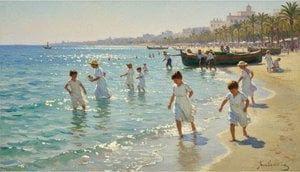
Joaquín Sorolla: Capturing Spanish Light & Life – A Legacy of Impressionism
Explore the luminous world of Joaquín Sorolla, Spanish master of Impressionism. Discover his life, techniques & legacy – a guide for art collectors and enthusiasts. Invest in timeless beauty.


