

- 78.0 x 98.0 cm


Teos järgib teie valikuid: , .
Kogumisobjekti kirjeldus
Explore Jan Toorop's Symbolist masterpiece, The Three Brides (1893), featuring intricate lines and deep psychological themes; discover this vision today.
 Loe lähemalt
Kunstniku elulugu
Discover Jan Toorop (1858-1928), a Dutch Symbolist painter known for his unique blend of Javanese motifs, Art Nouveau lines, and Pointillism. Explore his captivating works reflecting mysticism, social commentary, and religious themes.
Käsitsi valmistatud õlimaalireproduktsioon
Meie kunstnike poolt tellimusel valmistatud käsitsi maalitud õli-kainaste teos teie soovitud suuruses ja raamis. ( Lülita trükkitoodetele Lülita digitaalse pildi juurde)
Lisateavet selle maali kohta
 Eelvaade
 Saada
Saada Jaga
Jaga
 Teave teose kohta
 Juhend

 Laadi alla
 Sarnased teosed
 Röntgenuuring
 Slaidietendus
 KÜSIMUSED JA VASTUSID
 Statistika
Tellige oma maali neljas lihtsas sammus
Ärge kiirustage. Saate igal hetkel vastuseid muuta; tellimuskarril kuvatav hind muutub vastavalt tehtud valikutele.
1 Esimene samm neljast
Millist suurust soovite?
Need suurused säilitavad originaalteose proportsioonid. Joonis näitab teie valikut seina küljel, kaheMeetise diivani kohal.
Või sisesta oma mõõdud
Vali meie eelmääratud suurused, mis vastavad teose algupärastele proportsioonidele.

Sisestage vajalik laius ja kõrgus, et teos sobiks teie raamile või seinale. Kuna tegu on käsipainatud teosega, siis erineva kujuga suuruse korral võib kunstnik jätta pildi ümber veidi rohkem marginaali või lõigata osa ära — valik on teie. Enne maali alustamist saadame teile kinnitamiseks digitaalse näidisprojektsiooni. Sellel lehel näidatud pilt ei kajasta tegelikku tulemust — seda näitab ainult näidisprojektsioon.
2 Teine samm neljast
Kuidas see peaks valmistatud olema: rullitud, pingutatud või raamitud?
Alljadevad hinnad kehtivad esimeses sammus valitud suuruse kohta.
Vali pingutatud kanga servade stiil
Vali oma raam

Valge serv €1

häguse servaga lõppviimistlus €1

Laiendatud €1

P118B €10

P118H €10

P118W €10

P438Z €10

P508JH €12

P508YH €12

P805H €10

P805Z €10

P919BZ €10

P919G €10

P919XJ €10

P959ZH €10

P968JZ €12

W106C €8

W218G €10

W218JH €8

W218Y €10

W307PJ €10

W316G €10

W316PJ €8

W316Y €10

W398PJ €8

W4111J €10

W500HY €15

W500JH €15

W692G €12

W849H €8

W940BG €15

W953PJ €8

H24-GOLD €30

H24-SILVER €30

H36-GOLD €45

H36-SILVER €45
Raamitud
Kujund: . Kogumõõt koos raamiga: .
3 Kolmandas sammis neljast
Kas soovite maalis midagi muuta?
Enamik inimesi vastab ei. Kuna iga maali on käsitsi valmistatud, saab meie kunstnik seda ka teie soovidega kohandada.
Pärast tellimust saadetab ArtsDot.com meeskond klientile e-posti juhised ning esitab ette tasandatud eelvaate
4 Neljas samm neljast
Mõned lõppviimistlusvõimalused
Kõik need on valimiste korral vabatahtlikud. Juba valitud vastustele ei rakendu täiendav kulu.
Kes selle maalis?
Maailmline tarne 3–4 nädala jooksul tavalise 5 nädala asemel. (13 november). Kvaliteedis kompromisse ei tehta.
Nimetelis, nagu muuseumis?
Graveeritud pronksplaadi üksikasjad
This elegant plaque features the artist's name and the title of the artwork, finely engraved for a timeless presentation.
It is made from bronze with a refined, elegant finish. The text is precisely laser-engraved for a sharp and permanent result. Measuring 9x2 cm, the plaque is compact yet easy to read. It's built to be durable and scratch-resistant, offering a professional, museum-quality look. Mounting is simple thanks to the included adhesive backing.
Läbipaistva akrüülplaadi üksikasjad
The plaque includes essential engraved details such as the artist's name, the title of the artwork, the date it was created, the type of media used-like oil on canvas or watercolor-a brief description of the piece, and a QR code that links to the complete artwork information.
It is crafted from clear acrylic, offering a sleek, modern appearance. The text is UV-engraved in black to ensure strong visual contrast. With a size of 10x15 cm, it ensures optimal readability. It comes equipped with two metal hooks for secure wall mounting. The plaque is designed to be weather-resistant, making it suitable for various environments, and it includes interactive features that work seamlessly with smartphone scanning.
Musta akrüülplaadiรายละเอียด (Note: The user provided "Musta akrüülplaadi detailid" as the current translation and asked for an improved version. Since "Musta akrüülplaadi
This elegant plaque includes engraved information such as the artist's name, the title of the artwork, the date it was created, the type of media used (like oil on canvas or watercolor), a short description of the artwork, and a QR code for quick access to more information.
The plaque itself is made from refined black acrylic with a premium finish. The text is laser-engraved in white for high contrast and readability. Its size is 10x15 cm, designed to be easy to read. It comes with two metal hooks for professional mounting. The design is sleek and fits any interior style. It is also weather-resistant and durable, with built-in digital integration for mobile compatibility.
Kaitsev lakikih?
Millal te seda vajate?
✓ Kontrolli ja telli
Teie maalid vastavalt tellimusele

The three brides
Reproduktsiooni tehnika
Reproduktsiooni suurus
-

Eelistatud tippkunstnik
Rohkem detaile, peenust ja lisatootmisaega
-

Reproduktsiooni raamivalikud
-
-
Kunstiteoste või reproduktsioonide puhul, mille üks külg on üle 105 cm (umbikmolt 41 tolli), saadetakse raam kirjal asendis, la Dismantlitud komplektina. See meetod tagab ohutuse kohaletoimetamisel ja väldib transpordil tekkivaid kahjustusi.
Vajalik professionaalne kokkupanek – see ei ole isetegevusega valmistamiseks mõeldud toode.
Komplekt tuleb kokku panna ja lõvet pingutada kogemusega professionaalse raamija, kasutades puiduliim (ei kuulu komplekti), lõvetpingi ja klempe, et hoida raami kande mustad õigena liimi kuivamisaja jooksul. Vale kokkupanek või ebaühtlane lõvetping võib kunstiteost püsivalt kahjustada ning seda
 Kunstiteoste või reproduktsioonide puhul, mille üks külg on üle 105 cm (umbikmolt 41 tolli), saadetakse raam kirjal asendis, la Dismantlitud komplektina. See meetod tagab ohutuse kohaletoimetamisel ja väldib transpordil tekkivaid kahjustusi.
Kaasatud on kõik tahked puidust liistud, täpselt lõigatud vastavaks suuruseks.
Kokku panemiseks kasutatakse lisatud kruvisid ning nurkade liimamiseks vajalikku puuliima, mida ei ole komplektis ja mida peab raamivalmistaja ise hankima.
Vajalik on kasutada professionaalseid tööriistu, mis ei kuulu komplekti: lõvetelapide pingist (pingutaja) ja klambreid, et hoida raami puidu nurgas õigena liimi kuivamisaja jooksul.
Oluline:
Nurgaliimamiseks on vaja puiduliim, liimimine peab toimuma klempide all kuni liim on täielikult kuivanud ning kokku monteeritud raami kanga pingutamiseks on vajalik kanga pingutustang. Kumbki neist ei kuulu komplekti. Palun veenduge enne selle suuruse tellimist, et teil on saadaval kogenud professionaalne raamistaja.

Nimesildikiri
-
-

Kaitsevärnitsus
Läikiv lakk (muudab värvid elavamaks ning kaitseb valgust ja niiskust eest)
-

Kohanda oma teost
Näiteid muudatuste kohta: Asenda nägu kliendi fotoga; Lisa lemmikloom (nt asenda kass koeraga); Lisa taustale peidetud sõnum; Muuda tausta maastikku või elemente.
-

Kiire tarne
Ülemaailmne tarne riiki 3–4 nädalaga tavalise 5 nädala asemel. (13 november). Kvaliteedis kompromisse ei tehta.
-
Kiirsaatmine
Ülemaailmne tarne () 5 nädala jooksul. (20 november).
Sisse kuuluv
Koguhind
€ 235
Klaasivalik on saadaval ainult kuni 110 cm suuruses teostes
Säli iga tellimusega
- Tasuta ekspresssaatmine üle maailma
- Kõrgekvaliteediline lina-kangas
- Täielik transpordikindlustus
- Tollimaksude tagastamise garantii
- Värvitoime täpsuse garantii
- 100 päeva tagastusõigus (ainult valmistusdefektide korral)
- 100% raha tagasi garantii
- Hulgusoodustus


Jan Toorop’s “The Three Brides”: A Symbolist Exploration of Choice and Desire
Jan Toorop (1858–1928), a Dutch painter who defied convention and forged his own distinctive path within the artistic landscape of the late nineteenth century, stands as a pivotal figure in Symbolism—a movement that sought to transcend mere representation and delve into the realm of psychological introspection. “The Three Brides,” completed in 1893, exemplifies Toorop’s signature style: dynamic lines inspired by Javanese motifs interwoven with stylized willow figures and intricate curvilinear designs—a bold departure from Impressionistic realism and a testament to his unwavering fascination with Eastern aesthetics blended seamlessly with Western artistic innovation.
Historical Context & Influences
Symbolism emerged as a reaction against the materialism and scientific rationalism prevalent in Victorian society. Artists like Toorop rejected literal depiction, prioritizing instead the conveyance of inner emotions and spiritual truths. The movement drew heavily from Nietzschean philosophy—particularly the concept of Will to Power—and embraced esoteric traditions, including Kabbalah and Tarot. Toorop’s exposure to these influences profoundly shaped his artistic vision, informing his preoccupation with themes of duality, sacrifice, and transcendence.
Composition & Technique
“The Three Brides” is rendered in monochrome—a deliberate choice that underscores its symbolic significance. Toorop employs a Pointillist technique—applying tiny dots of color to create an optical illusion of texture and luminosity—resulting in a surface shimmering with subtle hues. The composition itself is carefully constructed, featuring three women positioned against a backdrop of stylized willow trees and a choir singing about the dangers awaiting the bride. The central figure dominates the canvas, embodying innocence and spiritual aspiration, while her counterparts represent earthly desire and evil.
Symbolism & Interpretation
The painting operates on multiple levels of symbolic interpretation. The Madonna-like woman on the left symbolizes piety and abstinence—the pursuit of divine grace. Conversely, the woman on the right embodies sensual indulgence and demonic influence—representing the antithesis of spiritual purity. The string of skulls adorning her chest serves as a stark reminder of mortality and the inevitability of suffering. The handmaidens bearing bells and lilies symbolize fertility and rebirth, highlighting the overarching theme of choice: the bride must decide between embracing asceticism or succumbing to worldly temptations.
Emotional Impact & Legacy
"The Three Brides" resonates with viewers through its exploration of fundamental human dilemmas—the conflict between spiritual aspiration and sensual desire. Toorop’s masterful use of line and color creates a palpable sense of tension and drama, capturing the psychological complexities inherent in the female experience. Considered one of Toorop's most ambitious works, it continues to inspire artists and scholars alike, cementing his place as a pioneer of Symbolist vision and a champion of artistic innovation.
Korduvad küsimused
Millist meeleheust väljendab teos „The three brides“, autor Jan Toorop suunatud stiilis Symbolist Painting?
"The three brides" kannab endas Mysterious emotsionaalset toonist, mis on omane Symbolist Painting suunale.
Milline värv on teoses "The three brides" kõige silmapaistvam?
Teose „The three brides“, autor Jan Toorop domineeriv värv on Clay (#8b6d42).
Mis on soovitatav trükimõõt teosele "The three brides"?
Teosele „The three brides“, autor Jan Toorop on soovitatav printida suuruses Medium. Suurust saab muuta, säilitades samal ajal proportsioonid.
Sarnased teosed


Jan Toorop
1858 - 1928, Indonesia
Kunstniku elulugu
A Tapestry of East and West: The Visionary World of Jan Toorop
Johannes Theodorus Toorop, known to the world as Jan Toorop, was an artist whose soul seemed to exist in the delicate space between continents. Born in 1858 in Purworejo, on the lush island of Java in the Dutch East Indies, his early years were steeped in the vibrant cultural textures of Indonesia. This foundational connection to the East would later become the heartbeat of his most profound works. As a child, he moved from the island of Bangka to the bustling streets of Batavia, before eventually embarking on a transformative journey to the Netherlands in 1869. This migration was more than a change of geography; it was the beginning of a lifelong artistic dialogue between the rhythmic, calligraphic traditions of his birthplace and the burgeoning avant-garde movements of Europe.
Toorop’s formal education in Delft and Amsterdam provided him with a rigorous classical foundation, yet his spirit remained restless, seeking something far beyond mere academic realism. During his time at the Rijksakademie, he was exposed to the shimmering light of Impressionism, an influence that initially colored his early canvases with a soft, atmospheric quality. However, as he matured, Toorop began to move away from the objective recording of light and toward a deeper, more psychological exploration of the human condition. His encounter with the Belgian painter William Degouve de Nuncques proved to be a pivotal moment, sparking a collaborative energy that would lead him into the heart of the Symbolist movement.
The Language of Lines and Symbolism
By the 1880s, Toorop had emerged as a leading figure in the Symbolist circle, joining influential groups such as L'Essor and Les XX in Brussels. It was during this period that his signature style truly began to crystallize—a breathtaking synthesis of disparate worlds. He moved away from the fleeting moments of Impressionism toward a more structured, yet intensely emotive, aesthetic. His work became characterized by long, sinuous, and unpredictable lines that seemed to dance across the canvas with a life of their and. These curvilinear designs were not merely decorative; they were deeply rooted in Javanese motifs and calligraphy, lending his paintings an almost hypnotic, rhythmic quality.
In this Symbolist phase, Toorop utilized highly stylized, willow-like figures to convey profound spiritual and psychological states. His canvases became landscapes of the mind, where mysticism and social commentary intertwined. He explored themes of religious devotion, mortality, and the subconscious, often using intricate patterns to create a sense of enclosure or infinite expansion. This period saw him experimenting with various techniques, including Pointillism and Neo-Impressionism, yet he always maintained that unique, flowing line that made a Toorop masterpiece instantly recognizable. His ability to blend the decorative elegance of Art Nouveau with the heavy emotional weight of Symbolism allowed him to capture the anxieties and aspirations of a changing fin de siècle Europe.
Legacy and Artistic Significance
The breadth of Jan Toorop’s career is a testament to his refusal to be confined by a single movement. He navigated through Realism, Impressionism, and Symbolism with the grace of a master weaver, constantly pulling new threads into his creative tapestry. His later years, spent in places like Domburg, saw him working alongside other luminaries such as Piet Mondrian, proving that his influence extended into the very foundations of modern abstraction. While his work often touched upon the mystical and the religious, it remained grounded in a profound humanism, reflecting the complex social shifts of the late nineteenth and early twentieth centuries.
Today, Toorop is remembered not just as a Dutch painter, but as a pioneer of a truly global aesthetic. His legacy lies in his successful bridge-building:
- Cultural Synthesis: He seamlessly integrated Eastern Javanese aesthetics with Western European modernism.
- Stylistic Versatility: His mastery over diverse techniques, from the delicate dots of Pointillism to the bold strokes of Art Nouveau.
- Emotional Depth: His ability to use decorative line and form to communicate complex psychological and spiritual truths.
Sarnased artiklid
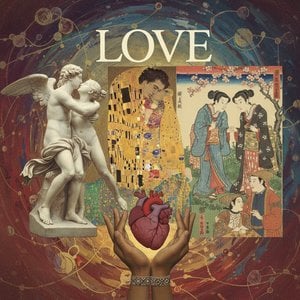
The Enduring Motif of Love in Art History: A Cross-Cultural Exploration of Representation and Emotion
Explore the rich history of love in art! Discover iconic masterpieces, artistic techniques & cultural symbolism from antiquity to modern times. Expert analysis for collectors.

Oil on Canvas: A Historical & Technical Exploration of a Timeless Artistic Medium
Explore the rich history & enduring techniques of oil painting on canvas. Discover the science behind its longevity, conservation practices, and contemporary relevance. Expert insights for art enthusiasts.
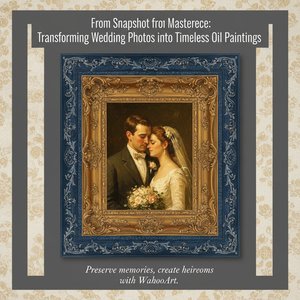
From Snapshot to Masterpiece: Transforming Wedding Photos into Timeless Oil Paintings
Transform your cherished wedding photos into stunning, heirloom-quality oil paintings. Our skilled artists create bespoke portraits that capture the emotion & legacy of your special day. Discover the art of preserving memories with ArtsDot.