


 Vaata sisu
 Jaga teost
 Jaga
Jaga
 Detailid
 Õppekate juhend

 Laadi alla
 Sarnased teosed
 Röntgenuuring
 Slaidietendus
 Statistika
Stańczyk
 Oil On Canvas
- WallArt
- Romanticism
 1862
1862- 19th Century
 88.0 x 120.0 cm
 Muzeum Narodowe
 Loe lähemalt
Giclée / Kunstiprint
Muuseumikvaliteediga giclée- või kangasprint kiire tootmisega ja paindlikud viimistlusvõimalused. ( Telli käsitsi maalitud reproduktsioon Ülemineku digitaalse pildi müügi kanalisse)




P118B €10

P118H €10

P118W €10

P438Z €10

P508JH €12

P508YH €12

P805H €10

P805Z €10

P919BZ €10

P919G €10

P919XJ €10

P959ZH €10

P968JZ €12

W106C €8

W218G €10

W218JH €8

W218Y €10

W307PJ €10

W316G €10

W316PJ €8

W316Y €10

W398PJ €8

W4111J €10

W500HY €15

W500JH €15

W692G €12

W849H €8

W940BG €15

W953PJ €8




Vali meie eelmääratud suurused, mis vastavad teose algupärastele proportsioonidele.

Sisestage vajalik laius ja kõrgus, et see sobiks teie raamile või seinale. Trükki saab ainult lõigata, seda ei saa kunagi pildist suuremaks teha, seega ka differentse vormiga suurus kaotab osa pildist. Enne trükkimist saadame teile kinnitamiseks digitaalse näidisprojektsiooni. Sellel lehel näidatud pilt ei kujuta reaalset lõiget — seda näitab ainult näidisprojekttsioon.
Ülemaailmne tarne () 2 nädala jooksul, tavalise 4/5 nädala asemel. (21 oktoober)

Tasuta ekspresssaatmine üle maailma

Kõrgekvaliteediline lina-kangastest muld

Täielik transpordikindlustus

Tollimaksude tagastamise garantii

Värvitoime täpsuse garantii

100 päeva tagastusõigus (ainult defektide korral)

100% raha tagasi garantii

Hulgusoodustus
 Klaasivalik on saadaval ainult kuni 110 cm suuruses teostes

Stańczyk
Giclée / Kunstiprint
Reproduktsiooni mõõtmed
-


Lõppsumma
€ 54
A Portrait of Solitude and National Soul
In the quiet, heavy atmosphere of Jan Matejko’s 1862 masterpiece, Stańczyk, one does not merely encounter a portrait, but a profound psychological landscape. The painting presents us with the legendary court jester, not in the midst of a comedic performance or a moment of levity, but captured in a state of deep, melancholic introspection. Seated alone amidst the opulence of a grand interior, his hands are tightly clasped, and his gaze wanders toward an unseen horizon, heavy with the weight of foreknowledge. This is not the face of a fool, but that of a visionary—a man who perceives the gathering shadows of political decline while those around him remain lost in the festivities of the moment.
The composition is a masterclass in Romantic Grandeur, where every element serves to heighten the emotional tension. Matejko utilizes a striking color palette dominated by the vibrant, commanding crimson of Stańczyk’s robe. This deep red acts as the visual heartbeat of the canvas, symbolizing both the resilience of the Polish spirit and the simmering passion of a man burdened by duty. The brilliance of this hue is set against a backdrop of somber, shadowy drapery and muted tones, creating a chiaroscuro effect that pulls the viewer’s eye directly into the sitter's contemplative expression. Through his expert use of impasto, Matejko breathes life into the fabric; the thick, textured layers of paint give the heavy velvet of the cloak a palpable weight, making the physical presence of the figure feel almost overwhelming.
Historical Echoes and Symbolic Depth
To understand Stańczyk is to understand the heartbeat of 19th-century Poland. Painted during a period of profound national mourning following the territorial losses of the Austro-Prussian War, the work serves as a silent, powerful protest. The setting—a scholarly and courtly environment suggested by the presence of manuscripts and fine furniture—contrasts sharply with the internal turmoil of the protagonist. While figures in the distant background appear engaged in the trivialities of social life, Stańczyk remains isolated by his wisdom. He embodies the "intellectual's burden," representing a nation that possesses the dignity and history to endure, yet faces an uncertain, fragmented future.
For the discerning collector or interior designer, this painting offers more than mere decoration; it provides a focal point of intellectual and emotional gravity. The meticulous attention to detail—from the intricate patterns on the floor to the subtle light reflecting off the scholarly documents—makes it an ideal centerpiece for spaces that demand character and narrative depth. Whether placed in a private library or a sophisticated contemporary salon, a high-quality reproduction of this work brings with it an aura of historical importance and a timeless conversation about resilience, wisdom, and the enduring strength of the human spirit.
Küsimused ja vastused
Kuidas teos "Stańczyk" tõmbab korduvalt välja valgus ja pimendus?
Teose „Stańczyk“, autor Jan Matejko eregus on deep_shadow ja luminants on Dark.
Millist tooni suundub "Stańczyk"?
Teose „Stańczyk“, autor Jan Matejko domineeriv toon on Warm Sunset Tones. See toon on paleti alusvärv.
Millist atmosfääri teevad „Stańczyk“, autor Jan Matejko sisekujundusse?
Teose „Stańczyk“, autor Jan Matejko Romantic atmosfäär sobib ideaalselt selle soovituslikku ruumi: Living Room.
Sarnased teosed


Kunstniku elulugu
Varajane elu ja haridus
Jan Alojzy Matejko, tuntud poola maalikunstnik, sündis 24. juunil 1838 Krakovis, Poolas. Tema isa, Franciszek Ksawery Matejko, oli tšehhi päritolu õpetaja ja muusikapedagoog. Jani varajast elu mõjutasid Krakówi revolutsioon 1846. aastal ning 1848. aasta Austria vägede piiramine Krakovis – sündmused, mis hiljem tema kunstilisi teemasid mõjutasid. Matejko käis St. Anna gümnaasiumis, kuid katkestas õpingud 1851. aastal kehvade hinnete tõttu. Siiski näitas ta varakult erakordset andekust kunsti alal. Ta õppis Krakówi Kunstikoolis aastatel 1852–1858, spetsialiseerudes ajaloo maalimisest Wojciech Korneli Stattleri ja Władysław Łuszczkiewiczi juhendamisel.Kunstiline karjäär
Matejko esimene suurem teos, Tsaar Shuysky Zygmunt III ees, valmis 1853. aastal. Ta hakkas oma ajaloo maalide näitusi korraldama Krakówi Sõprade Seltsis alates 1855. aastast. Tähelepanuväärsed teosed hõlmavad:- Rejtan (1866): suur õlimaal lõuendil, mis kujutab poola ajaloos olulist hetke.
- Lublini unioon (1869): oluline teos, mis näitab Matejko oskust ajaloolisi sündmusi tabada.
- Grunwaldi lahing (1878): meistriteos, mis rõhutab tema võimet edasi anda lahingute intensiivsust.
Muuseumi panus ja pärand
Matejko elas enamasti Krakówis, saades lõpuks direktoriks Jan Matejko Kunstiakadeemias, varem tuntud kui Krakówi Kunstiakadeemia. Tema õpilaste hulka kuulusid silmapaistvad maalikunstnikud nagu Maurycy Gottlieb, Jacek Malczewski, Józef Mehoffer ja Stanisław Wyspiański. Tähelepanuväärsed teosed ArtsDot’is:- Jan Matejko: Varna (romantism)
- Jan Matejko: Still Life (romantism)
- Jan Matejko: Lublini unioon (298 x 512 cm, romantism, õlimaal lõuendil)
Mõjud ja areng
Matejko varasele loomingule avaldasid mõju barokk-stiilis maalid, eriti need, mida ta nägi Krakówi Waweli lossis. Tema hilisemad teosed näitasid selget romantismiliikumise mõju, rõhutades dramaatilisi kompositsioone, intensiivseid värve ja ajalooliste sündmuste emotsionaalset väljendamist. Ta oli sügavalt seotud Poola rahvusliku identiteedi ja vabaduse ideedega, mis kajastusid tema maalide teemades. Matejko püüdis oma töödes tabada poola ajaloo keerukust ja traagikat, rõhutades kangelaslikkust ja ohverdusi. Tema loomingut iseloomustab detailirohkus, realistlikud kujutised ja suurepärane kompositsioonikunst. Ta kasutas sageli monumentaalset formaati, et luua muljetavaldavaid ja võimsaid teoseid, mis pidid äratama rahvuslikku uhkust ja vaimu.Viited:
Avastades Muzeum Narodowe Krakówi meistriteoseid, Poolas (wikipedia.org)
Jan Matejko
1838 - 1893 , Eesti
Lühikest infot
- Artistic Movement Or Style: Romantism
- Artists Or Movements Influenced By This Artist: ['Maurycy Gottlieb']
- Artists Who Influenced This Artist:
- Wojciech Stattler
- Władysław Łuszczkiewicz
- Date Of Birth: 24. juuni 1838
- Date Of Death: 1. november 1893
- Full Name: Jan Alojzy Matejko
- Nationality: Poolane
- Notable Artworks:
- Grunwaldi lahing
- Lublini unioon
- Place Of Birth: Kraków, Poola
Sarnased artiklid

Jan Matejko: Historical Narrative & National Identity in 19th-Century Polish Painting
Explore the powerful historical paintings of Jan Matejko, Poland's national artist. Discover his iconic works & learn how he shaped Polish identity in the 19th century. High-quality reproductions available.

Oil on Canvas: A Historical & Technical Exploration of a Timeless Artistic Medium
Explore the rich history & enduring techniques of oil painting on canvas. Discover the science behind its longevity, conservation practices, and contemporary relevance. Expert insights for art enthusiasts.
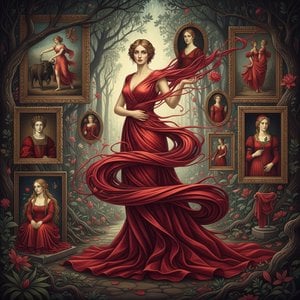
Crimson Threads of Narrative: Exploring Symbolism & Representation in Artworks Featuring the Red Dress
Explore the rich symbolism of the red dress in art history! From ancient power displays to iconic portraits like Cézanne’s 'Madame Cezanne', discover the cultural and artistic significance behind this captivating color. Expert analysis & insights.

The Enduring Power of Painting: A Historical & Contemporary Exploration of Form and Emotion
Explore the rich history & enduring techniques of oil painting with ArtsDot. Discover masterpieces, learn about art collecting, and find authentic handmade reproductions crafted by skilled artists.

The Enduring Legacy of Oil on Canvas: Technique, History & Aesthetic Impact
Explore the rich history & techniques of oil painting – from Renaissance masters to Impressionism. Discover pigments, layering methods, and why this timeless medium endures. Expert insights for artists & art enthusiasts.

