


 Vaata sisu
 Jaga teost
 Jaga
Jaga
 Detailid
 Õppekate juhend

 Laadi alla
 Sarnased teosed
 Röntgenuuring
 Slaidietendus
 Statistika
Delivering a Calf
 Acrylic On Canvas
- WallArt
- Romantic Landscape
 13.0 x 19.0 cm
 Yale Center for British Art
 Loe lähemalt
Käsitsi valmistatud õlimaalireproduktsioon
Meie kunstnike poolt tellimusel valmistatud käsitsi maalitud õli-kainaste teos teie soovitud suuruses ja raamis. ( Lülita trükkitoodetele Ülemineku digitaalse pildi müügi kanalisse)




P118B €10

P118H €10

P118W €10

P438Z €10

P508JH €12

P508YH €12

P805H €10

P805Z €10

P919BZ €10

P919G €10

P919XJ €10

P959ZH €10

P968JZ €12

W106C €8

W218G €10

W218JH €8

W218Y €10

W307PJ €10

W316G €10

W316PJ €8

W316Y €10

W398PJ €8

W4111J €10

W500HY €15

W500JH €15

W692G €12

W849H €8

W940BG €15

W953PJ €8




Vali meie eelmääratud suurused, mis vastavad teose algupärastele proportsioonidele.

Sisestage vajalik laius ja kõrgus, et teos sobiks teie raamile või seinale. Kuna tegu on käsipainatud teosega, siis erineva kujuga suuruse korral võib kunstnik jätta pildi ümber veidi rohkem marginaali või lõigata osa ära — valik on teie. Enne maali alustamist saadame teile kinnitamiseks digitaalse näidisprojektsiooni. Sellel lehel näidatud pilt ei kajasta tegelikku tulemust — seda näitab ainult näidisprojekttsioon.
Pärast tellimust saadab ArtsDot.com meeskond kliendile e-posti juhised ning esitab eelvaate kavandi
Maailmline tarne 3–4 nädala jooksul tavalise 5 nädala asemel. (27 oktoober). Kvaliteedis kompromisse ei tehta.

Tasuta ekspresssaatmine üle maailma

Kõrgekvaliteediline lina-kangastest muld

Täielik transpordikindlustus

Tollimaksude tagastamise garantii

Värvitoime täpsuse garantii

100 päeva tagastusõigus (ainult defektide korral)

100% raha tagasi garantii

Hulgusoodustus
 Klaasivalik on saadaval ainult kuni 110 cm suuruses teostes

Delivering a Calf
Reproduktsiooni materjal
Reproduktsiooni mõõtmed
-


Lõppsumma
€ 231
James Ward: A Pioneer of Romantic Animal Painting
James Ward (1769–1859) stands as a significant figure in British art history—a painter whose distinctive approach to animal subjects and landscapes cemented his place within the burgeoning Romantic movement. Often overshadowed by more celebrated contemporaries like Turner and Constable, Ward’s unwavering dedication to observation and meticulous execution yielded works of remarkable beauty and psychological depth that continue to resonate with audiences today. His contribution wasn't merely prolific; it was transformative in establishing a new aesthetic standard for portraying the natural world.A Brother’s Influence: Early Artistic Training
Born into a family steeped in artistic tradition—his brother William Ward being a renowned engraver—James Ward benefited from an environment that fostered creativity and encouraged self-directed learning. While formal training provided foundational skills, Ward's artistic development was primarily shaped by immersing himself in the landscapes of Warwickshire and Gloucestershire, meticulously studying animal behavior and capturing their essence with unparalleled accuracy. This formative experience instilled within him a profound respect for nature’s complexities and would become a cornerstone of his artistic vision. Notably, his initial style mirrored that of George Morland, reflecting the prevailing genre conventions of the time—scenes depicting rural life and domestic interiors—a stylistic choice indicative of Ward's careful consideration of artistic trends.The Romantic Vision: Gordale Scar and Beyond
Around 1803, Ward’s artistic trajectory decisively shifted toward a more emotionally charged aesthetic, aligning fully with the ideals of Romanticism. This pivotal moment saw him embark on his most ambitious project—the monumental depiction of Gordale Scar—a dramatic landscape featuring towering cliffs and turbulent waters. Unlike earlier works characterized by serene beauty, Gordale Scar embodies the Romantic fascination with sublime grandeur and conveys a palpable sense of awe and terror. Ward’s masterful use of graphite and chalk on laid paper achieved an astonishing level of detail, capturing not only the physical contours of the scenery but also its atmospheric mood—a testament to his ability to translate emotion onto canvas.Symbolism in Observation: Capturing Animal Essence
Ward's artistic philosophy extended beyond mere technical proficiency; it was underpinned by a deep understanding of symbolism and psychology. He believed that art should strive to evoke profound emotional responses from the viewer, prompting contemplation on themes of mortality, beauty, and the relationship between humanity and nature. His depictions of animals—particularly calves—were imbued with symbolic significance, representing innocence, vulnerability, and the cyclical rhythms of life. Through careful observation and painstaking rendering, Ward succeeded in conveying not just what he saw but also what he felt—a characteristic that distinguishes his work from more superficial representations of the natural world.A Legacy Enduring: The Yale Collection
Today, James Ward’s paintings reside primarily within the Yale Center for British Art's Paul Mellon Collection, ensuring their preservation and accessibility to scholars and art enthusiasts alike. Reproductions of masterpieces like Gordale Scar continue to inspire interior designers and collectors seeking pieces that embody the spirit of Romanticism—a testament to Ward’s enduring artistic legacy and his profound influence on the development of British landscape painting.Küsimused ja vastused
Millist tehnikat teose „Delivering a Calf“, autor James Ward valmistamisel kasutati?
Teose "Delivering a Calf" tehnika on Acrylic On Canvas."
Mida „Delivering a Calf“, autor James Ward kujutab ja milline on selle meeleolu?
Teos „Delivering a Calf“, autor James Ward kujutab teemasid horseback riding, town square, animal painting, british art, genre scene, landscape composition, rural life ja selle meeleolu on Romantic. Teema ja atmosfäär loovad koos teose terviku.
Kuidas teose "Delivering a Calf" värvid omavahel sobivad?
Teose „Delivering a Calf“, autor James Ward värvid kujutavad Unified Palette harmooniat. Harmoonia kirjeldab, kuidas värvid omavahel seotud on.
Sarnased teosed


Kunstniku elulugu
James Ward: Elu Briti kunstis
James Ward (1769–1859) oli silmapaistev Briti maalari, kes sai tunnust oma lummavate loomaõpetuste, romantiliste maastikude ja sügavleidavate portreede eest. Kuigi ta jäi sageli oma ajast tuntumate kunstnike varju, mõjutas tema ainulaadne stiil ja oskus märkimisväärselt Briti kunsti arengut 1eks sajandiks.
Varajane elu ja õppimine
Sündinud 23. oktoobril 1769 Londonis, Ühendusriikides, oli James Ward graveeti William Wardi noorem vend. Tema varajased kunstilised kalduvused leidsid peetust loovas perekonnas. Kuigi ta sai osa ka mõneformaalsest õppimisest, oli tema areng suurelt ise suunatud ning tugevalt mõjutatud hoolikast jälglemisest ja pidevast praktikumist.
Kunstiline areng ja mõjud
Wardi karjääri jagatakse mõjudude osas tavaliselt kahte eraldi perioodi. Alguses, kuni umbes 1803. aastani, sarnanes tema töö tugevalt tema nimeka venerepoja, George Morlandi stiilile, mida iseloomustasid žanriteened ja igapäevase elu keskendumine. Pärast seda perioodi sai ta sügavalt inspireeritud baroki meistrist Peter Paul Rubensist, omandades dünaamilisema kompositsiooni, rikkalikuma värvipaleti ning dramaatilise valguse ja varju kasutuse.
Tuntud teosed ja kunstiline stiil
Wardi eriline stiil eraldas teda paljudest kaasaegsetest. Ta oli suurepärane erinevates žanrites, sealhulgas ajaloolises maalides, portreetide, maastiku- ja loomaõpetuse valdkondades. Mõned tema kõige kuulsamate teoste seas on:
- Gordale Scar (1814/1lama): Seda peetakse tema meistriteoseks; see Yorkshire'i kurvandi draamalises kujundus näitab inglise romantilismuse sublimeid omadusi.
- The Deer Stealer (1823): Theophilus Levetti tellimusel loodud maal demonstreerib Wardi oskust lugulise jutustamise ja loomade esitamises.
- John Levett hunting at Wychnor, Staffordshire (1817): Ühe tema toetaja portretist, mis näitab artisti võimet tabada nii sarnast kui ka atmosfääri.
Tema maale iseloomustab ääretult täpne detailide jäljitlemine, eriti loomade kujundamisel, mida täiendab romantilist tundlikkus, rõhutades looduse ilu ja vägevust.
Tellimused ja näitused
Ward nautis selleste prominentsete inimestega toetust nagu Theophilus Levett, mis viis arvukatellimuste tekkimiseni. Ta esitas regulaarselt oma töid Kunsti Akadeemiasse, saades tunnust oma oskuse ja originaalsuse eest. Tema liitmine akadeemia liikmesuseks aastal 1811 kinnistas tema positsiooni Briti kunstielus.
Hilinenud elu ja pärand
Ward jätkas viljakat maalamist kuni 1855. aastal toimunud insuldi kuni, mis tema karjääri kärjetas. Ta surmas 17. novembril 1859, elades oma varajase edu vastande suhtes üsna vaesuses.
Vaatamata hilisema elu finantsitundlikule raskusele, on James Wardi mõju Briti kunstile vähkemat. Tema unikaalne realismi ja romantilisuse segu avas teed tulevatele loomamaalari ja maastikukunstnike põlvkonadele. Tema teoseid hoidevad tänapäeval prestiižsed kogumused, nagu Tate Britain ja Yale Center for British Art.
Ajalooline olulisus
James Ward 차지b olulist positsiooni Briti kunsti üleminekus neoklassikast romantikule ajastule. Ta sillitas tühimiku traditsioonilise žanrimaalimise ja kasvava huviga maastiku ja naturalismi vastu, jättes endale pärandina lummavad teosed, mis jätkavad inspireerimist ja rõõmustamist.

James Ward
1769 - 1859 , Ühendkuningriik
Sarnased artiklid

James Ward: A Study in British Romantic Landscape and Animal Painting
Explore the captivating world of James Ward (1769-1859), a master of British Romantic landscape & animal painting. Discover his iconic 'Gordale Scar' and exquisite portraits – a timeless art investment. Learn about his influences, style, and enduring legacy.
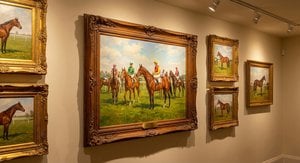
Sir Alfred Munnings' Masterpieces: 25 Paintings That Define Equine Art | ArtsDot
Explore 25 iconic Sir Alfred Munnings paintings! Discover the beauty of British Impressionism, equine art & rural England. Find museum-quality reproductions and elevate your home decor with ArtsDot. Explore the full collection online.

James Abbott McNeill Whistler: 25 meistriteost kunstikollektsioonis | ArtsDot.com
Avastage James Abbott McNeill Whistler'i 25 võrratut meistriteost! Sukelduge esteetilisse kunstimaailma, õppige tema maalitehnikatest ja leidke täiuslik seina kaunistus ArtsDot.com-ist. Kunstikollektsioonid & reprodutsioonid.

Loomade sümboolika kunstis ja interjöörides: Ajalooline mõju ruumikujundusele
Avastage loomade rikkalik sümboolika kunstis ja interjöörides! Ajaloolised tähendused, erinevad ajastud ning mõju ruumikujundusele. Eksperdi nõuanded ArtsDot-lt.

Romantilise Maastikukunsti 10 Meisterteost: Kunstiteosed Koduks ArtsDot.com'ist
Avastage 10 romantilise maastikukunsti meistriteost! Tutvuge Caspar David Friedrichi, J.M.W. Turneri ja teiste suurte kunstnike loominguga ArtsDot.com-is. Leidke täiuslik õlimaal või reproduktsioon koduks – inspireeriv kollektsioon ootab!