

 Eelvaade
 Saada
Saada Jaga
Jaga
 Teave teose kohta

 Laadi alla
 Sarnased teosed
 Röntgenuuring
 Slaidietendus
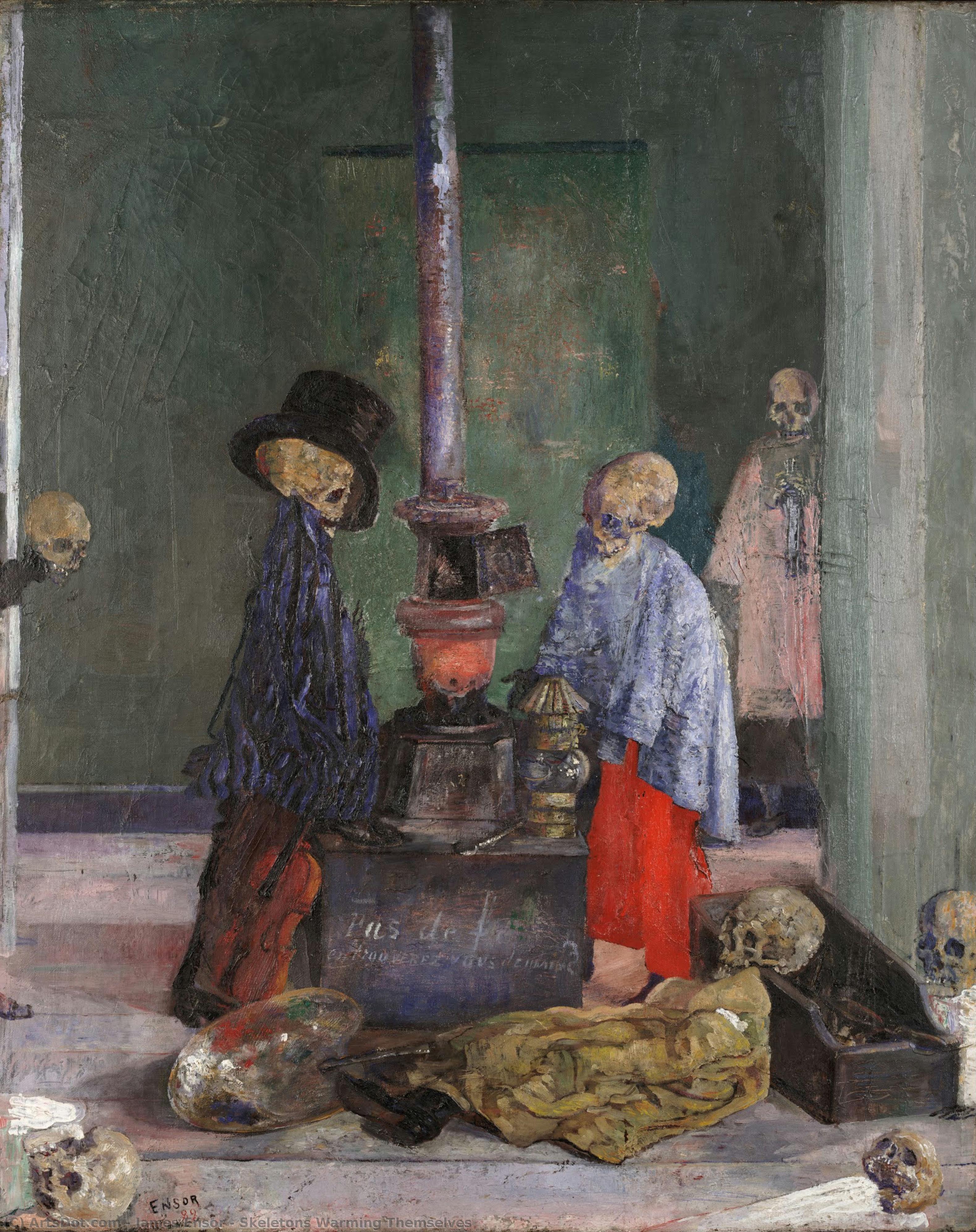
Skeletons Warming Themselves
 Acrylic On Canvas
- WallArt
- Symbolist Expressionism
 1889
1889- Early Medieval
 74.0 x 60.0 cm
 Kimbell Art Museum
 Loe lähemalt
Giclée / Kunstiprint
Muuseumikvaliteediga giclée- või kangasprint kiire tootmisega ja paindlikud viimistlusvõimalused. ( Osta käsitsi maalitud maal Osta pilt)




P118B $10

P118H $10

P118W $10

P438Z $10

P508JH $12

P508YH $12

P805H $10

P805Z $10

P919BZ $10

P919G $10

P919XJ $10

P959ZH $10

P968JZ $12

W106C $8

W218G $10

W218JH $8

W218Y $10

W307PJ $10

W316G $10

W316PJ $8

W316Y $10

W398PJ $8

W4111J $10

W500HY $15

W500JH $15

W692G $12

W849H $8

W940BG $15

W953PJ $8




Vali meie eelmääratud suurused, mis vastavad teose algupärastele proportsioonidele.

Saate sisestada oma mõõdud, et need sobiks konkreetse raami või ruumi sisse. Kui valitud suurus ei vasta originaalteose proportsioonidele, lõigame teose ära või laiendame pilti peegeldatud või ühtlase servaga. Enne tootmisprotsessi algust saadetakse Teie kinnitamiseks digitaalne näidis.
Palun märka, et ekraanil kuvatav eelvaade ei kajasta tegelikku lõigamist või laiendamist. Ainult näidis kujutab täpselt lõplikku kompositsiooni.
Kuigi erimõõdu on saadaval, soovitame originaaproportsioonide säilitamiseks valida mõõt ette määratud nimekirjast.
Ülemaailmne tarne () 2 nädala jooksul, tavalise 4/5 nädala asemel. (17 august)

Tasuta ekspresssaatmine üle maailma

Kõrgekvaliteediline linakangas

Täielik transpordikindlustus

Tollimaksude tagastamise garantii

Värvitoime täpsuse garantii

60-päevane tagastusõig: ainult tootmisdefektide korral

100% raha tagasi garantii

Hulgusoodustus
 Klaasivalik on saadaval ainult suuruses kuni 110 cm

Skeletons Warming Themselves
Giclée / Kunstiprint
Reproduktsiooni suurus
-


Kogusumma
$ 62
Kogumuse kirjeldus
A Haunting Still Life: James Ensor’s *Skeletons Warming Themselves*
James Ensor's 1889 painting, *Skeletons Warming Themselves*, isn’t merely a depiction of figures around a hearth; it’s a profoundly unsettling meditation on mortality, artistic endeavor, and the lingering echoes of history. Emerging from the artist’s uniquely layered background – his English father and Belgian mother, coupled with a childhood steeped in Ostend's macabre discoveries of skeletal remains – Ensor crafts an image that simultaneously invites contemplation and evokes a chilling unease. The painting possesses a remarkable duality: on one level, it presents a domestic scene, almost banal in its arrangement of skeletons, a palette, brushes, and a violin; yet, beneath this veneer lies a complex web of symbolism and historical reference that demands careful consideration.
The Palette of Decay and Creation
Ensor’s masterful manipulation of monochrome creates an atmosphere thick with melancholy. The stark black and white palette emphasizes the skeletal forms, lending them an almost porcelain quality while simultaneously highlighting their vulnerability. Notice how the artist subtly shifts tones – a slight darkening around the edges of the skeletons, suggesting age and decay, contrasts sharply with the brighter areas where they are clustered near the stove. This careful use of value is crucial to the painting’s impact, drawing the viewer's eye across the composition and reinforcing the central theme of transience. The inclusion of the palette and brush isn’t accidental; it directly references Ensor’s own artistic practice, suggesting a cycle of creation and destruction, life and death inextricably linked.
Echoes of Ostend and the Dance of Death
The setting itself is deeply rooted in Ensor's personal history. The stove, inscribed with “Pas de feu” (“No fire”) and followed by “en trouverez vous demain?” (“Will you find any tomorrow?”), immediately evokes a sense of abandonment and uncertainty. This cryptic message resonates with the historical context of Ostend, where human bones were routinely unearthed for centuries – remnants of past conflicts and a constant reminder of mortality. Furthermore, *Skeletons Warming Themselves* aligns itself with the tradition of the “Dance of Death” prints, popular during the medieval and Renaissance periods. These allegorical images frequently depicted skeletons as symbols of universal death, often engaging in satirical commentary on various professions and social classes. Ensor’s work subtly echoes this tradition, transforming the skeletal figures into a group engaged in quiet contemplation – perhaps even a shared ritual of remembrance.
A Hidden Portrait and the Artist's Struggle
Interestingly, X-radiographs revealed that *Skeletons Warming Themselves* was created over an earlier painting: a bust-length portrait of a young girl. This layering of images speaks volumes about Ensor’s artistic process and his personal circumstances at the time. The decision to rework an existing canvas suggests a period of economic hardship, a common struggle for many artists in late 19th-century Europe. It also hints at a possible desire to move beyond a previous work, perhaps seeking a new direction or grappling with unresolved emotions. The painting becomes not just a visual statement but a window into the artist’s creative journey and his internal landscape.
A hand-painted reproduction of *Skeletons Warming Themselves* offers a unique opportunity to bring this haunting masterpiece into your home. Its evocative imagery, rich symbolism, and historical depth will undoubtedly spark conversation and serve as a poignant reminder of the ephemeral nature of life itself. The meticulous detail captured in the reproduction allows you to appreciate Ensor’s masterful technique and his profound exploration of the human condition – a truly captivating addition to any art collection or interior design scheme.
Sarnased teosed


Kunstniku elulugu
James Ensor: A Pioneer of Modernism
James Sidney Edouard, Baron Ensor (Ostend, 13 April 1860 – 19 November 1949) was a Flemish-Belgian painter and printmaker, an important influence on expressionism and surrealism who lived in Ostend for almost his entire life. He was associated with the artistic group Les XX.
Early Life and Artistic Training
James Ensor’s father, James Frederic Ensor, born in Brussels to English parents, was a cultivated man who studied engineering in England and Germany. Ensor's mother, Maria Catharina Haegheman, was Belgian. Ensor himself lacked interest in academic study and left school at the age of fifteen to begin his artistic training with two local painters. From 1876, he attended drawing lessons at the College of the Blessed Virgin in Ostend.
The Impressionist Influence and Initial Works
Ensor’s early paintings reflected a more traditional approach, depicting scenes of everyday life rendered in somber tones. Works like *Russian Music* (1881) and *The Drunkards* (1883) reveal a nascent talent grappling with realism, but even within these early pieces, hints of the unsettling imagery to come are present. A pivotal shift occurred as Ensor’s palette brightened and his subject matter grew increasingly bizarre. He began to populate his canvases with carnivals, skeletons, puppets, and allegorical figures—a world steeped in fantasy and often bordering on the grotesque. This wasn't merely a stylistic change; it was a deliberate exploration of the darker aspects of human existence, a rejection of societal norms, and an embrace of the irrational.
Les XX and Artistic Innovation
In 1883 Ensor, along with a few older students of the Brussels‘ academy, would take leave of the artists‘ association *L'Essor*. They established the artists‘ association* Les Vingt*. This will play an important role in the dissemination of various international *avant-garde* movements. Ensor’s father’s shop in Ostend was a main purveyor of carnival paraphernalia, and this fascination would permeate his artwork.
Major Paintings and Recurring Themes
Throughout his career, Ensor produced a series of works that continue to shock and fascinate audiences today. *The Scandalized Masks* (1883) stands as an early testament to his fascination with the power of disguise and its ability to reveal hidden emotions. Perhaps his most controversial work, *Christ’s Entry into Brussels* (1888-1889), remains a powerful satire of religious hypocrisy and societal indifference—a painting initially met with harsh criticism but now celebrated as a masterpiece. The unsettling image of Christ entering a city teeming with grotesque masked figures is a potent commentary on the disconnect between spiritual ideals and human behavior.
Legacy and Influence
James Ensor was recognized as a pivotal figure in the transition from 19th-century Symbolism to early 20th-century Expressionism and Surrealism—a true pioneer of modern art. His fearless exploration of the subconscious, his embrace of grotesque imagery, and his rejection of academic conventions paved the way for future generations of artists who dared to challenge artistic norms. He is remembered as a visionary artist whose uncompromising vision continues to inspire contemplation and debate.

James Ensor
1860 - 1949 , Belgium
Lühikesed faktid
- Artistic Movement Or Style: Expressionism, Surrealism
- Artists Who Influenced This Artist:
- Bruegel the Elder
- Francisco Goya
- Whistler
- Date Of Birth: April 13, 1860
- Date Of Death: November 19, 1949
- Full Name: James Sidney Edouard Ensor
- Nationality: Belgian
- Notable Artworks:
- The Scandalized Masks
- Skeletons Fighting...
- Christ's Entry into Brussels
- Place Of Birth: Ostend, Belgium
Seotud artiklid

James Ensor's Grotesque Visions: Social Commentary & Artistic Innovation
Explore the unsettling yet captivating world of James Ensor, a pioneer of Expressionism. Discover his satirical masterpieces, symbolic imagery & lasting influence on modern art. High-quality reproductions available at ArtsDot.

Vanitas & Beyond: Exploring Mortality's Artistic Legacy for the Elite Collector
Explore the rich history & symbolism of Vanitas paintings with ArtsDot. Discover masterpieces reflecting mortality, societal values, & collecting insights for discerning art enthusiasts.

Théo van Rysselberghe: Pioneering Belgian Pointillism & the Pursuit of Luminosity
Explore the captivating world of Théo van Rysselberghe, a pioneer of Belgian Neo-Impressionism. Discover his masterpieces, artistic journey, and lasting impact on modern art. Learn more at ArtsDot.

Krupa's Artistic Vision: Exploring Technique, Themes & Historical Context
Discover the evocative world of Alfred Freddy Krupa, a pioneering Croatian artist redefining 'New Ink Art.' Explore his themes of mortality, memory & nature – and find museum-quality reproductions at ArtsDot.

The Enigmatic Realm of Paul Delvaux: Surrealism, Memory & the Poetics of Disquiet
Explore the haunting dreamscapes of Paul Delvaux, a master of Surrealism. Discover his iconic motifs, classical influences & enduring legacy with ArtsDot.com.



