


 Vaata sisu
 Jaga teost
 Jaga
Jaga
 Detailid
 Õppekate juhend

 Laadi alla
 Sarnased teosed
 Röntgenuuring
 Slaidietendus
 Statistika
Les Patineurs

 Loe lähemalt
Giclée / Kunstiprint
Muuseumikvaliteediga giclée- või kangasprint kiire tootmisega ja paindlikud viimistlusvõimalused. ( Telli käsitsi maalitud reproduktsioon Ülemineku digitaalse pildi müügi kanalisse)




P118B €10

P118H €10

P118W €10

P438Z €10

P508JH €12

P508YH €12

P805H €10

P805Z €10

P919BZ €10

P919G €10

P919XJ €10

P959ZH €10

P968JZ €12

W106C €8

W218G €10

W218JH €8

W218Y €10

W307PJ €10

W316G €10

W316PJ €8

W316Y €10

W398PJ €8

W4111J €10

W500HY €15

W500JH €15

W692G €12

W849H €8

W940BG €15

W953PJ €8




Vali meie eelmääratud suurused, mis vastavad teose algupärastele proportsioonidele.

Sisestage vajalik laius ja kõrgus, et see sobiks teie raamile või seinale. Trükki saab ainult lõigata, seda ei saa kunagi pildist suuremaks teha, seega ka differentse vormiga suurus kaotab osa pildist. Enne trükkimist saadame teile kinnitamiseks digitaalse näidisprojektsiooni. Sellel lehel näidatud pilt ei kujuta reaalset lõiget — seda näitab ainult näidisprojekttsioon.
Ülemaailmne tarne () 2 nädala jooksul, tavalise 4/5 nädala asemel. (23 oktoober)

Tasuta ekspresssaatmine üle maailma

Kõrgekvaliteediline lina-kangastest muld

Täielik transpordikindlustus

Tollimaksude tagastamise garantii

Värvitoime täpsuse garantii

100 päeva tagastusõigus (ainult defektide korral)

100% raha tagasi garantii

Hulgusoodustus
 Klaasivalik on saadaval ainult kuni 110 cm suuruses teostes

Les Patineurs
Giclée / Kunstiprint
Reproduktsiooni mõõtmed
-


Lõppsumma
€ 54
A Winter Reverie: Exploring James Ensor’s *Les Patineurs*
Les Patineurs* (The Skaters), by Belgian master James Sidney Edouard, Baron Ensor, offers a captivating glimpse into a leisurely winter scene. This painting isn't merely a depiction of ice skating; it’s an atmospheric study in light, movement, and the quiet joy found within community – hallmarks of Impressionism, yet imbued with Ensor’s uniquely introspective sensibility.Subject & Composition
The artwork presents a broad expanse of frozen water serving as a social hub for figures engaged in various winter activities. Skaters glide across the ice, while others observe from the periphery, creating a dynamic interplay between action and repose. The composition is deliberately flattened, characteristic of Impressionist principles, prioritizing the *impression* of space over strict perspective. Trees frame the scene, receding into the distance and subtly defining the boundaries of this winter wonderland. Ensor masterfully uses layering to suggest depth without relying on sharp definition, drawing the viewer’s eye across the canvas.Style & Technique
Ensor's Impressionistic style is readily apparent in his loose, visible brushstrokes and emphasis on capturing fleeting moments of light and atmosphere. He employs a technique rich in *impasto* – thick applications of paint that create texture and a shimmering effect across the surface. The lines are short and choppy, reflecting the rapid execution typical of plein air painting (though likely completed in studio given the subject). This energetic brushwork lends a sense of movement and vitality to the scene.Color & Light
The color palette is cool and muted, dominated by blues, grays, and whites – perfectly evoking the chill of winter. Diffused lighting suggests an overcast day, softening the forms and contributing to the painting’s overall tranquility. Ensor doesn't strive for photorealistic accuracy; instead, he uses color and light to convey a *feeling*—the crispness of the air, the cold bite of the wind, and the warmth of human connection.Historical Context & Artistic Influence
Born in 1860, James Ensor was a pivotal figure bridging Impressionism and early Expressionism. While influenced by Impressionist techniques, his work often carried an undercurrent of psychological complexity and social commentary – elements that would become central to the Expressionist movement. Though *Les Patineurs* doesn’t exhibit the overtly satirical or macabre themes found in some of his more famous works (like *Intrigue*), it demonstrates his mastery of color, composition, and atmospheric effect. He was a precursor to Surrealism as well, exploring dreamlike imagery throughout his career.Symbolism & Emotional Impact
Beyond its surface depiction of winter leisure, the painting subtly explores themes of resilience and finding joy amidst challenging conditions. The ice itself can be interpreted as symbolic – a fragile yet enduring surface that supports both activity and contemplation. *Les Patineurs* evokes a sense of peaceful observation, inviting viewers to step into this tranquil scene and share in the simple pleasures of community and winter’s beauty. It's a work that resonates with feelings of nostalgia, serenity, and quiet joy.Collecting & Interior Design
- For Art Lovers: *Les Patineurs* represents a beautiful example of Ensor’s Impressionistic period, offering insight into his artistic development.
- For Collectors: A reproduction of this painting adds a touch of Belgian artistry and historical significance to any collection.
- For Interior Designers: The cool color palette and tranquil subject matter make this artwork ideal for bedrooms, living rooms, or studies seeking a calming and sophisticated ambiance. It pairs well with neutral tones and natural materials.
Küsimused ja vastused
Kas „Les Patineurs“, autor James Ensor on tuntud teos?
Teos "Les Patineurs" on klassifitseeritud kategooriasse Recognized.
Mis on teose „Les Patineurs“, autor James Ensor luminants?
Teose „Les Patineurs“, autor James Ensor kirjeldatud luminants on Gentle Luminance.
Kas ma saan teost „Les Patineurs“, autor James Ensor enne tellimist eelvaatata?
Teostest „Les Patineurs“, autor James Ensor eelvaade on saadaval teose Eelvaade lehel.
Sarnased teosed


Kunstniku elulugu
James Ensor: A Pioneer of Modernism
James Sidney Edouard, Baron Ensor (Ostend, 13 April 1860 – 19 November 1949) was a Flemish-Belgian painter and printmaker, an important influence on expressionism and surrealism who lived in Ostend for almost his entire life. He was associated with the artistic group Les XX.
Early Life and Artistic Training
James Ensor’s father, James Frederic Ensor, born in Brussels to English parents, was a cultivated man who studied engineering in England and Germany. Ensor's mother, Maria Catharina Haegheman, was Belgian. Ensor himself lacked interest in academic study and left school at the age of fifteen to begin his artistic training with two local painters. From 1876, he attended drawing lessons at the College of the Blessed Virgin in Ostend.
The Impressionist Influence and Initial Works
Ensor’s early paintings reflected a more traditional approach, depicting scenes of everyday life rendered in somber tones. Works like *Russian Music* (1881) and *The Drunkards* (1883) reveal a nascent talent grappling with realism, but even within these early pieces, hints of the unsettling imagery to come are present. A pivotal shift occurred as Ensor’s palette brightened and his subject matter grew increasingly bizarre. He began to populate his canvases with carnivals, skeletons, puppets, and allegorical figures—a world steeped in fantasy and often bordering on the grotesque. This wasn't merely a stylistic change; it was a deliberate exploration of the darker aspects of human existence, a rejection of societal norms, and an embrace of the irrational.
Les XX and Artistic Innovation
In 1883 Ensor, along with a few older students of the Brussels‘ academy, would take leave of the artists‘ association *L'Essor*. They established the artists‘ association* Les Vingt*. This will play an important role in the dissemination of various international *avant-garde* movements. Ensor’s father’s shop in Ostend was a main purveyor of carnival paraphernalia, and this fascination would permeate his artwork.
Major Paintings and Recurring Themes
Throughout his career, Ensor produced a series of works that continue to shock and fascinate audiences today. *The Scandalized Masks* (1883) stands as an early testament to his fascination with the power of disguise and its ability to reveal hidden emotions. Perhaps his most controversial work, *Christ’s Entry into Brussels* (1888-1889), remains a powerful satire of religious hypocrisy and societal indifference—a painting initially met with harsh criticism but now celebrated as a masterpiece. The unsettling image of Christ entering a city teeming with grotesque masked figures is a potent commentary on the disconnect between spiritual ideals and human behavior.
Legacy and Influence
James Ensor was recognized as a pivotal figure in the transition from 19th-century Symbolism to early 20th-century Expressionism and Surrealism—a true pioneer of modern art. His fearless exploration of the subconscious, his embrace of grotesque imagery, and his rejection of academic conventions paved the way for future generations of artists who dared to challenge artistic norms. He is remembered as a visionary artist whose uncompromising vision continues to inspire contemplation and debate.

James Ensor
1860 - 1949 , Belgium
Lühikest infot
- Artistic Movement Or Style: Expressionism, Surrealism
- Artists Who Influenced This Artist:
- Bruegel the Elder
- Francisco Goya
- Whistler
- Date Of Birth: April 13, 1860
- Date Of Death: November 19, 1949
- Full Name: James Sidney Edouard Ensor
- Nationality: Belgian
- Notable Artworks:
- The Scandalized Masks
- Skeletons Fighting...
- Christ's Entry into Brussels
- Place Of Birth: Ostend, Belgium
Sarnased artiklid
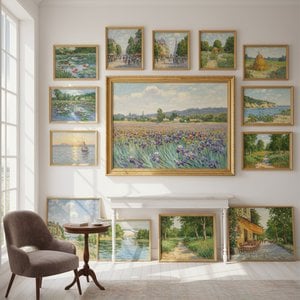
Impressionistliku Maastiku Tipp 10 Meisterteost: Kunsti ja Disaini Klassika
Avasta impressionistliku maastikukunstiga 10 legendaarset meistriteost! Monet, Renoir jt. värvilised maailmad ja kunstnike lood – ArtsDot.com pakub kaunite kunstide ajaloo klassikat seinakaunistuseks. Uuri kollektsiooni!

James Abbott McNeill Whistler: 25 meistriteost kunstikollektsioonis | ArtsDot.com
Avastage James Abbott McNeill Whistler'i 25 võrratut meistriteost! Sukelduge esteetilisse kunstimaailma, õppige tema maalitehnikatest ja leidke täiuslik seina kaunistus ArtsDot.com-ist. Kunstikollektsioonid & reprodutsioonid.

Impressionistic Realism's Finest: 10 Masterpieces for Your Home | ArtsDot
Journey through Impressionistic Realism with 10 iconic masterpieces by Monet, Renoir & Van Gogh. Explore art history, techniques & find museum-quality reproductions for your home at ArtsDot.com. Discover all masterpieces online!

James Ensor's Grotesque Visions: Social Commentary & Artistic Innovation
Explore the unsettling yet captivating world of James Ensor, a pioneer of Expressionism. Discover his satirical masterpieces, symbolic imagery & lasting influence on modern art. High-quality reproductions available at ArtsDot.

Sir Alfred Munnings' Masterpieces: 25 Paintings That Define Equine Art | ArtsDot
Explore 25 iconic Sir Alfred Munnings paintings! Discover the beauty of British Impressionism, equine art & rural England. Find museum-quality reproductions and elevate your home decor with ArtsDot. Explore the full collection online.


