


 Eelvaade
 Saada
Saada Jaga
Jaga
 Teave teose kohta

 Laadi alla
 Sarnased teosed
 Röntgenuuring
 Slaidietendus
Fishermen, Ostende

 Loe lähemalt
Käsitsi valmistatud õlimaalireproduktsioon
Meie kunstnike poolt tellimusel valmistatud käsitsi maalitud õli-kainaste teos teie soovitud suuruses ja raamis. ( Osta print Osta pilt)




P118B $10

P118H $10

P118W $10

P438Z $10

P508JH $12

P508YH $12

P805H $10

P805Z $10

P919BZ $10

P919G $10

P919XJ $10

P959ZH $10

P968JZ $12

W106C $8

W218G $10

W218JH $8

W218Y $10

W307PJ $10

W316G $10

W316PJ $8

W316Y $10

W398PJ $8

W4111J $10

W500HY $15

W500JH $15

W692G $12

W849H $8

W940BG $15

W953PJ $8




Vali meie eelmääratud suurused, mis vastavad teose algupärastele proportsioonidele.

Sa võite sisestada oma mõõtmed konkreetse raami või ruumi sobivuse tagamiseks. Kui teie valitud suurus ei vasta originaalpildi proportsioonidele, siis kärvime kunstiteost või laiendame maali täiendavate käsitsi maalitud elementidega. Enne tootmise algust saadetakse teile heakskiitmiseks digitaalne eelvaade.
Palun pidage meeles, et ekraanil kuvatav eelvaade ei kajasta tegelikku kärpimist või laiendamist. Ainult eelvaade näitab täpselt lõplikku kompositsiooni.
Kuigi on saadaval kohandatud suurused, soovitame originaalproportsioonide säilimiseks valida mõõdud eelmääratletud nimekirjast.
Pärast tellimust saadab ArtsDot.com meeskond kliendile e-posti juhised ning esitab eelvaate kavandi.
Maailmline tarne 3–4 nädala jooksul tavalise 5 nädala asemel. (13 august). Kvaliteedis kompromisse ei tehta.

Tasuta ekspresssaatmine üle maailma

Kõrgekvaliteediline linakangas

Täielik transpordikindlustus

Tollimaksude tagastamise garantii

Värvitoime täpsuse garantii

60-päevane tagastusõig: ainult tootmisdefektide korral

100% raha tagasi garantii

Hulgusoodustus
 Klaasivalik on saadaval ainult suuruses kuni 110 cm

Fishermen, Ostende
Reproduktsiooni tehnika
Reproduktsiooni suurus
-


Kogusumma
$ 263
Teose kirjeldus
James Ensor’s *Fishermen, Ostende*: A Glimpse into the Soul of Belgium
James Ensor's *Fishermen, Ostende*, painted around 1893, is not merely a depiction of a seaside scene; it’s a profound exploration of human psychology, social commentary, and the unsettling beauty of the Belgian coast. This evocative work, rendered in stark black and white, immediately draws the viewer into a world steeped in mystery and shadowed emotion – a characteristic hallmark of Ensor's unique artistic vision. The painting captures a solitary figure standing on the beach, his posture suggesting both contemplation and a subtle unease. He’s not actively engaged with the sea or the fishermen themselves, but rather seems to be observing something just beyond the frame, lost in thought, perhaps even burdened by an unspoken sorrow.
Ensor's artistic journey was deeply intertwined with his upbringing in Ostend, a bustling resort town that provided him with a constant stream of visual stimuli. His parents’ souvenir shop, overflowing with exotic masks and carnival paraphernalia, served as a rich source of inspiration – a veritable treasure trove of oddities and theatrical elements that would later permeate his art. This fascination with disguise and the hidden aspects of human nature is powerfully evident in *Fishermen, Ostende*. The figure's long coat, a detail that immediately commands attention, can be interpreted as a shield, concealing vulnerability or perhaps representing the weight of societal expectations.
A Masterclass in Expressionist Technique
Ensor’s technique in *Fishermen, Ostende* is deliberately unsettling and powerfully expressive. He eschewed the polished realism favored by many of his contemporaries, opting instead for a bold, almost brutal approach to line and form. The stark contrast between black and white amplifies the drama of the scene, creating an atmosphere of heightened intensity. Notice how he uses jagged lines to define the coastline and the figure’s coat, conveying a sense of unease and instability. The brushstrokes are loose and energetic, reflecting the artist's emotional state and injecting a raw, visceral quality into the work. This deliberate departure from academic conventions firmly establishes Ensor as a pioneer of Expressionism – an artistic movement that sought to convey subjective emotions rather than objective reality.
Furthermore, Ensor’s use of negative space is particularly striking. The vast expanse of sand and sea surrounding the figure emphasizes his isolation and vulnerability. The lack of detail in the background forces the viewer to focus entirely on the central subject, intensifying the painting's psychological impact. It’s a masterful demonstration of how careful compositional choices can be used to create a powerful narrative.
Symbolism and Social Commentary
Beyond its immediate visual appeal, *Fishermen, Ostende* is laden with symbolism. The solitary figure could represent the alienation and disillusionment experienced by individuals in a rapidly changing society. The fishermen themselves, though present in the background, are rendered as indistinct shapes, suggesting their marginalization within the broader social landscape. Some art historians interpret the painting as a critique of the commercialization of Ostend’s seaside resort culture – a commentary on the superficiality and fleeting pleasures that often mask deeper anxieties.
The masks, so central to Ensor's artistic vocabulary, are subtly alluded to in the figure’s coat. They represent the facades we present to the world, concealing our true selves and creating a barrier between individuals. The painting, therefore, becomes an exploration of identity, perception, and the complexities of human relationships. It invites us to question what lies beneath the surface and to consider the hidden emotions that shape our lives.
Bringing *Fishermen, Ostende* Home: A ArtsDot Reproduction
ArtsDot is proud to offer meticulously crafted hand-painted reproductions of James Ensor’s *Fishermen, Ostende*. Our artists replicate Ensor's distinctive style and emotional intensity with the utmost care, ensuring that each reproduction captures the essence of this iconic work. Whether you are an art collector, a design enthusiast, or simply someone seeking to add a touch of artistic intrigue to your home, our high-quality reproductions provide a beautiful and authentic way to experience Ensor’s genius. Explore the full range of sizes and canvas options available on our website – and bring this hauntingly beautiful painting into your world.
Sarnased teosed


Kunstniku elulugu
James Ensor: A Pioneer of Modernism
James Sidney Edouard, Baron Ensor (Ostend, 13 April 1860 – 19 November 1949) was a Flemish-Belgian painter and printmaker, an important influence on expressionism and surrealism who lived in Ostend for almost his entire life. He was associated with the artistic group Les XX.
Early Life and Artistic Training
James Ensor’s father, James Frederic Ensor, born in Brussels to English parents, was a cultivated man who studied engineering in England and Germany. Ensor's mother, Maria Catharina Haegheman, was Belgian. Ensor himself lacked interest in academic study and left school at the age of fifteen to begin his artistic training with two local painters. From 1876, he attended drawing lessons at the College of the Blessed Virgin in Ostend.
The Impressionist Influence and Initial Works
Ensor’s early paintings reflected a more traditional approach, depicting scenes of everyday life rendered in somber tones. Works like *Russian Music* (1881) and *The Drunkards* (1883) reveal a nascent talent grappling with realism, but even within these early pieces, hints of the unsettling imagery to come are present. A pivotal shift occurred as Ensor’s palette brightened and his subject matter grew increasingly bizarre. He began to populate his canvases with carnivals, skeletons, puppets, and allegorical figures—a world steeped in fantasy and often bordering on the grotesque. This wasn't merely a stylistic change; it was a deliberate exploration of the darker aspects of human existence, a rejection of societal norms, and an embrace of the irrational.
Les XX and Artistic Innovation
In 1883 Ensor, along with a few older students of the Brussels‘ academy, would take leave of the artists‘ association *L'Essor*. They established the artists‘ association* Les Vingt*. This will play an important role in the dissemination of various international *avant-garde* movements. Ensor’s father’s shop in Ostend was a main purveyor of carnival paraphernalia, and this fascination would permeate his artwork.
Major Paintings and Recurring Themes
Throughout his career, Ensor produced a series of works that continue to shock and fascinate audiences today. *The Scandalized Masks* (1883) stands as an early testament to his fascination with the power of disguise and its ability to reveal hidden emotions. Perhaps his most controversial work, *Christ’s Entry into Brussels* (1888-1889), remains a powerful satire of religious hypocrisy and societal indifference—a painting initially met with harsh criticism but now celebrated as a masterpiece. The unsettling image of Christ entering a city teeming with grotesque masked figures is a potent commentary on the disconnect between spiritual ideals and human behavior.
Legacy and Influence
James Ensor was recognized as a pivotal figure in the transition from 19th-century Symbolism to early 20th-century Expressionism and Surrealism—a true pioneer of modern art. His fearless exploration of the subconscious, his embrace of grotesque imagery, and his rejection of academic conventions paved the way for future generations of artists who dared to challenge artistic norms. He is remembered as a visionary artist whose uncompromising vision continues to inspire contemplation and debate.

James Ensor
1860 - 1949 , Belgium
Lühikesed faktid
- Artistic Movement Or Style: Expressionism, Surrealism
- Artists Who Influenced This Artist:
- Bruegel the Elder
- Francisco Goya
- Whistler
- Date Of Birth: April 13, 1860
- Date Of Death: November 19, 1949
- Full Name: James Sidney Edouard Ensor
- Nationality: Belgian
- Notable Artworks:
- The Scandalized Masks
- Skeletons Fighting...
- Christ's Entry into Brussels
- Place Of Birth: Ostend, Belgium
Seotud artiklid

James Ensor's Grotesque Visions: Social Commentary & Artistic Innovation
Explore the unsettling yet captivating world of James Ensor, a pioneer of Expressionism. Discover his satirical masterpieces, symbolic imagery & lasting influence on modern art. High-quality reproductions available at ArtsDot.

Väljendusismi algus: 20. sajandi kunsti revolutsioon ja emotsiooni võim
Avastage väljendismi revolutsiooniline kunstimaailm! Kunstiajalugu, emotsiooni võim ja investeerimisnõuanded kollektsionääridele ArtsDot.com-ist. Kvaliteetsed reproduktsioonid ja ekspertkonsultatsioon.

Acrylic Canvas Masters: 10 Paintings That Redefined Modern Art |
Explore 10 legendary 'Acrylic On Canvas' masterpieces by artists like Rothko, Warhol & Frankenthaler. Discover the stories behind these iconic paintings and their impact on modern art. Find museum-quality reproductions at – elevate your home with timeless beauty.
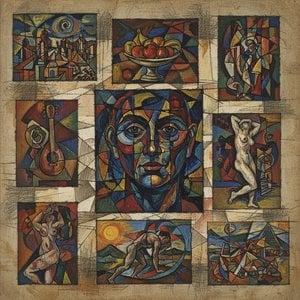
Cubist Expressionism's 10 Defining Masterpieces | Art for Your Home
Explore 10 defining Cubist Expressionism masterpieces by Picasso, Braque & more. Discover the stories behind these bold, geometric paintings and bring museum-quality art to your home with ArtsDot.com. Explore the full collection online.

Acrylic Revolution: 10 Masterpieces That Redefined Modern Art | ArtsDot
Explore 10 legendary acrylic paintings that revolutionized modern art! From Helen Frankenthaler's color fields to Richter’s abstract power, discover the stories behind these iconic masterpieces. Find museum-quality reproductions & elevate your home decor on ArtsDot.com.



