


 Vaata sisu
 Jaga teost
 Jaga
Jaga
 Detailid
 Õppekate juhend

 Laadi alla
 Sarnased teosed
 Röntgenuuring
 Slaidietendus
 Statistika
Ensor aux masques


 Loe lähemalt
Käsitsi valmistatud õlimaalireproduktsioon
Meie kunstnike poolt tellimusel valmistatud käsitsi maalitud õli-kainaste teos teie soovitud suuruses ja raamis. ( Lülita trükkitoodetele Ülemineku digitaalse pildi müügi kanalisse)




P118B €10

P118H €10

P118W €10

P438Z €10

P508JH €12

P508YH €12

P805H €10

P805Z €10

P919BZ €10

P919G €10

P919XJ €10

P959ZH €10

P968JZ €12

W106C €8

W218G €10

W218JH €8

W218Y €10

W307PJ €10

W316G €10

W316PJ €8

W316Y €10

W398PJ €8

W4111J €10

W500HY €15

W500JH €15

W692G €12

W849H €8

W940BG €15

W953PJ €8




Vali meie eelmääratud suurused, mis vastavad teose algupärastele proportsioonidele.

Sisestage vajalik laius ja kõrgus, et teos sobiks teie raamile või seinale. Kuna tegu on käsipainatud teosega, siis erineva kujuga suuruse korral võib kunstnik jätta pildi ümber veidi rohkem marginaali või lõigata osa ära — valik on teie. Enne maali alustamist saadame teile kinnitamiseks digitaalse näidisprojektsiooni. Sellel lehel näidatud pilt ei kajasta tegelikku tulemust — seda näitab ainult näidisprojekttsioon.
Pärast tellimust saadab ArtsDot.com meeskond kliendile e-posti juhised ning esitab eelvaate kavandi
Maailmline tarne 3–4 nädala jooksul tavalise 5 nädala asemel. (21 oktoober). Kvaliteedis kompromisse ei tehta.

Tasuta ekspresssaatmine üle maailma

Kõrgekvaliteediline lina-kangastest muld

Täielik transpordikindlustus

Tollimaksude tagastamise garantii

Värvitoime täpsuse garantii

100 päeva tagastusõigus (ainult defektide korral)

100% raha tagasi garantii

Hulgusoodustus
 Klaasivalik on saadaval ainult kuni 110 cm suuruses teostes

Ensor aux masques
Reproduktsiooni materjal
Reproduktsiooni mõõtmed
-


Lõppsumma
€ 230
A Carnival of Shadows: Unveiling Ensor’s Masked Spectacle
In the hauntingly vibrant canvas of Ensor aux masques, the viewer is not merely an observer but an uninvited guest at a feverish, nocturnal gathering. James Ensor, the Belgian master of the uncanny, presents us with a densely populated tableau where the boundaries between the human and the grotesque dissolve. A sea of figures, predominantly men, press against the edges of our vision, their faces obscured by painted masks that transform the crowd into a singular, undulating entity. There is an undeniable kinetic energy to this composition; as eyes wander across the varying planes of depth, one feels the restless movement of a public assembly caught in a moment of collective trance. The figures, some with mouths agape in silent cries or boisterous laughter, seem to be reacting to an unseen spectacle just beyond the frame, pulling the viewer into their disorienting, rhythmic world.
The aesthetic power of this work lies in its masterful rejection of academic restraint. Rooted deeply in the traditions of Symbolism and Expressionism, Ensor eschews the polished realism of his contemporaries to prioritize a raw, psychological intensity. His technique is visceral; through the use of thick impasto brushstrokes, he lends a physical weight to the paint itself, creating a rugged texture that mirrors the turbulent emotions on display. The color palette is a deliberate study in drama, dominated by deep blacks and piercing reds. These hues do more than just define form; they pulse with a life of their own, heightening the sense of theatricality and contributing to an atmosphere that feels both celebratory and deeply unsettling.
The Psychology of the Mask: Symbolism and Historical Resonance
Beyond the visual spectacle lies a profound exploration of the human psyche. For Ensor, the mask was never merely a festive accessory; it served as a potent symbol of concealment, deception, and the fragmentation of identity. In this piece, the masks represent the layers of social performance—the ways in which individuals suppress their true selves to inhabit roles within the collective. This theme of psychological torment and isolation is woven into the very fabric of the painting, as the painted faces evoke a sense of profound alienation despite the crowded setting. The red hats that punctuate the scene act as visual anchors, adding a rhythmic, almost ritualistic element to the composition that draws the eye through the labyrinthine crowd.
Emerging from the era of significant Belgian artistic experimentation, Ensor aux masques captures the lingering anxieties of the interwar period. While the Symbolist movement was beginning to wane, Ensor used its vocabulary to foreshadow the broader societal disillusionment and the fractured reality of a changing world. For the discerning collector or interior designer, this artwork offers more than just a striking visual; it provides a sophisticated focal point that invites deep contemplation. A high-quality reproduction of this masterpiece brings a sense of historical gravity and avant-garde elegance to any space, serving as a conversation piece that bridges the gap between the visceral energy of the past and the modern appreciation for psychological depth in fine art.
Küsimused ja vastused
Millisele kunstnikule on teos "Ensor aux masques" atribuutseeritud?
Teose "Ensor aux masques" looja on James Ensor. Teos on kataloogitud nime James Ensor all.
Millissele kunstisuunale kuulub teos „Ensor aux masques“, autor James Ensor?
"Ensor aux masques" on Symbolic Expressionism suunaga teos. See suundumine viitab kunstilisele traditsioonile, levinud osa millest teos on.
Millist värviharmoniat esitab „Ensor aux masques“, autor James Ensor?
Teose „Ensor aux masques“, autor James Ensor värvid kujutavad Strong Color Unity harmooniat. Harmoonia kirjeldab, kuidas värvid omavahel seotud on.
Sarnased teosed


Kunstniku elulugu
James Ensor: A Pioneer of Modernism
James Sidney Edouard, Baron Ensor (Ostend, 13 April 1860 – 19 November 1949) was a Flemish-Belgian painter and printmaker, an important influence on expressionism and surrealism who lived in Ostend for almost his entire life. He was associated with the artistic group Les XX.
Early Life and Artistic Training
James Ensor’s father, James Frederic Ensor, born in Brussels to English parents, was a cultivated man who studied engineering in England and Germany. Ensor's mother, Maria Catharina Haegheman, was Belgian. Ensor himself lacked interest in academic study and left school at the age of fifteen to begin his artistic training with two local painters. From 1876, he attended drawing lessons at the College of the Blessed Virgin in Ostend.
The Impressionist Influence and Initial Works
Ensor’s early paintings reflected a more traditional approach, depicting scenes of everyday life rendered in somber tones. Works like *Russian Music* (1881) and *The Drunkards* (1883) reveal a nascent talent grappling with realism, but even within these early pieces, hints of the unsettling imagery to come are present. A pivotal shift occurred as Ensor’s palette brightened and his subject matter grew increasingly bizarre. He began to populate his canvases with carnivals, skeletons, puppets, and allegorical figures—a world steeped in fantasy and often bordering on the grotesque. This wasn't merely a stylistic change; it was a deliberate exploration of the darker aspects of human existence, a rejection of societal norms, and an embrace of the irrational.
Les XX and Artistic Innovation
In 1883 Ensor, along with a few older students of the Brussels‘ academy, would take leave of the artists‘ association *L'Essor*. They established the artists‘ association* Les Vingt*. This will play an important role in the dissemination of various international *avant-garde* movements. Ensor’s father’s shop in Ostend was a main purveyor of carnival paraphernalia, and this fascination would permeate his artwork.
Major Paintings and Recurring Themes
Throughout his career, Ensor produced a series of works that continue to shock and fascinate audiences today. *The Scandalized Masks* (1883) stands as an early testament to his fascination with the power of disguise and its ability to reveal hidden emotions. Perhaps his most controversial work, *Christ’s Entry into Brussels* (1888-1889), remains a powerful satire of religious hypocrisy and societal indifference—a painting initially met with harsh criticism but now celebrated as a masterpiece. The unsettling image of Christ entering a city teeming with grotesque masked figures is a potent commentary on the disconnect between spiritual ideals and human behavior.
Legacy and Influence
James Ensor was recognized as a pivotal figure in the transition from 19th-century Symbolism to early 20th-century Expressionism and Surrealism—a true pioneer of modern art. His fearless exploration of the subconscious, his embrace of grotesque imagery, and his rejection of academic conventions paved the way for future generations of artists who dared to challenge artistic norms. He is remembered as a visionary artist whose uncompromising vision continues to inspire contemplation and debate.

James Ensor
1860 - 1949 , Belgium
Lühikest infot
- Artistic Movement Or Style: Expressionism, Surrealism
- Artists Who Influenced This Artist:
- Bruegel the Elder
- Francisco Goya
- Whistler
- Date Of Birth: April 13, 1860
- Date Of Death: November 19, 1949
- Full Name: James Sidney Edouard Ensor
- Nationality: Belgian
- Notable Artworks:
- The Scandalized Masks
- Skeletons Fighting...
- Christ's Entry into Brussels
- Place Of Birth: Ostend, Belgium
Sarnased artiklid

Sir Alfred Munnings' Masterpieces: 25 Paintings That Define Equine Art | ArtsDot
Explore 25 iconic Sir Alfred Munnings paintings! Discover the beauty of British Impressionism, equine art & rural England. Find museum-quality reproductions and elevate your home decor with ArtsDot. Explore the full collection online.

The Enduring Legacy of Oil on Canvas: Technique, History & Aesthetic Impact
Explore the rich history & techniques of oil painting – from Renaissance masters to Impressionism. Discover pigments, layering methods, and why this timeless medium endures. Expert insights for artists & art enthusiasts.

James Abbott McNeill Whistler: 25 meistriteost kunstikollektsioonis | ArtsDot.com
Avastage James Abbott McNeill Whistler'i 25 võrratut meistriteost! Sukelduge esteetilisse kunstimaailma, õppige tema maalitehnikatest ja leidke täiuslik seina kaunistus ArtsDot.com-ist. Kunstikollektsioonid & reprodutsioonid.

James Ensor's Grotesque Visions: Social Commentary & Artistic Innovation
Explore the unsettling yet captivating world of James Ensor, a pioneer of Expressionism. Discover his satirical masterpieces, symbolic imagery & lasting influence on modern art. High-quality reproductions available at ArtsDot.
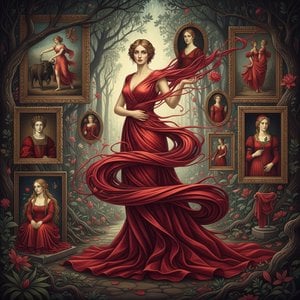
Crimson Threads of Narrative: Exploring Symbolism & Representation in Artworks Featuring the Red Dress
Explore the rich symbolism of the red dress in art history! From ancient power displays to iconic portraits like Cézanne’s 'Madame Cezanne', discover the cultural and artistic significance behind this captivating color. Expert analysis & insights.

