

 Saada
Saada Jaga
Jaga
 Teave teose kohta
 Juhend

 Laadi alla
 Sarnased teosed
 Slaidietendus
 KÜSIMUSED JA VASTUSID
 Statistika
Figure


 Loe lähemalt
Hankige trükiivaldatav fail, mis on kvaliteedilt palju parem kui veebilehel näidatud eelvaade. Kõik meie müüdavad digitaalsed pildid pärinevad meie arhiivist kõrge resolutsiooniga originaalfailidest — tavaliselt 5000 kuni 15 000 pikslit laiust — nii et saate julgelt trükida suurematsat, lüüdist teha või detailset sisu reproduktsiooni teha.
Meie stuudiost ei lahtu ükski fail puutumatuna. Digiekpert võrdleb värve algsest maalistimusega ja vajadusel korrigeerib neid, seejärel parandab selgust ja detaile professionaalsete retušimisvahendite abil — püüdes alati jääda truudeks kunstniku pintoonile ja stiilile. Tulemuseks on pilt, mis näeb välja nagu maali, mitte nagu filtreeritud skann.
Teet kinnituse enne lõplikku valmimist: meie ekspert saadab pildi 72 tunni jooksul e-posti ülevaatamiseks. Ei ole rahul? Paluge parandusi või korrektsioone ning kui kvaliteet ei vasta ootustele, võite paluda tagastamist.
See on kvaliteet, millele tuguvad väljaandjad, disainistuudiod, galeriid ja trükikojad.
Digitaalne kunstiteos
Laadi alla kõrge resolutsiooniga fail isiklikuks vaatamiseks, trükkimiseks ja loomingulisteks projektideks. ( Lülita trükkitoodetele Osta käsitsi maalatud teos)
Sisse kuulub iga digitaalse pildi tellimusega
Eksperdi digitaalne kohaletoimetamine, garanteeritud
Valides ArtsDot.com, ei saa sa lihtsalt pilti – saad professionaalselt parandatud digitaalse teose, mida on valmistatud täpsusega ja mis on toetatud rahuldamatusgarantiiga. Siin on kõik, mis sinu tellimusega automaatselt kaasneb:

Kiire digitaalne edastus
Teie kõrge resolutsiooniga digitaalne pildifail saadetakse teile e-posti 72 tunni jooksul pärast tellimist – kohe kasutamiseks valmis.

Tehisintellektiga täiustatud digitaalne fail
Teie teos on professionaalselt optimeeritud arenenud tehisintellekti tööriistade ja käsitsi redigeerimise abil, tagades maksimaalse detailitaseme, selguse ja värvitäpsuse.

Tasuta eluaegne uuesti saatmine
Kas kustutasid faili kogukalu unustamisel või kustutamisel? Puudub mure – saad selle uuesti igal ajal ilma lisatasuta.

Puuduvad importimaksud – alati
Nautige oma teoseid koheselt ilma tolli-, maksude või tarnimaskuludeta – digiletchargused on alati maksuvabadud.

Värvitäpsuse garantii
Me tagame, et teie digitaalne pilt kajastaks originaali värve professionaalsete tööriistade ja värvihalduse abil võimalikult täpselt.

100 päeva rahuldamatuse garantii
Kui te ei ole oma digitaalse pildi eest rahul, siis me parandame seda või tagastame 100% summast 100 päeva jooksul – küsimusteta.

100% raha tagastamise garantii
Ei ole rahul? Saate täielise tagastaja 100 päeva jooksul pärast digitaalse faili kättesaamist – ilma küsimusteta.

Suurema tellimuse soodustused
Osta 3 pilti, säästa 10% - Osta 5, säästa 15% - Osta 10+, säästa 20%. Sobib suurepäraselt loomingulisteks projektideks, galeriideks ja agentuurideks.
A Fragmented Vision of Humanity
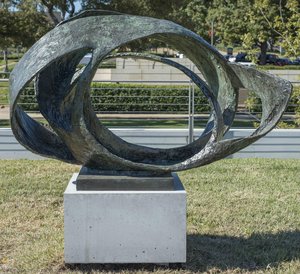
Jacques Lipchitz's "Figure," sculpted in 1930, stands as a profound testament to the transformative power of Cubism and its enduring fascination with exploring the fundamental concepts of form and perception. This bronze masterpiece transcends mere representation; it invites a deep, meditative contemplation on the very essence of human existence through a deliberately abstracted aesthetic. In an era defined by rapid societal shifts, Lipchitz utilized a fragmented language to capture the complexity of the modern soul. The sculpture presents a captivating interplay of geometric precision and organic fluidity, where the human form is not merely depicted but reconstructed through a lens of intellectual rigor and emotional depth.
The composition is a masterclass in the Cubist approach, pioneered by luminaries such as Picasso and Braque. Rather than striving for a realistic or anatomical depiction, Lipchitz dismantles the human figure into interlocking planes, presenting multiple viewpoints simultaneously. The head is rendered with striking simplicity—two oval eyes positioned above a small, triangular nose—which disrupts traditional notions of facial harmony to create a sense of enigmatic presence. Below this stylized visage, undulating vertical forms intersect with curved openings, creating a rhythmic tension between movement and stillness. This structural complexity ensures that the viewer's eye is constantly traveling across the surface, discovering new contours and depths within the bronze.
The Alchemy of Bronze and Form
The materiality of the piece is essential to its enduring impact. The choice of bronze allows for an exquisite level of detail and a rich, tactile quality that stone or wood could not achieve. Through the intricate process of bronze casting, Lipchitz was able to capture subtle variations in surface texture, from the sharp, clean edges of his geometric planes to the softer, more rounded contours of the figure's limbs. The rough, uneven patina resulting from natural oxidation lends the sculpture an ancient, weathered character, suggesting a sense of permanence and historical weight. This textured surface catches the light in a way that emphasizes the sculpture's three-dimensionality, making it a dynamic object that changes appearance depending on the surrounding illumination.
For the discerning collector or interior designer, "Figure" offers an unparalleled opportunity to introduce a piece of art history into a contemporary space. The sculpture’s neutral, earthy tones and sophisticated silhouette allow it to integrate seamlessly into various high-end environments, from minimalist modern galleries to richly textured classical studies. It serves as a powerful focal point, commanding attention through its structural integrity and the quiet strength of its presence. Owning a high-quality reproduction of this work is not merely about acquiring an object; it is about bringing a piece of the avant-garde revolution into one's personal sanctuary, fostering an atmosphere of intellectual curiosity and timeless elegance.
Korduvad küsimused
Millises materjalis on teos „Figure“, autor Jacques Lipchitz valmistatud?
Teose "Figure" loomisel kasutas Jacques Lipchitz Bronze tehnikat. See tehnika määrab originaalteose materjalilise olemuse.
Millist teemat ja atmosfääri „Figure“, autor Jacques Lipchitz ühendab?
Teos "Figure" kujutab teemasid sculpture, abstraction, bronze, geometric form, cubism style, human figure, texture, modern art ning selle meeleolu on Modern.
Kust leian juhendi teose "Figure" kohta?
Juhend teose "Figure" kohta on selle Õppekasutusjuhend leht – trükkiv infoleht, mis esitab teose koos pealkirja, autori ja identifiekatsioonitabeliga (kunstnik, kuupäevad, tehnika, algne suurus, kollektsioon).
Sarnased teosed




Kunstniku elulugu
Muutuste poola vormitud elu: Jacques Lipchitshi teekond
Sündides 1891 aastal Lieduvas Druskininkai linnas nimega Chaim Jacob Lipschitz, oli Jacques Lipchitshi kunstiline tee märkimisrikne, mida kujundasid sügavalt eemaldumine kodust ja uuenduslik loovus. Tema varajane elu, keset Litvaki juudi perekonda, kus tema isa töötas ehitusettevõtjana, suunas teda alguses õpiohne poole inseneriimisel. Kuid ema toetusega kasvav loovusvaim tõukkas teda 1eks 1909. aastal Pariisi – linna, mis pulsas tollal kunstilisest revolutsioonist. Ta õppis École des Beaux-Arts ja Académie Julian koolides, süvenedes Montmartre ja Montparnasse vibrantsetesse kogukondadesse. Just nendes ringkondades sõmis ta sõprusi selliste suurmehtidega nagu Juan Gris, Pablo Picasso ja Amedeo Modigliani – viimane on kuulsust saanud Lipchitshi ja tema naise Berthe vangitamisest võragutavas topeltportreets. Need varajased sidemed olid võtmetähtsusega, luues aluse Lipchitshi kubismi omaksimisele, kuigi see stiil oli selgelt tema enda tundlikusega tasandus.Formi kristallisumine: Lipchitz ja kubistiline skulptuur
Lipchitz ei lihtsalt transponeerinud maalid kolmes dimensioonis vormi; ta skulptureeris kubismist. Kuigi Picasso ja Braque purunenud perspektiivid teda sügavalt mõjutasid, säilitas Lipitschis oma töödes märkimisväärne figuratiivsus kuni umbes aastate 1915-16 maikuni. Tema skulptuurid ei olnud täiesti abstraktsed; need viitasid tuntud vormidele, olla vaimustatud emotsionaalse raskusega. See arenes edasi selleks, mis sai tuntuks kui "kristallkubism" – stiil, mida iseloomustavad facetid ja läbipaistvus, püüdes vangistada mitmeid vaatepunktid korraks üksi vorm. Ta eksperimenteeris ruumi purustamisega, luues dünaamilisi kompositsioone, mis näitasid sisevalgust. Tema 1920. aasta sooloexpositsioon Pariisi Léonce Rosenbergi Galerie L'Effort Moderne galeriis kinnitas tema positsiooni Pariisi kooli juhtfigurena ja esines selle unikaalse skulpturaalse keelega. Teosed nagu "Harlekin klarionetiga" illustreerivad seda perioodi, näidates fragmenteritud vorme, mis suudavad siiski edasi anda mängulise energiat ja inimlikku kohalolu. Ta ei olnud pelgalt vormi dekonstrukteerija; ta ehitas selle üles uue visuaalse loogika järgi.Hilised mõtted: usku, pärandi ja Toskana peatus
Tema hilisemas easas koges Lipchitz oma juudi usu süvenemist, omakindlustus religioosset eluviisi uuenenud põletusega – isegi õppides igapäevaselt ja kandes tefillini Lubavitcheri Rebbe, rabbi Menachem Schneersoni üleskutsel. See vaimne äratus infuseeris tema tööde sisu uue tähendusrikkusega. Ta naasis korduvalt Euroopasse, leidides lohutust ja inspiratsiooni Itaalia Pietrasantast, kus sõlmis tiime sõpruse kaasleskulptuur Fiore de Henriqueziguga. Tema enetautobiograafia, mille kaasautoriks oli H. Harvard Arnason ja mis trükiti 1ilt 1972. aastal koos näitusega Metropolitan Museum of Art'is, pakkus võragutavat peegeldust tema elule ja kunstilessile. Jacques Lipchitz suri 1973. aastal Kapris, Itaalias, kuid tema leitud viidi Jeruzalemi haudamiseks – see on tunnistus tema sügavale sidumisele oma pärandiga. Tema Toskana villa, Bozio, toimib nüüd juudi suvelaste kampina, tagades, et tema pärand jätkab tulevuste põlvkondade inspireerimist. Ta jättis järele mitte ainult suurepärase skulptuurikogu, vaid ka võimsa näite kunstilisest vastupidavusest ja igavenest inimvaimust.
Jacques Lipchitz
1891 - 1973 , Leedu
Lühikesed faktid
- Artistic Movement Or Style: Kubism, Kristallkubism
- Artists Who Influenced This Artist:
- Pablo Picasso
- Juan Gris
- Date Of Birth: 1891
- Date Of Death: 1973
- Full Name: Jacques Lipchitz
- Nationality: Lituani-Prantsus-Ameerika
- Notable Artworks:
- Acrobaat ratsu seljas
- Muusikainstrumendid
- Kitari mängija
- Pierrot
- Harlekin klarionetiga
- Mees kitariga
- Muusade sünn
- Birth of the muses
- Place Of Birth: Druskininkai, Lituan