

 Eelvaade
 Saada
Saada Jaga
Jaga
 Teave teose kohta
 Juhend

 Laadi alla
 Sarnased teosed
 Röntgenuuring
 Slaidietendus
 KÜSIMUSED JA VASTUSID
 Statistika
Self Portrait


 Loe lähemalt
Giclée / Kunstiprint
Muuseumikvaliteediga giclée- või kangasprint kiire tootmisega ja paindlikud viimistlusvõimalused. ( Osta käsitsi maalatud teos Lülita digitaalse pildi juurde)




P118B €10

P118H €10

P118W €10

P438Z €10

P508JH €12

P508YH €12

P805H €10

P805Z €10

P919BZ €10

P919G €10

P919XJ €10

P959ZH €10

P968JZ €12

W106C €8

W218G €10

W218JH €8

W218Y €10

W307PJ €10

W316G €10

W316PJ €8

W316Y €10

W398PJ €8

W4111J €10

W500HY €15

W500JH €15

W692G €12

W849H €8

W940BG €15

W953PJ €8




Vali meie eelmääratud suurused, mis vastavad teose algupärastele proportsioonidele.

Sisestage vajalik laius ja kõrgus, et see sobiks teie raamile või seinale. Trükki saab ainult lõigata, seda ei saa kunagi pildist suuremaks teha, seega ka erineva mustega suurus kaotab osa pildist. Enne trükkimist saadame teile kinnitamiseks digitaalse näidisprojektsiooni. Sellel lehel näidatud pilt ei kujuta reaalset lõiget — seda näitab ainult näidisprojektsioon.
Ülemaailmne tarne () 2 nädala jooksul, tavalise 4/5 nädala asemel. (3 november)

Tasuta ekspresssaatmine üle maailma

Kõrgekvaliteediline lina-kangas

Täielik transpordikindlustus

Tollimaksude tagastamise garantii

Värvitoime täpsuse garantii

100 päeva tagastusõigus (ainult valmistusdefektide korral)

100% raha tagasi garantii

Hulgusoodustus
 Klaasivalik on saadaval ainult kuni 110 cm suuruses teostes

Self Portrait
Giclée / Kunstiprint
Reproduktsiooni suurus
-


Koguhind
€ 56
A Window into the Soul: James Tissot’s “Self Portrait”
James Jacques Joseph Tissot's "Self Portrait," painted in 1865, isn’t merely a likeness; it’s a carefully constructed invitation into the artist’s world. Emerging from a period of intense artistic exploration and marked by influences ranging from Ingres to the burgeoning Impressionism of Paris, this work offers a poignant glimpse at Tissot's evolving style and his deep engagement with the social currents of his time. The painting immediately draws the eye with its intimate scale – a relatively small canvas that fosters an immediate sense of connection, as if the artist is sharing a private moment. He sits before an easel, bathed in soft light, a contemplative expression gracing his face. His gaze, direct and slightly melancholic, seems to hold both awareness of himself and a subtle invitation for the viewer to share in his thoughts. The muted palette – predominantly browns, greys, and ochres – contributes to the painting’s subdued elegance, reflecting Tissot's deliberate choice to move away from the bright, theatrical colors favored by earlier academic styles.Technique and Style: A Synthesis of Realism and Impressionistic Hints
Tissot’s technique is a fascinating blend of meticulous realism and subtle Impressionistic touches. He employs a highly detailed approach, rendering the textures of his clothing – the velvet jacket, the worn fabric of his trousers – with remarkable accuracy. Yet, he doesn't simply replicate reality; instead, he uses light and shadow to create an atmosphere, suggesting depth and volume. Notice how the folds of the fabric seem to ripple and shift, not through a rigid adherence to form, but through a skillful manipulation of color and value. This is particularly evident in the way the light catches on the velvet, creating a subtle shimmer that adds to the painting’s overall luminosity. Furthermore, Tissot's use of brushstrokes—often short and broken—hints at an Impressionistic sensibility, anticipating the later developments of Monet and Renoir. He captures fleeting moments of light and shadow, imbuing the scene with a sense of movement and immediacy. The composition itself is carefully balanced, drawing the eye to the artist’s face while simultaneously establishing a harmonious relationship between his figure and the surrounding space.Social Context and Symbolism: A Parisian Artist in His Prime
Painted during a pivotal period in Tissot's career, “Self Portrait” reflects his growing success as a genre painter of contemporary society. He had established himself as a keen observer of Parisian life, capturing the elegance and sophistication of the Belle Époque with remarkable skill. The painting speaks to this ambition – it’s not just a portrait of an artist; it's a statement about his position within the vibrant artistic milieu of Paris. The easel itself becomes a symbol of his profession, while the quiet studio setting suggests a dedication to his craft. The slightly worn appearance of the room and the artist’s attire hint at a life dedicated to art, perhaps tinged with a touch of melancholy – a common theme in Tissot's work. Interestingly, the inclusion of a partially visible mirror behind him subtly reinforces the idea of self-reflection and artistic identity, echoing the Renaissance tradition of artists portraying themselves within their works.Emotional Resonance: Intimacy and Quiet Contemplation
Beyond its technical merits and historical context, “Self Portrait” possesses a profound emotional resonance. The artist’s expression is not one of grand pronouncements or theatrical display; rather, it conveys a sense of quiet contemplation—a moment of introspection amidst the bustle of Parisian life. There's an underlying vulnerability in his gaze, inviting the viewer to share in his thoughts and feelings. It’s a remarkably intimate portrait, offering a rare glimpse into the inner world of a talented artist. The painting speaks to the universal human experience of self-awareness, reminding us that even amidst artistic ambition and social engagement, there is always room for quiet reflection and personal connection. Reproductions of this work offer a beautiful opportunity to bring this moment of serene contemplation into any space, serving as a reminder of the power of art to connect us with both ourselves and the world around us.Korduvad küsimused
Millisele kunstnikule on teos "Self Portrait" atribuutseeritud?
Teose "Self Portrait" looja on Jacques Joseph Tissot. Teos on kataloogitud nime Jacques Joseph Tissot all.
Kas Jacques Joseph Tissot teos "Self Portrait" kuulub avalikku omandisse ja miks?
Jacques Joseph Tissot teos "Self Portrait" on avalikus õiguses – selle autoriõigud onหมดunud. Autoriõiguse kaitseajad arvutatakse alates kunstniku surmaõigustest ning Jacques Joseph Tissot suri aastal 1902.
Mis on soovitatav trükimõõt teosele "Self Portrait"?
Teose "Self Portrait" trükkimiseks on soovitatav kasutada suurust Large. Samade proportsioonidega on saadaval ka teisi mõõtmeid.
Sarnased teosed


Kunstniku elulugu
Early Life and Artistic Beginnings
Jacques Joseph Tissot, born October 15, 1836, in Nantes, France, was destined for a life steeped in artistic passion from his earliest years. His father, a drapery merchant, instilled in him an appreciation for craftsmanship and detail—qualities that would profoundly shape his artistic vision. Simultaneously, his mother, a milliner, nurtured his sensitivity to beauty and fashion, exposing him to the vibrant world of Parisian society. Despite familial responsibilities, Tissot relentlessly pursued his artistic ambitions, enrolling at the École des Beaux-Arts in Paris where he honed his skills under the tutelage of luminaries like Ingres, Flandrin, and Lamothe. This formative period cemented his commitment to painting as a vocation and established him firmly within the influential Parisian art milieu.The Salon Years and Recognition
Tissot’s debut at the Paris Salon in 1861 marked a pivotal moment—the unveiling of “The Meeting of Faust and Marguerite,” a dramatic tableau that captivated audiences and garnered considerable acclaim from critics. Purchased by the state for inclusion in the Luxembourg Gallery, this ambitious undertaking signaled Tissot's burgeoning reputation as a painter capable of capturing complex narratives and conveying profound emotion. Subsequent Salon exhibitions solidified his position within the artistic establishment, showcasing his evolving style and attracting commissions from prominent patrons. His early successes fueled confidence and propelled him toward exploring new subjects and techniques—a trajectory that would ultimately define his illustrious career.Genre Painting and Parisian Society
Tissot’s artistic breakthrough arrived with his series “La Femme à Paris,” a meticulously observed depiction of the demi-mondaine world of late Victorian London. These paintings, characterized by their luminous color palettes and masterful rendering of textures—particularly fabrics—became synonymous with capturing the allure and dynamism of Parisian high society. Tissot's meticulous attention to detail extended beyond mere visual representation; he sought to convey not only appearances but also psychological nuances, reflecting the anxieties and aspirations of his subjects. His work stands as a testament to Impressionistic influences blended with realism, offering an unparalleled glimpse into the social customs and artistic sensibilities of the Belle Époque.Biblical Themes and Japonisme
Throughout his prolific output, Tissot embraced diverse artistic inspirations—ranging from medieval narratives to biblical scenes—demonstrating remarkable versatility. His depictions of religious subjects, imbued with spiritual depth and emotional resonance, showcased his ability to elevate visual storytelling into profound contemplation. Simultaneously, he was captivated by Japonisme—the fascination with Japanese art and aesthetics that swept across Europe during the Victorian era—evident in compositions infused with asymmetrical arrangements and subtle color harmonies reminiscent of Japanese prints. This stylistic fusion underscored Tissot’s intellectual curiosity and his willingness to experiment with innovative artistic approaches.Later Years and Legacy
Tissot's life took a dramatic turn when he enlisted in the Franco-Prussian War, serving on the French side—an experience that undoubtedly shaped his worldview. Following the war’s conclusion, he relocated to London where he pursued etching alongside Sir Seymour Haden and honed his artistic skills through portrait commissions and caricatures for Vanity Fair. His relationship with Kathleen Newton blossomed into a passionate companionship, providing him with enduring inspiration for numerous paintings. Tragically, Newton succumbed to tuberculosis in 1882—a profound loss that deeply affected Tissot’s creative output. Despite this sorrowful chapter, he continued to produce exceptional artwork until his death in 1902. Today, Jacques Joseph Tissot's legacy resides in museums across Europe and North America—most notably the Musée National Jean-Jacques Henner in Paris—where his celebrated paintings continue to inspire admiration for their artistic brilliance and evocative portrayal of Victorian life and faith. His enduring influence on genre painting and Impressionism secures his place as one of France’s most distinguished artists of the 19th century.
Jacques Joseph Tissot
1836 - 1902 , Prantsud
Lühikest infot
- Artistic Movement Or Style: Genre Maalimine
- Artists Who Influenced This Artist:
- Jean-Auguste Ingres
- Gustave Courbet
- Date Of Birth: Oktoobril 15, 1836
- Date Of Death: Augustust 8, 1902
- Full Name: Jacques Joseph Tissot
- Nationality: Prantslane
- Notable Artworks:
- Fausti ja Margarita kohtumine
- Naiste maailm Pariisis
- Place Of Birth: Nantes, Prantsusemaa
Sarnased artiklid

Masterpieces of the English Countryside: Top 25 Sir Alfred James Munnings Artworks
Explore 25 iconic Sir Alfred James Munnings masterpieces. Discover timeless equine art on ArtsDot.com.

James Sant: Capturing Victorian Childhood & the Evolving Landscape of British Genre Painting
Explore the life & art of James Sant (1820-1916), renowned Victorian portraitist to Queen Victoria. Discover his captivating depictions of childhood, landscapes, and aristocratic society. Learn about his legacy & find fine art reproductions.

James Abbott McNeill Whistler: 25 meistriteost kunstikollektsioonis | ArtsDot.com
Avastage James Abbott McNeill Whistler'i 25 võrratut meistriteost! Sukelduge esteetilisse kunstimaailma, õppige tema maalitehnikatest ja leidke täiuslik seina kaunistus ArtsDot.com-ist. Kunstikollektsioonid & reprodutsioonid.

Reflecting the Self: A History of Portraiture & Psychological Insight
Explore the fascinating history of self-portraiture from Renaissance masters like Dürer & Rembrandt to modern interpretations. Discover the psychological insights and artistic techniques behind these iconic works. Expert analysis for art enthusiasts.
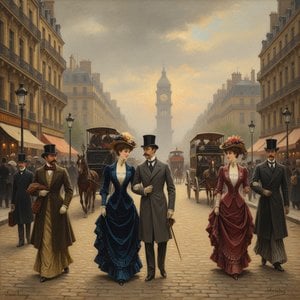
Jacques Joseph Tissot: A Chronicle of Parisian Life & Narrative Evolution
Explore the captivating world of Jacques Joseph Tissot, a master painter of Belle Époque society. Discover his realism, Impressionistic style, and lasting influence on art history. Learn more at ArtsDot.