

 Eelvaade
 Saada
Saada Jaga
Jaga
 Teave teose kohta

 Laadi alla
 Sarnased teosed
 Röntgenuuring
 Slaidietendus
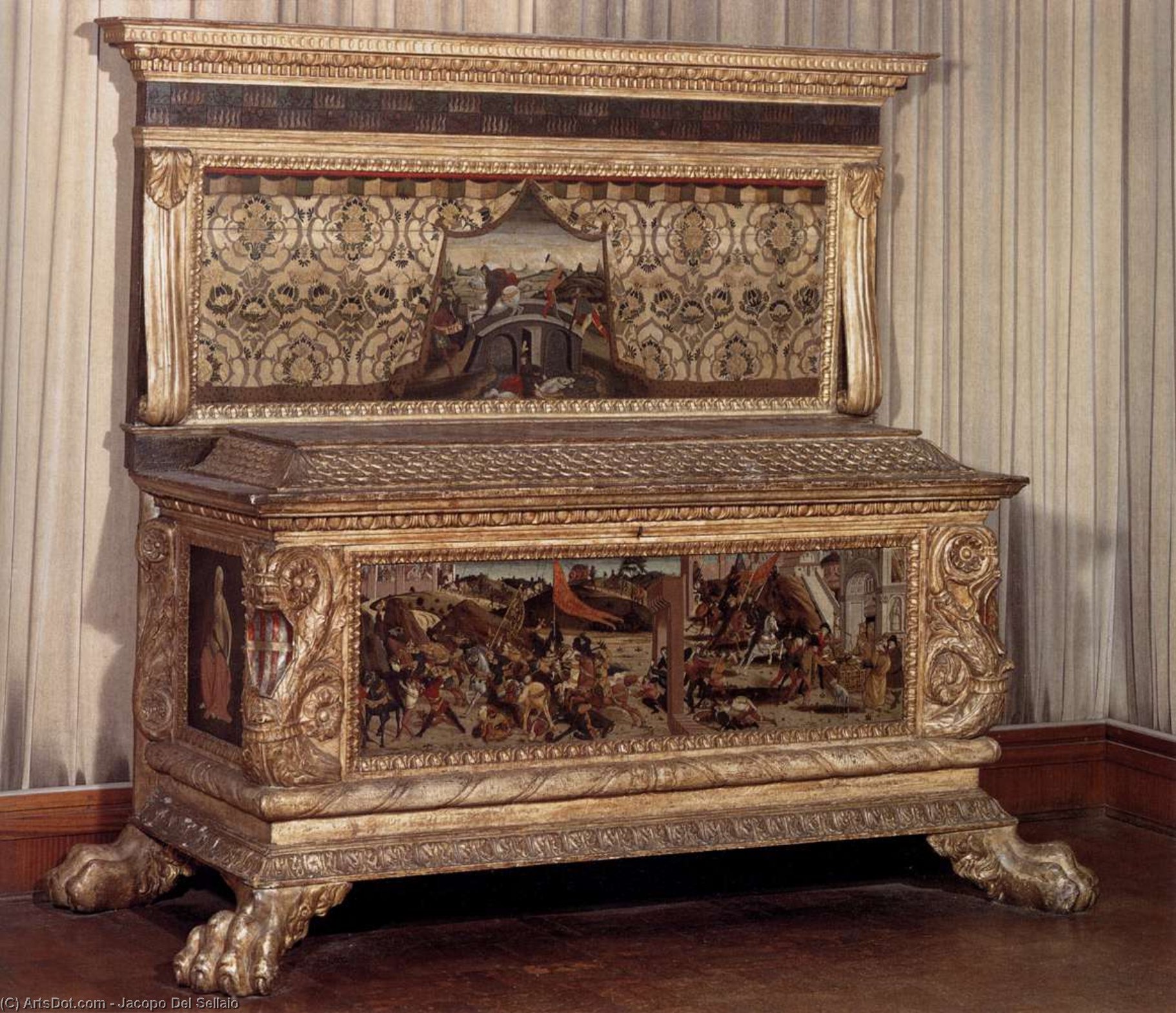
Cassone
 Tempera On Panel
- Renaissance Humanism
 1472
1472- Renaissance
 212.0 x 193.0 cm
 Courtauld Gallery
 Loe lähemalt
Giclée / Kunstiprint
Muuseumikvaliteediga giclée- või kangasprint kiire tootmisega ja paindlikud viimistlusvõimalused. ( Osta käsitsi maalitud maal Osta pilt)




P118B $10

P118H $10

P118W $10

P438Z $10

P508JH $12

P508YH $12

P805H $10

P805Z $10

P919BZ $10

P919G $10

P919XJ $10

P959ZH $10

P968JZ $12

W106C $8

W218G $10

W218JH $8

W218Y $10

W307PJ $10

W316G $10

W316PJ $8

W316Y $10

W398PJ $8

W4111J $10

W500HY $15

W500JH $15

W692G $12

W849H $8

W940BG $15

W953PJ $8




Vali meie eelmääratud suurused, mis vastavad teose algupärastele proportsioonidele.

Saate sisestada oma mõõdud, et need sobiks konkreetse raami või ruumi sisse. Kui valitud suurus ei vasta originaalteose proportsioonidele, lõigame teose ära või laiendame pilti peegeldatud või ühtlase servaga. Enne tootmisprotsessi algust saadetakse Teie kinnitamiseks digitaalne näidis.
Palun märka, et ekraanil kuvatav eelvaade ei kajasta tegelikku lõigamist või laiendamist. Ainult näidis kujutab täpselt lõplikku kompositsiooni.
Kuigi erimõõdu on saadaval, soovitame originaaproportsioonide säilitamiseks valida mõõt ette määratud nimekirjast.
Ülemaailmne tarne () 2 nädala jooksul, tavalise 4/5 nädala asemel. (16 august)

Tasuta ekspresssaatmine üle maailma

Kõrgekvaliteediline linakangas

Täielik transpordikindlustus

Tollimaksude tagastamise garantii

Värvitoime täpsuse garantii

60-päevane tagastusõig: ainult tootmisdefektide korral

100% raha tagasi garantii

Hulgusoodustus
 Klaasivalik on saadaval ainult suuruses kuni 110 cm

Cassone
Giclée / Kunstiprint
Reproduktsiooni suurus
-


Kogusumma
$ 62
Kogumuse kirjeldus
A Florentine Treasure: Exploring Jacopo del Sellaio’s Cassone
The Cassone – a monumental chest or cabinet – stands as a testament to the opulent artistic patronage of Renaissance Florence and represents more than just functional storage; it embodies elaborate craftsmanship, symbolic storytelling, and profound cultural values. This particular Cassone, dating back to 1472, attributed to Jacopo del Sellaio and Filippo di Giuliano’s workshop, offers a captivating glimpse into the aesthetic sensibilities of its era.- Subject Matter: The painting adorning this Cassone depicts a dynamic scene brimming with human activity – figures engaged in what appears to be a spirited celebration or procession. Precise details regarding the narrative remain debated amongst scholars, but the composition undeniably conveys energy and movement, capturing a moment frozen in time.
- Style & Technique: Del Sellaio’s style is characterized by its meticulous realism combined with an expressive handling of color and form. The artist skillfully employs tempera paint on wood panel – a technique favored during this period – achieving remarkable luminosity and tonal gradation. Careful attention to detail extends beyond the figures themselves; intricate carvings adorn the Cassone's surface, demonstrating exceptional skill in woodworking and sculptural artistry.
- Historical Context: Florence at the dawn of the 15th century was experiencing a surge of artistic innovation fueled by humanist ideals and papal commissions. Cassones served as status symbols for wealthy families, reflecting their prestige and commemorating significant life events – births, marriages, and funerals. This particular piece exemplifies the prevailing trend toward narrative decoration, where artists sought to convey moral lessons or commemorate familial lineage through elaborate imagery.
- Symbolism: The figures depicted within the Cassone are laden with symbolic significance. Scholars believe they represent allegorical representations of virtues – piety, prudence, justice, and fortitude – reflecting the humanist preoccupation with ethical conduct and spiritual contemplation. Furthermore, the positioning and gestures of the figures contribute to a broader narrative about honor, lineage, and familial devotion—themes central to Florentine aristocratic culture.
- Emotional Impact: Viewing this Cassone evokes a sense of wonder at the artistry of its time and invites contemplation on the values cherished by Renaissance society. The vibrant colors, combined with the expressive dynamism of the figures, stimulate the imagination and transport the viewer back to Florence’s golden age. It serves as an enduring reminder of the power of art to communicate complex ideas and emotions across centuries.
Sarnased teosed


Seotud artiklid

Jacopo Tintoretto: 25 meistriteost Veneetsia valgus ja dramaatilises kunstis | ArtsDot
Avastage Jacopo Tintoretto 25 võimsamat meistriteost! Sukeldu Veneetsia baroki dramaatilisse maailma, valguse ja varju mängu ning ajalooliste religioossete maalidena. Leia täiuslik seina kaunistus ArtsDot.com-is!

Museo Prado meistriteosed: 25 kunstihelmi Madridi südames | ArtsDot
Avastage Museo Prado 25 ikoonilist meistriteost! Velázquez, Goya ja El Greco – lugematu ajaloolise maali lood ning barokk-kunst. Leidke täiuslik kunstireprodutsioon kodukaunistamiseks ArtsDot.com-is.

Andrea del Sarto: Florentine Grace, Technical Mastery & Artistic Ambition
Explore the life & art of Andrea del Sarto, a Florentine Renaissance master renowned for harmonious compositions & technical brilliance. Discover his frescoes, portraits, and lasting influence on art history.
Prestiigi säilitamine kordustes: Kaasaegse galerii praktika strateegiline roll
Avastage strateegiad kunstikollektsiooni prestiiži säilitamiseks ja tõstmiseks. Eksperthinnangud, autentsuse kontroll, turundusnõuanded ning mainekate kunstnike valik. Investeerige targalt!

Lõuendist pärandiks: galeriikvaliteediga õlimaalide reprodutseerimise tehnika detailne uurimine hotellides ja kunstigaleriides
Avastage galeriikvaliteediga õlimaalide reprodutseerimise saladused! Detailne juhend hotellide ja kunstigaleriide jaoks. Materjalid, tehnikad, hooldusnõuanded ja ekspertkonsultatsioonid ArtsDot.com-is.

