

 Eelvaade
 Saada
Saada Jaga
Jaga
 Teave teose kohta
 Juhend

 Laadi alla
 Sarnased teosed
 Röntgenuuring
 Slaidietendus
 KÜSIMUSED JA VASTUSID
 Statistika
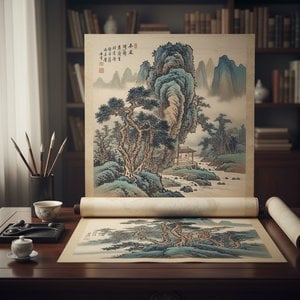
FLOWER

- 31.0 x 25.0 cm

 Loe lähemalt
Giclée / Kunstiprint
Muuseumikvaliteediga giclée- või kangasprint kiire tootmisega ja paindlikud viimistlusvõimalused. ( Osta käsitsi maalatud teos Lülita digitaalse pildi juurde)




































Vali meie eelmääratud suurused, mis vastavad teose algupärastele proportsioonidele.

Sisestage vajalik laius ja kõrgus, et see sobiks teie raamile või seinale. Trükki saab ainult lõigata, seda ei saa kunagi pildist suuremaks teha, seega ka erineva mustega suurus kaotab osa pildist. Enne trükkimist saadame teile kinnitamiseks digitaalse näidisprojektsiooni. Sellel lehel näidatud pilt ei kujuta reaalset lõiget — seda näitab ainult näidisprojektsioon.
Ülemaailmne tarne () 2 nädala jooksul, tavalise 4/5 nädala asemel. (15 november)

Tasuta ekspresssaatmine üle maailma

Kõrgekvaliteediline lina-kangas

Täielik transpordikindlustus

Tollimaksude tagastamise garantii

Värvitoime täpsuse garantii

100 päeva tagastusõigus (ainult valmistusdefektide korral)

100% raha tagasi garantii

Hulgusoodustus
 Klaasivalik on saadaval ainult kuni 110 cm suuruses teostes

FLOWER
Giclée / Kunstiprint
Reproduktsiooni suurus
-


Koguhind
€ 56
Sarnased teosed


Kunstniku elulugu
The Enduring Legacy of Hu Gongshou
Hu Gongshou, a vital force in contemporary Chinese art, embodies the spirit of tradition revitalized through personal expression. While biographical details remain somewhat elusive – a deliberate choice perhaps, reflecting his focus on the work itself rather than celebrity – his impact is undeniable. Born in China and continuing to create today, Hu Gongshou stands as a testament to the enduring power of classical techniques applied with a modern sensibility. He isn’t merely replicating the past; he's breathing new life into it, offering viewers a profound connection to centuries-old artistic principles while simultaneously grounding his work in the present moment. His art is not about grand narratives or political statements, but rather an intimate dialogue between artist, nature, and brushstroke.A Master of Ink: Technique and Style
Hu Gongshou’s mastery lies primarily in traditional Chinese ink painting – *shuimohua*. He excels in both freehand style (*xieyi*) and meticulous detail (*gongbi*), though his work is most recognized for its dynamic, expressive use of the former. His brushwork is characterized by a remarkable control of tonal variation, achieved through subtle gradations of ink density. This isn’t simply about depicting forms; it's about capturing their essence – the weight of a bamboo stalk, the texture of weathered rock, the fluidity of flowing water. He frequently incorporates calligraphy into his paintings, not as separate elements but as integral components that enhance the overall composition and convey poetic meaning. The characters themselves are often imbued with a painterly quality, blurring the lines between writing and visual art. His palette is typically restrained – blacks, grays, and washes of muted color – allowing the ink’s inherent qualities to take center stage. He favors subjects drawn from nature: landscapes, flowers, birds, bamboo, and occasionally figures, all rendered with a profound sensitivity and understanding of their underlying structure.Influences and Artistic Development
While specific teachers or early influences are not widely documented, Hu Gongshou’s work clearly demonstrates a deep immersion in the classical canon of Chinese painting. The legacy of the Four Wangs – Wang Wei, Wang Bo, Wang Yuantong, and Wang Jian – is evident in his landscapes, particularly his emphasis on atmospheric perspective and subtle modeling. He also draws inspiration from the literati painters of the Song Dynasty, whose works often prioritized spiritual expression over mere representation. However, Hu Gongshou doesn’t simply imitate these masters; he synthesizes their techniques with a distinctly personal vision. His artistic development appears to be one of continuous refinement – a relentless pursuit of technical perfection coupled with an increasingly sophisticated understanding of composition and expressive nuance. He avoids overt experimentation or stylistic departures, instead focusing on deepening his mastery of established forms and pushing the boundaries of what can be achieved within them.Themes and Symbolism in Hu Gongshou’s Art
The recurring motifs in Hu Gongshou's paintings are rich with symbolic meaning deeply rooted in Chinese culture. Bamboo, for example, represents resilience, integrity, and humility – qualities highly valued by Confucian scholars. Plum blossoms symbolize perseverance and hope, often blooming amidst the harshness of winter. Landscapes aren’t merely depictions of physical places; they represent inner states of mind, reflecting themes of solitude, contemplation, and harmony with nature. Birds frequently appear as symbols of freedom and spiritual aspiration.- Longevity: The pine tree is a common symbol representing longevity and steadfastness.
- Peace & Tranquility: Water motifs often evoke themes of peace, tranquility, and the cyclical nature of life.
- Scholarly Virtue: Orchids represent refinement, elegance, and scholarly virtue.
Historical Significance and Contemporary Relevance
Hu Gongshou’s significance lies in his ability to bridge the gap between tradition and modernity. In an era often dominated by Western artistic trends, he has remained steadfastly committed to the principles of Chinese painting, demonstrating that classical techniques can be just as relevant – and just as powerful – as contemporary approaches. He represents a continuation of a centuries-old artistic lineage, while simultaneously offering a fresh perspective on timeless themes. His work is not about rejecting the past; it’s about honoring it, preserving it, and ensuring its continued vitality for future generations. Hu Gongshou's art serves as a powerful reminder that true innovation often lies in deepening one’s understanding of tradition rather than abandoning it altogether. His paintings are increasingly sought after by collectors worldwide, solidifying his position as a leading figure in contemporary Chinese art and a vital voice for the preservation of cultural heritage.
Huang Shen
1687 - 1766 , People's Republic of China
Sarnased artiklid

The Beauty of Ink Wash: Discover Serene & Soulful Art for Your Home
Discover the tranquil beauty of ink wash painting. Explore how Sumi-e and monochrome landscapes bring Zen-inspired serenity and soulful elegance to your home decor through expert curation and timeless East Asian aesthetics.
Pu Xinyu's 'Puru': A Legacy of Literati Painting & Emotional Resonance
Explore the captivating world of Pu Xinyu (Puru), the last great literati painter. Discover his imperial heritage, masterful ink wash techniques & enduring legacy – a valuable addition to any discerning art collection.

Xie Zhiliu: A Legacy of Ink Wash Painting & Modern Chinese Literati Tradition
Explore the legacy of Xie Zhiliu, a master of Chinese ink wash painting & prominent figure in modern art. Discover his techniques, influences, and contributions to literati tradition. A guide for discerning collectors.

Ephemeral Expressions: Exploring the Nuances of Ink on Paper Through History & Contemporary Art
Explore the captivating world of ink wash painting – from its ancient origins to contemporary masters. Discover techniques, symbolism & conservation insights with ArtsDot.com.

19th Century Masterpieces: 10 Paintings That Defined an Era | ArtsDot
Journey through 19th century art with ArtsDot! Explore 10 iconic paintings – from Monet & Renoir to Courbet – and discover the stories behind Romanticism, Realism & Impressionism. Find museum-quality reproductions for your home decor. Explore the full collection online!