


 Jaga teost
 Jaga
Jaga
 Detailid
 Õppekate juhend

 Laadi alla
 Sarnased teosed
 Slaidietendus
 Statistika
A Miner at Work
 Sculpture
- Sculpture
- Contemporary Realism
 1942
1942- Modern
 49.0 x 49.0 cm
 Imperial War Museums
 Loe lähemalt
Sellel lehel kuvatav kunstiteos on kaitstud autoriõigusega, mis tähendab, et meil ei ole seaduslikku õigust luua või müüa identset reproduktsiooni. Seda kaitset rakendatakse rahvusvaheliste kokkulepete alusel, nagu näiteks Berne konventsioon ning riiklike seadustega, sealhulgas nendega, mida on sätestatud USA autoriõiguse seadus – 17. peatükk.
Austasena ja seaduslikuna alternatiivina pakume originaalist inspireeritud, käsitsi maalitud isikupärastatud teoseid. Meie osutavad ja professionalsed kunstnikud uurivad hoolikalt originaali stiili, meelemoi ja kunstilist olemust, et luua uus, ainulaadne teos, mis tekitab sama tunnet – olles samal ajal omaette originaalne looming.
See meetod järgib täielikult autoriõiguse reegleid, kuna see ei põhine kaitstud kunstiteose kopeerimisel või dupliteerimisel. Selle asemel on tegu loova reinterpreetatsiooniga – uue maaldisega, mis on algteosest inspireeritud, kuid ei ole sellest identiline.
Käsitsi valmistatud õlimaalireproduktsioon
Meie kunstnike poolt tellimusel valmistatud käsitsi maalitud õli-kainaste teos teie soovitud suuruses ja raamis. ( Lülita trükkitoodetele Ülemineku digitaalse pildi müügi kanalisse)




































Vali meie eelmääratud suurused, mis vastavad teose algupärastele proportsioonidele.

Sa võite sisestada oma mõõtmed konkreetse raami või ruumi sobivuse tagamiseks. Kui teie valitud suurus ei vasta originaalpildi proportsioonidele, siis kärvime kunstiteost või laiendame maali täiendavate käsitsi maalitud elementidega. Enne tootmise algust saadetakse teile heakskiitmiseks digitaalne eelvaade.
Palun pidage meeles, et ekraanil kuvatav eelvaade ei kajasta tegelikku kärpimist või laiendamist. Ainult eelvaade näitab täpselt lõplikku kompositsiooni.
Kuigi on saadaval kohandatud suurused, soovitame originaalproportsioonide säilimiseks valida mõõdud eelmääratletud nimekirjast.
Pärast tellimust saadab ArtsDot.com meeskond kliendile e-posti juhised ning esitab eelvaate kavandi
Maailmline tarne 3–4 nädala jooksul tavalise 5 nädala asemel. (11 oktoober). Kvaliteedis kompromisse ei tehta.

Tasuta ekspresssaatmine üle maailma

Kõrgekvaliteediline lina-kangastest muld

Täielik transpordikindlustus

Tollimaksude tagastamise garantii

Värvitoime täpsuse garantii

100 päeva tagastusõigus (ainult defektide korral)

100% raha tagasi garantii

Hulgusoodustus
 Klaasivalik on saadaval ainult kuni 110 cm suuruses teostes

A Miner at Work
Reproduktsiooni materjal
Reproduktsiooni mõõtmed
-


Lõppsumma
€ 226
A Poignant Encounter with Resilience
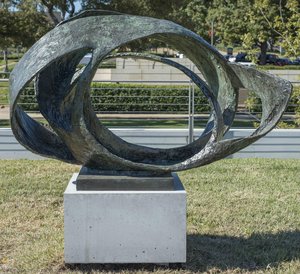
In the heavy, shadowed atmosphere of 1942, amidst the profound uncertainties of the Second World War, Henry Moore captured a moment of quiet, monumental strength in "A Miner at Work." This piece serves as much more than a mere depiction of industrial labor; it is a profound meditation on the human spirit under pressure. The artwork presents a solitary figure, a miner seated at the coal face, rendered through Moore’s signature lens of abstraction and simplified form. There is an immediate, visceral connection to the earth and the toil required to sustain a nation under siege, making the piece an evocative choice for those who appreciate art that speaks to the enduring power of perseverance.
The subject matter transcends simple portraiture, as Moore moves away from traditional realism to explore the very essence of the miner's existence. By utilizing geometric shapes and the strategic use of negative space, the artist invites the viewer to look through the form rather than just at it. The figure is hunched, absorbed in his task, a posture that simultaneously suggests the physical weight of the subterranean world and a psychological state of deep focus and quiet dignity. For collectors and designers, this work offers a sophisticated balance of heavy, grounded presence and an airy, intellectual lightness.
Mastery of Form and Texture
Technically, "A Miner at Work" is a masterclass in the Romanesco method, a process where the sculptor creates a hollow form and then meticulously removes material from the interior to reveal the underlying structure. This technique imbues the work with a remarkable tactile quality, creating a surface that feels organic and alive. The use of smooth, polished limestone allows for a precise geometric precision that contrasts beautifully with the rugged, natural themes of the piece. Every curve and hollow is intentional, designed to capture the essence of both the miner’s anatomy and the surrounding environment.
The historical context of the work adds a layer of profound emotional depth. Created during a time when coal mining was the lifeblood of the British economy, the sculpture resonates with the social fabric of communities like Wheldale Colliery. It captures the anxieties and the aspirations of an era defined by adversity. To possess a reproduction of this work is to hold a piece of history that symbolizes vulnerability transformed into strength. The interplay of light and shadow within its forms makes it a captivating centerpiece for any curated space, offering a sense of stability, reflection, and timelessness.
Küsimused ja vastused
Millist värviharmoniat esitab „A Miner at Work“, autor Henry Moore?
Teos „A Miner at Work“, autor Henry Moore kujutab esile Strong Color Unity värvharmooniat.
Kes on teose "A Miner at Work" kunstnik?
Teose "A Miner at Work" autoriks on mõeldud Henry Moore.
Mida „A Miner at Work“, autor Henry Moore kujutab ja milline on selle meeleolu?
Teos "A Miner at Work" kujutab teemasid coal mining, yorkshire, sculpture, form, labor, human figure, minimalism ning selle meeleolu on Dramatic.
Mis vanuses loos Henry Moore teose "A Miner at Work"?
Henry Moore loosutas teose "A Miner at Work" 44 aasta vanuses. Kunstnik on sündinud aastal 1898 ning teos on dateeritud 1942.
Millal loodi teos "A Miner at Work"?
Teos „A Miner at Work“, autor Henry Moore loodi aastal 1942.
Millal ja millistest materjalidest teos "A Miner at Work" on valmistatud?
"A Miner at Work" loodi aastal 1942, kasutades tehnikat Sculpture.
Kui intensiivsed on värvid teoses „A Miner at Work“, autor Henry Moore?
Teose "A Miner at Work" värvitoon on Monochromatic. Intensiivsus kirjeldab värvide sileduse ja tugevuse määra.
Sarnased teosed




Kunstniku elulugu
A Life Sculpted in Form: The World of Henry Moore
Henry Spencer Moore OM CH FBA (30 July 1898 – 31 August 1986) was an English visual artist. He is best known for his semi-abstract monumental bronze sculptures, which revolutionized modern British sculpture and cemented his place as one of the most influential artists of the twentieth century. Born in Castleford, Yorkshire, Moore’s early life instilled in him a profound appreciation for the natural world—a fascination that would permeate his artistic vision throughout his career. His father, Raymond Spencer Moore, was a self-taught man who championed education and steered Henry away from the traditional path of coal mining, recognizing his innate talent for modeling clay and carving wood. This formative experience nurtured a lifelong dedication to tactile exploration and established the bedrock for his sculptural endeavors.Early Influences and Artistic Education
Moore’s formal artistic training commenced at Leeds School of Art in 1913, where he honed his skills under the guidance of influential instructors who championed classical sculpture alongside emerging modernist movements like Cubism. Recognizing Moore's exceptional aptitude, they encouraged him to pursue advanced studies at the Royal College of Art in London in 1921, fostering a synthesis of artistic traditions that would define his distinctive style. During this period, he immersed himself in the study of Michelangelo’s sculptures and wrestled with the challenge of representing human form in an increasingly abstract context—a struggle that ultimately liberated him from representational constraints.The Breakthrough: Encountering Pre-Columbian Art
A transformative journey to Mexico in 1925 proved pivotal in shaping Moore's artistic trajectory. The encounter with Aztec sculptures profoundly impacted his aesthetic sensibilities, sparking a fascination with simplification and abstraction—a fascination that would propel him toward his signature style. He abandoned meticulous anatomical accuracy in favor of exploring organic forms and voids, mirroring the undulating curves of the Mexican landscape and reflecting a desire to capture the essence of human experience rather than its literal depiction. This stylistic shift signaled a decisive break from traditional sculpture and established Moore’s commitment to pursuing artistic innovation.Sculptural Style and Recurring Themes
Moore's sculptural style evolved over time, yet remained remarkably consistent—characterized by rounded, organic shapes that evoke a sense of fluidity and serenity. He frequently employed voids or openings within his sculptures, manipulating light and space to create dynamic visual effects. His most recognizable motifs included the *reclining figure*, which became synonymous with his name, and the *mother and child* theme—representations imbued with profound emotional depth and capturing the intimacy of familial bonds. These sculptures were not idealized portraits but honest explorations of human connection, often reflecting anxieties and uncertainties of their time. Moore’s artistic vision was informed by a deep appreciation for the Yorkshire landscape—a fascination that would permeate his oeuvre and contribute to its enduring beauty.Legacy and Recognition
Henry Moore's influence on twentieth-century art is undeniable. He championed abstraction as a means of conveying emotion and exploring fundamental questions about human existence, challenging conventional notions of form and space. His monumental bronzes transformed urban landscapes and inspired generations of artists—solidifying his reputation as one of Britain’s most celebrated sculptors. Throughout his life, Moore remained steadfast in his belief that art should be accessible to all, actively seeking opportunities to integrate his work into civic spaces and fostering artistic innovation through the establishment of the Henry Moore Foundation—a testament to his enduring legacy.- Notable Sculptures: *Reclining Figure*, *Family Group*, *Shelter Drawings*.
- Influential Movements: Modernism, Abstract Sculpture
- Key Characteristics: Rounded Forms, Organic Shapes, Void Spaces

Henry Moore
1898 - 1986 , Ühenduvaimkond
Lühikest infot
- Artistic Movement Or Style: Modernism, Abstrakti skulptuur
- Artists Who Influenced This Artist: ['Michelangelo']
- Date Of Birth: 30. juuli 1898
- Date Of Death: 31. august 1986
- Full Name: Henry Spencer Moore
- Nationality: Inglismaa
- Notable Artworks:
- Reclining Figure
- Family Group
- Shelter Drawings
- Place Of Birth: Castleford, Ühenduvaimmikond
Sarnased artiklid

Fernand Légeri 25 parimat teost: modernse kunsti meistriteosed teie interjööri jaoks
Avastage Fernand Légeri 25 parimat teost! Sukelduge modernse kunsti, kubismi ja tubismi maailma. Leidke inspiratsiooni interjööridisainiks ning ostke kvaliteetseid kunstireproduktsioone ArtsDot.com-ist. Avastage kogu kollektsioon veebis!

Kandinsky's Masterpieces: 25 Paintings That Define Abstract Art | ArtsDot
Journey through Wassily Kandinsky's 25 most iconic abstract paintings. Explore his revolutionary use of color, form & spiritual expressionism. Find museum-quality Kandinsky reproductions and elevate your home decor with ArtsDot.com. Discover all masterpieces on ArtsDot.com!

Beyond Form & Color: Geometric Abstraction's Evolution in 20th/21st Century Art
Explore the evolution of geometric abstraction from Cubism to contemporary art. Discover key artists like Malevich & Mondrian, investment insights, and expert collecting advice at ArtsDot.

Geomeetrilise Abstraktsiooni 10 Meisterteost: Kunst ja Kodukaunistus ArtsDot.com-is
Avastage geomeetrilise abstraktsiooni 10 suurteost – Kandinsky, Mondrian ja teised. Lugege kunstiteoste lugusid ning leidke inspiratsiooni kodukaunistuseks ArtsDot.com-is! Kunstikollektsioon ja reprodutsioonid.

Bronze Sculptures That Defined Art History | ArtsDot
Journey through art history with our Top 10 bronze sculptures! Explore masterpieces by Rodin, Michelangelo & more. Discover stories behind iconic statues and find museum-quality reproductions for your home decor at ArtsDot.com.


