

 Eelvaade
 Saada
Saada Jaga
Jaga
 Teave teose kohta
 Juhend

 Laadi alla
 Sarnased teosed
 Röntgenuuring
 Slaidietendus
 Q&A
Q&A Statistika
The Viva

- 77.0 x 141.0 cm


 Loe lähemalt
Giclée / Kunstiprint
Muuseumikvaliteediga giclée- või kangasprint kiire tootmisega ja paindlikud viimistlusvõimalused. ( Osta käsitsi maalatud teos Lülita digitaalse pildi juurde)




































Vali meie eelmääratud suurused, mis vastavad teose algupärastele proportsioonidele.

Sisestage vajalik laius ja kõrgus, et see sobiks teie raamile või seinale. Trükki saab ainult lõigata, seda ei saa kunagi pildist suuremaks teha, seega ka erineva mustega suurus kaotab osa pildist. Enne trükkimist saadame teile kinnitamiseks digitaalse näidisprojektsiooni. Sellel lehel näidatud pilt ei kujuta reaalset lõiget — seda näitab ainult näidisprojektsioon.
Ülemaailmne tarne () 2 nädala jooksul, tavalise 4/5 nädala asemel. (2 november)

Tasuta ekspresssaatmine üle maailma

Kõrgekvaliteediline lina-kangas

Täielik transpordikindlustus

Tollimaksude tagastamise garantii

Värvitoime täpsuse garantii

100 päeva tagastusõigus (ainult valmistusdefektide korral)

100% raha tagasi garantii

Hulgusoodustus
 Klaasivalik on saadaval ainult kuni 110 cm suuruses teostes

The Viva
Giclée / Kunstiprint
Reproduktsiooni suurus
-


Koguhind
€ 55
Sarnased teosed


Kunstniku elulugu
Early Life and Artistic Beginnings
Henry Jamyn Brooks, born in England in 1839, emerged as a significant chronicler of Victorian society through his meticulously detailed group portraits. While biographical details surrounding his early life remain somewhat scarce, it’s clear that he possessed an exceptional talent for capturing not just likenesses, but the very atmosphere and social dynamics of the gatherings he depicted. He wasn't merely painting faces; he was preserving moments in time, documenting the prominent figures and pivotal events of a rapidly changing era. Brooks initially honed his skills as a painter, developing a keen eye for realism and an impressive ability to render complex compositions with remarkable accuracy.
A Specialist in Societal Portraits
Brooks carved out a unique niche for himself by specializing in paintings of meetings, receptions, and formal events. This was a period fascinated by documentation and the preservation of history, and Brooks’ work directly catered to this desire. He became renowned for his ability to assemble large groups of identifiable individuals within a single canvas – often royalty, civic leaders, military personnel, and other members of high society. His paintings weren't simply portraits; they were social records, offering invaluable insights into the power structures, personalities, and customs of Victorian England. He was commissioned by numerous organizations to commemorate important occasions, including gatherings of the Corporation of Abingdon, Reading Borough Council, and even the inaugural meeting of the London County Council in 1889.
Technique and Style: Capturing Detail and Atmosphere
Brooks’ artistic style is characterized by a remarkable level of detail and precision. He employed a traditional oil painting technique, building up layers of color to create rich textures and realistic depictions of his subjects. His compositions are often formal and carefully arranged, reflecting the hierarchical nature of Victorian society. However, he also possessed a subtle ability to capture the nuances of human interaction – the expressions on faces, the gestures of hands, the overall atmosphere of the event. His paintings are not just visually accurate; they convey a sense of presence, as if the viewer is actually witnessing the scene unfold. He wasn’t afraid to include himself in his works, often subtly inserting a self-portrait amongst the crowd, becoming a silent observer and participant in the historical moments he immortalized.
Major Achievements and Notable Works
Among Brooks' most celebrated achievements is Private View of the Old Masters Exhibition, Royal Academy, 1888. This ambitious work features over sixty identifiable figures from the art world and beyond, including prominent artists like Sir John Everett Millais, William Holman Hunt, and George Richmond. The painting offers a fascinating glimpse into the social circles surrounding the Royal Academy and provides a valuable record of Victorian artistic life. Another notable piece is Sir James Dewar (1842–1923), Lecturing on Liquid Hydrogen at the Royal Institution, 1904, which captures a scene from the world of science, showcasing the renowned chemist in action. His painting of Queen Victoria receiving Lord Roberts and his staff upon their return from Africa also stands as a testament to his ability to portray significant historical events with dignity and accuracy.
Legacy and Historical Significance
Henry Jamyn Brooks’ legacy lies in his unique contribution to Victorian portraiture and social history. His paintings offer an unparalleled glimpse into the lives of prominent figures and the key moments that shaped the era. He wasn't concerned with grand narratives or idealized representations; he focused on capturing the reality of Victorian society, warts and all.
- His works serve as invaluable historical documents, providing insights into the power structures, social customs, and personalities of the time.
- Brooks’ meticulous attention to detail and his ability to assemble large groups of identifiable individuals make his paintings particularly fascinating for researchers and art enthusiasts alike.
- He demonstrated a remarkable skill in capturing not just likenesses but also the atmosphere and social dynamics of the gatherings he depicted, creating works that are both visually accurate and emotionally engaging.
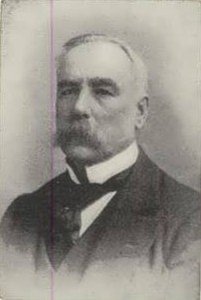
Henry Jamyn Brooks
1839 - 1925
Lühikest infot
- Artistic Movement Or Style: Victorian Portraiture
- Artists Who Influenced This Artist:
- William Holman Hunt
- John Everett Millais
- Date Of Birth: 1839
- Date Of Death: 1925
- Full Name: Henry Jamyn Brooks
- Nationality: British
- Notable Artworks:
- Sir James Dewar (1842–1923), Lecturing on Liquid Hydrogen at the Royal Institution, 1904
- Private View of the Old Masters Exhibition, Royal Academy, 1888
- The Viva
- Place Of Birth: England
Sarnased artiklid

The Enduring Legacy of Oil on Canvas: Technique, History & Aesthetic Impact
Explore the rich history & techniques of oil painting – from Renaissance masters to Impressionism. Discover pigments, layering methods, and why this timeless medium endures. Expert insights for artists & art enthusiasts.

Henri Matisse: 25 meistriteost värviküllase kunsti maailmast | ArtsDot
Avastage Henri Matisse 25 ikoonilist teost! Sukelduge värviküllase Fauvismi maailma, modernse kunsti ajaloosse ja inspireerige oma interjööri. Kvaliteetsed kunstireprodutsioonid ArtsDot.com-is. Avasta kogu kollektsioon online!

19th Century Masterpieces: 10 Paintings That Defined an Era | ArtsDot
Journey through 19th century art with ArtsDot! Explore 10 iconic paintings – from Monet & Renoir to Courbet – and discover the stories behind Romanticism, Realism & Impressionism. Find museum-quality reproductions for your home decor. Explore the full collection online!
Henry Scott Tuke: Sunlit Masculinity & the Pastoral Ideal in Victorian Painting
Explore the captivating world of Henry Scott Tuke's paintings – a master of British Impressionism renowned for his intimate depictions of youth and sunlit maritime scenes. Discover his legacy & aesthetic influence.

The Enduring Power of Painting: A Historical & Contemporary Exploration of Form and Emotion
Explore the rich history & enduring techniques of oil painting with ArtsDot. Discover masterpieces, learn about art collecting, and find authentic handmade reproductions crafted by skilled artists.