

 Eelvaade
 Saada
Saada Jaga
Jaga
 Teave teose kohta
 Juhend

 Laadi alla
 Sarnased teosed
 Röntgenuuring
 Slaidietendus
 KÜSIMUSED JA VASTUSID
 Statistika
untitled (8118)


 Loe lähemalt
Giclée / Kunstiprint
Muuseumikvaliteediga giclée- või kangasprint kiire tootmisega ja paindlikud viimistlusvõimalused. ( Osta käsitsi maalatud teos Lülita digitaalse pildi juurde)




P118B €10

P118H €10

P118W €10

P438Z €10

P508JH €12

P508YH €12

P805H €10

P805Z €10

P919BZ €10

P919G €10

P919XJ €10

P959ZH €10

P968JZ €12

W106C €8

W218G €10

W218JH €8

W218Y €10

W307PJ €10

W316G €10

W316PJ €8

W316Y €10

W398PJ €8

W4111J €10

W500HY €15

W500JH €15

W692G €12

W849H €8

W940BG €15

W953PJ €8




Vali meie eelmääratud suurused, mis vastavad teose algupärastele proportsioonidele.

Sisestage vajalik laius ja kõrgus, et see sobiks teie raamile või seinale. Trükki saab ainult lõigata, seda ei saa kunagi pildist suuremaks teha, seega ka erineva mustega suurus kaotab osa pildist. Enne trükkimist saadame teile kinnitamiseks digitaalse näidisprojektsiooni. Sellel lehel näidatud pilt ei kujuta reaalset lõiget — seda näitab ainult näidisprojektsioon.
Ülemaailmne tarne () 2 nädala jooksul, tavalise 4/5 nädala asemel. (8 november)

Tasuta ekspresssaatmine üle maailma

Kõrgekvaliteediline lina-kangas

Täielik transpordikindlustus

Tollimaksude tagastamise garantii

Värvitoime täpsuse garantii

100 päeva tagastusõigus (ainult valmistusdefektide korral)

100% raha tagasi garantii

Hulgusoodustus
 Klaasivalik on saadaval ainult kuni 110 cm suuruses teostes

untitled (8118)
Giclée / Kunstiprint
Reproduktsiooni suurus
-


Koguhind
€ 56
A Portrait of Melancholy: Unveiling Moreau’s ‘Untitled (8118)’
Gustave Moreau's “Untitled (8118)” is not merely a depiction of a woman on a cliff; it’s an immersion into the turbulent heart of Symbolist emotion. Painted in 1898, just before his death, this work embodies the culmination of Moreau’s lifelong pursuit to translate inner experience onto canvas – a quest fueled by a fascination with mythology, religion, and the profound mysteries of the human psyche. The scene unfolds with an arresting intensity: a solitary figure, rendered with meticulous detail, sits poised on the precipice, her arms wrapped protectively around herself, suggesting a deep-seated distress or perhaps a moment of profound contemplation. The swirling clouds above aren’t simply atmospheric effects; they are visual metaphors for inner turmoil and uncertainty, mirroring the woman's emotional state.
- Subject Matter: A female figure in a vulnerable posture, evoking themes of isolation, sorrow, and introspection.
- Setting: A dramatic cliffside location, symbolizing precariousness, transition, and the confrontation with existential questions.
- Composition: The central figure dominates the composition, surrounded by supporting elements that amplify the emotional weight of the scene.
The Language of Symbolism – Moreau’s Artistic Vision
Moreau was a pivotal figure in the Symbolist movement, rejecting the objective realism championed by his contemporaries. Instead, he sought to evoke moods and ideas through carefully constructed symbols and allegorical imagery. His technique involved layering translucent glazes—a hallmark of his style—to create an ethereal effect, imbuing the painting with a dreamlike quality. The use of rich, jewel-toned colors – deep blues, purples, and ochres – further contributes to this sense of otherworldly beauty and emotional depth. Notice the meticulous rendering of textures: the rough stone of the cliff, the flowing fabric of the woman’s garments, and the delicate feathers of the bird all contribute to a heightened sensory experience.
Historical Context & Influences
Born in Paris in 1826, Moreau's artistic development was profoundly shaped by his intellectual environment. His father, an architect and archivist, instilled in him a love for classical antiquity and the study of mythology – sources that would become central to Moreau’s artistic vocabulary. He initially received formal training at the École des Beaux-Arts, but quickly abandoned academic conventions in favor of exploring more esoteric themes. Influenced by artists like William Blake and Dante Gabriel Rossetti, Moreau sought to create works that were both beautiful and intellectually stimulating, inviting viewers to engage with complex ideas about spirituality, morality, and the human condition. The painting reflects a broader cultural shift towards valuing subjective experience over objective representation.
Symbolic Resonance & Emotional Impact
"Untitled (8118)" is laden with symbolic meaning. The woman’s posture suggests vulnerability and despair, while the bird soaring above represents hope or perhaps a fleeting escape from sorrow. The presence of multiple figures – some near, others distant – adds to the painting's complexity, hinting at the interconnectedness of human experience and the challenges of finding solace in isolation. Moreau’s masterful use of light and shadow further intensifies the emotional impact, creating a sense of dramatic tension and inviting viewers to contemplate their own feelings about loss, loneliness, and the search for meaning. This work continues to resonate with audiences today due to its timeless exploration of human emotion.
Korduvad küsimused
Miks on teose "untitled (8118)" autoriõiguste staatus selline, nagu see on?
Gustav Morelau teos "untitled (8118)" on avalikus õiguses – selle autoriõigud onหมดunud. Autoriõiguse kaitseajad arvutatakse alates kunstniku surmaõigustest ning Gustav Morelau suri aastal 1898.
Kas teos "untitled (8118)" on ilma autoriõigusteta?
Tegijateõiguse osas on teos "untitled (8118)" kuuluv klassifikatsiooni alla: avalikus õiguses – selle autoriõigud onหมดunud.
Milline on teose "untitled (8118)" atmosfäär?
Teose „untitled (8118)“, autor Gustav Morelau üldine meeleolu on Ethereal. See meeleolu kirjeldab teose üldist atmosfääri.
Sarnased teosed


Kunstniku elulugu
A Dream Weaver of Symbolism: The Life and Art of Gustave Moreau
Gustave Moreau, a name synonymous with the ethereal beauty and enigmatic depths of Symbolist painting, emerged from 19th-century Paris as a singular artistic voice. Born in 1826 into a bourgeois family—his father an architect and archivist—Moreau’s early life was steeped in intellectual curiosity and aesthetic sensibility. From a young age, he displayed a remarkable gift for drawing, nurtured through traditional academic training at the École des Beaux-Arts under figures like François-Édouard Picot. However, Moreau's artistic path would diverge sharply from the prevailing Realist and Impressionist currents of his time. He wasn’t interested in capturing fleeting moments or objective reality; instead, he sought to unlock the hidden realms of myth, religion, and the human psyche through a deeply personal and symbolic visual language. His journey was one of inward exploration, translating subjective emotions and spiritual yearnings onto canvas with an obsessive attention to detail and a vibrant, often opulent palette.The Forge of Imagination: Influences and Artistic Development
Moreau’s artistic development wasn't born in a vacuum. While rejecting the dominant trends of his era, he drew inspiration from diverse sources. The dramatic use of color and exotic subject matter found in the works of Eugène Delacroix resonated deeply with him, igniting a passion for narrative painting imbued with emotional intensity. He also held Renaissance masters like Michelangelo and Leonardo da Vinci in high esteem, admiring their mastery of composition, anatomy, and psychological insight. Yet, Moreau wasn’t merely imitating these artists; he was synthesizing their influences into something entirely new. His travels to Italy in the 1850s proved pivotal, immersing him in the art of antiquity and the Renaissance, providing a wealth of motifs and stylistic cues that would populate his future works. He meticulously copied Old Master paintings, not as an exercise in replication, but as a means of absorbing their techniques and unlocking their secrets. This dedication to craft, combined with his burgeoning interest in mythology and literature, laid the foundation for his unique artistic vision. Moreau’s formative years were marked by a profound engagement with intellectual currents shaping European thought. He devoured texts on philosophy, psychology, and mythology—particularly those exploring Jungian archetypes and Freud's psychoanalytic theories—influencing his artistic explorations into the subconscious mind. His fascination with Dante Alighieri’s *Inferno* fueled his imaginative depictions of hellish landscapes and tormented figures, reflecting a preoccupation with confronting existential anxieties. Simultaneously, he cultivated an admiration for the grandeur and spiritual solemnity of Byzantine art, absorbing its stylistic conventions—particularly the use of gold leaf and stylized iconography—which would become hallmarks of his own oeuvre.A World of Symbols: Themes and Techniques
Moreau’s paintings are not simply illustrations of myths or biblical stories; they are complex allegories that invite contemplation and interpretation. He delved into narratives like those of Salome, Orpheus, Jupiter and Semele, and countless others, not to retell them literally, but to explore their underlying psychological and spiritual truths. His canvases teem with symbolic imagery—serpents representing temptation, jewels signifying earthly desires, and figures embodying abstract concepts like grief, loss, or redemption. He masterfully created a dreamlike atmosphere through intricate detail, rich textures, and an often unsettling juxtaposition of light and shadow. Moreau’s technique was characterized by meticulous layering of paint, creating surfaces that shimmer with iridescent colors and evoke a sense of otherworldly beauty. His use of gold leaf further enhanced this effect, lending his works a Byzantine quality that underscored their spiritual dimension. He wasn't concerned with capturing realistic textures or perspectives; instead, he prioritized the expressive power of color and form to convey mood and meaning. Moreau’s artistic output spanned decades, producing over 15,000 paintings, watercolors and drawings—a staggering testament to his unwavering commitment to creative endeavor. His stylistic evolution mirrored broader shifts in artistic sensibilities throughout the Victorian era, transitioning from early academic realism toward a more expressive Symbolist style characterized by flattened perspectives and stylized forms. Recurring motifs included biblical figures—particularly Mary Magdalene—and mythological subjects—drawing heavily on Greco-Roman mythology and folklore—reflecting his enduring fascination with timeless narratives and archetypal imagery. Notable artworks include *Salome Dancing before Herod*, *Jupiter and Semele*, *Orpheus*, *The Apparition*, and *Desdemona*, each embodying Moreau’s distinctive visual language and conveying profound psychological insights.Legacy and Influence: The Enduring Power of Symbolism
Though initially met with mixed reactions, Moreau became a central figure in the burgeoning Symbolist movement during the 1890s. Unlike some of his contemporaries who actively sought public attention, he remained somewhat reclusive, preferring to work independently and avoid artistic debates. However, his influence was undeniable. In 1893, he accepted a professorship at the École des Beaux-Arts, where he profoundly impacted generations of artists, including Henri Matisse and Georges Rouault. He encouraged his students to embrace imagination, symbolism, and individual expression, urging them to break free from conventional artistic norms. While Symbolism eventually waned in popularity after Moreau’s death in 1898, his work experienced a significant reevaluation in the latter half of the 20th century. Today, he is widely regarded as one of the most important figures in the movement and a precursor to modern art. The Musée Gustave Moreau, housed in his former studio and home in Paris, stands as a testament to his enduring legacy—a sanctuary where visitors can immerse themselves in the captivating world of this extraordinary artist. His paintings continue to resonate with audiences today, offering glimpses into the hidden depths of the human soul and reminding us of the power of art to transcend the boundaries of reality.
Gustav Morelau
1826 - 1898 , Prantsusmaa
Lühikest infot
- Artistic Movement Or Style: Symbolism
- Artists Who Influenced This Artist:
- Eugène Delacroix
- Michelangelo
- Leonardo da Vinci
- Date Of Birth: 6. aprill 1826
- Date Of Death: 18. aprill 1898
- Full Name: Gustave Moreau
- Nationality: Prantslased
- Notable Artworks:
- Salome Dancing before Herod
- Jupiter and Semele
- Orpheus
- Place Of Birth: Pariis, Prantsuda
Sarnased artiklid

Giclée Prints: Archival Quality & Aesthetic Nuances for the Discerning Collector
Explore the world of giclée prints with ArtsDot. Learn about archival quality, aesthetic nuances & investment potential. Expert guidance for discerning art collectors seeking museum-quality reproductions and lasting value.

Echoes of Time: Exploring the Enduring Appeal & Historical Context of Vintage Art Prints
Explore the captivating world of vintage art prints! Discover their history, collecting tips & enduring appeal. Expert insights on chromolithography and building a legacy collection with ArtsDot.

Gustav Klimti 25 parimat teost: Kunsti ja luksuse meistriteosed teie interjööri
Avastage Gustav Klimti 25 parimat teost! Sukeldume Austria kunstniku kuldse perioodi, seessionismi ja sümbolismi maailma. Leidke inspiratsiooni interjööridisainiks ning ostke kvaliteetseid kunstireprodutsioone ArtsDot.com-is. Avastage täielik kollektsioon veebis!

Gustave Moreau: Symbolism's Enigmatic Visionary & Precursors of Modern Fantasy Art
Explore the captivating world of Gustave Moreau, the leading Symbolist painter. Discover his iconic masterpieces, influences, and lasting legacy. Expert analysis for collectors & art enthusiasts.
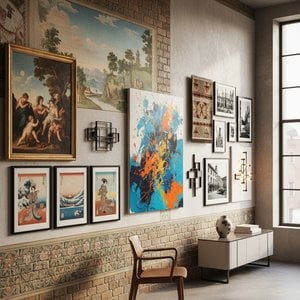
Transforming Spaces: A Comprehensive Exploration of Wall Decor Through Art History & Contemporary Practice
Explore the art of transforming spaces with our comprehensive guide to wall decor. From historical movements to contemporary trends, discover how to curate impactful interiors and commission bespoke artwork for a truly personalized aesthetic.


