


 Vaata sisu
 Jaga teost
 Jaga
Jaga
 Detailid
 Juhend

 Laadi alla
 Sarnased teosed
 Röntgenuuring
 Slaidietendus
 Statistika
The Prodigal Son
 Oil On Canvas
- WallArt
- Symbolist Painting
 1890
1890- 19th Century
 115.0 x 200.0 cm
 Loe lähemalt
Käsitsi valmistatud õlimaalireproduktsioon
Meie kunstnike poolt tellimusel valmistatud käsitsi maalitud õli-kainaste teos teie soovitud suuruses ja raamis. ( Lülita trükkitoodetele Ülemineku digitaalse pildi müügi kanalisse)




P118B $10

P118H $10

P118W $10

P438Z $10

P508JH $12

P508YH $12

P805H $10

P805Z $10

P919BZ $10

P919G $10

P919XJ $10

P959ZH $10

P968JZ $12

W106C $8

W218G $10

W218JH $8

W218Y $10

W307PJ $10

W316G $10

W316PJ $8

W316Y $10

W398PJ $8

W4111J $10

W500HY $15

W500JH $15

W692G $12

W849H $8

W940BG $15

W953PJ $8




Vali meie eelmääratud suurused, mis vastavad teose algupärastele proportsioonidele.

Sa võite sisestada oma mõõtmed konkreetse raami või ruumi sobivuse tagamiseks. Kui teie valitud suurus ei vasta originaalpildi proportsioonidele, siis kärvime kunstiteost või laiendame maali täiendavate käsitsi maalitud elementidega. Enne tootmise algust saadetakse teile heakskiitmiseks digitaalne eelvaade.
Palun pidage meeles, et ekraanil kuvatav eelvaade ei kajasta tegelikku kärpimist või laiendamist. Ainult eelvaade näitab täpselt lõplikku kompositsiooni.
Kuigi on saadaval kohandatud suurused, soovitame originaalproportsioonide säilimiseks valida mõõdud eelmääratletud nimekirjast.
Pärast tellimust saadab ArtsDot.com meeskond kliendile e-posti juhised ning esitab eelvaate kavandi
Maailmline tarne 3–4 nädala jooksul tavalise 5 nädala asemel. (21 september). Kvaliteedis kompromisse ei tehta.

Tasuta ekspresssaatmine üle maailma

Kõrgekvaliteediline lina-kangastest muld

Täielik transpordikindlustus

Tollimaksude tagastamise garantii

Värvitoime täpsuse garantii

100 päeva tagastusõigus (ainult defektide korral)

100% raha tagasi garantii

Hulgusoodustus
 Klaasivalik on saadaval ainult kuni 110 cm suuruses teostes

The Prodigal Son
Reproduktsiooni materjal
Reproduktsiooni mõõtmed
-


Lõppsumma
$ 263
A Visionary Descent into Symbolism
To gaze upon Gustave Moreau’s “The Prodigal Son” is to step beyond the veil of the visible world and enter a realm where the boundaries between reality and dream dissolve. Created around 1890, this masterpiece serves as a profound testament to the Symbolist movement, a period defined by an inward turn toward the mysteries of the human psyche. Moreau, often hailed as the "painter par excellence" of Symbolism, does not merely recount the biblical parable of the wayward son; he reimagines it as a haunting, psychological odyssey. The painting captures that pivotal moment of transition—the heavy weight of repentance meeting the ethereal promise of forgiveness. For the discerning collector or interior designer, this work offers more than just visual splendor; it provides a window into the spiritual anxieties and profound emotional depths that characterized the late 19th-century artistic consciousness.
The composition is a dynamic tapestry of movement and narrative tension. Within the frame, we encounter a scene teeming with life yet shrouded in an enigmatic atmosphere. A man, perhaps the son himself, is depicted in a suit atop a horse, navigating a landscape populated by a diverse assembly of figures and animals. The presence of horses and donkeys, scattered from the immediate foreground to the distant periphery, lends a sense of bustling, unfolding history to the piece. This orchestrated chaos is not random but serves to ground the allegorical weight of the story in a palpable, breathing world. The interplay between the central figures and the surrounding activity creates a rhythmic energy that draws the eye through the canvas, making the viewer an active participant in this unfolding drama of redemption.
The Alchemy of Technique and Light
Moreau’s technical mastery is evident in the luminous, almost otherworldly texture of the work. Eschewing the fleeting, light-drenched impressions of his contemporaries, Moreau utilized a more deliberate and layered approach to achieve a sense of permanence and depth. The palette is masterfully restrained, dominated by earthy, evocative tones—ochre, umber, and ivory—which coalesce to create a dreamlike, sepia-toned atmosphere. Through the careful application of oil on canvas, he achieves a remarkable luminosity, where light does not simply strike the surface but seems to emanate from within the layers themselves. This technique imbues the figures with a sculptural presence, making the textures of fabric and the musculature of the animals feel both tactile and transcendent.
For those seeking to integrate such a profound piece into a curated space, the aesthetic versatility of "The Prodigal Son" is remarkable. The muted, sophisticated color scheme allows it to serve as a soulful anchor in a room, providing a sense of historical gravity and intellectual depth. Whether placed in a contemporary gallery setting or a classic, richly textured study, the painting’s ability to command attention through subtle nuance rather than garish color makes it an exquisite choice for high-end decor. It is a work that rewards long, contemplative stares, offering new layers of detail and emotional resonance with every encounter.
A Legacy of Spiritual Resonance
Beyond its formal beauty, the true power of Moreau’s work lies in its symbolic polyvalence. As a pioneer of Symbolism, Moreau sought to express truths that words often fail to capture. In "The Prodigly Son," the physical journey of the returning traveler becomes an allegory for the soul's return to grace. Every element—from the starkness of the landscape to the weary posture of the figures—contributes to a larger meditation on morality, faith, and the enduring power of familial love. It is a painting that speaks to the universal human experience of loss and recovery, making it eternally relevant.
Owning a high-quality reproduction of this masterpiece allows one to bring this sense of spiritual inquiry into the modern home. It is an invitation to reflect, to dream, and to find beauty in the complexities of the human condition. For the art lover, it is a piece of history; for the designer, it is a cornerstone of atmosphere; and for the soul, it is a profound encounter with the sublime.
Sarnased teosed


Kunstniku elulugu
A Dream Weaver of Symbolism: The Life and Art of Gustave Moreau
Gustave Moreau, a name synonymous with the ethereal beauty and enigmatic depths of Symbolist painting, emerged from 19th-century Paris as a singular artistic voice. Born in 1826 into a bourgeois family—his father an architect and archivist—Moreau’s early life was steeped in intellectual curiosity and aesthetic sensibility. From a young age, he displayed a remarkable gift for drawing, nurtured through traditional academic training at the École des Beaux-Arts under figures like François-Édouard Picot. However, Moreau's artistic path would diverge sharply from the prevailing Realist and Impressionist currents of his time. He wasn’t interested in capturing fleeting moments or objective reality; instead, he sought to unlock the hidden realms of myth, religion, and the human psyche through a deeply personal and symbolic visual language. His journey was one of inward exploration, translating subjective emotions and spiritual yearnings onto canvas with an obsessive attention to detail and a vibrant, often opulent palette.The Forge of Imagination: Influences and Artistic Development
Moreau’s artistic development wasn't born in a vacuum. While rejecting the dominant trends of his era, he drew inspiration from diverse sources. The dramatic use of color and exotic subject matter found in the works of Eugène Delacroix resonated deeply with him, igniting a passion for narrative painting imbued with emotional intensity. He also held Renaissance masters like Michelangelo and Leonardo da Vinci in high esteem, admiring their mastery of composition, anatomy, and psychological insight. Yet, Moreau wasn’t merely imitating these artists; he was synthesizing their influences into something entirely new. His travels to Italy in the 1850s proved pivotal, immersing him in the art of antiquity and the Renaissance, providing a wealth of motifs and stylistic cues that would populate his future works. He meticulously copied Old Master paintings, not as an exercise in replication, but as a means of absorbing their techniques and unlocking their secrets. This dedication to craft, combined with his burgeoning interest in mythology and literature, laid the foundation for his unique artistic vision. Moreau’s formative years were marked by a profound engagement with intellectual currents shaping European thought. He devoured texts on philosophy, psychology, and mythology—particularly those exploring Jungian archetypes and Freud's psychoanalytic theories—influencing his artistic explorations into the subconscious mind. His fascination with Dante Alighieri’s *Inferno* fueled his imaginative depictions of hellish landscapes and tormented figures, reflecting a preoccupation with confronting existential anxieties. Simultaneously, he cultivated an admiration for the grandeur and spiritual solemnity of Byzantine art, absorbing its stylistic conventions—particularly the use of gold leaf and stylized iconography—which would become hallmarks of his own oeuvre.A World of Symbols: Themes and Techniques
Moreau’s paintings are not simply illustrations of myths or biblical stories; they are complex allegories that invite contemplation and interpretation. He delved into narratives like those of Salome, Orpheus, Jupiter and Semele, and countless others, not to retell them literally, but to explore their underlying psychological and spiritual truths. His canvases teem with symbolic imagery—serpents representing temptation, jewels signifying earthly desires, and figures embodying abstract concepts like grief, loss, or redemption. He masterfully created a dreamlike atmosphere through intricate detail, rich textures, and an often unsettling juxtaposition of light and shadow. Moreau’s technique was characterized by meticulous layering of paint, creating surfaces that shimmer with iridescent colors and evoke a sense of otherworldly beauty. His use of gold leaf further enhanced this effect, lending his works a Byzantine quality that underscored their spiritual dimension. He wasn't concerned with capturing realistic textures or perspectives; instead, he prioritized the expressive power of color and form to convey mood and meaning. Moreau’s artistic output spanned decades, producing over 15,000 paintings, watercolors and drawings—a staggering testament to his unwavering commitment to creative endeavor. His stylistic evolution mirrored broader shifts in artistic sensibilities throughout the Victorian era, transitioning from early academic realism toward a more expressive Symbolist style characterized by flattened perspectives and stylized forms. Recurring motifs included biblical figures—particularly Mary Magdalene—and mythological subjects—drawing heavily on Greco-Roman mythology and folklore—reflecting his enduring fascination with timeless narratives and archetypal imagery. Notable artworks include *Salome Dancing before Herod*, *Jupiter and Semele*, *Orpheus*, *The Apparition*, and *Desdemona*, each embodying Moreau’s distinctive visual language and conveying profound psychological insights.Legacy and Influence: The Enduring Power of Symbolism
Though initially met with mixed reactions, Moreau became a central figure in the burgeoning Symbolist movement during the 1890s. Unlike some of his contemporaries who actively sought public attention, he remained somewhat reclusive, preferring to work independently and avoid artistic debates. However, his influence was undeniable. In 1893, he accepted a professorship at the École des Beaux-Arts, where he profoundly impacted generations of artists, including Henri Matisse and Georges Rouault. He encouraged his students to embrace imagination, symbolism, and individual expression, urging them to break free from conventional artistic norms. While Symbolism eventually waned in popularity after Moreau’s death in 1898, his work experienced a significant reevaluation in the latter half of the 20th century. Today, he is widely regarded as one of the most important figures in the movement and a precursor to modern art. The Musée Gustave Moreau, housed in his former studio and home in Paris, stands as a testament to his enduring legacy—a sanctuary where visitors can immerse themselves in the captivating world of this extraordinary artist. His paintings continue to resonate with audiences today, offering glimpses into the hidden depths of the human soul and reminding us of the power of art to transcend the boundaries of reality.
Gustav Morelau
1826 - 1898 , Prantsusmaa
Lühikest infot
- Artistic Movement Or Style: Symbolism
- Artists Who Influenced This Artist:
- Eugène Delacroix
- Michelangelo
- Leonardo da Vinci
- Date Of Birth: 6. aprill 1826
- Date Of Death: 18. aprill 1898
- Full Name: Gustave Moreau
- Nationality: Prantslased
- Notable Artworks:
- Salome Dancing before Herod
- Jupiter and Semele
- Orpheus
- Place Of Birth: Pariis, Prantsuda
Sarnased artiklid
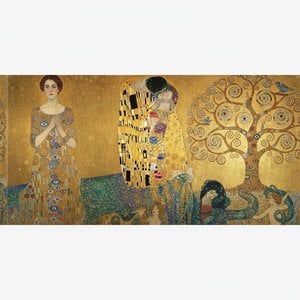
Gustav Klimti 25 parimat teost: Kunsti ja luksuse meistriteosed teie interjööri
Avastage Gustav Klimti 25 parimat teost! Sukeldume Austria kunstniku kuldse perioodi, seessionismi ja sümbolismi maailma. Leidke inspiratsiooni interjööridisainiks ning ostke kvaliteetseid kunstireprodutsioone ArtsDot.com-is. Avastage täielik kollektsioon veebis!

Gustave Moreau: Symbolism's Enigmatic Visionary & Precursors of Modern Fantasy Art
Explore the captivating world of Gustave Moreau, the leading Symbolist painter. Discover his iconic masterpieces, influences, and lasting legacy. Expert analysis for collectors & art enthusiasts.

The Noble Steed on Canvas: A Historical & Artistic Exploration of Horse Painting Across Cultures
Explore the rich history of horse painting! Discover masterpieces from Stubbs to Munnings & learn about symbolism, techniques & artists. Find museum-quality reproductions at ArtsDot.

The Equine Muse: A Historical & Artistic Exploration of Horses in Painting
Explore the captivating history of horses in painting! Discover Renaissance masterpieces, Baroque grandeur & expert insights for collecting equestrian art. Learn about symbolism, techniques & lasting value with ArtsDot.

Echoes of Olympus: Mythological Narratives in Western Art Through the Ages
Explore the captivating history of mythological narratives in Western art! From ancient Greece to modern masterpieces, discover iconic artworks & symbolism. Expert analysis and high-quality reproductions at ArtsDot.


