

 Eelvaade
 Saada
Saada Jaga
Jaga
 Teave teose kohta
 Juhend

 Laadi alla
 Sarnased teosed
 Röntgenuuring
 Slaidietendus
 KÜSIMUSED JA VASTUSID
 Statistika
Landscape with divinity


 Loe lähemalt
Sellel lehel kuvatav kunstiteos on kaitstud autoriõigusega, mis tähendab, et meil ei ole seaduslikku õigust luua või müüa identset reproduktsiooni. Seda kaitset rakendatakse rahvusvaheliste kokkulepete alusel, nagu näiteks Berne konventsioon ning riiklike seadustega, sealhulgas nendega, mida on sätestatud USA autoriõiguse seadus – 17. peatükk.
See meetod järgib täielikult autoriõiguse reegleid, kuna see ei põhine kaitstud kunstiteose kopeerimisel või dupliteerimisel. Selle asemel on tegu loova reinterpreetatsiooniga – uue maaldisega, mis on algteosest inspireeritud, kuid ei ole sellest identiline.
Giclée / Kunstiprint
Muuseumikvaliteediga giclée- või kangasprint kiire tootmisega ja paindlikud viimistlusvõimalused. ( Osta käsitsi maalatud teos Lülita digitaalse pildi juurde)




P118B €10

P118H €10

P118W €10

P438Z €10

P508JH €12

P508YH €12

P805H €10

P805Z €10

P919BZ €10

P919G €10

P919XJ €10

P959ZH €10

P968JZ €12

W106C €8

W218G €10

W218JH €8

W218Y €10

W307PJ €10

W316G €10

W316PJ €8

W316Y €10

W398PJ €8

W4111J €10

W500HY €15

W500JH €15

W692G €12

W849H €8

W940BG €15

W953PJ €8




Vali meie eelmääratud suurused, mis vastavad teose algupärastele proportsioonidele.

Sisestage vajalik laius ja kõrgus, et see sobiks teie raamile või seinale. Trükki saab ainult lõigata, seda ei saa kunagi pildist suuremaks teha, seega ka erineva mustega suurus kaotab osa pildist. Enne trükkimist saadame teile kinnitamiseks digitaalse näidisprojektsiooni. Sellel lehel näidatud pilt ei kujuta reaalset lõiget — seda näitab ainult näidisprojektsioon.
Ülemaailmne tarne () 2 nädala jooksul, tavalise 4/5 nädala asemel. (9 november)

Tasuta ekspresssaatmine üle maailma

Kõrgekvaliteediline lina-kangas

Täielik transpordikindlustus

Tollimaksude tagastamise garantii

Värvitoime täpsuse garantii

100 päeva tagastusõigus (ainult valmistusdefektide korral)

100% raha tagasi garantii

Hulgusoodustus
 Klaasivalik on saadaval ainult kuni 110 cm suuruses teostes

Landscape with divinity
Giclée / Kunstiprint
Reproduktsiooni suurus
-


Koguhind
€ 56
Landscape with Divinity: A Vision of Surreal Baroque
Giorgio de Chirico’s “Landscape with Divinity” stands as a cornerstone of Metaphysical Art, encapsulating the anxieties and aspirations of its time—the early 1920s—while simultaneously drawing upon profound artistic influences. Painted sometime between 1917 and 1921, this enigmatic canvas depicts an unsettling yet captivating tableau: a woman adorned with wings ascending through a hazy sky above a desolate townscape dominated by a solemn church spire. The scene pulsates with an otherworldly luminescence, hinting at hidden depths beneath the surface of everyday reality.- Style & Technique: De Chirico’s signature style—characterized by stark contrasts between light and shadow, flattened perspectives, and dreamlike stillness—is powerfully evident here. He employs a meticulous technique utilizing tempera on panel, layering thin washes of color to achieve an ethereal quality that defies conventional realism. The impasto texture adds physicality to the scene, grounding it in a tangible presence despite its surreal atmosphere.
- Historical Context: De Chirico’s artistic explorations coincided with the burgeoning intellectual currents of Nietzschean existentialism and Schopenhauerian pessimism. These philosophical ideas fueled his preoccupation with themes of isolation, decay, and the subconscious mind—concepts that permeate “Landscape with Divinity.” The painting reflects a broader cultural disillusionment following World War I, mirroring anxieties about societal transformation and the loss of traditional values.
- Symbolism & Imagery: The winged woman embodies both angelic grace and unsettling vulnerability, representing aspiration yet simultaneously hinting at entrapment within the confines of existence. Her outstretched hand cradles an unidentified object—a deliberate ambiguity that invites contemplation on hidden meanings and unspoken desires. The town itself serves as a symbol of urban alienation, mirroring the artist’s own feelings about the modern world.
- Emotional Impact: “Landscape with Divinity” evokes a profound sense of melancholy and wonder. Its unsettling beauty compels viewers to confront uncomfortable truths about human experience—the confrontation between hope and despair, certainty and doubt. The painting's stillness is punctuated by movement—the woman’s flight—creating a dynamic tension that captures the elusive nature of consciousness itself.
Connections to Artistic Influences
De Chirico’s vision owes considerable debt to artists who preceded him, notably Arnold Böcklin and Max Klinger. Böcklin's evocative landscapes—particularly “The Wanderer Above the Sea of Fog”—shared a preoccupation with sublime beauty and psychological depth, mirroring De Chirico’s desire to depict inner states projected onto external realities. Similarly, Klinger’s unsettling prints explored themes of decay and disillusionment, reflecting De Chirico’s engagement with Schopenhauerian pessimism. These influences solidified De Chirico's commitment to portraying the irrational forces shaping human perception.Exploring Further: Similar Works & Artistic Legacy
Consider examining “Il figlio del guerriero” and “Horse in a Landscape,” both masterpieces showcasing De Chirico’s distinctive style and thematic concerns. These paintings exemplify his masterful manipulation of color, texture, and composition to convey profound psychological states. Furthermore, De Chirico's influence extended beyond painting; he championed Metaphysical Art as a movement that challenged conventional artistic conventions and interrogated the fundamental questions of human existence—a legacy that continues to inspire artists today.ArtsDot Reproductions: Bringing De Chirico’s Vision Home
Discover breathtaking reproductions of “Landscape with Divinity” at ArtsDot.com, crafted by skilled artisans using archival pigments and printing techniques. Elevate your interior design or adorn your walls with a piece of art history—a testament to Giorgio de Chirico's enduring artistic brilliance. Browse our extensive collection and find the perfect artwork to resonate with your personal aesthetic.Korduvad küsimused
Milline toon on teoses „Landscape with divinity“, autor Giorgio De Chirico domineeriv?
Teose „Landscape with divinity“, autor Giorgio De Chirico domineeriv toon on Amber to Saffron. See toon on paleti alusvärv.
Kust kohalt Giorgio De Chirico korduvad teemad teoses "Landscape with divinity" ilmumisel?
"Landscape with divinity" kujutab teemasid landscape, divine presence, woman wings, town architecture, mythology symbolism, classical art, surreal imagery, flying figure, samal ajal kui Giorgio De Chirico tuntud teemad on baroque symbolism & nietzsche, classical myth & alienation, philosophical landscape vision, de chirico surreal style, iconic figure metaphysics. Nende kahe võrdlemine näitab, kuidas teos seobub kunstniku tavalistega motiividega.
Kuidas kontrast ja harmonii "Landscape with divinity" teoses ühes tuttuvad?
Teose „Landscape with divinity“, autor Giorgio De Chirico väruanalüüs on tuvastatud Statement kontrast ja Balanced Harmony harmoonia.
Sarnased teosed


Kunstniku elulugu
Giorgio de Chirico: A Dreamscape of the Mind
Giorgio de Chirico (10. mai 1888 Volos, Kreeka – 20. november 1978 Rooma, Itaalia) oli itaalia maalikunstnik, kes koos Carlo Carràga ja Giorgio Morandiaga asutas metafüüsilise maalilise stiili. Ta õppis Ateena polütehnikumis ja Müncheni Kunstiakadeemias. De Chirico oli mõjutatud Arnold Böcklini loomingu poolest ja Friedrich Nietzsche filosoofiast. Tema esimeste tööde perioodil olid tema huvid keskendunud klassikalisele arhitektuurile ning müüdi kunstniku Carlo Carràga koosolemusele metafüüsilise maalilise stiili põhimõtete kohta, mis ilmnevad de Chirico kõrgaja (1910–1918) teostes. Tema töö oli täielikult mõjutatud Arnold Böcklini ja Max Klingeri kunstniku tööd ning Friedrich Nietzsche filosoofiast.- Varane Elu ja Haridus: Giorgio de Chirico sündis Volos, Kreegas 1888. aastal itaalia päritoluga perele – Genoese ema ja Sicilian isa. Tema varased õppetööd Ateena polütehnikumis pakkusid talle klassikalise tehnika baasi, kuid Müncheni Kunstiakadeemia oli tema loomingulisele mõtete arengule kriitilise tähtsusega koht.
- Müncheni Kunstiakadeemia ja Esimese Maailmasööda Algus: Müncheni Kunstiakadeemias õppis de Chirico kunstniku Carlo Carràga koosolemusele metafüüsilise maalilise stiili põhimõtete kohta, mis ilmnevad de Chirico kõrgaja (1910–1918) teostes.
Metafüüsiline Maal ja Tema Põhimõtted
De Chirico püsis otsingutes sellega, kuidas saada täielikult mõjutatud Arnold Böcklini ja Max Klingeri kunstniku tööd ning Friedrich Nietzsche filosoofiast. Ta oli erityötegija metafüügilise maalilise stiili põhimõtete kohta koos Carlo Carràga ning Giorgio Morandiaga. Tema esimeste tööde perioodil olid tema huvid keskendunud klassikalisele arhitektuurile ning müüdi kunstniku Carlo Carràga koosolemusele metafüüsilise maalilise stiili põhimõtete kohta, mis ilmnevad de Chirico kõrgaja (1910–1918) teostes. Tema töö oli täielikult mõjutatud Arnold Böcklini ja Max Klingeri kunstniku tööd ning Friedrich Nietzsche filosoofiast. Ta püsis otsingutes sellega, kuidas saada täielikult mõjutatud Arnold Böcklini ja Max Klingeri kunstniku tööd ning Friedrich Nietzsche filosoofiast. Tema esimeste tööde perioodil olid tema huvid keskendunud klassikalisele arhitektuurile ning müüdi kunstniku Carlo Carràga koosolemusele metafüüsilise maalilise stiili põhimõtete kohta, mis ilmnevad de Chirico kõrgaja (1910–1918) teostes. Tema töö oli täielikult mõjutatud Arnold Böcklini ja Max Klingeri kunstniku tööd ning Friedrich Nietzsche filosoofiast.- “Sügisõhtu Mõistatus” ja Ühe Tänavaga Saladus: De Chirico suurim saavutus oli “Sügisõhtu Mõistatus”, mis kujutab endast täielikult mõjutatud Arnold Böcklini ja Max Klingeri kunstniku tööd ning Friedrich Nietzsche filosoofiast.
Surrealismi Ühine Põhimõte ja De Chirico Vägede Ühendamine
De Chirico oli erityötegija Surrealismi ühise põhimõtte kohta koos Pablo Picasso ja Guillaume Apollinairega ning Giorgio Morandiaga. Tema esimeste tööde perioodil olid tema huvid keskendunud klassikalisele arhitektuurile ning müüdi kunstniku Carlo Carràga koosolemusele metafüüsilise maalilise stiili põhimõtete kohta, mis ilmnevad de Chirico kõrgaja (1910–1918) teostes. Tema töö oli täielikult mõjutatud Arnold Böcklini ja Max Klingeri kunstniku tööd ning Friedrich Nietzsche filosoofiast. Ta püsis otsingutes sellega, kuidas saada täielikult mõjutatud Arnold Böcklini ja Max Klingeri kunstniku tööd ning Friedrich Nietzsche filosoofiast. Tema esimeste tööde perioodil olid tema huvid keskendunud klassikalisele arhitektuurile ning müüdi kunstniku Carlo Carràga koosolemusele metafüüsilise maalilise stiili põhimõtete kohta, mis ilmnevad de Chirico kõrgaja (1910–1918) teostes. Tema töö oli täielikult mõjutatud Arnold Böcklini ja Max Klingeri kunstniku tööd ning Friedrich Nietzsche filosoofiast.Pärand ja Tähtsus Kunstilises Histoorias
Giorgio de Chirico jäi maha mitte ainult suurepääradena maalitud tööde kogu, vaid ka uus nägemisviis – nägemisviis, mis väljendub metafüüsilise maalilise stiili põhimõtete kohta koos Pablo Picasso ja Guillaume Apollinairega ning Giorgio Morandiaga. Tema suurim saavutus oli “Sügisõhtu Mõistatus”, mis kujutab endast täielikult mõjutatud Arnold Böcklini ja Max Klingeri kunstniku tööd ning Friedrich Nietzsche filosoofiast. Ta püsis otsingutes sellega, kuidas saada täielikult mõjutatud Arnold Böcklini ja Max Klingeri kunstniku tööd ning Friedrich Nietzsche filosoofiast. Tema esimeste tööde perioodil olid tema huvid keskendunud klassikalisele arhitektuurile ning müüdi kunstniku Carlo Carràga koosolemusele metafüüsilise maalilise stiili põhimõtete kohta, mis ilmnevad de Chirico kõrgaja (1910–1918) teostes. Tema töö oli täielikult mõjutatud Arnold Böcklini ja Max Klingeri kunstniku tööd ning Friedrich Nietzsche filosoofiast. Ta püsis otsingutes sellega, kuidas saada täielikult mõjutatud Arnold Böcklini ja Max Klingeri kunstniku tööd ning Friedrich Nietzsche filosoofiast. Tema esimeste tööde perioodil olid tema huvid keskendunud klassikalisele arhitektuurile ning müüdi kunstniku Carlo Carràga koosolemusele metafüüsilise maalilise stiili põhimõtete kohta, mis ilmnevad de Chirico kõrgaja (1910–1918) teostes. Tema töö oli täielikult mõjutatud Arnold Böcklini ja Max Klingeri kunstniku tööd ning Friedrich Nietzsche filosoofiast.
Giorgio De Chirico
1888 - 1978 , Kreeka
Lühikest infot
- Artistic Movement Or Style: Metafüüsiline kunst
- Artists Who Influenced This Artist:
- Arnold Böcklin
- Max Klinger
- Friedrich Nietzsche
- Date Of Birth: 10. mai 1888
- Date Of Death: 20. novembril 1978
- Full Name: Giorgio de Chirico
- Nationality: Itaalia
- Notable Artworks:
- Väsimuse mõistatus
- Talvepäev õhtul
- Armastuselu
- Place Of Birth: Volos, Kreeka
Sarnased artiklid

The Dramatic Flourish: Exploring the Baroque Movement's Enduring Legacy in Art History
Explore the dramatic world of Baroque art! Discover iconic artists like Caravaggio & Rubens, defining techniques, and its lasting impact on art history. Expert insights for collectors & enthusiasts at ArtsDot.

The Visceral Stage: Exploring Dramatic Narratives & Emotional Intensity in Baroque Art
Explore the dramatic world of Baroque art! Discover iconic masters like Caravaggio & Rembrandt, their techniques, and the movement's lasting impact. Expert insights for collectors & enthusiasts at ArtsDot.
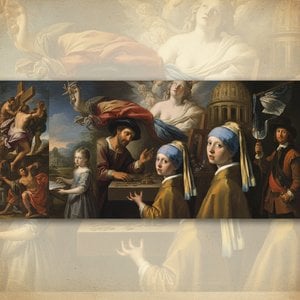
Baroki tippteosed: 10 kunstiteost, mis muutisid maailma
Sukeldu baroki maailma! Avasta 10 meistriteost, mis defineerisid kunstivoolu – Rembrandt, Caravaggio jt. Loe lugusid, vaata värve ja naudi ajatu ilu. Leia inspiratsiooni interjööriks ArtsDot.com-ist!

Baroki draama ja luksus: Kuidas ajalooline elegants kaasaegsesse interjööri tuua
Avastage baroki maalide võlu ArtsDot'is! Käsitsi valmistatud reproduktsioonid, fotodest maalid ja ekspertkonsultatsioonid. Toome ajaloolise elegantsi Teie interjööri. Kvaliteet garanteeritud!

Theatricality & Triumph: Baroque Drama in Painting & Sculpture
Explore the dramatic world of Baroque art! Discover its history, defining characteristics, & lasting influence on painting & sculpture. Expert insights into Caravaggio, Zurbarán, and Bernini – plus high-quality reproductions at ArtsDot.


