


 Vaata sisu
 Jaga teost
 Jaga
Jaga
 Detailid
 Õppekate juhend

 Laadi alla
 Sarnased teosed
 Röntgenuuring
 Slaidietendus
 Statistika
Concert on a Balcony
 Acrylic On Canvas
- WallArt
- Baroque
 1624
1624 168.0 x 178.0 cm
 Louvre'i muuseum
 Loe lähemalt
Käsitsi valmistatud õlimaalireproduktsioon
Meie kunstnike poolt tellimusel valmistatud käsitsi maalitud õli-kainaste teos teie soovitud suuruses ja raamis. ( Lülita trükkitoodetele Ülemineku digitaalse pildi müügi kanalisse)




P118B €10

P118H €10

P118W €10

P438Z €10

P508JH €12

P508YH €12

P805H €10

P805Z €10

P919BZ €10

P919G €10

P919XJ €10

P959ZH €10

P968JZ €12

W106C €8

W218G €10

W218JH €8

W218Y €10

W307PJ €10

W316G €10

W316PJ €8

W316Y €10

W398PJ €8

W4111J €10

W500HY €15

W500JH €15

W692G €12

W849H €8

W940BG €15

W953PJ €8




Vali meie eelmääratud suurused, mis vastavad teose algupärastele proportsioonidele.

Sisestage vajalik laius ja kõrgus, et teos sobiks teie raamile või seinale. Kuna tegu on käsipainatud teosega, siis erineva kujuga suuruse korral võib kunstnik jätta pildi ümber veidi rohkem marginaali või lõigata osa ära — valik on teie. Enne maali alustamist saadame teile kinnitamiseks digitaalse näidisprojektsiooni. Sellel lehel näidatud pilt ei kajasta tegelikku tulemust — seda näitab ainult näidisprojekttsioon.
Pärast tellimust saadab ArtsDot.com meeskond kliendile e-posti juhised ning esitab eelvaate kavandi
Maailmline tarne 3–4 nädala jooksul tavalise 5 nädala asemel. (19 oktoober). Kvaliteedis kompromisse ei tehta.

Tasuta ekspresssaatmine üle maailma

Kõrgekvaliteediline lina-kangastest muld

Täielik transpordikindlustus

Tollimaksude tagastamise garantii

Värvitoime täpsuse garantii

100 päeva tagastusõigus (ainult defektide korral)

100% raha tagasi garantii

Hulgusoodustus
 Klaasivalik on saadaval ainult kuni 110 cm suuruses teostes

Concert on a Balcony
Reproduktsiooni materjal
Reproduktsiooni mõõtmed
-


Lõppsumma
€ 229
The Scene Unfolds: A Glimpse into 17th Century Life
Gerard van Honthorst’s “Concert on a Balcony,” painted in 1624, isn't merely a depiction of musicians; it’s a carefully constructed tableau vivant – a stage for observing human interaction and the subtle drama of everyday life. The painting transports us to a richly furnished interior, likely a wealthy household’s salon or perhaps a private entertainment space. The setting itself is crucial: a balcony overlooking a darkened street, suggesting an evening gathering, a moment of respite from the bustling city below. Notice how Honthorst masterfully uses light – not as a simple illumination, but as a powerful tool to shape our perception and draw attention to key elements within the scene. The warm glow emanating from candles casts long shadows, creating depth and intimacy while simultaneously highlighting the faces and instruments of the performers.
- The Musicians: A woman with a guitar, a violinist, and two singers – each rendered with remarkable detail, capturing their expressions and gestures.
- The Child: The presence of a young child, likely being held by one of the performers, adds an element of innocence and vulnerability to the scene, subtly contrasting with the more worldly activities unfolding around him.
- The Book: A book resting on the stage – a detail that hints at the possibility of a theatrical performance or perhaps a musical rehearsal, grounding the scene in a specific context.
Masterful Technique: Caravaggism and the Art of *Tenebrismo*
Honthorst’s style is deeply rooted in the innovations of Caravaggio, a movement known as *Caravaggism*. This Italian painter revolutionized art by employing what's called *tenebrismo*, a dramatic technique characterized by stark contrasts between light and dark. In “Concert on a Balcony,” this is immediately apparent. The foreground is bathed in a warm, almost theatrical light, while the background fades into deep shadow. This creates a powerful sense of depth and draws our eye to the central figures – the musicians engaged in their performance. Honthorst’s brushwork is loose and expressive, contributing to the painting's dynamic energy. He doesn’t meticulously render every detail; instead, he focuses on capturing the essence of the scene through color, light, and movement.
Color Palette:** The dominant colors are rich browns, reds, and golds, reflecting the opulence of the setting and the performers' attire. The use of deep blues and blacks in the background creates a sense of mystery and distance.Symbolism and Interpretation: More Than Just a Musical Gathering
Beyond its surface depiction of musicians playing music, “Concert on a Balcony” invites us to contemplate broader themes. The scene suggests a celebration of community, artistry, and the pleasures of social interaction. The balcony itself can be interpreted as a threshold – a space between private intimacy and public performance. It’s a place where individuals come together to share their talents and create moments of beauty. Some art historians have suggested that the painting also reflects the anxieties of the time, with the darkness representing uncertainty and the light symbolizing hope and prosperity. The inclusion of the child adds another layer of meaning, perhaps hinting at the future generation of artists and musicians.
A Timeless Appeal: Reproduction and Interior Design
Gerard van Honthorst’s “Concert on a Balcony” remains a captivating work of art due to its masterful composition, dramatic lighting, and evocative atmosphere. Reproductions offer an accessible way to bring this scene into your home or office, adding a touch of elegance and sophistication. When selecting a reproduction, consider the quality of the print and the framing – a rich, dark frame will best complement the painting’s chiaroscuro effect. This artwork is not just a visual representation; it's an invitation to step back in time and experience the vibrant energy of 17th-century life. Its timeless appeal makes it a perfect addition to any art collection or a striking focal point for interior design.
Küsimused ja vastused
Mis on soovitatav trükimõõt teosele "Concert on a Balcony"?
Soovitatav trükimõõt teosele „Concert on a Balcony“, autor Gerard Van Honthorst on Medium.
Millised on teose "Concert on a Balcony" reprodutseerimissõjaõigused Louvre'i muuseum kogumuses?
Originaalteos "Concert on a Balcony" asub Louvre'i muuseum kogumuses ning teos on avalikus õiguses – selle autoriõigud onหมดunud.
Millist tooni suundub "Concert on a Balcony"?
Teose „Concert on a Balcony“, autor Gerard Van Honthorst läbimõtes on tunda Amber to Saffron toonist.
Sarnased teosed


Kunstniku elulugu
Valguse ja Varju Meister: Gerard van Honhorsti Elu ja Kunst
Gerard van Honthorst sündis Utrechtis 1592. aastal, kujunedes oluliseks figuuriks Hollandi Kuldajastu kunstimaailmas. Algselt juhendas teda isa, dekoratiivmaalija, kuid noore Gerardi talent õitses Abraham Bloemaerti õpetuse all, mis andis tugeva aluse joonistamisel ja kompositsioonis. Ent pöördeliseks kujunes reis Rooma, mis muutis tema kunstilist arengut drastiliselt. Seal, Itaalia baroki kirelises atmosfääris kohtas ta Caravaggio läbimurret – see kohtumine määras tema signatuurstildi ja teenis talle nime “Gherardo delle Notti,” ehk Gerard Ööde Gerard. Tenebrismi dramaatiline kasutamine, tehnika, mis rakendas teravaid kontraste valguse ja varju vahel, sai Honhorsti tunnusjooneks, täites tema lõuendeid palpeltse dramaatilise intensiivsusega. Ta ei jäljendanud Caravaggiot lihtsalt; ta tõlgendas itaalia meistri uuendusi eripäraseks hollandi tundlikkuseks, keskendudes intiimsetele stseenidele, mida valgustasid kunstlikud valgusallikad – küünlad, lambid ja tulekahjud –, luues atmosfääri, mis oli nii realistlik kui ka sügavalt teatriline. See valguse meisterlikkus ei olnud pelgalt tehniline oskus; see oli vahend karakteri paljastamiseks, vaataja kaasamiseks iga stseeni emotsionaalsesse tuumas.Rooma Kiitusest Hollandi Meistrivõimule
Honhorsti aeg Roomas oli märkimisväärse edu ja patroonide soosingu all. Ta leidis poolehoidu linna eliidi seas, sealhulgas Vincenzo Giustinianilt, kelle jaoks ta lõi võimsa “Kristus Ülempreestri Ees”, teose, mis näitab tema meisterlikkust valguse ja varju käsitlemisel. See maali, mis asub nüüd Londoni Rahvusgaleriis, demonstreerib mitte ainult tema tehnilist oskust, vaid ka tema võimet edasi anda sügavat psühholoogilist sügavust oma figuurides. Ta kindlustas oma mainet veelgi Cosimo II de' Medici, Toscana suurhertsogi jaoks töötades, näidates kohanemisvõimet ja mitmekülgsust, mis teenis teda hästi kogu tema karjääri jooksul. Umbes 1620. aastal Utrechtisse naastes etableeris Honhorst kiiresti end Hollandi Vabariigis juhtiva portreekunstnikuna. Tema võime tabada mitte ainult füüsilist sarnasust, vaid ka oma istujate karakterit ja sotsiaalset staatust tegi temast väga nõutud rikkalikelt kaupmeestelt, aadlikelt ja isegi kuninglikult. Ta sai 1623. aastal Utrechti Pühale Luke Gildile presidendiks, mis oli tunnistus tema kasvavast mõjust kunstikogukonnas. See periood nägi tellimuste õitsengut, võimaldades Honhortsil täiustada oma stiili ja luua eripärase hääle Hollandi maalikunstis.Kõrghovi Kunstnik: Tellimused ja Koostööd
Honhorsti ande ulatas kaugele Hollandi piiridest. Tema töö pälvis Sir Dudley Carletoni tähelepanu, kes soovitas teda innukalt silmapaistvate inglise aristokraatide nagu Arundeli krahvi ja Lord Dorchesteri jaoks. See viis tellimusteni kuninganna Elizabeth of Bohemia-lt, kelle ta palkas nii maalijana kui ka joonistusõpetajana oma lastele. Need kuninglikud ühendused kulmineerusid oluliste töödega, nagu Charlesi ja Henrietta Maria allegooriline kujutus Diana ja Apollona rollis, mis asub nüüd Hampton Court Palace’is. Honhorsti valmisolek teiste kunstnikutega koostööd teha räägib tema avatud meelsusest ja kunstilisest heldsusest. Ta võõrustas kuulsalt Peter Paul Rubensit Utrechtis külastades, maalides teda mängulises stseenis, kujutades Diogenest ausa mehe otsimas – tunnistus vastastikustest austusest nende kahe baroki hiiglase vahel. Kuigi mõned koostööprojektid, nagu “Kristuse kinnipüüdmine”, olid algselt täielikult Honhortsile omistatud, on kaasaegne teadusuuring näidanud teiste kunstnikute panust, mis rõhutab selle perioodi kunsti tootmise keerukat dünaamikat. Need koostööd ei olnud lihtsalt töökoormuse jagamine; need olid intellektuaalsed vahetused, mis rikastasid kunstilist maastikku.Pärand ja Utrechti Caravaggisti
Gerard van Honhorsti mõju kajas kaugele tema eluea piiridest. Ta oli võtmeisik Utrecht Caravaggisti liikumises – Hollandi maalikunstnike grupis, kes omaksid Caravaggio dramaatilise realismi ja tenebrismi. Koos kunstnikute nagu Hendrick ter Brugghen ja Dirck van Babureniga aitas ta luua eripärast hollandi tõlgendust Itaalia baroki stiilist. Tema rõhk žanristseenidel, mida valgustasid kunstlikud valgusallikad, tema meisterlikud portreed ja tema võime edasi anda emotsionaalset sügavust oskusliku chiaroscuro kasutamise kaudu jätsid kustumatu jälje Hollandi Kuldajastu maalikunsti arengusse. Isegi tema vend, Willem van Honhorst, järgnes tema jälgedes, kuigi sageli töödega, mis olid algselt omistatud Gerardile stiililiste sarnasuste tõttu.- Honhorsti maalid võluvad tänaseni publikut.
- Tema dramaatiline ilu ja psühholoogiline sügavus on kestvad kvaliteedid.
- Ta kinnistas oma koha kunstiajaloo oluliseks figuuriks.

Gerard Van Honthorst
1590 - 1656 , Holland
Lühikest infot
- Artistic Movement Or Style: Barokk, Karavaggism
- Artists Or Movements Influenced By This Artist: ['Utrecht Caravaggisti']
- Artists Who Influenced This Artist: ['Caravaggio']
- Date Of Birth: 1590
- Date Of Death: 1656
- Full Name: Gerard van Honthorst
- Nationality: Hollandlane
- Notable Artworks:
- Kristus aias
- Õhtusöögi pidu
- Diana ja Apollo
- Place Of Birth (City And Country): Utrecht, Holland
Sarnased artiklid
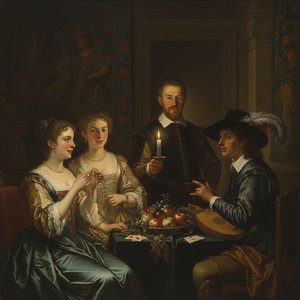
Gerard van Honthorst: Illuminating the Dutch Golden Age with Caravaggism & Courtly Grace
Explore the captivating world of Gerard van Honthorst, a Dutch Golden Age master renowned for his dramatic chiaroscuro & courtly portraits. Discover his life, art, and lasting influence on Baroque painting.

Sir Anthony van Dyck: Courtly Portraiture & the Shaping of Baroque Identity
Explore the life & legacy of Sir Anthony van Dyck, the leading court painter of his era. Discover his innovative portraiture, Baroque masterpieces, and investment potential for discerning collectors. Learn more at ArtsDot.
Harmonies on Canvas: Exploring the Visual Representation of Music in Art History
Explore the fascinating history of music's visual representation in art! From ancient symbolism to modern abstraction, discover how artists have captured sound and emotion on canvas. Expert insights & stunning examples.

Rembrandti 25 meistriteost: Valgus ja varjud Hollandi kuldajast kunstikollektsioonis
Avastage Rembrandti 25 meistriteost! Hollandi kuldajastu barokkmaalid, portreed ja ajaloolised stseenid. Leidke inspiratsiooni interjööri kujunduseks või soetage luksuslik Rembrandt reproduktsioon ArtsDot.com-ist. Avastage kogu kollektsioon veebis!

Baroki tippteosed: 10 kunstiteost, mis muutisid maailma
Sukeldu baroki maailma! Avasta 10 meistriteost, mis defineerisid kunstivoolu – Rembrandt, Caravaggio jt. Loe lugusid, vaata värve ja naudi ajatu ilu. Leia inspiratsiooni interjööriks ArtsDot.com-ist!
