

 Eelvaade
 Saada
Saada Jaga
Jaga
 Teave teose kohta

 Laadi alla
 Sarnased teosed
 Röntgenuuring
 Slaidietendus
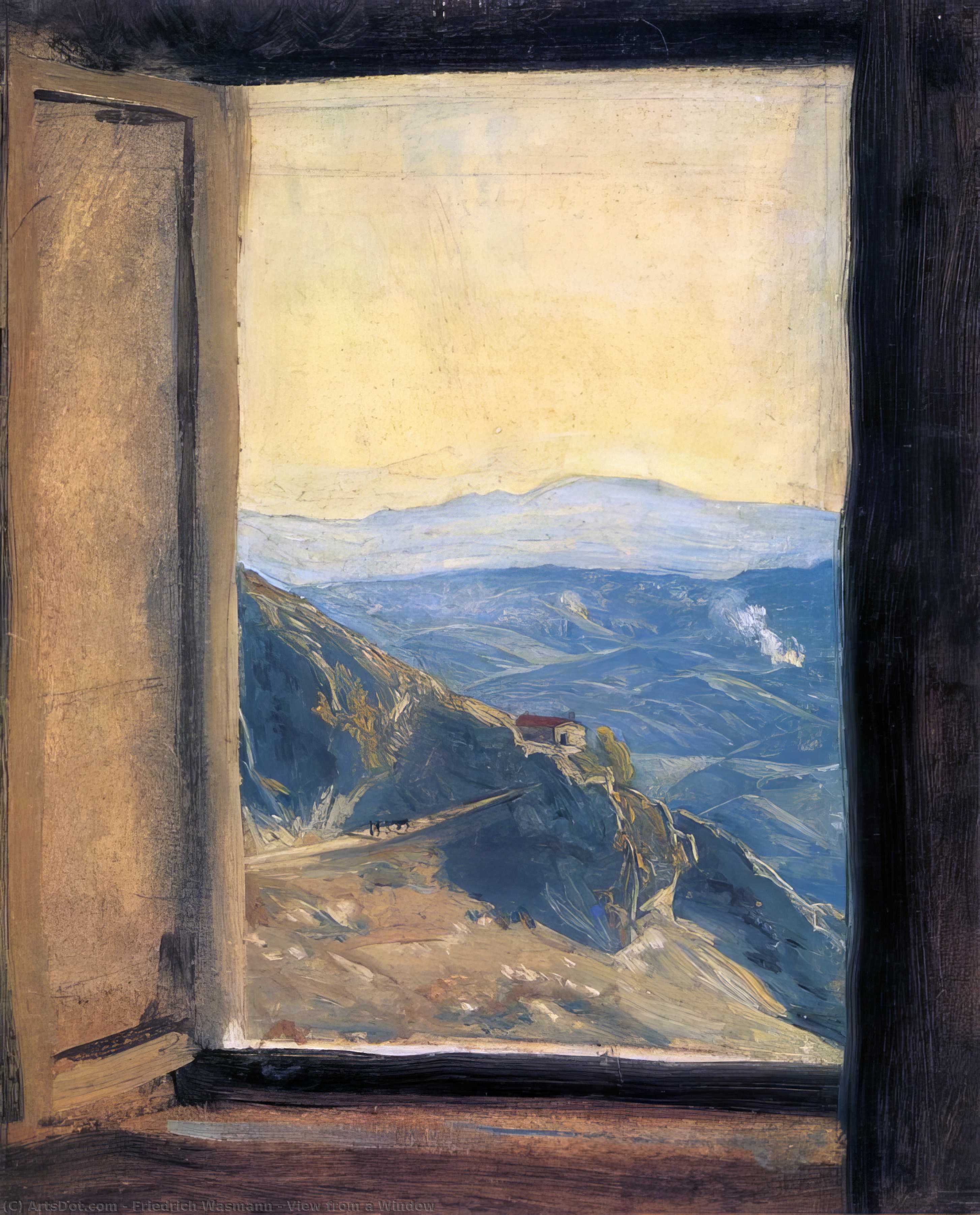
View from a Window


 Loe lähemalt
Käsitsi valmistatud õlimaalireproduktsioon
Meie kunstnike poolt tellimusel valmistatud käsitsi maalitud õli-kainaste teos teie soovitud suuruses ja raamis. ( Lülita trükile Vaata pilti)




































Vali meie eelmääratud suurused, mis vastavad teose algupärastele proportsioonidele.

Sa võite sisestada oma mõõtmed konkreetse raami või ruumi sobivuse tagamiseks. Kui teie valitud suurus ei vasta originaalpildi proportsioonidele, siis kärvime kunstiteost või laiendame maali täiendavate käsitsi maalitud elementidega. Enne tootmise algust saadetakse teile heakskiitmiseks digitaalne eelvaade.
Palun pidage meeles, et ekraanil kuvatav eelvaade ei kajasta tegelikku kärpimist või laiendamist. Ainult eelvaade näitab täpselt lõplikku kompositsiooni.
Kuigi on saadaval kohandatud suurused, soovitame originaalproportsioonide säilimiseks valida mõõdud eelmääratletud nimekirjast.
Pärast tellimust saadab ArtsDot.com meeskond kliendile e-posti juhised ning esitab eelvaate kavandi.
Maailmline tarne 3–4 nädala jooksul tavalise 5 nädala asemel. (7 august). Kvaliteedis kompromisse ei tehta.

Tasuta ekspresssaatmine üle maailma

Kõrgekvaliteediline linakangas

Täielik transpordikindlustus

Tollimaksude tagastamise garantii

Värvitoime täpsuse garantii

60-päevane tagastusõig: ainult tootmisdefektide korral

100% raha tagasi garantii

Hulgusoodustus
 Klaasivalik on saadaval ainult suuruses kuni 110 cm

View from a Window
Reproduktsiooni tehnika
Reproduktsiooni suurus
-


Kogusumma
$ 263
Sarnased teosed


Kunstniku elulugu
The Quiet Observer: The Life and Art of Friedrich Wasmann
Rudolph Friedrich Wasmann (1805–1886) remains one of the most poignant voices of the Biedermeier era, a period defined by its retreat into domestic intimacy and the serene observation of the natural world. Born in the bustling port city of Hamburg, Germany, Wasmann’s artistic soul was shaped early on through a rigorous apprenticeship under the painter Christoffer Suerr. This foundational training instilled in him a lifelong devotion to meticulous detail and a technical precision that would become his hallmark. His journey took him from the influential artistic circles of Hamburg to the prestigious halls of the Dresden Academy of Fine Arts and the Munich Academy of Fine Arts, where he refined his ability to capture the subtle interplay of light, texture, and atmosphere. As his career unfolded, Wasmann’s gaze drifted southward toward the breathtaking landscapes of the Tyrol, a region that would become the spiritual and creative heart of his life. Settling in Merano—now part of Italy—he found himself immersed in an environment that offered both topographical grandeur and a sense of profound tranquility. It was here that his style began to coalesce into a unique synthesis of Biedermeier realism and the spiritual depth of the Nazarene movement.A Synthesis of Spirit and Realism
The period between 1832 and 1835 marked a transformative chapter in Wasmann’s development as he lived in Rome. During these years, he encountered the luminaries of the Nazarene movement, including Friedrich Overbeck and Joseph Anton Koch. This exposure to a community dedicated to religious iconography and spiritual contemplation left an indelible mark on his psyche. His conversion to Catholicism during this time was not merely a personal milestone but a profound artistic pivot; it infused his work with a sense of quiet dignity and moral gravity. Unlike the more theatrical or melodramatic tendencies found in some Romantic contemporaries, Wasmann utilized these influences to pursue a more restrained, meditative beauty. His oeuvre reflects this delicate balance between the earthly and the divine. In his landscapes, one can observe the atmospheric weight of the Alpine scenery, rendered with a clarity that honors the physical world while hinting at a deeper, more contemplative stillness. His portraits, too, embody the Biedermeier ideal of domestic peace. Works such as “Paul, Maria, and Filomena von Putzer” serve as exquisite windows into the private lives of the era, capturing childhood innocence and familial warmth through a palette of muted earth tones and soft, luminous blues.Legacy and Historical Significance
Beyond his canvases, Wasmann’s life was characterized by a deep connection to the regions he inhabited. After years spent working as a portrait painter in Merano and Bolzano, he eventually returned to Hamburg, where he married Emilie Krämer. His legacy is preserved not only in the galleries of the Kunsthalle Hamburg but also through his literary contributions, most notably his popular autobiography, which provides a rare, firsthand glimpse into the life of a nineteenth-century German master. The historical significance of Friedrich Wasmann lies in his ability to navigate the shifting tides of nineteenth-century art—moving from the precision of his early training to the spiritualized realism of his maturity. He remains a vital figure for understanding how the Biedermeier style functioned as a sanctuary of calm amidst the larger, more turbulent movements of European history. His work continues to resonate with those who find beauty in the understated, the intimate, and the eternally serene.- Artistic Movements: Biedermeier Realism, Nazarene Movement
- Key Influences: Christoffer Suhr, Friedrich Overbeck, Joseph Anton Koch
- Notable Locations: Hamburg, Dresden, Munich, Rome, Merano
- Major Themes: Alpine landscapes, religious iconography, domestic portraiture

Friedrich Wasmann
1805 - 1886 , Germany
Lühikesed faktid
- Artistic Movement Or Style: Biedermeier Painting
- Artists Or Movements Influenced By This Artist: ['Nazarene Movement']
- Artists Who Influenced This Artist: ['Christoffer Suhr']
- Date Of Birth: Hamburg, Germany (1805)
- Date Of Death: 1886
- Full Name: Rudolph Friedrich Wasmann
- Nationality: German
- Notable Artworks:
- Portrait of Mrs Pastor Hiibbe
- Bildnis Der Frau Pastor Hübbe, Geborener Wasmann
- View from a Window
- Place Of Birth: Hamburg
Seotud artiklid

Romantilise Maastikukunsti 10 Meisterteost: Kunstiteosed Koduks ArtsDot.com'ist
Avastage 10 romantilise maastikukunsti meistriteost! Tutvuge Caspar David Friedrichi, J.M.W. Turneri ja teiste suurte kunstnike loominguga ArtsDot.com-is. Leidke täiuslik õlimaal või reproduktsioon koduks – inspireeriv kollektsioon ootab!

Beyond the Horizon: 10 Landscape Masterpieces for Your Home Decor
Journey through 10 breathtaking landscape paintings by Monet, Van Gogh & more! Explore iconic artworks, artistic techniques & find inspiration for your home decor. Museum-quality reproductions at ArtsDot.com. Discover all masterpieces on ArtsDot.com

The Enduring Legacy of Oil on Canvas: Technique, History & Aesthetic Impact
Explore the rich history & techniques of oil painting – from Renaissance masters to Impressionism. Discover pigments, layering methods, and why this timeless medium endures. Expert insights for artists & art enthusiasts.

Oil on Canvas: A Historical & Technical Exploration of a Timeless Artistic Medium
Explore the rich history & enduring techniques of oil painting on canvas. Discover the science behind its longevity, conservation practices, and contemporary relevance. Expert insights for art enthusiasts.

Lõuendi püsivus ja väljendusvõime: Tehnika, ajalugu ja kaasaegne praktika
Avastage lõuendi püsivuse ja väljendusvõime saladused! Ajaloolised tehnikad, kaasaegsed lähenemised ja ekspertide nõuanded maalikunsti austajatele. Lugege nüüd!

