

 Eelvaade
 Saada
Saada Jaga
Jaga
 Teave teose kohta
 Juhend

 Laadi alla
 Sarnased teosed
 Röntgenuuring
 Slaidietendus
 KÜSIMUSED JA VASTUSID
 Statistika
The Balloon Apron

- 2.0 x 76.0 cm


 Loe lähemalt
Sellel lehel kuvatav kunstiteos on kaitstud autoriõigusega, mis tähendab, et meil ei ole seaduslikku õigust luua või müüa identset reproduktsiooni. Seda kaitset rakendatakse rahvusvaheliste kokkulepete alusel, nagu näiteks Berne konventsioon ning riiklike seadustega, sealhulgas nendega, mida on sätestatud USA autoriõiguse seadus – 17. peatükk.
See meetod järgib täielikult autoriõiguse reegleid, kuna see ei põhine kaitstud kunstiteose kopeerimisel või dupliteerimisel. Selle asemel on tegu loova reinterpreetatsiooniga – uue maaldisega, mis on algteosest inspireeritud, kuid ei ole sellest identiline.
Giclée / Kunstiprint
Muuseumikvaliteediga giclée- või kangasprint kiire tootmisega ja paindlikud viimistlusvõimalused. ( Osta käsitsi maalatud teos Lülita digitaalse pildi juurde)




P118B €10

P118H €10

P118W €10

P438Z €10

P508JH €12

P508YH €12

P805H €10

P805Z €10

P919BZ €10

P919G €10

P919XJ €10

P959ZH €10

P968JZ €12

W106C €8

W218G €10

W218JH €8

W218Y €10

W307PJ €10

W316G €10

W316PJ €8

W316Y €10

W398PJ €8

W4111J €10

W500HY €15

W500JH €15

W692G €12

W849H €8

W940BG €15

W953PJ €8




Vali meie eelmääratud suurused, mis vastavad teose algupärastele proportsioonidele.

Sisestage vajalik laius ja kõrgus, et see sobiks teie raamile või seinale. Trükki saab ainult lõigata, seda ei saa kunagi pildist suuremaks teha, seega ka erineva mustega suurus kaotab osa pildist. Enne trükkimist saadame teile kinnitamiseks digitaalse näidisprojektsiooni. Sellel lehel näidatud pilt ei kujuta reaalset lõiget — seda näitab ainult näidisprojektsioon.
Ülemaailmne tarne () 2 nädala jooksul, tavalise 4/5 nädala asemel. (8 november)

Tasuta ekspresssaatmine üle maailma

Kõrgekvaliteediline lina-kangas

Täielik transpordikindlustus

Tollimaksude tagastamise garantii

Värvitoime täpsuse garantii

100 päeva tagastusõigus (ainult valmistusdefektide korral)

100% raha tagasi garantii

Hulgusoodustus
 Klaasivalik on saadaval ainult kuni 110 cm suuruses teostes

The Balloon Apron
Giclée / Kunstiprint
Reproduktsiooni suurus
-


Koguhind
€ 56
The Balloon Apron: A Snapshot of Wartime Anxiety
Frank Dobson’s “The Balloon Apron,” painted in 1918 amidst the tumultuous backdrop of World War I, isn't merely a depiction of a field; it’s a poignant visual record of a nation grappling with unprecedented anxieties. The painting captures a seemingly idyllic scene – a vibrant agricultural landscape punctuated by kites and aircraft – yet beneath this surface lies a palpable sense of unease, born from the constant threat of aerial bombardment. Dobson, an Imperial War Museum curator, was inspired to create this work after observing the burgeoning barrage balloon defenses erected around London’s industrial areas, specifically Canvey Island, where Kynoch's factory, a significant munitions producer, was situated.
The composition immediately draws the eye to the sky, dominated by at least five brightly colored kites and two aircraft soaring overhead. These aren’t romanticized images of flight; they are symbols of both technological advancement and imminent danger. The kites, representing the nascent field of aerial photography – a relatively new technology in 1918 – were deployed as a rudimentary early warning system, designed to detect approaching enemy planes. The aircraft, likely reconnaissance machines, mirror this theme of observation and potential attack. Dobson masterfully uses light and color; the warm hues of the kites contrast sharply with the cooler tones of the field and distant factory chimneys, creating a visual tension that mirrors the emotional state of the era.
A Reflection of Modernity and War’s Impact
“The Balloon Apron” is a remarkable example of early 20th-century realism infused with a distinctly modern sensibility. Dobson, a contemporary of renowned sculptors like Henry Moore and Jacob Epstein, was deeply interested in capturing the changing face of Britain – particularly its response to the realities of industrialization and warfare. The painting’s subject matter—a field transformed by military technology—reflects the profound impact of the war on everyday life. The inclusion of kites, a symbol of leisure and recreation, juxtaposed with the looming threat represented by the aircraft, highlights the disruption of normalcy caused by the conflict.
Interestingly, Dobson’s initial concept for the painting was met with resistance from the Air Force committee, who deemed it insufficiently accurate. They desired a more technically precise representation, while Dobson sought to capture the *feeling* of the era – the sense of vulnerability and anticipation that permeated London during the nightly barrage balloon deployments. This artistic disagreement underscores the tension between objective documentation and subjective interpretation in wartime art.
Technique and Artistic Style
Executed in oil on canvas, “The Balloon Apron” demonstrates Dobson’s skill as a painter. His brushwork is loose and expressive, conveying movement and atmosphere with remarkable immediacy. The use of color is particularly noteworthy; he employs a vibrant palette to capture the brilliance of the kites against the backdrop of a cloudy sky. The perspective is slightly elevated, offering a panoramic view of the landscape – a technique that emphasizes the scale of the defensive measures being implemented.
Dobson’s style leans towards Impressionism and Post-Impressionism, evident in his focus on capturing light and color, as well as his loose brushstrokes. However, he departs from purely representational art by imbuing the scene with a strong emotional charge. The painting isn't simply a record of a specific event; it’s an evocation of a collective mood – one of apprehension, resilience, and perhaps even a touch of hope amidst the darkness of war.
A Timeless Reminder
“The Balloon Apron” remains a powerful testament to a pivotal moment in British history. It serves as both a historical document and an artistic meditation on the psychological impact of war. Reproductions of this iconic painting offer a unique window into the anxieties and aspirations of a nation facing unprecedented challenges. Its enduring appeal lies not only in its aesthetic qualities but also in its ability to resonate with contemporary audiences, reminding us of the human cost of conflict and the importance of vigilance in safeguarding our communities.
Korduvad küsimused
Kust saan osta teose „The Balloon Apron“, autor Frank Dobson trükki?
Teose „The Balloon Apron“, autor Frank Dobson trüket saate tellida otse selle Kvaliteetne kunstutrüki print lehelt: kunstiprint puuvillalõikel kangas või arhiveeritaval kangaspaberil.
Millist etap Frank Dobson loomingus teos "The Balloon Apron" esindab?
Teos "The Balloon Apron" esindab kunstniku Frank Dobson loovperioodi Early Career.
Kust saan näha teose "The Balloon Apron" eelvaadet?
Teose „The Balloon Apron“, autor Frank Dobson reproduktsiooni eelvaate saamiseks avage teose Eelvaade leht.
Sarnased teosed


Kunstniku elulugu
varane elu ja karjäär
Frank Dobson CBE, tunnustatud Briti kunstnik ja skulptuurimeister, sündis 18. novembril 1886. Tema looming, mida iseloomustas uuendusmeelne lähenemine kaasaegse skulptuuri vormile, tõi ta oma ajastu üheks Euroopa tippskulptuurist. Olles Jacob Epstein ja Henry Moore kaasaegne, on Dobsoni mõju Briti kunstile vääramatu.kunstiline panus
Dobsoni kunstiline teekond oli tähistatud mitmete märkimisväärsete teostega, sealhulgas teosega The Balloon Apron, mis on eksponeeritud Imperial War Museums (London, Ühendusriigid) muuseumis. See teos, mis peegeldab tema vastust esimesele maailmasõjale, demonstreerib tema võimet tabada ajaloolisi hetki läbi kunsti. [https://ArtsDot.com/@@/d488yg-frank-dobson-the-balloon-apron](https://ArtsDot.com/@@/d488yg-frank-dobson-the-balloon-apron) - Frank Dobsoni maal | Frank Dobson: The Balloon Apron (2 x 76 cm, Imperial War Museums (London, Ühendusriigid), õli)pärand ja mõju
Tänapäeval tunnustatud 20. sajandile ühe olulisema Briti skulptuurimeistrina ulatub Dobsoni pärand kaugele tema vlastest. Tema mõju järgnevaid kunstnikke põlvkondi on nähtav nii stiilide kui ka materjalide mitmekogilisuses, mida tema jalgades käinud kunstnikud uurisid.- olulised teosed:
- The Balloon Apron
- muud märkimisväärsed skulptuurid (ei ole täpsustatud täpsete tähemärkide piirdue tõttu)
- muuseumid, kus tema teoseid näitAvad:
- Imperial War Museums (London, Ühendusriigid)
- muud ei ole täpsustatud
- kunstiliikumine: modernism
lõppsõna
Frank Dobsoni võõrustamatu kunstiline meisterlikkus on jätnud pererindamatu jälje skulptuuri maailma. Tema töö, mis on tunnistuskult uuenavast vaimust ja kunstilisest võimest, inspireerib nii kunstnikke kui ka kunstihuvilisi. Rohkem infot Frank Dobsoni ja teiste kuulsate kunstnike kohta leiate aadressist [https://ArtsDot.com/@/frank-dobson](https://ArtsDot.com/@/frank-dobson) - kunstnik: Frank Dobson | 1 teos Frank Dobson | Frank Dobsoni galleria Frank Dobson (1886-1963) | kõik 1 teost | teosed | õli | Frank Owen Dobson CBE (18. november 1886 – 22. juuli 1963) oli Briti kunstnik ja skulptuurimeister, keda tema ajal peeti üheks Euroopa parimatest skulptuuridest. Ta oli Jacob Epsteini ja Henry Moore'i kaasaegne. Dobsoni näeb täna üheks 20. sajandi olulisemaks Briti skulptuurimeistriks.
Frank Dobson
1886 - 1963 , Ühendkuninga Uus-Britannia
Lühikest infot
- Artistic Movement Or Style: Modernism
- Artists Who Influenced This Artist:
- Jacob Epstein
- Henry Moore
- Date Of Birth: 1886
- Date Of Death: 1963
- Full Name: Frank Owen Dobson CBE
- Nationality: Briti
- Notable Artworks: ['The Balloon Apron']
- Place Of Birth: London, United Kingdom
Sarnased artiklid

Oil on Canvas: A Historical & Technical Exploration of a Timeless Artistic Medium
Explore the rich history & enduring techniques of oil painting on canvas. Discover the science behind its longevity, conservation practices, and contemporary relevance. Expert insights for art enthusiasts.

Lõuendi püsivus ja väljendusvõime: Tehnika, ajalugu ja kaasaegne praktika
Avastage lõuendi püsivuse ja väljendusvõime saladused! Ajaloolised tehnikad, kaasaegsed lähenemised ja ekspertide nõuanded maalikunsti austajatele. Lugege nüüd!
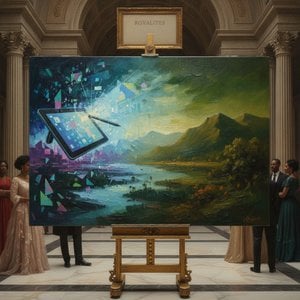
Käsitsi maalitud digipilt – unikaalne õlimaal, mis tõstab teie NFT-kogumise väärtust ja loob püsiva pärandi
Avastage ArtsDot'i käsitsi maalitud digipiltide maailm – premium kvaliteet, autentne kunsti kogemus ja usaldusväärne teenus. Tõstke NFT-kogumist väärtust ning looge püsiv pärand meie ekspertide juhendamisel.

The Enduring Power of Painting: A Historical & Contemporary Exploration of Form and Emotion
Explore the rich history & enduring techniques of oil painting with ArtsDot. Discover masterpieces, learn about art collecting, and find authentic handmade reproductions crafted by skilled artists.

The Enduring Legacy of Oil on Canvas: Technique, History & Aesthetic Impact
Explore the rich history & techniques of oil painting – from Renaissance masters to Impressionism. Discover pigments, layering methods, and why this timeless medium endures. Expert insights for artists & art enthusiasts.