

 Eelvaade
 Saada
Saada Jaga
Jaga
 Teave teose kohta
 Juhend

 Laadi alla
 Sarnased teosed
 Röntgenuuring
 Slaidietendus
 Q&A
Q&A Statistika
Mill at Charenton

- 113.0 x 146.0 cm


 Loe lähemalt
Giclée / Kunstiprint
Muuseumikvaliteediga giclée- või kangasprint kiire tootmisega ja paindlikud viimistlusvõimalused. ( Osta käsitsi maalatud teos Lülita digitaalse pildi juurde)




P118B €10

P118H €10

P118W €10

P438Z €10

P508JH €12

P508YH €12

P805H €10

P805Z €10

P919BZ €10

P919G €10

P919XJ €10

P959ZH €10

P968JZ €12

W106C €8

W218G €10

W218JH €8

W218Y €10

W307PJ €10

W316G €10

W316PJ €8

W316Y €10

W398PJ €8

W4111J €10

W500HY €15

W500JH €15

W692G €12

W849H €8

W940BG €15

W953PJ €8




Vali meie eelmääratud suurused, mis vastavad teose algupärastele proportsioonidele.

Sisestage vajalik laius ja kõrgus, et see sobiks teie raamile või seinale. Trükki saab ainult lõigata, seda ei saa kunagi pildist suuremaks teha, seega ka erineva mustega suurus kaotab osa pildist. Enne trükkimist saadame teile kinnitamiseks digitaalse näidisprojektsiooni. Sellel lehel näidatud pilt ei kujuta reaalset lõiget — seda näitab ainult näidisprojektsioon.
Ülemaailmne tarne () 2 nädala jooksul, tavalise 4/5 nädala asemel. (2 november)

Tasuta ekspresssaatmine üle maailma

Kõrgekvaliteediline lina-kangas

Täielik transpordikindlustus

Tollimaksude tagastamise garantii

Värvitoime täpsuse garantii

100 päeva tagastusõigus (ainult valmistusdefektide korral)

100% raha tagasi garantii

Hulgusoodustus
 Klaasivalik on saadaval ainult kuni 110 cm suuruses teostes

Mill at Charenton
Giclée / Kunstiprint
Reproduktsiooni suurus
-


Koguhind
€ 55
A Glimpse of Pastoral Grandeur: François Boucher’s “Mill at Charenton”
François Boucher's "Mill at Charenton," painted in 1758, isn’t merely a landscape; it’s an invitation to step into a meticulously crafted world of Rococo delight. This idyllic scene, depicting a water mill nestled along the banks of the Charente River near Charenton-le-Château, captures the essence of 18th-century aristocratic leisure and Boucher's masterful ability to infuse even the most commonplace subject with an air of fantastical beauty. The painting immediately draws the eye with its vibrant palette—lush greens, cerulean blues reflecting in the water, and the warm ochres and yellows of the mill’s architecture—creating a sense of warmth and abundance that speaks to the prosperity and pleasure enjoyed by France's elite.
Boucher, a pivotal figure within the Rococo movement, was renowned for his ability to seamlessly blend classical motifs with playful sensuality. His work frequently served as decoration for aristocratic salons, designed to evoke feelings of tranquility, beauty, and refined taste. “Mill at Charenton” exemplifies this perfectly; it’s not a realistic portrayal of rural life but rather an idealized vision—a carefully constructed fantasy where nature is both generous and subtly suggestive. The artist deliberately departs from the strict conventions of academic painting, embracing a looser brushstroke and a heightened sense of color to create a dreamlike atmosphere.
The Art of Illusion: Technique and Composition
Boucher’s technique is characterized by its delicate layering of colors and meticulous attention to detail. He employs *sfumato*, a subtle blurring of lines and edges, to soften the forms and create an atmospheric haze that enhances the painting's sense of depth. The composition itself is carefully balanced, drawing the eye from the foreground—where a small group of impeccably dressed peasants appear to be engaged in their work—through the mill’s intricate structure and out towards the distant riverbank. Note the strategic placement of white doves soaring above the scene; they aren't simply decorative but contribute to the painting’s feeling of lightness, purity, and abundance.
The artist masterfully utilizes light to create a sense of drama and highlight key elements. Sunlight streams through the trees, illuminating the mill and casting dappled shadows across the water. This interplay of light and shadow not only adds visual interest but also reinforces the painting’s overall mood—a harmonious blend of serenity and vitality. The use of perspective is subtly manipulated to create a sense of spaciousness, drawing the viewer into this idyllic world.
Symbolism and Context: A World of Leisure
“Mill at Charenton” offers a glimpse into the lifestyle of France’s aristocracy in the mid-18th century. Excursions to picturesque locations like Charenton were popular among wealthy men and women seeking respite from the formality and pressures of Parisian court life. The painting reflects this desire for escape, presenting a world where nature provides endless opportunities for pleasure and entertainment. The peasants depicted are not portrayed as laborers but rather as charming figures engaged in seemingly effortless activities—a deliberate choice that reinforces the aristocratic viewer’s sense of detachment from the realities of everyday life.
The inclusion of expensive glass windows and decorative swags, elements conspicuously absent in actual mills, is a testament to Boucher's artistic license. He deliberately embellishes the scene with fantastical details—the doves, the meticulously manicured bushes, the perfectly dressed peasants—to create an idealized vision that aligns with the aesthetic sensibilities of the Rococo era. The painting speaks to a broader cultural fascination with beauty, luxury, and the pursuit of pleasure.
A Timeless Masterpiece: Emotional Resonance
Beyond its technical brilliance and historical context, “Mill at Charenton” possesses a profound emotional resonance. The painting evokes a sense of tranquility, serenity, and boundless optimism—a feeling that lingers long after viewing. It’s a celebration of nature's beauty, the pleasures of leisure, and the idealized world envisioned by Boucher and his aristocratic patrons. Reproductions of this captivating work offer a chance to bring this timeless masterpiece into your own home, transforming any space into a sanctuary of refined elegance and artistic inspiration.
Korduvad küsimused
Kuhu kohta ja milleks on "Mill at Charenton" soovitatav?
Teos „Mill at Charenton“, autor François Boucher on soovitatav kasutada Statement jaoks, ideaalselt Living Room ruumis. Kasutusala ja ruum annavad suuniseid selle kohta, kuhu reproduktsioon hästi sobida.
Jääb teos "Mill at Charenton" kunstniku kodumaale?
Ei – teos asub välismaal. François Boucher sündis riigis Prantsusmaa ning teose "Mill at Charenton" algorig on säilitatud muuseumis, mis asub riigis Ameerika Ühendriigid.
Millist reproduktsiooni suurust soovitatakse teosele „Mill at Charenton“, autor François Boucher?
Teosele „Mill at Charenton“, autor François Boucher on soovitatav printida suuruses Large. Suurust saab muuta, säilitades samal ajal proportsioonid.
Sarnased teosed


Kunstniku elulugu
François Boucher: Rokokoo Ajastu Meister
François Boucher (1703-1770) oli 18. sajandi prantsuse kunsti keskne tegelane, tuntud kui rokokoo ajastu üks tuntuimaid maalikunstnikke. Tema töö kehastab elegantsi, sensuaalsust ja mängulist vaimu, mis defineeris seda mõjukat stiili. Boucher’d ei peeta mitte ainult suurepärase tehnikaga kunstnikuna, vaid ka ajastu maitse ja luksuse sümbolina, kelle loomingu kajastasid kuninglikud õukonnad ja aristokraatia elustiil.
Varajane Elu ja Koolitus
François Boucher sündis 29. septembril 1703. aastal Pariisis Prantsusmaal. Tema kunstiline teekond algas isa, Jean Boucheri juhendamisel, kes oli ise maalikunstnik. Seitsmeteistkümne aasta vanuses pälvis ta François Lemoyne’i tähelepanu, mis viis lühikese, kuid mõjuka õpipõhise perioodini. Ta lihvis oma oskusi edasi graafiku Jean-François Carsi juures enne olulist saavutust: võites prestiižse Grand Prix de Rome’i auhinna aastal 1720. See auhind andis Boucher’le võimaluse õppida Roomas, mis kujundas tema kunstilist arengut ja avardas tema silmaringi klassikalise kunsti suhtes.
Tõus Kuulsusele ja Kunstiline Areng
Boucher’i viibimine Itaalias pärast Grand Prix auhinna võitmist osutus määrava tähtsusega. Naastes Prantsusmaale, võeti ta 1731. aastal vastu Académie Royale de Peinture et de Sculpture’i liikmeks. Tema *morceau de réception*, “Rinaldo ja Armida” (1734), kinnitas koheselt tema positsiooni rokokoo stiili meistrina. Sel perioodil jõudis tema kunstiline hääl täielikult esile, iseloomustades seda õrn pintslimaal, pastelsed värvipaletid ning müütiliste ja pastoralaadsete teemade rõhutamine. Boucher’i varajased tööd näitasid juba tema võimet luua graatsilisi kompositsioone ja sensuaalseid figuure.
Põhitööd ja Teemad
Boucher’i looming on tähelepanuväärselt mitmekesine, hõlmates müütoloogiat, portreemaale, žanrimaale ja dekoratiivkunsti. Mõned tema tuntuimad teosed on:
- “Hommikusöök” (1739): Võluv koduelu kujutus, millel on kujutatud tema naist ja lapsi.
- “Veenuse triumf” (1740-1751): Maalide sari, mis demonstreerib Boucher’i meisterlikkust müütiliste narratiivide esitamisel.
- Arvukad portreed Madame de Pompadour’ist, Louis XV armukesest, kinnistades tema positsiooni õukonnas. Tema portreed Madame de Pompadour'ist ei olnud pelgalt visuaalsed kujutised, vaid ka poliitiliste ja sotsiaalsete sõnumite kandjad.
- Maastikumaalid nagu “Päikeseloojang”, mis demonstreerivad lüürilist ja idüllilist loodusevisiooni.
Korduvad teemad Boucher’i töödes on armastus, ilu, vaba aeg ja müütilise maailma idealiseeritud vorm. Tema maalid kutsuvad sageli esile mängulise erootika ja rafineeritud elegantsi tunde. Ta oskas tabada hetke õhkõrnsust ja luua atmosfääri, mis oli täis naiselikkust ja sensuaalsust.
Mõju ja Pärand
Boucher’i mõju ulatus kaugemale maalikunstist. Ta kujundas kostüüme ja lavakujundusi teatri jaoks, lõi tapeteid Beauvais’ töökojas ning tegi koostööd Gobelins Manufactoryga. Tema ametisse nimetamine *Premier Peintre du Roi'ks* aastal 1765 kinnistas tema staatuse prantsuse rokokoo juhtiva kunstnikuna. Ta oli viljakas disainer ja kunstiline nõustaja, kelle loomingut kasutati laialdaselt kuninglikus õukonnas ja aristokraatlike klientide seas.
Kuigi hilisemad kriitikud kahtlustasid rokokoo kunsti pinnallikkust, on Boucher’i mõju järgnevatele põlvedele vaieldamatu. Ta mõjutas kunstnikke nagu Jean-Honoré Fragonard ja andis olulise panuse neoklassitsismi arengusse oma õpilaste kaudu. Tema loomingut uuritakse tänini, et mõista rokokoo ajastu esteetilisi väärtusi ja sotsiaalset konteksti.
Ajalooline Tähtsus
François Boucher’i töö pakub väärtuslikku vaateakent 18. sajandi prantsuse ühiskonna maitsele ja väärtustele. Tema maalid peegeldavad ajastu aristokraatlikku kultuuri, mida iseloomustas luksus, rafineeritus ja naudingute otsimine. Ta jääb oluliseks tegelaseks kunstiajaloo valdkonnas, tähistades tema tehnilist oskust, kunstilist innovatsiooni ja püsivat panust rokokoo stiili.

François Boucher
1703 - 1770 , Prantsusmaa
Lühikest infot
- Kunstiliikumine: Rokoko
- Rahvus: Prantslane
- Surmapäev: 1770
- Sünnipäev: 29 september 1703
- Täisnimi: François Boucher
Sarnased artiklid

The Rococo Aesthetic: Opulence, Rebellion & the Pursuit of Pleasure in 18th-Century Art
Explore the opulent world of Rococo art! Discover its origins, key artists like Watteau & Boucher, and lasting influence on design. Expert insights for collectors & enthusiasts.

The Rococo Style: Aristocratic Leisure & the Pursuit of Delight in 18th-Century Art
Explore the opulent world of Rococo art! Discover Watteau, Boucher & Nattier's masterpieces. Expert insights for collectors seeking museum-quality reproductions and custom portraits at ArtsDot.

RoKokoo: 10 Meisterteost, Mis Määritsesid Kunstisuundi | ArtsDot
Sukeldu RoKokoo maailma! Avasta 10 meistriteost, mis defineerisid kunstisuunda – prantsuse kunstnikud, kuldsed toonid ja luksuslik interjöör. Tutvu lugudega legendaarsete teoste taga & leia inspiratsiooni ArtsDot.com-ilt!
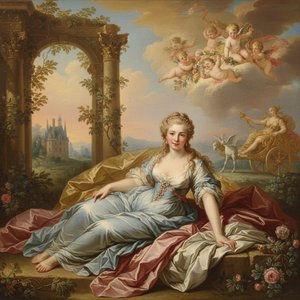
François Boucher: Rococo Master of Myth, Sensuality, and the French Court
Explore the captivating world of François Boucher, master of Rococo painting! Discover his iconic works, aristocratic patronage, and lasting influence on French art history. Learn more at ArtsDot.

The Allure of Elegance in Art: A Historical & Aesthetic Exploration of Refinement & Grace
Explore the exquisite world of Rococo art! Discover its history, masters (Watteau, Boucher & more), and defining elegance. Expert insights for collectors seeking museum-quality reproductions & custom portraits.