

 Eelvaade
 Saada
Saada Jaga
Jaga
 Teave teose kohta

 Laadi alla
 Sarnased teosed
 Röntgenuuring
 Slaidietendus
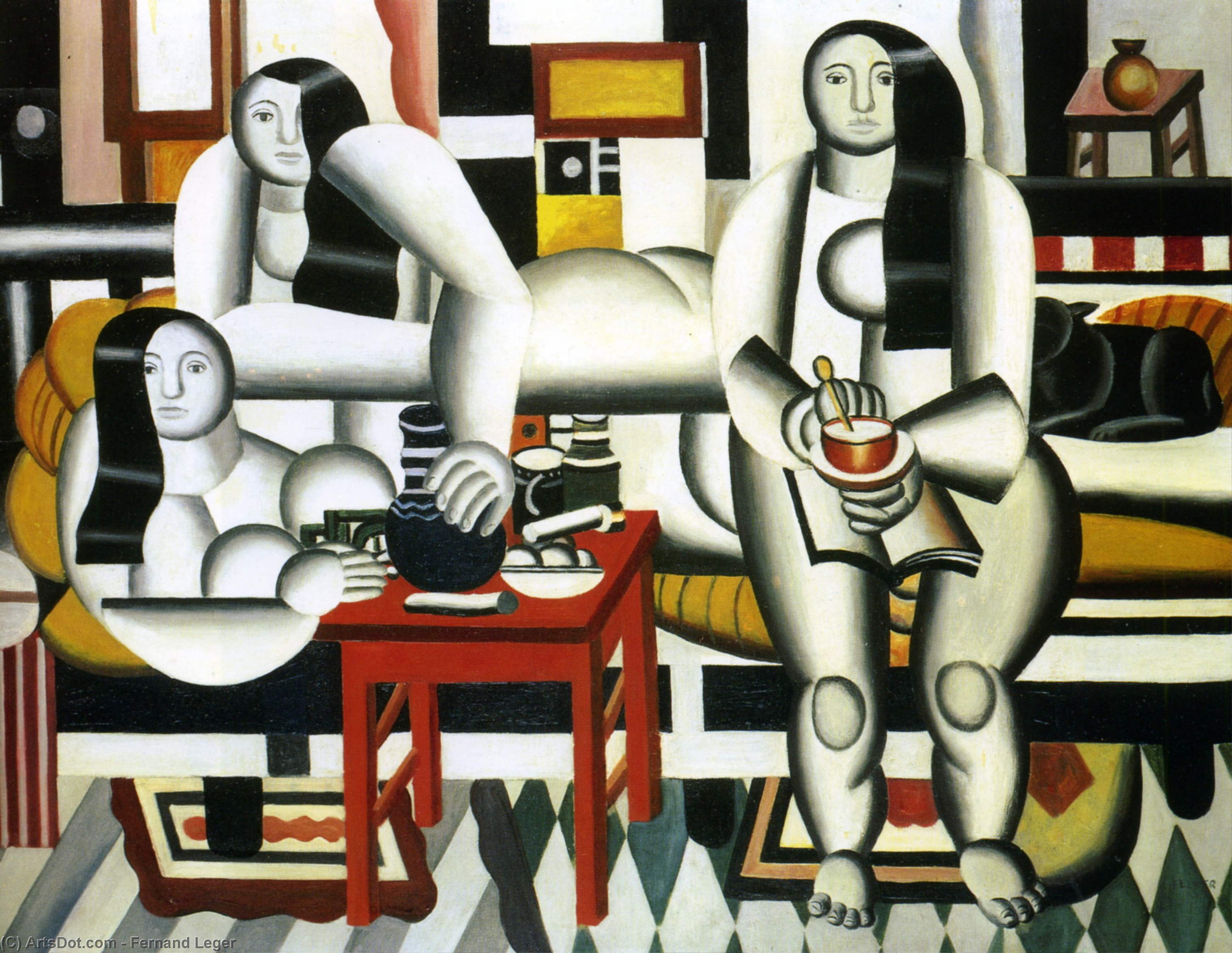
The Breakfast


 Loe lähemalt
Käsitsi valmistatud õlimaalireproduktsioon
Meie kunstnike poolt tellimusel valmistatud käsitsi maalitud õli-kainaste teos teie soovitud suuruses ja raamis. ( Osta print Osta pilt)




P118B $10

P118H $10

P118W $10

P438Z $10

P508JH $12

P508YH $12

P805H $10

P805Z $10

P919BZ $10

P919G $10

P919XJ $10

P959ZH $10

P968JZ $12

W106C $8

W218G $10

W218JH $8

W218Y $10

W307PJ $10

W316G $10

W316PJ $8

W316Y $10

W398PJ $8

W4111J $10

W500HY $15

W500JH $15

W692G $12

W849H $8

W940BG $15

W953PJ $8




Vali meie eelmääratud suurused, mis vastavad teose algupärastele proportsioonidele.

Sa võite sisestada oma mõõtmed konkreetse raami või ruumi sobivuse tagamiseks. Kui teie valitud suurus ei vasta originaalpildi proportsioonidele, siis kärvime kunstiteost või laiendame maali täiendavate käsitsi maalitud elementidega. Enne tootmise algust saadetakse teile heakskiitmiseks digitaalne eelvaade.
Palun pidage meeles, et ekraanil kuvatav eelvaade ei kajasta tegelikku kärpimist või laiendamist. Ainult eelvaade näitab täpselt lõplikku kompositsiooni.
Kuigi on saadaval kohandatud suurused, soovitame originaalproportsioonide säilimiseks valida mõõdud eelmääratletud nimekirjast.
Pärast tellimust saadab ArtsDot.com meeskond kliendile e-posti juhised ning esitab eelvaate kavandi.
Maailmline tarne 3–4 nädala jooksul tavalise 5 nädala asemel. (15 august). Kvaliteedis kompromisse ei tehta.

Tasuta ekspresssaatmine üle maailma

Kõrgekvaliteediline linakangas

Täielik transpordikindlustus

Tollimaksude tagastamise garantii

Värvitoime täpsuse garantii

60-päevane tagastusõig: ainult tootmisdefektide korral

100% raha tagasi garantii

Hulgusoodustus
 Klaasivalik on saadaval ainult suuruses kuni 110 cm

The Breakfast
Reproduktsiooni tehnika
Reproduktsiooni suurus
-


Kogusumma
$ 313
Teose kirjeldus
Description of the Artwork
The scene depicts a group of people sitting around a dining table with various items on it. There are three women in the image, one seated at the left side of the table and two others positioned closer to the right side. On the table, there is a bowl placed near the center, along with a cup located towards the left side. A spoon can be seen resting on the table as well. The background features a couch and a chair, adding depth and complexity to the composition. The style of The Breakfast is characterized by geometric shapes, fragmented forms, and multiple viewpoints. Leger's use of bold colors and textures adds to the overall sense of dynamism and energy in the painting. As a leading figure in the Cubist movement, Leger's work had a significant influence on modern art, and The Breakfast is a testament to his innovative spirit. Cubism was an avant-garde art movement that emerged in the early 20th century, and Fernand Leger was one of its key proponents. His work can be found in the collections of major museums, including The Museum of Modern Art in New York City. For more information on Leger's artwork, visit /art/list/?Filter=8XY2E6-Fernand-Leger-The-Breakfast.- View more paintings by Fernand Leger at https://ArtsDot.com
- Learn about the Cubism art movement and its key figures, including Pablo Picasso and Georges Valmier, on Wikipedia
- Discover hand-made oil painting reproductions of famous artworks, including The Breakfast, at https://ArtsDot.com
The Tubism Art Movement, coined by art critic Louis Vauxcelles in 1911, is also worth exploring for its unique characteristics and influence on modern art. For a deeper understanding of Leger's style and contributions to the art world, visit /art/list/?Filter=A@D3CPMD-Tubism-Art-Movement.
Sarnased teosed


Kunstniku elulugu
Fernand Légeri Elu ja Pärand: Masinaaja Vaimustuses
Joseph Fernand Henri Léger, sündinud 1881. aastal Argentanis Normandias, oli prantsuse kunstnik, keda peetakse üheks olulisimaks kujuks modernismi arendamisel. Tema teekond maalijana algas lihtsatest juurtest – talupidaja poja kasvatuses –, kuid viis ta Pariisi avantgardisti ringkondadesse, kus ta lõi ainulaadset visuaalset keelt, mis peegeldas masinaaja vaimu ja muutis kunstimaailma. Léger ei põgenenud abstraktsiooni varjupaika nagu paljud tema kaasaajalased; pigem püüdis ta integreerida modernsuse – selle dünaamilisust, mehaanilisi vorme ja olemust – oma loomingusse, luues nii võimsalt abstraktsed kui ka sügavalt vaadeldavale maailmale juurdunud teosed. Tema varajane elu, mis oli läbi imbunud põllumajandusliku töö reaalsusest, pakkis tugeva kontrasti tööstuslikule tulevikule, millele ta nii kirglikult pühendus."Tubismi" Sünd ja Kulla Sektsiooni Liikumine
Légeri kunstiline tee pöördeliseks hetkeks kujunes Paul Cézanne'i retrospektiiv 1907. aastal. See sündmus vabastas Légeri konventsionaalsest esindamisest ning suunas ta poole rohkem geomeetrilise ja struktuuralise lähenemise suunda. Ta hakkas vorme dekonstrueerima, analüüsima nende põhivorme ja ümber ehitama lõuendile uut rõõmu asetades tahkusele ja mahule. See uurimine viis ta kiiresti kubismi orbiidile, kuid Léger ei soovinud lihtsalt Picasso või Braque'i stiili jäljendada. Ta arendas omaenda eripära – isikliku kubismi vormi, mida kriitikud mänguliselt hüüdisid "tubismiks". Tüüpiliseks tunnuseks olid silindrilised vormid, lamedad tasandid ja julged värvikontrastid, mis tähistasid masina esteetikat ammu enne kui see sai laialdasemaks kunstiliseks tegevuseks. See oli kunst, mis sündis kasvava tööstusmaailma vaatlemisest, tunnustades ilu selle funktsionaalsetes vormides ja mehaanilistes rütmides. Aastatel 1909–1914 osales Léger aktiivselt avantgardisti tegevuses, liitudes Jean Metzingeri, Henri Laurensi, Jacques Lipchitzi, Chaïm Soutine'i, Robert Delaunay ja teiste kunstnikega.Sõda, Mehhaniseerimine ja Uus Esteetika
Esimene maailmasõda mõjutas sügavalt Légeri elu ja tööd. Frontis teenistuses aastatel 1914–1916 tutvus ta kaasaegse sõja brutaalse reaalsusega – suurtükipommardamistest, õhulahingutest ja mehaanika dehumaniseerivatest mõjudest. See kogemus ei viinud pettumusse ega modernsuse hüljatesse; pigem tuletas see veelgi rohkem rõhutama tema masinatele pühendumist ja nende võimu. Tema teenistusaegadel tehtud joonistused dokumenteerisid sõjalise tehnoloogia karmi ilu, muutes hävitusvahendid kunstilise kaalutluse objektideks. Naasmisel tsiviil-ellu läks Légeri esteetika veelgi edasi arendades. Tema maalidel hakkasid kajastuma lihtsustatud mehaanilised tunded, tähistades tööstusmaailma dünaamilisust ja tõhusust. *Sõdur suitsega* (1916) näitab seda muutust, kujutades lihtsaid vorme ja julgeid värve, mis kutsuvad esile mehaanilise täpsuse tunde. See ei olnud pelgalt esteetiline valik; see oli filosoofiline avaldus – kinnitus modernsuse potentsiaalile edeneda ja uueneda isegi hävitava konflikti järel.Pärand ja Püsiv Mõjutus
Sõjajärgsetel aastatel jätkas Léger tööstusmaailma ristumiskoha uurimist, lootes teoseid, mis tähistasid modernset elu ainulaadse värvimuhingu abil abstraktsiooni ja kujutuse vahel. Tema *Paysages animés* (Animeritud Maastikud) sarjast 1921. aastal näitasid figuuride ja loomade sujuvat integreerimist lihtsustatud kompositsioonidesse, hägustades piire orgaanilise ja anorgaanilise vahel. Ta eksperimenteeris ka skulptuuriga ja filmitegemisega, laiendades oma kunstipraktikat traditsiooniliste maalide piirde väljast. Légeri mõju järgmisele kunstnike põlvkondadele on eitamatud. Tema vormi julge lihtsus, tööstusliku kujutise omaksvõtmine ja populaarkultuuri tähistamine eelnenud Pop Art tekkimist aastakümneid hiljem. Sellised kunstnikud nagu Roy Lichtenstein ja Andy Warhol on selgelt võlgnud Légeri pioniiri tööd. Ta sillutas vahet abstraktsiooni ja kujutava esituse vahel, näitudes, et on võimalik luua teoseid, mis on nii intellektuaalselt ranged kui ka visuaalselt kaasahaaravad. Tänapäeval leidub Fernand Légeri maalide koosseisus suuremates muuseumides üle maailma, sealhulgas Prantsuse Musée d'Art et d'Histoire ja Biot's asuvas Musée National Fernand Légeris, mis on pühendatud ainult tema tööle. Ta jääb 20. sajandi kunsti hiiglasseks – visionäär, kes julges leida ilu masinaaja seest ja tõlkida selle lõuendile võrratu julgusega ja originaalsusega. Tema pärand on mitte ainult maalijana, vaid ka modernsuse prohvetina. Tõeline pioneer, kelle töö kõlab täna publikus endiselt.
Fernand Léger
1881 - 1955 , Prantsusmaa
Lühikesed faktid
- Artistic Movement Or Style: Kubism, Tubism
- Artists Or Movements Influenced By This Artist: ['Pop Art']
- Artists Who Influenced This Artist: ['Paul Cézanne']
- Date Of Birth: 4. veebruar 1881
- Date Of Death: 17. august 1955
- Full Name: Fernand Léger
- Nationality: Prantsuse
- Notable Artworks:
- The Sitted Woman
- Machine Element
- The Great Parade
- The City
- Place Of Birth: Argentan, Prantsusmaa
Seotud artiklid

Fernand Légeri 25 parimat teost: modernse kunsti meistriteosed teie interjööri jaoks
Avastage Fernand Légeri 25 parimat teost! Sukelduge modernse kunsti, kubismi ja tubismi maailma. Leidke inspiratsiooni interjööridisainiks ning ostke kvaliteetseid kunstireproduktsioone ArtsDot.com-ist. Avastage kogu kollektsioon veebis!

Geomeetrilise Abstraktsiooni 10 Meisterteost: Kunst ja Kodukaunistus ArtsDot.com-is
Avastage geomeetrilise abstraktsiooni 10 suurteost – Kandinsky, Mondrian ja teised. Lugege kunstiteoste lugusid ning leidke inspiratsiooni kodukaunistuseks ArtsDot.com-is! Kunstikollektsioon ja reprodutsioonid.

Industrial Revolution on Canvas: 10 Artworks That Define a Modern Aesthetic
Explore 10 iconic artworks capturing the Industrial Revolution’s grit & beauty. From Monet to Manet, discover realism, impressionism & powerful scenes of urban life. Find museum-quality reproductions for your home at ArtsDot.com.

Beyond Form & Color: Geometric Abstraction's Evolution in 20th/21st Century Art
Explore the evolution of geometric abstraction from Cubism to contemporary art. Discover key artists like Malevich & Mondrian, investment insights, and expert collecting advice at ArtsDot.

Beyond Form & Color: Geometric Abstraction's Enduring Legacy in Art History
Explore the captivating world of geometric abstraction! Discover its origins, key artists like Malevich & Mondrian, and why this movement remains highly valued by art collectors today. Expert insights at ArtsDot.



