


 Vaata sisu
 Jaga teost
 Jaga
Jaga
 Detailid
 Õppekate juhend

 Laadi alla
 Sarnased teosed
 Röntgenuuring
 Slaidietendus
 Statistika
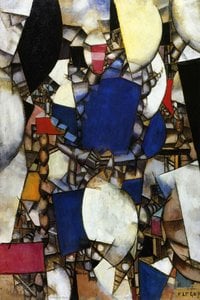
Composition with Three Figures


 Loe lähemalt
Giclée / Kunstiprint
Muuseumikvaliteediga giclée- või kangasprint kiire tootmisega ja paindlikud viimistlusvõimalused. ( Telli käsitsi maalitud reproduktsioon Ülemineku digitaalse pildi müügi kanalisse)




P118B €10

P118H €10

P118W €10

P438Z €10

P508JH €12

P508YH €12

P805H €10

P805Z €10

P919BZ €10

P919G €10

P919XJ €10

P959ZH €10

P968JZ €12

W106C €8

W218G €10

W218JH €8

W218Y €10

W307PJ €10

W316G €10

W316PJ €8

W316Y €10

W398PJ €8

W4111J €10

W500HY €15

W500JH €15

W692G €12

W849H €8

W940BG €15

W953PJ €8




Vali meie eelmääratud suurused, mis vastavad teose algupärastele proportsioonidele.

Saate sisestada oma mõõdud, et need sobiks konkreetse raami või ruumi sisse. Kui valitud suurus ei vasta originaalteose proportsioonidele, lõigame teose ära või laiendame pilti peegeldatud või ühtlase servaga. Enne tootmisprotsessi algust saadetakse Teie kinnitamiseks digitaalne näidis.
Palun märka, et ekraanil kuvatav eelvaade ei kajasta tegelikku lõigamist või laiendamist. Ainult näidis kujutab täpselt lõplikku kompositsiooni.
Kuigi erimõõdu on saadaval, soovitame originaaproportsioonide säilitamiseks valida mõõt ette määratud nimekirjast.
Ülemaailmne tarne () 2 nädala jooksul, tavalise 4/5 nädala asemel. (13 oktoober)

Tasuta ekspresssaatmine üle maailma

Kõrgekvaliteediline lina-kangastest muld

Täielik transpordikindlustus

Tollimaksude tagastamise garantii

Värvitoime täpsuse garantii

100 päeva tagastusõigus (ainult defektide korral)

100% raha tagasi garantii

Hulgusoodustus
 Klaasivalik on saadaval ainult kuni 110 cm suuruses teostes

Composition with Three Figures
Giclée / Kunstiprint
Reproduktsiooni mõõtmed
-


Lõppsumma
€ 53
Fernand Léger’s “Composition with Three Figures”: A Dance of Modernity
Fernand Léger's "Composition with Three Figures," painted in 1932, is more than just a depiction of three women; it’s a vibrant snapshot of the burgeoning modernist spirit grappling with the complexities and contradictions of the machine age. This captivating work, rendered in a bold palette of grays, blues, and yellows, invites viewers into a dynamic scene brimming with fragmented forms and suggestive symbolism – a testament to Léger's pioneering approach to integrating industrial aesthetics into his art.
The painting immediately draws attention to the figures themselves. Each woman is presented with an arresting simplicity: oval faces, large expressive eyes, and stylized hair—elements that echo Léger’s fascination with geometric abstraction and a deliberate departure from traditional representational techniques. Their hands are raised to their faces, creating a sense of introspection or perhaps a quiet struggle within the bustling scene. The positioning of these figures – seemingly caught in a moment of private contemplation amidst a backdrop of everyday objects – speaks volumes about the anxieties and uncertainties of modern life.
Purism and the Language of Form
“Composition with Three Figures” firmly places Léger within the context of Purism, an artistic movement that emerged in France during the 1920s. Rejecting the perceived excesses of Cubism’s fragmentation, Purists sought to distill forms into their essential geometric components, emphasizing clarity and a sense of underlying structure. Léger embraced this philosophy wholeheartedly, reducing the figures and objects to their most basic shapes – circles, squares, triangles – while retaining a powerful sense of dynamism. The use of a bright yellow background further amplifies this effect, creating an almost theatrical stage for the interplay of forms.
Notice also the inclusion of seemingly disparate elements: a clock, a rope, bowls, and two dogs. These aren’t merely decorative additions; they are carefully chosen symbols that contribute to the painting's layered meaning. The clock suggests the relentless march of time, while the rope hints at constraint or perhaps connection. The bowls could represent nourishment or contemplation, and the dogs – often associated with loyalty and instinct – add a touch of primal energy to the composition. Léger masterfully weaves these elements together, creating a visual narrative that is both enigmatic and deeply engaging.
A Bridge Between Tradition and Modernity
Léger’s artistic journey is particularly compelling because he resisted the notion that abstraction was simply an escape from representation. Instead, he sought to *embrace* modernity – its mechanical forms, its speed, its urban landscapes – and translate these experiences into a new visual language. His early life working on a farm provided a crucial grounding in the physicality of labor, which informed his later depictions of industrial subjects. “Composition with Three Figures” exemplifies this approach: it’s not an attempt to reject reality but rather to capture its essence through simplified forms and bold colors.
Interestingly, Léger's work has been linked to Surrealism, a movement that explored the realm of dreams and the subconscious. The painting’s disjointed composition and ambiguous symbolism resonate with Surrealist principles, suggesting a deeper psychological dimension beneath the surface. However, Léger maintained a distinct artistic identity, forging his own unique path within the broader landscape of 20th-century art.
Bringing “Composition with Three Figures” into Your Space
ArtsDot offers meticulously crafted hand-painted reproductions of Fernand Léger’s "Composition with Three Figures," allowing you to experience the power and beauty of this iconic artwork in your own home. Our skilled artists faithfully recreate Léger's distinctive style, capturing the dynamism of the composition and the richness of the color palette. Whether you are a seasoned art collector or simply seeking to add a touch of modernist flair to your interior design, our reproductions provide an authentic and affordable way to connect with this pivotal figure in 20th-century art.
Explore our selection of high-quality prints and canvases – each meticulously crafted to ensure the highest level of detail and color accuracy. Let “Composition with Three Figures” become a captivating centerpiece in your space, a testament to Léger’s enduring vision and ArtsDot's commitment to preserving and celebrating artistic masterpieces.
Küsimused ja vastused
Milliseid ühiseid elemente jagab teos "Composition with Three Figures" ümbri mõeldu "Fernand Léger loominguga"?
"Composition with Three Figures" kuulub Fernand Léger Cubist Tubism perioodi teosetele, mille tuntud teemad hõlmavad cubism, machine age, modernity, dynamism, geometric abstraction, industrialization, urban life, social commentary.
Millissele kunstisuunale kuulub teos „Composition with Three Figures“, autor Fernand Léger?
Teos „Composition with Three Figures“, autor Fernand Léger kuulub Cubist Tubism suunasse. See suund annab teosele stilistilise konteksti.
Kas saan näha teose „Composition with Three Figures“, autor Fernand Léger röntgenpilti?
Teose „Composition with Three Figures“, autor Fernand Léger röntgenvaade on saadaval selle Röntgenkiirgus lehel: see on interaktiivne pildi uurimine läbi üheksateist optilise kihti.
Mille kohta teos "Composition with Three Figures" on?
Teemad, mis teoses „Composition with Three Figures“, autor Fernand Léger esinevad, hõlmavad women figures, modernity, geometric forms, industrial age, dynamic composition, purism, multiple perspectives. Koos need kokkuvõtavad teose sisu.
Millal loodi teos „Composition with Three Figures“, autor Fernand Léger?
Teose „Composition with Three Figures“, autor Fernand Léger ajalooline periood on Modern. See klassifikatsioon aitab teost kunstiloostikuliselt paikata.
Kes lõi "Composition with Three Figures"?
Teose "Composition with Three Figures" looja on Fernand Léger. Teos on kataloogitud nime Fernand Léger all.
Kust teose „Composition with Three Figures“, autor Fernand Léger külastajad pärit on?
Statistika teose „Composition with Three Figures“, autor Fernand Léger kohta on saadaval teose Statistika lehel: teose kuukaudsed külastused, kunstniku teoste külastused ning viimaste külastajate riikide ja keelte jaotus.
Mille nimetatud või alternatiivsete nimed on Fernand Léger?
Kunstnik Fernand Léger tuntub ära ka nime all Žernan Leže, Joseph Fernand Henri Ležer.
Sarnased teosed


Kunstniku elulugu
Fernand Légeri Elu ja Pärand: Masinaaja Vaimustuses
Joseph Fernand Henri Léger, sündinud 1881. aastal Argentanis Normandias, oli prantsuse kunstnik, keda peetakse üheks olulisimaks kujuks modernismi arendamisel. Tema teekond maalijana algas lihtsatest juurtest – talupidaja poja kasvatuses –, kuid viis ta Pariisi avantgardisti ringkondadesse, kus ta lõi ainulaadset visuaalset keelt, mis peegeldas masinaaja vaimu ja muutis kunstimaailma. Léger ei põgenenud abstraktsiooni varjupaika nagu paljud tema kaasaajalased; pigem püüdis ta integreerida modernsuse – selle dünaamilisust, mehaanilisi vorme ja olemust – oma loomingusse, luues nii võimsalt abstraktsed kui ka sügavalt vaadeldavale maailmale juurdunud teosed. Tema varajane elu, mis oli läbi imbunud põllumajandusliku töö reaalsusest, pakkis tugeva kontrasti tööstuslikule tulevikule, millele ta nii kirglikult pühendus."Tubismi" Sünd ja Kulla Sektsiooni Liikumine
Légeri kunstiline tee pöördeliseks hetkeks kujunes Paul Cézanne'i retrospektiiv 1907. aastal. See sündmus vabastas Légeri konventsionaalsest esindamisest ning suunas ta poole rohkem geomeetrilise ja struktuuralise lähenemise suunda. Ta hakkas vorme dekonstrueerima, analüüsima nende põhivorme ja ümber ehitama lõuendile uut rõõmu asetades tahkusele ja mahule. See uurimine viis ta kiiresti kubismi orbiidile, kuid Léger ei soovinud lihtsalt Picasso või Braque'i stiili jäljendada. Ta arendas omaenda eripära – isikliku kubismi vormi, mida kriitikud mänguliselt hüüdisid "tubismiks". Tüüpiliseks tunnuseks olid silindrilised vormid, lamedad tasandid ja julged värvikontrastid, mis tähistasid masina esteetikat ammu enne kui see sai laialdasemaks kunstiliseks tegevuseks. See oli kunst, mis sündis kasvava tööstusmaailma vaatlemisest, tunnustades ilu selle funktsionaalsetes vormides ja mehaanilistes rütmides. Aastatel 1909–1914 osales Léger aktiivselt avantgardisti tegevuses, liitudes Jean Metzingeri, Henri Laurensi, Jacques Lipchitzi, Chaïm Soutine'i, Robert Delaunay ja teiste kunstnikega.Sõda, Mehhaniseerimine ja Uus Esteetika
Esimene maailmasõda mõjutas sügavalt Légeri elu ja tööd. Frontis teenistuses aastatel 1914–1916 tutvus ta kaasaegse sõja brutaalse reaalsusega – suurtükipommardamistest, õhulahingutest ja mehaanika dehumaniseerivatest mõjudest. See kogemus ei viinud pettumusse ega modernsuse hüljatesse; pigem tuletas see veelgi rohkem rõhutama tema masinatele pühendumist ja nende võimu. Tema teenistusaegadel tehtud joonistused dokumenteerisid sõjalise tehnoloogia karmi ilu, muutes hävitusvahendid kunstilise kaalutluse objektideks. Naasmisel tsiviil-ellu läks Légeri esteetika veelgi edasi arendades. Tema maalidel hakkasid kajastuma lihtsustatud mehaanilised tunded, tähistades tööstusmaailma dünaamilisust ja tõhusust. *Sõdur suitsega* (1916) näitab seda muutust, kujutades lihtsaid vorme ja julgeid värve, mis kutsuvad esile mehaanilise täpsuse tunde. See ei olnud pelgalt esteetiline valik; see oli filosoofiline avaldus – kinnitus modernsuse potentsiaalile edeneda ja uueneda isegi hävitava konflikti järel.Pärand ja Püsiv Mõjutus
Sõjajärgsetel aastatel jätkas Léger tööstusmaailma ristumiskoha uurimist, lootes teoseid, mis tähistasid modernset elu ainulaadse värvimuhingu abil abstraktsiooni ja kujutuse vahel. Tema *Paysages animés* (Animeritud Maastikud) sarjast 1921. aastal näitasid figuuride ja loomade sujuvat integreerimist lihtsustatud kompositsioonidesse, hägustades piire orgaanilise ja anorgaanilise vahel. Ta eksperimenteeris ka skulptuuriga ja filmitegemisega, laiendades oma kunstipraktikat traditsiooniliste maalide piirde väljast. Légeri mõju järgmisele kunstnike põlvkondadele on eitamatud. Tema vormi julge lihtsus, tööstusliku kujutise omaksvõtmine ja populaarkultuuri tähistamine eelnenud Pop Art tekkimist aastakümneid hiljem. Sellised kunstnikud nagu Roy Lichtenstein ja Andy Warhol on selgelt võlgnud Légeri pioniiri tööd. Ta sillutas vahet abstraktsiooni ja kujutava esituse vahel, näitudes, et on võimalik luua teoseid, mis on nii intellektuaalselt ranged kui ka visuaalselt kaasahaaravad. Tänapäeval leidub Fernand Légeri maalide koosseisus suuremates muuseumides üle maailma, sealhulgas Prantsuse Musée d'Art et d'Histoire ja Biot's asuvas Musée National Fernand Légeris, mis on pühendatud ainult tema tööle. Ta jääb 20. sajandi kunsti hiiglasseks – visionäär, kes julges leida ilu masinaaja seest ja tõlkida selle lõuendile võrratu julgusega ja originaalsusega. Tema pärand on mitte ainult maalijana, vaid ka modernsuse prohvetina. Tõeline pioneer, kelle töö kõlab täna publikus endiselt.
Fernand Léger
1881 - 1955 , Prantsusmaa
Lühikest infot
- Artistic Movement Or Style: Kubism, Tubism
- Artists Or Movements Influenced By This Artist: ['Pop Art']
- Artists Who Influenced This Artist: ['Paul Cézanne']
- Date Of Birth: 4. veebruar 1881
- Date Of Death: 17. august 1955
- Full Name: Fernand Léger
- Nationality: Prantsuse
- Notable Artworks:
- The Sitted Woman
- Machine Element
- The Great Parade
- The City
- Place Of Birth: Argentan, Prantsusmaa
Sarnased artiklid

Industrial Revolution on Canvas: 10 Artworks That Define a Modern Aesthetic
Explore 10 iconic artworks capturing the Industrial Revolution’s grit & beauty. From Monet to Manet, discover realism, impressionism & powerful scenes of urban life. Find museum-quality reproductions for your home at ArtsDot.com.

Deconstructing Reality: Cubism's Revolutionary Impact on 20th-Century Art
Explore the revolutionary world of Cubism with ArtsDot. Discover Picasso & Braque's groundbreaking techniques, its philosophical roots, and lasting impact on modern art. Expert insights for collectors.

Fernand Légeri 25 parimat teost: modernse kunsti meistriteosed teie interjööri jaoks
Avastage Fernand Légeri 25 parimat teost! Sukelduge modernse kunsti, kubismi ja tubismi maailma. Leidke inspiratsiooni interjööridisainiks ning ostke kvaliteetseid kunstireproduktsioone ArtsDot.com-ist. Avastage kogu kollektsioon veebis!

Geomeetrilise Abstraktsiooni 10 Meisterteost: Kunst ja Kodukaunistus ArtsDot.com-is
Avastage geomeetrilise abstraktsiooni 10 suurteost – Kandinsky, Mondrian ja teised. Lugege kunstiteoste lugusid ning leidke inspiratsiooni kodukaunistuseks ArtsDot.com-is! Kunstikollektsioon ja reprodutsioonid.

Paul Cézanne: 25 Meisterteost, mis Muutsid Maailma Kunsti | ArtsDot
Avastage Paul Cézanne 25 kõige ikoonilisemat teost! Sukeldume postimpressionismi maailma, värviliste still life'ide ja Mont Sainte-Victoire maalide lugudesse. Leidke inspiratsiooni interjööri disainiks ArtsDot.com-is. Vaadake maali reproduktsioone!


