


Teos järgib teie valikuid: , .
Kogumisobjekti kirjeldus
 Loe lähemalt
Kunstniku elulugu
Ernst Ludwig Kirchner oli Saksa ekspressionist ja Die Brücke liikme üks juhtiv mõtleja. Tema töö keskendus linnapiiskele ja inimese kujunditele ning oli täielikult vastuolus akadeemilise kunstiga. Kirchneri stiil oli tuntud oma värvide kasutuse ja väljendusrikaste pintslitööde poolest, mis olid olulised ekspressionistlikule kunstile maailmas.
Käsitsi valmistatud õlimaalireproduktsioon
Meie kunstnike poolt tellimusel valmistatud käsitsi maalitud õli-kainaste teos teie soovitud suuruses ja raamis. ( Lülita trükkitoodetele Lülita digitaalse pildi juurde)
Lisateavet selle maali kohta
 Eelvaade
 Saada
Saada Jaga
Jaga
 Teave teose kohta
 Juhend

 Laadi alla
 Sarnased teosed
 Röntgenuuring
 Slaidietendus
 KÜSIMUSED JA VASTUSID
 Statistika
Tellige oma maali neljas lihtsas sammus
Ärge kiirustage. Saate igal hetkel vastuseid muuta; tellimuskarril kuvatav hind muutub vastavalt tehtud valikutele.
1 Esimene samm neljast
Millist suurust soovite?
Need suurused säilitavad originaalteose proportsioonid. Joonis näitab teie valikut seina küljel, kaheMeetise diivani kohal.
Või sisesta oma mõõdud
Vali meie eelmääratud suurused, mis vastavad teose algupärastele proportsioonidele.

Sisestage vajalik laius ja kõrgus, et teos sobiks teie raamile või seinale. Kuna tegu on käsipainatud teosega, siis erineva kujuga suuruse korral võib kunstnik jätta pildi ümber veidi rohkem marginaali või lõigata osa ära — valik on teie. Enne maali alustamist saadame teile kinnitamiseks digitaalse näidisprojektsiooni. Sellel lehel näidatud pilt ei kajasta tegelikku tulemust — seda näitab ainult näidisprojektsioon.
2 Teine samm neljast
Kuidas see peaks valmistatud olema: rullitud, pingutatud või raamitud?
Alljadevad hinnad kehtivad esimeses sammus valitud suuruse kohta.
Vali pingutatud kanga servade stiil
Vali oma raam

Valge serv €1

häguse servaga lõppviimistlus €1

Laiendatud €1

P118B €10

P118H €10

P118W €10

P438Z €10

P508JH €12

P508YH €12

P805H €10

P805Z €10

P919BZ €10

P919G €10

P919XJ €10

P959ZH €10

P968JZ €12

W106C €8

W218G €10

W218JH €8

W218Y €10

W307PJ €10

W316G €10

W316PJ €8

W316Y €10

W398PJ €8

W4111J €10

W500HY €15

W500JH €15

W692G €12

W849H €8

W940BG €15

W953PJ €8

H24-GOLD €30

H24-SILVER €30

H36-GOLD €45

H36-SILVER €45
Raamitud
Kujund: . Kogumõõt koos raamiga: .
3 Kolmandas sammis neljast
Kas soovite maalis midagi muuta?
Enamik inimesi vastab ei. Kuna iga maali on käsitsi valmistatud, saab meie kunstnik seda ka teie soovidega kohandada.
Pärast tellimust saadetab ArtsDot.com meeskond klientile e-posti juhised ning esitab ette tasandatud eelvaate
4 Neljas samm neljast
Mõned lõppviimistlusvõimalused
Kõik need on valimiste korral vabatahtlikud. Juba valitud vastustele ei rakendu täiendav kulu.
Kes selle maalis?
Maailmline tarne 3–4 nädala jooksul tavalise 5 nädala asemel. (4 november). Kvaliteedis kompromisse ei tehta.
Nimetelis, nagu muuseumis?
Graveeritud pronksplaadi üksikasjad
This elegant plaque features the artist's name and the title of the artwork, finely engraved for a timeless presentation.
It is made from bronze with a refined, elegant finish. The text is precisely laser-engraved for a sharp and permanent result. Measuring 9x2 cm, the plaque is compact yet easy to read. It's built to be durable and scratch-resistant, offering a professional, museum-quality look. Mounting is simple thanks to the included adhesive backing.
Läbipaistva akrüülplaadi üksikasjad
The plaque includes essential engraved details such as the artist's name, the title of the artwork, the date it was created, the type of media used-like oil on canvas or watercolor-a brief description of the piece, and a QR code that links to the complete artwork information.
It is crafted from clear acrylic, offering a sleek, modern appearance. The text is UV-engraved in black to ensure strong visual contrast. With a size of 10x15 cm, it ensures optimal readability. It comes equipped with two metal hooks for secure wall mounting. The plaque is designed to be weather-resistant, making it suitable for various environments, and it includes interactive features that work seamlessly with smartphone scanning.
Musta akrüülplaadiรายละเอียด (Note: The user provided "Musta akrüülplaadi detailid" as the current translation and asked for an improved version. Since "Musta akrüülplaadi
This elegant plaque includes engraved information such as the artist's name, the title of the artwork, the date it was created, the type of media used (like oil on canvas or watercolor), a short description of the artwork, and a QR code for quick access to more information.
The plaque itself is made from refined black acrylic with a premium finish. The text is laser-engraved in white for high contrast and readability. Its size is 10x15 cm, designed to be easy to read. It comes with two metal hooks for professional mounting. The design is sleek and fits any interior style. It is also weather-resistant and durable, with built-in digital integration for mobile compatibility.
Kaitsev lakikih?
Millal te seda vajate?
✓ Kontrolli ja telli
Teie maalid vastavalt tellimusele

Marcella
Reproduktsiooni tehnika
Reproduktsiooni suurus
-

Eelistatud tippkunstnik
Rohkem detaile, peenust ja lisatootmisaega
-

Reproduktsiooni raamivalikud
-
-
Kunstiteoste või reproduktsioonide puhul, mille üks külg on üle 105 cm (umbikmolt 41 tolli), saadetakse raam kirjal asendis, la Dismantlitud komplektina. See meetod tagab ohutuse kohaletoimetamisel ja väldib transpordil tekkivaid kahjustusi.
Vajalik professionaalne kokkupanek – see ei ole isetegevusega valmistamiseks mõeldud toode.
Komplekt tuleb kokku panna ja lõvet pingutada kogemusega professionaalse raamija, kasutades puiduliim (ei kuulu komplekti), lõvetpingi ja klempe, et hoida raami kande mustad õigena liimi kuivamisaja jooksul. Vale kokkupanek või ebaühtlane lõvetping võib kunstiteost püsivalt kahjustada ning seda
 Kunstiteoste või reproduktsioonide puhul, mille üks külg on üle 105 cm (umbikmolt 41 tolli), saadetakse raam kirjal asendis, la Dismantlitud komplektina. See meetod tagab ohutuse kohaletoimetamisel ja väldib transpordil tekkivaid kahjustusi.
Kaasatud on kõik tahked puidust liistud, täpselt lõigatud vastavaks suuruseks.
Kokku panemiseks kasutatakse lisatud kruvisid ning nurkade liimamiseks vajalikku puuliima, mida ei ole komplektis ja mida peab raamivalmistaja ise hankima.
Vajalik on kasutada professionaalseid tööriistu, mis ei kuulu komplekti: lõvetelapide pingist (pingutaja) ja klambreid, et hoida raami puidu nurgas õigena liimi kuivamisaja jooksul.
Oluline:
Nurgaliimamiseks on vaja puiduliim, liimimine peab toimuma klempide all kuni liim on täielikult kuivanud ning kokku monteeritud raami kanga pingutamiseks on vajalik kanga pingutustang. Kumbki neist ei kuulu komplekti. Palun veenduge enne selle suuruse tellimist, et teil on saadaval kogenud professionaalne raamistaja.

Nimesildikiri
-
-

Kaitsevärnitsus
Läikiv lakk (muudab värvid elavamaks ning kaitseb valgust ja niiskust eest)
-

Kohanda oma teost
Näiteid muudatuste kohta: Asenda nägu kliendi fotoga; Lisa lemmikloom (nt asenda kass koeraga); Lisa taustale peidetud sõnum; Muuda tausta maastikku või elemente.
-

Kiire tarne
Ülemaailmne tarne riiki 3–4 nädalaga tavalise 5 nädala asemel. (4 november). Kvaliteedis kompromisse ei tehta.
-
Kiirsaatmine
Ülemaailmne tarne () 5 nädala jooksul. (11 november).
Sisse kuuluv
Koguhind
€ 234
Klaasivalik on saadaval ainult kuni 110 cm suuruses teostes
Säli iga tellimusega
- Tasuta ekspresssaatmine üle maailma
- Kõrgekvaliteediline lina-kangas
- Täielik transpordikindlustus
- Tollimaksude tagastamise garantii
- Värvitoime täpsuse garantii
- 100 päeva tagastusõigus (ainult valmistusdefektide korral)
- 100% raha tagasi garantii
- Hulgusoodustus


Marcella – A Portrait of Anxiety in Expressionist Color
Ernst Ludwig Kirchner’s “Marcella,” painted in 1909, stands as a cornerstone of German Expressionism—a movement defined by its fervent embrace of subjective emotion and a deliberate distortion of reality. More than just a depiction of a young woman, it's an exploration of psychological unease rendered with audacious color palettes and unsettling compositional choices that continue to resonate with viewers today.
Composition & Perspective: Flattened Space
The artwork’s simplicity is deceptive; Kirchner meticulously crafted a scene designed to convey intense feeling. The figure occupies the majority of the frame, positioned slightly off-center—a deliberate tactic that disrupts traditional perspective and contributes to the overall sense of claustrophobia. A large yellow plane dominates the background, punctuated by abstract shapes hinting at architectural elements like mirrors or windows on the left side – these additions amplify the feeling of confinement.
Color Palette & Texture: Bold Declarations Against Tranquility
Kirchner’s color choices are deliberately jarring. The dominant hue is a vibrant yellow—a color often associated with optimism and enlightenment, yet here it serves as a backdrop for muted pinks and creams representing flesh tones, shadowed by deep browns and blacks. This stark contrast underscores the emotional turmoil at play. Thick brushstrokes create a palpable texture, an impression of impasto that captures the artist’s energetic technique—a deliberate rejection of academic smoothness in favor of expressive materiality.
Style & Technique: Distortion as Emotional Expression
"Marcella" exemplifies Expressionism's core tenets. Kirchner employs angular lines to delineate the figure’s form, rejecting naturalistic representation and prioritizing emotional impact. The striped pattern on the skirt adds another layer of visual complexity—a subtle gesture that reinforces the artwork’s unsettling atmosphere. He achieves tonal variations within the planes of color through layering and blending, demonstrating a masterful command of oil paint.
Symbolism & Emotional Resonance: Fear Beneath the Surface
Beyond its formal elements, “Marcella” is laden with symbolic significance. The woman's somber expression—coupled with her gaze directly at the viewer—suggests introspection and vulnerability. The white bow adorning her hair could be interpreted as an attempt to conceal inner anxieties, mirroring themes explored in Munch’s *The Scream*. Ultimately, Kirchner’s “Marcella” compels us to confront uncomfortable truths about human experience—a testament to the enduring power of Expressionist art.
Korduvad küsimused
Kuhu kohta on teose "Marcella" Portrait formaat soovitatav paigutada?
Formaat (Portrait) ja soovitatav ruum (Living Room) on teose „Marcella“, autor Ernst Ludwig Kirchner kohta kirjutatud kaks paigutusandmet.
Kust saan leida sarnaseid teoseid kui „Marcella“, autor Ernst Ludwig Kirchner?
Teosed, mis sarnanevad teosega „Marcella“, autor Ernst Ludwig Kirchner, on koondatud selle teose lehel Sarnased teosed.
Mis on teose „Marcella“, autor Ernst Ludwig Kirchner materjal ja valmimisaeg?
Teos "Marcella" valmis aastal 1909, kasutades Acrylic On Canvas tehnikat. Materjal ja kuupäev kirjeldavad, kuidas ja millal originaal on valminud.
Sarnased teosed


Ernst Ludwig Kirchner
1880 - 1938, Saksa
Kunstniku elulugu
Ernst Ludwig Kirchner (1880-1938): A Life Forged in Expression
Ernst Ludwig Kirchner, a name synonymous with the raw emotional power of German Expressionism, was born into a world poised on the brink of dramatic change. His arrival in Aschaffenburg, Bavaria, in 1880, marked the beginning of a life deeply intertwined with artistic innovation and personal turmoil. The shifting landscapes of his childhood – dictated by his father’s profession – instilled within him a sense of displacement that would later become a recurring theme in his art. From Frankfurt to Perlen, and finally settling in Chemnitz, young Kirchner absorbed the burgeoning anxieties of a rapidly modernizing Germany. Though initially steered towards architecture at the Königliche Technische Hochschule in Dresden, it was the profound conviction that painting could convey inner experience—a rejection of academic conventions—that ultimately defined his artistic path. He found kinship with fellow rebels – Fritz Bleyl, Karl Schmidt-Rottluff, and Erich Heckel – forging bonds that would irrevocably alter the course of 20th-century art.Early Life and Artistic Beginnings
Kirchner’s formative years were shaped by a family preoccupied with intellectual pursuits. His father, a chemical technician specializing in paper production, instilled in him a meticulous attention to detail—a characteristic that would later translate into his exacting artistic technique. Maria Kirchner, his mother, descended from Huguenot ancestry, fostering within him an appreciation for cultural heritage and a sensitivity to the nuances of human emotion. From Aschaffenburg he moved to Frankfurt/Main and Perlen nr. Lucerne where he attended secondary school alongside Karl Schmidt-Rottluff and Erich Heckel—artists who would become lifelong companions and collaborators. These formative relationships profoundly influenced his artistic worldview, shaping his belief in the importance of shared experience and mutual inspiration. Recognizing his innate talent for drawing and painting, Kirchner pursued architectural studies at Dresden’s Königliche Technische Hochschule, but simultaneously enrolled in courses focused on figurative art, honing his skills in life drawing and composition—skills that would prove invaluable to his subsequent artistic endeavors.Die Brücke: A Revolutionary Collective
The genesis of Kirchner's artistic breakthrough occurred in 1905 when he joined *Die Brücke* (“The Bridge”), a groundbreaking collective dedicated to forging a new aesthetic language rooted in emotional intensity and psychological exploration. Alongside Bleyl, Schmidt-Rottluff, and Heckel, Kirchner established a studio in Dresden where they experimented with innovative techniques—primarily woodblock printing—drawing inspiration from sources far removed from the prevailing artistic trends of the time. The group’s manifesto articulated a radical rejection of academic idealism, advocating instead for an uncompromising confrontation with reality—a stance that mirrored their broader philosophical convictions. They drew heavily upon influences from primitive art – particularly African and Oceanic sculpture – recognizing its expressive power and its ability to bypass rational thought. Furthermore, they embraced the bold chromatic palette pioneered by Vincent van Gogh, utilizing vibrant hues to convey emotional states rather than merely representing visual appearances. This stylistic fusion—characterized by distortion, simplified forms, and emotionally charged brushwork—became synonymous with Die Brücke’s distinctive artistic vision.Berlin and Artistic Maturity
In 1911 Kirchner relocated to Berlin, establishing a studio in Wilmersdorf alongside fellow artist Max Pechstein—a partnership that would endure until Pechstein's departure from the group in 1913. Berlin became Kirchner’s epicenter of artistic activity, fostering connections with writers, intellectuals, and artists who shared his commitment to challenging conventional norms. He meticulously documented the urban landscape—particularly the gritty streets and tenements of Berlin—capturing not only their physical appearance but also the psychological atmosphere they engendered. His paintings conveyed a palpable sense of alienation and unease—reflecting the anxieties prevalent in German society during the period leading up to World War I. Kirchner’s artistic style evolved throughout his career, embracing increasingly expressive techniques while retaining a steadfast dedication to conveying inner experience. He continued to explore themes of solitude, vulnerability, and psychological torment—subjects that would resonate powerfully with audiences across generations.Legacy and Recognition
Kirchner's contribution to German Expressionism is undeniable. His uncompromising artistic vision—characterized by bold color palettes, distorted forms, and emotionally resonant imagery—established him as one of the movement’s foremost figures. Despite facing persecution during the Nazi era—when over 600 of his artworks were confiscated and deemed “degenerate”—Kirchner's legacy persists as a testament to the enduring power of art to confront societal injustices and champion artistic freedom. His paintings continue to inspire artists today, serving as a poignant reminder of the importance of emotional honesty and stylistic innovation. Ernst Ludwig Kirchner’s oeuvre remains an invaluable resource for understanding the complexities of early 20th-century art—a beacon illuminating the path toward authentic expression and unwavering conviction in one's artistic beliefs.


Sarnased artiklid

Roy Lichtensteini 25 parimat teost: popkunst ja koduseinte elegants
Avastage Roy Lichtensteini 25 parimat teost! Sukelduge popkunsti maailma, õppige maalidest ja tehnikatest. Kvaliteetsed reproduktsioonid ja interjööridisaini ideed ArtsDot.com-is. Vaadake kollektsiooni!

German Expressionism's 10 Defining Masterpieces | Art for Your Home
Explore 10 defining German Expressionism masterpieces – from Munch's 'The Scream' to Kandinsky’s abstracts. Discover the artists, stories & bold colors behind this powerful art movement. Find museum-quality reproductions at ArtsDot.com.
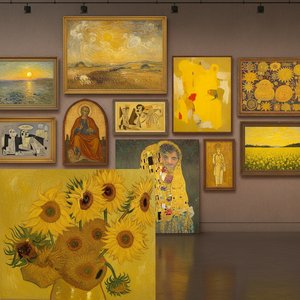
Golden Hues: 10 Masterpieces Dominated by Chrome Yellow | ArtsDot
Immerse yourself in golden light! Explore 10 famous paintings dominated by 'Chrome Yellow', from Van Gogh’s Sunflowers to Monet's Haystacks. Discover the stories behind these iconic Impressionist & Post-Impressionist masterpieces and find museum-quality art reproductions at ArtsDot.com.