
 Õlimaal kangaruumil
- Seinakunst
- Expressionism
 1911
1911- Modernism
 79.0 x 80.0 cm

The picture follows your choices: , .
Kogumisobjekti kirjeldus
Egon Schiele's 'Autumn Trees' (1911) captures the essence of Expressionism with vibrant colors and distorted forms, depicting a serene landscape reflecting intense emotion.
 Loe lähemalt
Kunstniku elulugu
Egon Schiele oli austria ekspressionistlik kunstnik, kes tuntakse oma dünaamikaline stiil ja tema teoste sügav psühholoogiline tähendus ning suur osa maailma muuseumikollektiivides olevate tööde tõttu. Tema esimeste tööde keskendusid seksuaalsusele ja surnule ning Schiele oli üks vähese kunstniku, kes ei tundnud piire.
Käsitsi valmistatud õlimaalireproduktsioon
Meie kunstnike poolt tellimusel valmistatud käsitsi maalitud õli-kainaste teos teie soovitud suuruses ja raamis. ( Lülita trükkitoodetele Lülita digitaalse pildi juurde)
More about this painting
 Eelvaade
 Saada
Saada Jaga
Jaga
 Teave teose kohta
 Juhend

 Laadi alla
 Sarnased teosed
 Röntgenuuring
 Slaidietendus
 Q&A
Q&A Statistika
Order your painting in four simple steps
Take your time. You can change any answer; the price in your order card follows each choice.
1 Step one of four
Which size would you like?
These sizes keep the proportions of the original painting. The drawing shows your choice on a wall, above a two-metre sofa.
Or give your own measurements
Vali meie eelmääratud suurused, mis vastavad teose algupärastele proportsioonidele.

Sisestage vajalik laius ja kõrgus, et teos sobiks teie raamile või seinale. Kuna tegu on käsipainatud teosega, siis erineva kujuga suuruse korral võib kunstnik jätta pildi ümber veidi rohkem marginaali või lõigata osa ära — valik on teie. Enne maali alustamist saadame teile kinnitamiseks digitaalse näidisprojektsiooni. Sellel lehel näidatud pilt ei kajasta tegelikku tulemust — seda näitab ainult näidisprojektsioon.
2 Step two of four
How should it be prepared: rolled, stretched or framed?
The prices below are for the size you chose in step one.
Choose the edges of the stretched canvas
Choose your frame

White €1

Blurside €1

Extended €1

P118B €10

P118H €10

P118W €10

P438Z €10

P508JH €12

P508YH €12

P805H €10

P805Z €10

P919BZ €10

P919G €10

P919XJ €10

P959ZH €10

P968JZ €12

W106C €8

W218G €10

W218JH €8

W218Y €10

W307PJ €10

W316G €10

W316PJ €8

W316Y €10

W398PJ €8

W4111J €10

W500HY €15

W500JH €15

W692G €12

W849H €8

W940BG €15

W953PJ €8

H24-GOLD €30

H24-SILVER €30

H36-GOLD €45

H36-SILVER €45
Raamitud
Moulding: . Overall size with the frame: .
3 Step three of four
Would you like anything changed in the painting?
Most people answer no. Because each painting is made by hand, our artist can also adapt it for you.
After order, ArtsDot.com team will email client for instructions and provide a mockup preview
4 Step four of four
A few finishing options
All of them are optional. The answers already selected cost nothing extra.
Who paints it?
Maailmline tarne 3–4 nädala jooksul tavalise 5 nädala asemel. (30 oktoober). Kvaliteedis kompromisse ei tehta.
A nameplate, as in a museum?
Graveeritud pronksplaadi üksikasjad
This elegant plaque features the artist's name and the title of the artwork, finely engraved for a timeless presentation.
It is made from bronze with a refined, elegant finish. The text is precisely laser-engraved for a sharp and permanent result. Measuring 9x2 cm, the plaque is compact yet easy to read. It's built to be durable and scratch-resistant, offering a professional, museum-quality look. Mounting is simple thanks to the included adhesive backing.
Läbipaistva akrüülplaadi üksikasjad
The plaque includes essential engraved details such as the artist's name, the title of the artwork, the date it was created, the type of media used-like oil on canvas or watercolor-a brief description of the piece, and a QR code that links to the complete artwork information.
It is crafted from clear acrylic, offering a sleek, modern appearance. The text is UV-engraved in black to ensure strong visual contrast. With a size of 10x15 cm, it ensures optimal readability. It comes equipped with two metal hooks for secure wall mounting. The plaque is designed to be weather-resistant, making it suitable for various environments, and it includes interactive features that work seamlessly with smartphone scanning.
Musta akrüülplaadiรายละเอียด (Note: The user provided "Musta akrüülplaadi detailid" as the current translation and asked for an improved version. Since "Musta akrüülplaadi
This elegant plaque includes engraved information such as the artist's name, the title of the artwork, the date it was created, the type of media used (like oil on canvas or watercolor), a short description of the artwork, and a QR code for quick access to more information.
The plaque itself is made from refined black acrylic with a premium finish. The text is laser-engraved in white for high contrast and readability. Its size is 10x15 cm, designed to be easy to read. It comes with two metal hooks for professional mounting. The design is sleek and fits any interior style. It is also weather-resistant and durable, with built-in digital integration for mobile compatibility.
A protective varnish?
When do you need it?
✓ Check and order
Your painting, as you ordered it

Autumn Trees
Reproduktsiooni tehnika
Reproduktsiooni suurus
-

Eelistatud tippkunstnik
Rohkem detaile, peenust ja lisatootmisaega
-

Reproduktsiooni raamivalikud
-
-
Kunstiteoste või reproduktsioonide puhul, mille üks külg on üle 105 cm (umbikmolt 41 tolli), saadetakse raam kirjal asendis, la Dismantlitud komplektina. See meetod tagab ohutuse kohaletoimetamisel ja väldib transpordil tekkivaid kahjustusi.
Vajalik professionaalne kokkupanek – see ei ole isetegevusega valmistamiseks mõeldud toode.
Komplekt tuleb kokku panna ja lõvet pingutada kogemusega professionaalse raamija, kasutades puiduliim (ei kuulu komplekti), lõvetpingi ja klempe, et hoida raami kande mustad õigena liimi kuivamisaja jooksul. Vale kokkupanek või ebaühtlane lõvetping võib kunstiteost püsivalt kahjustada ning seda
 Kunstiteoste või reproduktsioonide puhul, mille üks külg on üle 105 cm (umbikmolt 41 tolli), saadetakse raam kirjal asendis, la Dismantlitud komplektina. See meetod tagab ohutuse kohaletoimetamisel ja väldib transpordil tekkivaid kahjustusi.
Kaasatud on kõik tahked puidust liistud, täpselt lõigatud vastavaks suuruseks.
Kokku panemiseks kasutatakse lisatud kruvisid ning nurkade liimamiseks vajalikku puuliima, mida ei ole komplektis ja mida peab raamivalmistaja ise hankima.
Vajalik on kasutada professionaalseid tööriistu, mis ei kuulu komplekti: lõvetelapide pingist (pingutaja) ja klambreid, et hoida raami puidu nurgas õigena liimi kuivamisaja jooksul.
Oluline:
Nurgaliimamiseks on vaja puiduliim, liimimine peab toimuma klempide all kuni liim on täielikult kuivanud ning kokku monteeritud raami kanga pingutamiseks on vajalik kanga pingutustang. Kumbki neist ei kuulu komplekti. Palun veenduge enne selle suuruse tellimist, et teil on saadaval kogenud professionaalne raamistaja.

Nimesildikiri
-
-

Kaitsevärnitsus
Läikiv lakk (muudab värvid elavamaks ning kaitseb valgust ja niiskust eest)
-

Kohanda oma teost
Näiteid muudatuste kohta: Asenda nägu kliendi fotoga; Lisa lemmikloom (nt asenda kass koeraga); Lisa taustale peidetud sõnum; Muuda tausta maastikku või elemente.
-

Kiire tarne
Ülemaailmne tarne riiki 3–4 nädalaga tavalise 5 nädala asemel. (30 oktoober). Kvaliteedis kompromisse ei tehta.
-
Kiirsaatmine
Ülemaailmne tarne () 5 nädala jooksul. (6 november).
Sisse kuuluv
Koguhind
€ 233
Klaasivalik on saadaval ainult kuni 110 cm suuruses teostes
Included with every order
- Tasuta ekspresssaatmine üle maailma
- Kõrgekvaliteediline lina-kangas
- Täielik transpordikindlustus
- Tollimaksude tagastamise garantii
- Värvitoime täpsuse garantii
- 100 päeva tagastusõigus (ainult valmistusdefektide korral)
- 100% raha tagasi garantii
- Hulgusoodustus


Autumn Trees: A Captivating Expressionist Landscape by Egon Schiele
Egon Schiele's "Autumn Trees," created in 1911, is a striking example of Austrian Expressionism, showcasing the artist’s unique ability to convey intense emotion through distorted forms and vibrant colors. This piece, measuring 79 x 80 cm and rendered in oil on canvas, offers a glimpse into Schiele's fascination with nature and his exploration of psychological states.
Composition and Technique
"Autumn Trees" presents a stylized landscape dominated by three slender trees silhouetted against a hazy background. The composition is structured around horizontal bands of color, contributing to a sense of flatness and abstraction characteristic of Expressionism. Schiele utilizes primarily lines to delineate the tree trunks and branches, creating a skeletal representation of nature. Geometric shapes – rectangles and elongated ovals – further enhance the abstract quality. The textured surface suggests an applied or layered technique, possibly involving scraping or manipulation of the paint. The diffused lighting lacks strong shadows, contributing to a dreamlike atmosphere. Schiele’s bold brushstrokes and layering techniques create a dynamic visual experience.
Expressionism and Symbolic Representation
This painting exemplifies Expressionist principles through its exaggerated forms and emotive use of color. While the trees are simplified, their presence is powerful. The bare branches could symbolize vulnerability or transition, reflecting Schiele’s exploration of human fragility and emotional turmoil. The inclusion of a serene boat in the background provides a contrasting element of tranquility, balancing the raw energy of the natural world with a touch of man-made serenity. This juxtaposition highlights Schiele's ability to create complex narratives within a single frame.
Contextualizing "Autumn Trees" Within Schiele’s Oeuvre
"Autumn Trees" is part of a series of autumn-themed paintings by Schiele, alongside works like “Autumn Sun” and “A Tree in Late Autumn.” These pieces reveal his deep fascination with the changing seasons and his skill in capturing their essence through expressive brushstrokes. Schiele’s work during this period was heavily influenced by Gustav Klimt, who served as a mentor, encouraging him to explore new artistic avenues. The painting reflects broader trends in early 20th-century art, moving away from traditional representational styles towards more abstract and emotionally charged forms.
Emotional Impact and Enduring Appeal
"Autumn Trees" evokes a melancholic and contemplative mood, reflecting themes of solitude and the passage of time. The painting’s raw emotionality continues to resonate with audiences today, solidifying its place as a significant work within the history of Expressionism. Its unique style and evocative imagery make it an ideal addition for art lovers and collectors seeking pieces that inspire introspection and appreciation for the power of expressive art.
Korduvad küsimused
Kellele on „Autumn Trees“, autor Egon Schiele hea kingitus?
"Autumn Trees" on soovituslik kingitus Sünnipäev, silmamiljule lugades Kinnisitus.
Milline värv on teoses "Autumn Trees" kõige silmapaistvam?
Teose "Autumn Trees" kõige silmapaistvam värv on Espresso (#4f3113). Dominantne värv on kasulik teose sobitamisel interjööriga.
Kust saan osta teose „Autumn Trees“, autor Egon Schiele trükki?
Teose „Autumn Trees“, autor Egon Schiele trüket saate tellida otse selle Kvaliteetne kunstutrüki print lehelt: kunstiprint puuvillalõikel kangas või arhiveeritaval kangaspaberil.
Sarnased teosed


Egon Schiele
1890 - 1918, Austria
Kunstniku elulugu
Ekspressiooni sünd: Elu, mis oli vormitud tunde poolt
Sündides 1890. aastal Austria linnas Tulln an der Donau, oli Egon Schiele elu tormakas teekond, mida isutasid nii erakordne kunstiline visioon kui ka sügav isiklik tragöödia. Tema varajased aastad olid haiguse ja kaotuse varjudest täidetud; tema isa surus syfilisi ohvriks, kui Egon oli alles nelja Teist aastat vana – traagika, mis kukkus sügavalt peale tema tulevast loomingut, kütstes obsesiooni surmavusest ja eksistentsi habrasusest. Alguses kasvatati teda ema poolt ning hiljem kontrolliva ammetist koos ammaga Leopold Czihacetski, mistõttu puudus Schiele lapsepuidel tavapärane stabiilsus, kuid see aga võimendas tema vankumatut iseseisvust. Juba lapsena näitas ta intensiivset huvi raudteede vastu – motiivi, mis ilmus peegeldusena ka tema hilisematest maalidest – ning kasvavat talenti joonistamiseks, kuigi tema isa pidas seda alguses vaid eemalitsevaks tegevuseks praktilistematelt eesmärkidel. Tema õsis Elvira varajane surm kestas samuti noore kunstniku psühhikale pikana varjuna. Need kujundavate kogemuste aastad sisaldasid temas tundlikkust ja emotsionaalset raavadust, mis said tema kunstilise avalduse kaubamärkideks – pideva kohutusega tema teemadest, mis puudutasid elu, surma ja inimliku olemuse olemust.
Wieni tulistav kolu: Kunstiline areng
Schiele ametlik kunstiline haridus algas Wiedris Kunstgewerbeschule'is (Kunstikäsiteste koolis), kuid ta tundis kiiresti, et konservatiivne lähenemine piirab tema loovust. Ta liikus edasi Akademie der bildenden Künste'i (Bildne kunsti akadeemia), kuid sattus uuesti eksistentsiaalse ebaõudsusega kokku tema rangete akadeemiliste traditsioonide tõttu. See rahulolematus sundis teda lõpetama ametliku hariduse ja valima omaenda tee, mis on tunnistus tema vankumatust kunstilisest veendumusest. Gustav Klimti mõju oli neel aastatel võtmetähtsusega; Schiele imetles Klimti dekoratiivset stiili ja sümbolismi uurimist ning sai isegi selle establishedud kunstniku juhendamist. Kuid peagi erines Schiele Klimti esteetikast, arendades välja erakordselt individuaalse hääle, mida isutasid karjude ausus ja psühholoogiline intensiivsus. Ta asutas 1909. aastal koos teistega Neues Wiener Kunstgruppe (Uus Wieni kunstigrupp), liitudes progressiivsete kunstnikudega, kes soovisid murda valitsevaid kunstilisi norme. Tema varajased tööd, sageli rahutud portreid ja eneseportreid, hakkasid ilmnema võimsate tunnete väljendustena, kasutades moonutatud jooni ja kättesaavat haavatavust. Need maalid ei olnud pelgalt füüsilise vormi esitused, vaid sisemaastiku uurimised – ärevuse, soovide ja hirud uuringud, mis hauntasid inimlikku psühhikat. Ta püüdis kujundada mitte seda, mida ta *nägi*, vaid seda, mida ta *tundis*.
Raudne emotsioon ja väikimatu tõde
Egon Schiele kunst on koheselt tuvastatav oma raudse aususe ja psühholoogilise sügavuse poolest. Ta kohmetamata pilguga tegeles temaga teemadega, mida peeti sageli tabuks – seksuaalsus, surm, ärevus ja isolatsioon. Tema eripärane stiil hõlmab pikunäideldavaid jooni, karguma poosi ja ekspressiivseid jooni, mis edastavad ebamugavust ja emotsionaalset koemust. Inimkeha, eriti alast keha, sai tema peamiseks teemaks – mitte ideaalse ilu objekti, vaid inimliku kogemuse keerukuste uurimise vahendina. Eneseportreid moodustavad märkimisväärse osa tema loomingust, pakkudes intiimseid pilke tema sisemaailma – maailma, mida sageli isutasid üksindus ja enese kahtlus. Ta ei kartnud end kujundada ebamugavates või haavatavates asendites, paljastades sügava enetunnetuse ja introspektiooni taseme. Lisaks eneseportreidile lo了一种 Schiele arvukalt teiste inimeseste portreite, tabades nende sarnasust rahutul realismil, mis tundus läbiv puudutama pindmist. Tema maastikud, kuigi mitte nii kesksetes tema loomingus kui tema figuratiivsed maalid, demonstreerivad tema valdkannatust vormis ja värvis, peegeldades sageli sama emotsionaalset intensiivsust kui tema portreid. Jooniline lahendus on Schiele'i töödes eriti silmapaistvalt; see ei ole pelgalt tööriist kuju määramiseks, vaid ekspressiivne jõud, mis edastab emotsiooni ja psühholoogilist pinget. Korduvad motivid, nagu *Physalis*-taim – oma õrna, paberilaadse koorega surma ja üleminelikkuse sümbolina – rõhutavad veelgi tema keskendumist surmavusele.
Lõigatud pärand: Saavutused ja tähenduslikkus
Vaatamata tsensuurile ja õiguslikule survele – sealhulgas lühikesele vangistamisele, kuna teda süüdistati oma kunstiga alastite korruptseerimises – saavutas Schiele tunnust Wiedri avantgardide ringides. Tema töö murdis ajastu konventsioone, tekitades nii imetlust kui ka vihaa. Enne tema eelseaduslikku surma Hispaania gripe pandeemia ajal 1918. aastal, kui ta oli vaid kaheksakümmend kaheksa aastat vana, oli ta kujundanud end Austria ekspressionismi juhtivaks tegelaseks. Olulised teosed nagu Self-Portrait with Physalis, Couple Embracing ja Field Landscape (Kreuzberg near Krumau) seisavad tema kunstilise geniaalsuse tunnistajena. Tema mõju järglevatele kunstnikutest on kinnitamatutu, eriti neil, kes soovivad uurida psühholoogilisi teemasid ja murda traditsioonilisi norme. Schiele julge lähenemine vormile ja sisu suhtele kõlab tänapäevas ka publiku seas, tehes temast ühe 20. sajandi alguse kõige olulisema kunstniku. Tema maalid on nüüd säilitatud suuremates muuseumikollektioonides üle maailma, sealhuliel Wiedris Leopold Museum ja Český Krumlovis Egon Schiele Art Centrumis, tagades tema kunstilise pärandi igavuse. Ta jättis järele teosekogumi, mis ei ole pelgalt esteetiliselt kütkestav, vaid sügavult inimlik – tunnistus kunsti võimekusele ko面对 eksistentsi keerukusi aususe, julguse ja vankumatute visioonidega.
- Peamised teemad: Surmavus, seksuaalsus, isolatsioon, psühholoogiline turbulents.
- Mõjud: Gustav Klimt, Wieni secessioon, isiklik trauma.
- Stiililised omadused: Pikunäideldavad jooned, kargud asendid, ekspressiivsed jooned, raadne emotsioon.


Sarnased artiklid

The Enduring Legacy of Oil on Canvas: Technique, History & Aesthetic Impact
Explore the rich history & techniques of oil painting – from Renaissance masters to Impressionism. Discover pigments, layering methods, and why this timeless medium endures. Expert insights for artists & art enthusiasts.

The Enduring Power of Painting: A Historical & Contemporary Exploration of Form and Emotion
Explore the rich history & enduring techniques of oil painting with ArtsDot. Discover masterpieces, learn about art collecting, and find authentic handmade reproductions crafted by skilled artists.
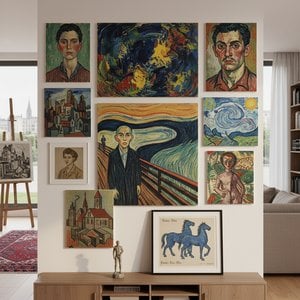
Ekspressionismi 10 Meisterteost: Kunst, Tunne ja Sisustus
Sukeldu ekspressionismi maailma! Avasta 10 kuulsat meistriteost – Munch, Kirchner jt. – ja nende värviküllased lood. Ideed sisustamiseks & kunstireprodutsioonid ArtsDot.com-ist. Uuri täispikka kollektsiooni veebis!