

 Eelvaade
 Saada
Saada Jaga
Jaga
 Teave teose kohta
 Juhend

 Laadi alla
 Sarnased teosed
 Röntgenuuring
 Slaidietendus
 KÜSIMUSED JA VASTUSID
 Statistika
Intermission (small)

 Loe lähemalt
Sellel lehel kuvatav kunstiteos on kaitstud autoriõigusega, mis tähendab, et meil ei ole seaduslikku õigust luua või müüa identset reproduktsiooni. Seda kaitset rakendatakse rahvusvaheliste kokkulepete alusel, nagu näiteks Berne konventsioon ning riiklike seadustega, sealhulgas nendega, mida on sätestatud USA autoriõiguse seadus – 17. peatükk.
See meetod järgib täielikult autoriõiguse reegleid, kuna see ei põhine kaitstud kunstiteose kopeerimisel või dupliteerimisel. Selle asemel on tegu loova reinterpreetatsiooniga – uue maaldisega, mis on algteosest inspireeritud, kuid ei ole sellest identiline.
Giclée / Kunstiprint
Muuseumikvaliteediga giclée- või kangasprint kiire tootmisega ja paindlikud viimistlusvõimalused. ( Osta käsitsi maalatud teos Lülita digitaalse pildi juurde)




P118B €10

P118H €10

P118W €10

P438Z €10

P508JH €12

P508YH €12

P805H €10

P805Z €10

P919BZ €10

P919G €10

P919XJ €10

P959ZH €10

P968JZ €12

W106C €8

W218G €10

W218JH €8

W218Y €10

W307PJ €10

W316G €10

W316PJ €8

W316Y €10

W398PJ €8

W4111J €10

W500HY €15

W500JH €15

W692G €12

W849H €8

W940BG €15

W953PJ €8




Vali meie eelmääratud suurused, mis vastavad teose algupärastele proportsioonidele.

Sisestage vajalik laius ja kõrgus, et see sobiks teie raamile või seinale. Trükki saab ainult lõigata, seda ei saa kunagi pildist suuremaks teha, seega ka erineva mustega suurus kaotab osa pildist. Enne trükkimist saadame teile kinnitamiseks digitaalse näidisprojektsiooni. Sellel lehel näidatud pilt ei kujuta reaalset lõiget — seda näitab ainult näidisprojektsioon.
Ülemaailmne tarne () 2 nädala jooksul, tavalise 4/5 nädala asemel. (11 november)

Tasuta ekspresssaatmine üle maailma

Kõrgekvaliteediline lina-kangas

Täielik transpordikindlustus

Tollimaksude tagastamise garantii

Värvitoime täpsuse garantii

100 päeva tagastusõigus (ainult valmistusdefektide korral)

100% raha tagasi garantii

Hulgusoodustus
 Klaasivalik on saadaval ainult kuni 110 cm suuruses teostes

Intermission (small)
Giclée / Kunstiprint
Reproduktsiooni suurus
-


Koguhind
€ 56
Edward Hopper’s Solitary Stage: Unpacking “Intermission”
Edward Hopper's "Intermission" (1963) isn’t merely a painting; it’s a distilled moment of American solitude, a poignant tableau captured with the artist’s signature mastery of light and shadow. Completed in the twilight years of his career, this work represents a culmination of Hopper’s lifelong fascination with theater and urban life—a subject that consistently explored themes of isolation, detachment, and the quiet dramas unfolding within everyday spaces. The painting depicts a woman seated alone in an empty theater, bathed in the cool, diffused light of the house lights, suggesting a pause between acts, a moment of reflection before returning to the performance. It’s a scene both familiar and profoundly unsettling, instantly transporting the viewer into Hopper's carefully constructed world of understated emotion. The deliberate simplicity of the composition—the woman, the seats, the darkened stage—amplifies the sense of loneliness, creating an atmosphere that lingers long after the eye has moved on.A Masterclass in Realist Light and Composition
Hopper’s technical skill is immediately apparent in "Intermission." He employs a restrained palette – primarily blues, greens, and browns – to create a mood of quiet melancholy. The use of light is particularly striking; it doesn't illuminate the scene with warmth or vibrancy but rather casts long shadows, emphasizing the emptiness and highlighting the woman’s isolation. Notice how Hopper uses directional lighting to sculpt the space, drawing attention to the architectural details of the theater while simultaneously obscuring any sense of depth or perspective. The composition itself is carefully balanced—the woman occupies a central position, yet she feels utterly detached from her surroundings. The diagonal lines created by the rows of seats and the stage wall subtly guide the viewer’s eye through the scene, reinforcing the feeling of being an observer rather than a participant. The painting's dimensions – 40 x 60 inches – contribute to its impact, allowing Hopper to render intricate details with precision while maintaining a sense of scale that anchors the subject within a recognizable space.Symbolism and the American Psyche
“Intermission” resonates deeply because it taps into a fundamental aspect of the American experience: the feeling of being alone in a crowd. The theater, traditionally a place of communal engagement, becomes here a stage for individual contemplation. Hopper’s choice to depict a woman—a figure often associated with domesticity and social roles—in this solitary state is particularly significant. It speaks to the changing role of women in American society during his time, as well as the broader anxieties about identity and belonging that characterized the mid-20th century. The closed curtain and darkened exit door further reinforce the sense of being trapped or suspended in a moment of uncertainty. Some art historians interpret this image as reflecting Hopper’s own feelings of alienation and detachment, while others see it as a more generalized representation of the human condition—a recognition that even within moments of shared experience, individuals can remain profoundly isolated.The Legacy of Hopper's Theater Series
“Intermission” is part of a larger series of paintings by Hopper focused on theaters and cinemas, reflecting his lifelong passion for these spaces. These works aren’t simply depictions of theatrical settings; they are explorations of the human psyche—portraying individuals grappling with loneliness, boredom, and the unspoken dramas of everyday life. Hopper meticulously studied theater productions, taking notes and sketching scenes, imbuing his paintings with a deep understanding of stagecraft and performance. "Intermission" stands as one of the most poignant examples of this series, capturing the essence of Hopper’s unique vision—a world where light and shadow reveal not just physical spaces but also the hidden emotions within the human heart. Its enduring appeal lies in its ability to evoke a sense of familiarity and recognition, reminding us that even in the midst of bustling urban life, moments of quiet solitude can be profoundly moving.Bringing “Intermission” Home: A High-Quality Reproduction
ArtsDot offers meticulously hand-painted reproductions of Edward Hopper’s "Intermission," allowing you to experience this iconic masterpiece in stunning detail and vibrant color. Our skilled artists replicate Hopper's masterful use of light, shadow, and composition with the utmost care, ensuring that your reproduction captures the essence of the original painting. Whether for a living room wall or a study, a ArtsDot reproduction of “Intermission” will serve as a timeless reminder of Hopper’s profound insights into the human condition—a testament to the beauty and melancholy of modern American life. Explore our collection today and bring this evocative image into your space.Korduvad küsimused
Kuhu kohta „Intermission (small)“, autor Edward Hopper reproduktsioon peaks rikutud?
Formaat (Landscape) ja soovitatav ruum (Living Room) on teose „Intermission (small)“, autor Edward Hopper kohta kirjutatud kaks paigutusandmet.
Kas teoses "Intermission (small)" on nähtav tugev kerge-tume kontrast?
Teose "Intermission (small)" valgus-varjundite kontrast on Statement. Kontrast kirjeldab, kui teravalt erinevad heeled ja tumedad alad.
Milliseid ühiseid elemente jagab teos "Intermission (small)" Edward Hopper muud loominguga?
Edward Hopper loomingus on teos "Intermission (small)", mis kuulub American Realism stiili ja kordub teemad nagu hopper’s realism, urban isolation, theater as metaphor for life, american modernism, solitude themes, late period introspective scenes, exploring human experience quietly.
Sarnased teosed


Kunstniku elulugu
Ameerika stseeni vaikus
Edward Hopper sündis Üles-Nyackis, Ühendusriikides. Tema varajased aastad pöödugi maailma vaatlemisele kindlaga silmaga, harjutus, mis sai alguse täpselt kuupäevastatud ja allakirjatud lastepõhja joonistustele. Kuigi tema vanemad soovisid talle praktilistumaan komantsiaalilist illustratööri teed, jäi tema fookus fine arts-i ehk eskunstide juurde. Ta õppis New Yorki Kunstikoolis William Merritt Chasei ja Robert Henri juures. Need aastad õpetas talle tehnilist oskust, mis on vajalik maailma puhtalt ja ausalt kirjeldamiseks. Ta ei püüdnud jäljendada Pariisis kohtatud impressionistide lühiajalisi ja hajutatud pintstõiski. Selle asemel arendas ta vaatamisviisi, mis eelistas hetke vaikuslikkust masside liikumise asemel.
Tema teosed keskenduvad sageli igapäevasusele. Ta vaatas majasid, kohvikuid, kontoreid ja hotellitubasid. Ta eemaldas ülefloodne detailid, et leida stseeni alist emotsionaalset tõde. Maalis House by the Railroad (1925) lihtne kompositsioon paljastab saladuslikkuse ja isolatsiooni tunde. Ta kasutas valgust ja varju mitte ainult ruumi kirjeldamiseks, vaid meeleolu loomiseks. Seinale langeva varju täpne kujundamine või viisi, kuidas valgus laseb akna läbi, sai tema viisiks tema tegelaste psühholoogilise seisundi edasi andmiseks.
Valgus ja linna sisekeskkond
Viis, kuidas valgus ruumi sisse sadev, on tema maalidel keskne tegelane. Maalis Nighthawks (1942) hiljaöösel asuva kohviku terav fluorestsentsvalgus läbib ükskõrgise linna täielikku pimedust. Siseisujad on füüsiliselt lähedal, kuid näivad olevat kadunud oma mõtetes, üksteisest lahti. See anonümsuse tunne rahvasest linnast sai tema teosde korduvaks teemaks. Ta püksis kinni pinge, mis tekkis avalikus kohas üksinda olemisest – tunne, mis kõlab kaja Automat ja Office in a Small City laadsetes teemetes. Ta oli huvitatud sellest, kuidas kunstlik valgus interpoleerub öö loomuliku pimedusega.
Tema naine Josephine Nivison Hopper oli tema pidev kaaslane. Ta oli kolleeg-kunstnik ja teenis tihti tema mudelina. Tema kohalolu on tunda paljude Hopperi naistekujundite iseloomustuses. Koos elasid nad vaatlikult elu, veetades sageli suveid New Englandis, mis mõjutas tema maalistatud maastikke. Tema Ameerika maastiku kirjeldused, nii maalised kui linnarohked, rõhutavad sageli teatud karjust või tühjust. Olgu see teevarras Gas (1940) juures või vaikne tuba hotellis, teema on alati füüsilise koha ja privaatse, sisemise kogemuse ristumine.
Vaatlemise pärand
Hopperi mõju ulatub filmikunsti ja kirjanduse visuaalse keelde. Tema võime luua kompositsiooni kaudu psühholoogilist pingeid on märganud paljud, kes uurinud viisi, kuidas lugusid läbi piltide jutustatakse. Tema maalid on säilitatud maailma suurimates muuseumides, kuuludes sellistesse kollektsioonidesse nagu Whitney Museum of American Art ja Museum of Fine Arts, Bostonis. Ta ei püüdnud luua suuri ajaloolisi narratiive. Ta leidis oma temaatika igapäevase elu vaiksetest nurgadest, muudades lihtsa akna või mööduva võõra inimeste seisuks uurimiseks. Tema töö on jäänud inimeste vahel oleva vaikuse uurinud.

Edward Hopper
1931 - 1967 , USA
Lühikest infot
- Artistic Movement Or Style: Ameerika realism
- Artists Or Movements Influenced By This Artist: ['Pierre Sanford Ross']
- Artists Who Influenced This Artist:
- William Merritt Chase
- Robert Henri
- Edgar Degas
- Édouard Manet
- Date Of Birth: 1931
- Date Of Death: 1967
- Full Name: Edward Hopper
- Nationality: Ameerika
- Notable Artworks:
- Nighthawks
- Gas
- House by the Railroad
- Automat
- Office in a Small City
- Summertime
- Place Of Birth: Upper Nyack, USA
Sarnased artiklid

Edward Hopperi 25 parimat teost: Valgus, vari ja ameerika hingus seinakaunistuseks | ArtsDot
Avastage Edward Hopperi 25 parimat teost! Sukelduge valgusest ja varjust täis maailma, mis peegeldab ameerika hingust. Leidke inspiratsiooni kodukaunistuseks ja kvaliteetsed kunstireproduktsioonid ArtsDot.com-ist. Vaadake kogu kollektsiooni online!

Concrete Visions: Exploring the Urban Landscape in Painting – From Realism to Contemporary Art
Explore the evolution of cityscape painting from Realism to contemporary art with ArtsDot. Discover key artists & invest in timeless urban visions. Expert guidance, museum-quality reproductions.

Romantic Realism's Finest: 10 Masterpieces for Your Home | ArtsDot
Explore 10 defining masterpieces of Romantic Realism! Discover Courbet, Millet & Daumier's powerful paintings—capturing emotion and social realities. Find museum-quality reproductions for your home at ArtsDot.com.
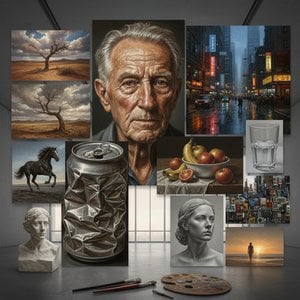
Kaasaegse realismi 10 sajandit määravat kunstiteost
Avasta 10 sajandit määravat kunstiteost! Kaasaegse realismi meistriteosed, tuntud kunstnikud ja värvilised maalid. Leia inspiratsiooni interjööriks ning kaunista oma kodu ArtsDot.com-ilt!

American Realism's Defining Works: 10 Masterpieces for Your Home
Explore 10 defining American Realism masterpieces – Hopper, Homer & more. Discover the stories behind these iconic paintings and bring timeless art to your home with ArtsDot's museum-quality reproductions. Explore the full collection online.


