

 Saada
Saada Jaga
Jaga
 Teave teose kohta
 Juhend

 Laadi alla
 Sarnased teosed
 Slaidietendus
 KÜSIMUSED JA VASTUSID
 Statistika
St George (detail)


 Loe lähemalt
Giclée / Kunstiprint
Muuseumikvaliteediga giclée- või kangasprint kiire tootmisega ja paindlikud viimistlusvõimalused. ( Osta käsitsi maalatud teos Lülita digitaalse pildi juurde)




































Vali meie eelmääratud suurused, mis vastavad teose algupärastele proportsioonidele.

Sisestage vajalik laius ja kõrgus, et see sobiks teie raamile või seinale. Trükki saab ainult lõigata, seda ei saa kunagi pildist suuremaks teha, seega ka erineva mustega suurus kaotab osa pildist. Enne trükkimist saadame teile kinnitamiseks digitaalse näidisprojektsiooni. Sellel lehel näidatud pilt ei kujuta reaalset lõiget — seda näitab ainult näidisprojektsioon.
Ülemaailmne tarne () 2 nädala jooksul, tavalise 4/5 nädala asemel. (4 november)

Tasuta ekspresssaatmine üle maailma

Kõrgekvaliteediline lina-kangas

Täielik transpordikindlustus

Tollimaksude tagastamise garantii

Värvitoime täpsuse garantii

100 päeva tagastusõigus (ainult valmistusdefektide korral)

100% raha tagasi garantii

Hulgusoodustus
 Klaasivalik on saadaval ainult kuni 110 cm suuruses teostes

St George (detail)
Giclée / Kunstiprint
Reproduktsiooni suurus
-


Koguhind
€ 56
Donatello’s St. George: A Renaissance Knight of Faith and Form
The marble figure of St. George, sculpted by Donatello around 1416, stands as more than just a depiction of a saint; it's a pivotal moment in the evolution of Renaissance sculpture – a testament to the artist’s innovative spirit and his profound understanding of human form and narrative. Originally gracing the north wall of Orsanmichele, Florence’s imposing guildhall, this statue immediately captivated viewers with its dynamic energy and strikingly realistic portrayal, marking a decisive shift away from the more stylized conventions of the preceding Gothic period.
Donatello, already establishing himself as a leading figure in Florentine art, was at the peak of his creative powers when he undertook this commission for the guild of armourers. The subject itself – St. George slaying the dragon – is a potent symbol deeply rooted in Christian iconography and medieval legend. This wasn’t merely a historical narrative; it represented the triumph of good over evil, faith over darkness, and the unwavering defense of Christendom. Donatello masterfully translated this complex symbolism into a tangible form, imbuing the statue with an almost palpable sense of urgency and heroic resolve.
A Study in Movement and Technique
What immediately distinguishes St. George is not simply its subject matter but the way Donatello renders movement within a static medium. The figure isn’t rigidly posed; instead, he appears poised for action, his right leg subtly shifted forward as if bracing himself for a decisive thrust. This subtle contrapposto – a shift in weight and balance that creates an illusion of life – is revolutionary for its time, demonstrating Donatello's mastery of anatomy and his ability to capture the dynamism of human movement. The careful attention to detail—the glint of armor, the determined expression on the face, the powerful musculature beneath the fabric—all contribute to this remarkable sense of realism.
Donatello’s technique is equally noteworthy. He employed a technique known as “stiacciato,” or low relief, which allowed him to create a remarkably shallow surface. This wasn't simply a stylistic choice; it was a deliberate strategy for conveying depth and atmosphere. The background landscape—a distant cave, a colonnade, and a grove of trees—is rendered with astonishing subtlety, using the stiacciato technique to suggest perspective and distance. The figures themselves are sculpted in higher relief, drawing the viewer’s eye to the central drama of the scene – St. George confronting his formidable foe.
Symbolism and Context
Beyond its immediate visual impact, St. George embodies a complex web of symbolic meanings. As the patron saint of England, he represented courage, chivalry, and military virtue—qualities highly valued by the Florentine armourers who commissioned the statue. The dragon itself symbolizes evil, temptation, and all that opposes Christian faith. The inclusion of the princess rescued from the dragon further reinforces this narrative of salvation and redemption.
Furthermore, St. George’s placement within Orsanmichele—a building dedicated to the guilds—highlights the statue's significance as a symbol of civic pride and religious devotion. The guild of armourers sought to honor their patron saint, not only through artistic representation but also by associating themselves with his virtues and ideals. The statue served as a constant reminder of their commitment to both craftsmanship and faith.
A Legacy in Marble
Donatello’s St. George is more than just a beautiful sculpture; it's a landmark achievement in the history of Renaissance art. It demonstrated a new approach to sculpting, one that prioritized realism, dynamism, and expressive emotion. The statue’s influence can be seen in countless subsequent works of art, solidifying Donatello’s place as one of the most important sculptors of his era. Today, a faithful replica stands proudly at the Bargello Museum in Florence, allowing viewers to appreciate the enduring power and beauty of this remarkable masterpiece.
Korduvad küsimused
Millist meeleheust väljendab teos „St George (detail)“, autor Donatello suunatud stiilis Early Renaissance?
Teose "St George (detail)" Reflective tunne on ühtne selle Early Renaissance stiiliga.
Kes lõi teose "St George (detail)" ja millises stiilis see on?
Teose "St George (detail)" taga on kunstnik Donatello ja Early Renaissance suundumus.
Millest teos "St George (detail)" on valmistatud ja millises stiilis?
Teos "St George (detail)" on valmistatud tehnikas Marble ja kuulub Early Renaissance stiili.
Sarnased teosed


Kunstniku elulugu
varaj varaj ja karjäär
Donato di Niccolò di Betto Bardi, tuntud maailmas kui Donatello, sündis umbes aastal 1386 Italias, Florentis. Tema õpingud klassikalises skulptuuris avaldas sügavat mõju tema varajase renessansstiili arengule, luues uue suuna kunstile ja kultuurile, mis sai hiljem kogu florentlase renessanssi üks peamisi sümboleid.olulised teosed ja uuendused
Donatello kõige kuulsam teos, David, oli pärast antiigi aegu esimene iseseisva, alast meises skulptuur. Medici perekonna tellimusena ilmus see teos, demonstreerides tema innovatiivset stiili ja tehnilist meistriklassi. Teisi märkimisväärseid teoseid on:- Püha Louis Toulouse'ist (praegu Santa Crocen basilica muuseumis), mis sisaldas Donatello enda poolt loodud klassikalist raami.
- Isaaki ohverdamine, mis loodi Florentis Santa Maria del Fiore campanile jaoks, iseloomustades tugevaid portreemaisia detaile.
- Ristiloom (1425) Santa Crocelle, mis kujutas Kristust vaevatud hetkel.
kunstiline stiil ja pärand
Donatello stiili võib jagada laadeks, alates ekspressiivsuse ja klassikalise monumentaalsuse arendamisest. Kuigi tema tööde eest ei võetud kogukond kohe vastu, sai ta lõpuks üks populaarsemaid kunstnereid, mõjutades nii teisi itaalseid õukondi kui ka kogu Euroopa kunstnikke. peamised kunstiliikumid:isiklik elu ja tööstiil
Donatello oli tuntud oma sõbralikkuse ja meeldivuse poolest, kuid tema karjääri äriosa oli keeruline. Ta tenditesid võtma vastu rohkem tellimusi, kui suutsid teostada, lõpetades töud sageli hiljaks või delegeerides need teistele skulptureйдеle. olulised teosed ja kunstnikud:- Leonardo da Vinci: Annunciation (detail)
- Amico Aspertini: Pan statue/leone che azzanna un cavallo
- Michelangelo Buonarroti: Tondo Pitt
muuseumid ja kunstikolektsioonid:
- Museo della Collegiata (Empoli, Itaalia): renessanssi peidetud pärl, mis esitleb Francesco Botticini ja Raffaello Botticini teoseid.
- Varajase itaalse renessanssi kunstiliikumine

Donatello
1386 - 1466 , Italia
Lühikest infot
- Artistic Movement Or Style: Vararenessanss
- Artists Or Movements Influenced By This Artist:
- Itaalia renessanss
- Vararenessanss
- फ्लोरेंटine renessanss
- Artists Who Influenced This Artist: ['Klassiline skulptuur']
- Date Of Birth: u 1386
- Date Of Death: 1466
- Full Name: Donatello di Niccolò
- Nationality: Itaalia
- Notable Artworks:
- David
- Saint Louis of Toulouse
- Iisaaki ohverdamine
- Ristiloomine
- Place Of Birth: Firenze, Itaalia
Sarnased artiklid

Bronze Sculptures That Defined Art History | ArtsDot
Journey through art history with our Top 10 bronze sculptures! Explore masterpieces by Rodin, Michelangelo & more. Discover stories behind iconic statues and find museum-quality reproductions for your home decor at ArtsDot.com.

The Enduring Form: Exploring Themes & Techniques in Sculpture Across Historical Periods
Explore the rich history of sculpture from ancient masterpieces to contemporary innovations. Discover key techniques, influential artists & investment potential for discerning art collectors.
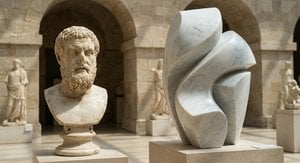
The Enduring Allure of Marble in Art History: From Classical Sculpture to Modern Abstraction
Explore the captivating history of marble sculpture from ancient Greece to modern art. Discover renowned artists like Canova & Michelangelo, carving techniques, and investment insights at ArtsDot.

Georges Braque: 25 meistriteost, mis muutsid kunsti – ArtsDot.com
Avastage Georges Braque 25 ikoonilist teost! Sukeldu kubismi maailma, modernse kunsti geomeetrilistesse vormidesse ja värvikates maalidess. Leia inspiratsiooni interjööri kujunduseks ArtsDot.com-is. Kunstikollektsioonid ja kvaliteetsed reproduktsioonid.

Georges Seurat: 25 meistriteost valgusest ja värvist | ArtsDot
Avastage Georges Seurat' 25 ikoonilist teost! Sukeldume pointillismi, valgusest ja värvist täis maailma. Leidke inspiratsiooni interjööri kujundamiseks ArtsDot.com-is – kvaliteetsed reproduktsioonid ja kunstikollektsioonid ootavad!