


 Vaata sisu
 Jaga teost
 Jaga
Jaga
 Detailid
 Õppekate juhend

 Laadi alla
 Sarnased teosed
 Röntgenuuring
 Slaidietendus
 Statistika
Cantoria (detail)


 Loe lähemalt
Käsitsi valmistatud õlimaalireproduktsioon
Meie kunstnike poolt tellimusel valmistatud käsitsi maalitud õli-kainaste teos teie soovitud suuruses ja raamis. ( Lülita trükkitoodetele Ülemineku digitaalse pildi müügi kanalisse)




P118B $10

P118H $10

P118W $10

P438Z $10

P508JH $12

P508YH $12

P805H $10

P805Z $10

P919BZ $10

P919G $10

P919XJ $10

P959ZH $10

P968JZ $12

W106C $8

W218G $10

W218JH $8

W218Y $10

W307PJ $10

W316G $10

W316PJ $8

W316Y $10

W398PJ $8

W4111J $10

W500HY $15

W500JH $15

W692G $12

W849H $8

W940BG $15

W953PJ $8




Vali meie eelmääratud suurused, mis vastavad teose algupärastele proportsioonidele.

Sa võite sisestada oma mõõtmed konkreetse raami või ruumi sobivuse tagamiseks. Kui teie valitud suurus ei vasta originaalpildi proportsioonidele, siis kärvime kunstiteost või laiendame maali täiendavate käsitsi maalitud elementidega. Enne tootmise algust saadetakse teile heakskiitmiseks digitaalne eelvaade.
Palun pidage meeles, et ekraanil kuvatav eelvaade ei kajasta tegelikku kärpimist või laiendamist. Ainult eelvaade näitab täpselt lõplikku kompositsiooni.
Kuigi on saadaval kohandatud suurused, soovitame originaalproportsioonide säilimiseks valida mõõdud eelmääratletud nimekirjast.
Pärast tellimust saadab ArtsDot.com meeskond kliendile e-posti juhised ning esitab eelvaate kavandi
Maailmline tarne 3–4 nädala jooksul tavalise 5 nädala asemel. (26 september). Kvaliteedis kompromisse ei tehta.

Tasuta ekspresssaatmine üle maailma

Kõrgekvaliteediline lina-kangastest muld

Täielik transpordikindlustus

Tollimaksude tagastamise garantii

Värvitoime täpsuse garantii

100 päeva tagastusõigus (ainult defektide korral)

100% raha tagasi garantii

Hulgusoodustus
 Klaasivalik on saadaval ainult kuni 110 cm suuruses teostes

Cantoria (detail)
Reproduktsiooni materjal
Reproduktsiooni mõõtmed
-


Lõppsumma
$ 263
The Echoes of Florence: Donatello’s Cantoria – A Symphony in Marble
Donatello's Cantoria, a breathtaking marble relief sculpture from the Duomo di Firenze (Florence Cathedral), isn’t merely a decorative element; it’s a vibrant snapshot of Renaissance ambition and artistic innovation. Completed in 1439, this intricate frieze, originally intended to adorn the south sacristy doors, captures a moment of exuberant celebration – a gathering of angelic figures engaged in song, dance, and playful interaction. More than just a depiction of religious subjects, it’s a testament to Donatello's mastery of capturing movement, emotion, and classical influence within the constraints of carved stone.
The sculpture’s genesis lies in the burgeoning humanist spirit of Florence during the early 15th century. Commissioned as part of a larger architectural project – the cathedral’s façade – it reflects a shift away from purely symbolic representations towards a more naturalistic and dynamic portrayal of human figures. Donatello, deeply influenced by his travels to Rome, brought back a renewed appreciation for classical sculpture, evident in the graceful poses, balanced compositions, and idealized forms within the Cantoria. The scene unfolds with an almost theatrical quality, as if capturing a fleeting moment from a divine concert or festival.
A Dance of Angels: Technique and Composition
Donatello’s skill is immediately apparent in his meticulous rendering of each figure. The relief itself is carved with astonishing precision, showcasing the artist's ability to create depth and volume through subtle variations in shading and texture. Notice how he masterfully uses light and shadow to define the contours of the figures, lending them a tangible presence. The composition is carefully balanced, drawing the eye across the frieze and inviting contemplation. The central figure, a youthful angel holding what appears to be a scroll or book – perhaps representing divine instruction or musical notation – commands attention with his dynamic pose and expressive face.
Beyond the individual figures, Donatello employed innovative techniques to achieve this sense of movement. The angels aren’t static; they are caught in mid-gesture, their limbs extended in graceful arcs, their faces alight with joy and animation. The use of *putti* – small, cherubic figures – adds a playful element to the scene, further enhancing the feeling of celebration. These youthful figures, dancing and playing instruments, represent innocence and divine delight.
Symbolism and Historical Context
The Cantoria’s name itself offers clues to its purpose. “Cantoria” derives from the Latin word for “singing,” reflecting the sculpture's intended function as a backdrop for liturgical music within the cathedral. It was designed to be heard alongside the hymns and chants performed during religious services, creating an immersive auditory and visual experience for worshippers.
Interestingly, the Cantoria’s history is marked by fragmentation and reconstruction. Originally conceived as part of a larger architectural ensemble, it was dismantled in the 18th century and its fragments scattered across Florence. It wasn't until the late 19th century that Luigi del Moro undertook the painstaking task of reconstructing the sculpture, piecing together the lost elements and restoring the frieze to its former glory. This process highlights the enduring legacy of Donatello’s work and the importance of preserving artistic heritage.
A Timeless Masterpiece: Emotional Resonance
Despite its age, the Cantoria retains a remarkable emotional resonance. The figures radiate an infectious joy and exuberance, inviting viewers to share in their celebration. Donatello’s ability to capture the essence of human emotion through stone is truly extraordinary. It's not simply a depiction of angels; it’s a portrayal of pure delight, a reminder of the beauty and wonder that can be found within the divine realm.
Today, reproductions of Donatello’s Cantoria continue to captivate audiences worldwide, offering a glimpse into the artistic genius of one of Florence's greatest masters. Its intricate details, dynamic composition, and profound symbolism make it a timeless masterpiece – a testament to the enduring power of art to inspire, uplift, and transport us to another time and place.
Sarnased teosed


Kunstniku elulugu
varaj varaj ja karjäär
Donato di Niccolò di Betto Bardi, tuntud maailmas kui Donatello, sündis umbes aastal 1386 Italias, Florentis. Tema õpingud klassikalises skulptuuris avaldas sügavat mõju tema varajase renessansstiili arengule, luues uue suuna kunstile ja kultuurile, mis sai hiljem kogu florentlase renessanssi üks peamisi sümboleid.olulised teosed ja uuendused
Donatello kõige kuulsam teos, David, oli pärast antiigi aegu esimene iseseisva, alast meises skulptuur. Medici perekonna tellimusena ilmus see teos, demonstreerides tema innovatiivset stiili ja tehnilist meistriklassi. Teisi märkimisväärseid teoseid on:- Püha Louis Toulouse'ist (praegu Santa Crocen basilica muuseumis), mis sisaldas Donatello enda poolt loodud klassikalist raami.
- Isaaki ohverdamine, mis loodi Florentis Santa Maria del Fiore campanile jaoks, iseloomustades tugevaid portreemaisia detaile.
- Ristiloom (1425) Santa Crocelle, mis kujutas Kristust vaevatud hetkel.
kunstiline stiil ja pärand
Donatello stiili võib jagada laadeks, alates ekspressiivsuse ja klassikalise monumentaalsuse arendamisest. Kuigi tema tööde eest ei võetud kogukond kohe vastu, sai ta lõpuks üks populaarsemaid kunstnereid, mõjutades nii teisi itaalseid õukondi kui ka kogu Euroopa kunstnikke. peamised kunstiliikumid:isiklik elu ja tööstiil
Donatello oli tuntud oma sõbralikkuse ja meeldivuse poolest, kuid tema karjääri äriosa oli keeruline. Ta tenditesid võtma vastu rohkem tellimusi, kui suutsid teostada, lõpetades töud sageli hiljaks või delegeerides need teistele skulptureйдеle. olulised teosed ja kunstnikud:- Leonardo da Vinci: Annunciation (detail)
- Amico Aspertini: Pan statue/leone che azzanna un cavallo
- Michelangelo Buonarroti: Tondo Pitt
muuseumid ja kunstikolektsioonid:
- Museo della Collegiata (Empoli, Itaalia): renessanssi peidetud pärl, mis esitleb Francesco Botticini ja Raffaello Botticini teoseid.
- Varajase itaalse renessanssi kunstiliikumine

Donatello
1386 - 1466 , Italia
Lühikest infot
- Artistic Movement Or Style: Vararenessanss
- Artists Or Movements Influenced By This Artist:
- Itaalia renessanss
- Vararenessanss
- फ्लोरेंटine renessanss
- Artists Who Influenced This Artist: ['Klassiline skulptuur']
- Date Of Birth: u 1386
- Date Of Death: 1466
- Full Name: Donatello di Niccolò
- Nationality: Itaalia
- Notable Artworks:
- David
- Saint Louis of Toulouse
- Iisaaki ohverdamine
- Ristiloomine
- Place Of Birth: Firenze, Itaalia
Sarnased artiklid

Bronze Age to Modern Masters: 10 Sculptures That Redefined Art | ArtsDot
Journey through art history with 10 legendary bronze sculptures – from Michelangelo's David to Rodin’s Thinker. Explore the stories, techniques & timeless beauty of these masterpieces. Find museum-quality reproductions & elevate your home decor on ArtsDot.com.

Bronze Sculptures That Defined Art History | ArtsDot
Journey through art history with our Top 10 bronze sculptures! Explore masterpieces by Rodin, Michelangelo & more. Discover stories behind iconic statues and find museum-quality reproductions for your home decor at ArtsDot.com.

The Enduring Form: Exploring Themes & Techniques in Sculpture Across Historical Periods
Explore the rich history of sculpture from ancient masterpieces to contemporary innovations. Discover key techniques, influential artists & investment potential for discerning art collectors.
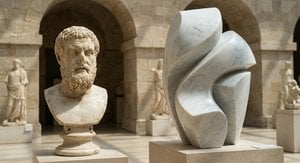
The Enduring Allure of Marble in Art History: From Classical Sculpture to Modern Abstraction
Explore the captivating history of marble sculpture from ancient Greece to modern art. Discover renowned artists like Canova & Michelangelo, carving techniques, and investment insights at ArtsDot.

The Enduring Form: Sculpture Across History, Technique & Emotional Resonance
Explore the rich history of sculpture with ArtsDot. Discover key techniques, influential artists & investment potential for discerning collectors. Expert insights into valuing and collecting timeless masterpieces.