


 Jaga teost
 Jaga
Jaga
 Detailid
 Õppekate juhend

 Laadi alla
 Sarnased teosed
 Slaidietendus
 Statistika
Gilded Table


 Loe lähemalt
Käsitsi valmistatud õlimaalireproduktsioon
Meie kunstnike poolt tellimusel valmistatud käsitsi maalitud õli-kainaste teos teie soovitud suuruses ja raamis. ( Lülita trükkitoodetele Ülemineku digitaalse pildi müügi kanalisse)




































Vali meie eelmääratud suurused, mis vastavad teose algupärastele proportsioonidele.

Type the width and the height you need, to fit your frame or your wall. This is hand-painted, so for a size with a different shape the artist can paint a bit more around the picture, or cut a bit — you choose. We send you a digital mockup to approve before the painting starts. The picture shown on this page does not show the real result — only the mockup does.
Pärast tellimust saadab ArtsDot.com meeskond kliendile e-posti juhised ning esitab eelvaate kavandi
Maailmline tarne 3–4 nädala jooksul tavalise 5 nädala asemel. (14 oktoober). Kvaliteedis kompromisse ei tehta.

Tasuta ekspresssaatmine üle maailma

Kõrgekvaliteediline lina-kangastest muld

Täielik transpordikindlustus

Tollimaksude tagastamise garantii

Värvitoime täpsuse garantii

100 päeva tagastusõigus (ainult defektide korral)

100% raha tagasi garantii

Hulgusoodustus
 Klaasivalik on saadaval ainult kuni 110 cm suuruses teostes

Gilded Table
Reproduktsiooni materjal
Reproduktsiooni mõõtmed
-


Lõppsumma
€ 228
A Masterpiece of Gilded Splendor
In the realm of decorative arts, few objects command the room with as much regal authority as the Gilded Table, a breathtaking relic of the early eighteenth century. This extraordinary piece is not merely furniture; it is a sculptural triumph that embodies the height of the late Baroque and Rococo transition. Every inch of its surface tells a story of opulence, where the meticulous hand-carving of wood meets the radiant glow of gold leaf to create a spectacle of light and shadow. The table serves as a profound testament to an era when craftsmanship was used to manifest power, prestige, and an unyielding passion for beauty.
The composition is a symphony of movement, characterized by flowing, curvilinear lines that dance across its structure. Intricate volutes, delicate flower garlands, and the graceful forms of caryatids support the weight of the design with effortless elegance. Within this golden landscape, one might find the playful presence of putti—cherubic figures often depicted amidst clusters of grapes—which serve as timeless symbols of abundance, fertility, and prosperity. The interplay between the polished sheen of the gilding and the deep, velvety shadows cast by the relief carvings creates a three-dimensional drama that captivates the eye from every angle.
The Legacy of Daniël Marot
To understand the soul of this table, one must look to the visionary hand of Daniël Marot. A master architect and designer born in Paris, Marot was instrumental in transporting the sophisticated, classicizing Louis XIV style from the French court to the Dutch Republic and England. His influence shaped the very fabric of European nobility's taste, blending French grandeur with a refined, international elegance. This specific piece carries the historical imprint of Oranienstein Castle in Germany, where Marot was commissioned by Henriëtte Amalia van Anhalt-Dessau to execute a grand redecoration.
The table serves as a personal monument to its patron; nestled within the center of the tabletop, one can discover the subtle yet profound monogram of Henriëtte Amalia—two intertwined 'A's. This detail transforms the object from a mere decorative item into a historical document, anchoring it to a specific moment of courtly life in 1709. For the discerning collector or interior designer, owning a reproduction of such a piece is an opportunity to invite this storied lineage into a modern space, bridging the gap between the grandeur of the eighteenth-century aristocracy and contemporary luxury.
An Inspiration for Grand Interiors
For those seeking to curate an environment of unparalleled sophistication, the Gilded Table offers endless inspiration. Its rich palette of pale yellows, deep bronzes, and warm golds provides a luminous focal point that can anchor a room, whether placed in a formal dining hall or as a statement piece in a curated gallery setting. The sheer complexity of its texture—the tactile quality of the sculpted wood beneath the smooth gold leaf—demands attention and rewards close inspection.
Integrating a high-quality reproduction of this masterpiece allows for the infusion of historical weight and artistic depth into any interior design scheme. It evokes an emotional response of awe and reverence, reminding us of a time when art was inseparable from life. Whether you are an art historian captivated by its technical execution or a designer looking to add a layer of timeless prestige to a project, this gilded treasure stands as an eternal icon of the decorative arts.
Küsimused ja vastused
Kes lõi teose "Gilded Table" ja millal?
Daniël Marot loomis teose "Gilded Table" aastal 1709.
Kust saan leida sarnaseid teoseid kui „Gilded Table“, autor Daniël Marot?
Teosest „Gilded Table“, autor Daniël Marot leidetavad sarnased teosed lehelt Sarnased teosed.
Milleks on soovitatav kasutada "Gilded Table" trükistes?
Teose „Gilded Table“, autor Daniël Marot reproduktsiooni kasutamist on soovitatav Luxury jaoks. See soovituse on tulenev teose motiivist, meelelojast ja värvigabast.
Sarnased teosed


Kunstniku elulugu
early life and training
daniël marot, a french-born dutch architect, furniture designer, and engraver, was born in paris in 1661. he was a pupil of jean le pautre and the son of jean marot, who was also an architect and engraver. this lineage played a significant role in shaping daniël's future as a master of the classicizing late baroque louis xiv style.career highlights
daniël marot worked for a long time in england and the dutch republic, where he was naturalized in 1709. his work brought the fully developed court style of louis xiv to holland and later to london, influencing what is loosely called the 'william and mary' style. * **employment by the stadthouder**: marot was employed by the stadthouder, who later became william iii of england. he designed interiors in the palace of het loo, from 1684 on. * **designing the great hall of audience**: despite not having an entry in howard colvin's dictionary of british architects, marot designed the great hall of audience for the states-general at the hague. * **decorating dutch country-houses**: he decorated many dutch country-houses, introducing the 'salon' and popularizing ornamented ceilings in the united provinces/netherlands.notable works and legacy
* hampton court palace: marot's activities in england were concentrated at hampton court palace, where he designed the garden parterres. although these were swept away in the following generation, they have been restored at the end of the 20th century. * **furniture designs**: much of the furniture in the new state rooms at hampton court bears unmistakable traces of his authorship.later life and death
after william's death, marot returned to holland, where he lived at noordeinde 164 in the hague from 1720 until his death in 1752. a folio volume of his furniture designs published at amsterdam in 1712 showcases strong french and dutch influences.- view daniël marot's works on ArtsDot: https://ArtsDot.com/@/daniel-marot
- explore the museum peterhof (st. petersburg, russia) and its architectural ensemble: https://ArtsDot.com/@@/a@d3agem-the-museum-peterhof-(st-petersburg-russia)
- discover the wonders of musée maurice denis (france) with ArtsDot: https://ArtsDot.com/@@/9avcev-ArtsDot-in-your-pocket
- learn more about the huguenot diaspora on wikipedia: https://en.wikipedia.org/wiki/list_of_huguenots

Daniël Marot
1661 - 1752 , France
Lühikest infot
- Full Name: Cornelius Janssens van Ceulen
- Nationality: Anglo-Dutch
- Date Of Birth: 1661
- Date Of Death: 1752
- Place Of Birth: Paris, France
- Notable Artworks:
- Portrait of Susanna Temple
- Lady Lister Portrait
- Artistic Movement Or Style: Early Stuart, Baroque
- Artists Who Influenced This Artist: ['Dutch and Flemish artists']
- Artists Or Movements Influenced By This Artist: ['English portraiture']
Sarnased artiklid

RoKokoo: 10 Meisterteost, Mis Määritsesid Kunstisuundi | ArtsDot
Sukeldu RoKokoo maailma! Avasta 10 meistriteost, mis defineerisid kunstisuunda – prantsuse kunstnikud, kuldsed toonid ja luksuslik interjöör. Tutvu lugudega legendaarsete teoste taga & leia inspiratsiooni ArtsDot.com-ilt!
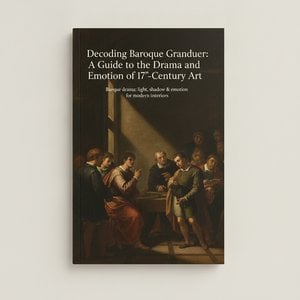
Decoding Baroque Grandeur: A Guide to the Drama and Emotion of 17th-Century Art
Explore the breathtaking drama of 17th-century Baroque art. Our expert guide decodes the use of chiaroscuro, emotional intensity, and historical grandeur to help you appreciate and curate timeless masterpieces for your collection.

Baroki draama ja luksus: Kuidas ajalooline elegants kaasaegsesse interjööri tuua
Avastage baroki maalide võlu ArtsDot'is! Käsitsi valmistatud reproduktsioonid, fotodest maalid ja ekspertkonsultatsioonid. Toome ajaloolise elegantsi Teie interjööri. Kvaliteet garanteeritud!

From Grandeur to Grace: Exploring the Evolution of Baroque & Rococo Art
Explore the captivating evolution from Baroque's drama to Rococo's grace! Discover key artists, characteristics & lasting influence of these art movements with expert insights at ArtsDot.

The Rococo Aesthetic: Opulence, Rebellion & the Pursuit of Pleasure in 18th-Century Art
Explore the opulent world of Rococo art! Discover its origins, key artists like Watteau & Boucher, and lasting influence on design. Expert insights for collectors & enthusiasts.