

 Eelvaade
 Saada
Saada Jaga
Jaga
 Teave teose kohta
 Juhend

 Laadi alla
 Sarnased teosed
 Röntgenuuring
 Slaidietendus
 Q&A
Q&A Statistika
the road to chailly


 Loe lähemalt
Giclée / Kunstiprint
Muuseumikvaliteediga giclée- või kangasprint kiire tootmisega ja paindlikud viimistlusvõimalused. ( Osta käsitsi maalatud teos Lülita digitaalse pildi juurde)




P118B €10

P118H €10

P118W €10

P438Z €10

P508JH €12

P508YH €12

P805H €10

P805Z €10

P919BZ €10

P919G €10

P919XJ €10

P959ZH €10

P968JZ €12

W106C €8

W218G €10

W218JH €8

W218Y €10

W307PJ €10

W316G €10

W316PJ €8

W316Y €10

W398PJ €8

W4111J €10

W500HY €15

W500JH €15

W692G €12

W849H €8

W940BG €15

W953PJ €8




Vali meie eelmääratud suurused, mis vastavad teose algupärastele proportsioonidele.

Sisestage vajalik laius ja kõrgus, et see sobiks teie raamile või seinale. Trükki saab ainult lõigata, seda ei saa kunagi pildist suuremaks teha, seega ka erineva mustega suurus kaotab osa pildist. Enne trükkimist saadame teile kinnitamiseks digitaalse näidisprojektsiooni. Sellel lehel näidatud pilt ei kujuta reaalset lõiget — seda näitab ainult näidisprojektsioon.
Ülemaailmne tarne () 2 nädala jooksul, tavalise 4/5 nädala asemel. (2 november)

Tasuta ekspresssaatmine üle maailma

Kõrgekvaliteediline lina-kangas

Täielik transpordikindlustus

Tollimaksude tagastamise garantii

Värvitoime täpsuse garantii

100 päeva tagastusõigus (ainult valmistusdefektide korral)

100% raha tagasi garantii

Hulgusoodustus
 Klaasivalik on saadaval ainult kuni 110 cm suuruses teostes

the road to chailly
Giclée / Kunstiprint
Reproduktsiooni suurus
-


Koguhind
€ 55
A Journey Through Autumnal Light: Claude Monet’s “The Road to Chailly”
Claude Monet's "The Road to Chailly," a captivating impressionistic landscape, isn’t merely a depiction of a forest path; it’s an invitation into the very heart of light and atmosphere. Painted in 1876, during his pivotal years exploring *plein air* painting, this work embodies the core tenets of Impressionism – a radical shift away from academic realism towards capturing the subjective experience of seeing. The scene unfolds with a quiet intensity: a long, winding path, barely discernible amidst a dense tapestry of autumnal trees, draws the viewer into a world steeped in golden light and subtle color variations. It’s a moment suspended in time, a fleeting impression rather than a meticulously rendered portrait.
The Language of Light and Color
Monet's genius lies not in precise detail but in his masterful manipulation of light and color. The painting is dominated by a warm, diffused glow, suggesting either the late afternoon or early morning – a time when the sun’s rays filter through the trees, creating an ethereal quality. Notice how he employs broken brushstrokes, layering hues of muted brown, deep green, and ochre to build up the texture of the foliage. These aren't solid blocks of color; instead, they are shimmering patches that seem to shift and change with every glance. The path itself is rendered in darker tones, providing a grounding element against the vibrant backdrop, yet even here, Monet uses subtle variations in value and hue to create depth and movement. The artist deliberately avoids sharp outlines, allowing the forms of the trees to bleed into one another, contributing to the overall sense of atmospheric perspective.
A Historical Echo: Impressionism’s Rebellion
“The Road to Chailly” emerged during a period of profound artistic upheaval. The rigid conventions of academic painting – characterized by smooth surfaces, precise detail, and historical or mythological subjects – were being challenged by a new generation of artists eager to capture the immediacy of modern life. Monet, along with Renoir, Pissarro, and others, rejected these traditions in favor of *plein air* painting, focusing on capturing fleeting moments and subjective impressions. This shift was fueled by advancements in paint technology—particularly the introduction of pre-mixed paints that could be used outdoors—allowing artists to work directly from nature without the constraints of a studio. Monet’s choice of a simple landscape scene – a common subject for Impressionists – underscores this rebellion, demonstrating their commitment to portraying the world as they *saw* it, rather than how it was traditionally represented.
Symbolism and Emotional Resonance
Beyond its purely visual qualities, “The Road to Chailly” carries a subtle symbolic weight. The winding path can be interpreted as a metaphor for life’s journey – a meandering route through an uncertain future. The dense forest represents the complexities of experience, while the dappled light suggests hope and possibility. Monet's deliberate use of muted colors evokes a sense of tranquility and contemplation, inviting the viewer to slow down and appreciate the beauty of the natural world. There’s a feeling of solitude within the scene, yet it isn’t lonely; rather, it’s imbued with a quiet serenity—a reminder of the restorative power of nature.
Collecting an Impression: A Reproduction for Your Space
Reproductions of “The Road to Chailly” offer a remarkable opportunity to bring Monet's evocative vision into your home. When selecting a reproduction, consider the quality of materials and printing techniques – a fine art giclée print on archival paper will best capture the nuances of color and texture. This piece would be particularly well-suited for spaces seeking a touch of rustic elegance or a connection to the natural world. Its calming palette and atmospheric depth make it an ideal addition to living rooms, studies, or bedrooms—a constant reminder of the beauty and tranquility found in simple landscapes.
Korduvad küsimused
Kas teos „the road to chailly“, autor Claude Monet kuulub avalikku omandisse?
Teos „the road to chailly“, autor Claude Monet on lubaõiguslikult avalikus õiguses – selle autoriõigud onหมดunud. See staatus reguleerib teose pildi reprodüseerimise võimalusi.
Kes müüb teose "„the road to chailly“, autor Claude Monet" käsitsi maaldatud koopiaid?
Teose „the road to chailly“, autor Claude Monet käsitsi maalatud koopiaid müüakse saidil see veebileht: käsitsi maalatud õlireproduktsioon linaelapale, neid saab tellida selle lehelt Käsitsi maalatud reproduktsioon.
Kas „the road to chailly“, autor Claude Monet on maalid, joonis või etsing?
„the road to chailly“, autor Claude Monet on klassifitseeritud kui WallArt. See kategooria kirjeldab originaalteose kunstivormi.
Sarnased teosed


Kunstniku elulugu
Valgusest Üleandev Elu: Claude Monet Maailm
Oscar-Claude Monet, nimi, mis on sünkronneeritud impressionismiga, ei olnud pelgalt maastikumaalija; ta oli hävetavate hetkede kroonik, valguse ja värvi poet. Sündinud Pariisis 14. novembril 1840, võttis tema varane elu ootamatut suunda, kui tema pere kolis viieaastaselt Normandiasse, Le Havre’i. Kuigi isa lootis algselt poja suunduvat ärikarjäärile, tõusel noore Claude loomulik kunstiline talent kiiresti üles, välendudes esialgselt kohalikult müüdavate südamlikute südametutega füüsiliste karikatuuride näol – see oli tunnistus nii tema oskustest kui ka ettevõtlusvaimust. Siiski oli just kohtumine Eugène Boudiniga otsustav hetk. Boudin ei õpetanud Monetile lihtsalt seda, *kuud* maalida; ta sisemaas talle revolutsioonilise idee maalistamast en plein air – otse loodusest – praktikat, mis määras tema kogu kunstilist teekonda.
Moneti ametlik õpe algas Pariisis, esmalt lühikese aja Académie Suisse'is ja hiljem Charles Gleyre juhendamisel. Just siin sõlmis ta püsivaid sõprussuhteid teiste kunstnikega, nagu Auguste Renoir, luues sideme, mis põhines ühistel kunstilistel muredel ja soovil vabaneda traditsioonilise akadeemilise maali piirangutest. Tema varased teosed, kuigi näitasid tehnilist oskust, puudusid sellest eristavast häälest, mis peagi tema stiili iseloomustaks. Järgnes turbulente aega – Prantsus-Prantsia sõda sundis Monetit otsima peitu Londonist, kus ta süvenes inglise maastikukunstnike, nagu J.M.W. Turner, tööde uurimisele, imeldes nende atmosfäärilisi efekte ja värvi innovaatilist kasutamist.
Esteetilise revolutsiooni sünn\",\"p
Pärast Prantsusmaale naasmist sai Monet keskseks figuuriks kasvavas kunstilises rebelluses. Erinevalt konservatiivsetest standardidest Salonis, ühendas ta jõudud teiste sarnaste vaadanetega kunstnikud, et korraldada iseseisvaid näitusi. Näitus 1974. aastal tõuus esile murdepunktina mitte ainult Monetile, vaid kogu kunstimaailmale. Just siin eksponeeriti tema teost „Impression, soleil levant“ (Mulhet, tõuslev päike) – hämarat kujutlust Le Havre’i sadamast koit\", ning sellest sündis ka halvatud termin "impressionism". Kuid nimi juurdus ja arenes auastuseks liikumisele, mis püüdis tabada stseenist subjektiivset *muljet* rather than selle täpset esitamist.
Moneti iseloomulik stiil õitsines selle perioodi jooksul: lahtised, nähtavad pintooned, vibrantne ja sageli segamatu värv, mida rakendati külmikülgedele (tehnika tuntud kui „murdetud värv“) ning vankumatu keskendumine valguse ajutuste omaduste tabamisele. Ta jälgi väsimatult oma plein air praktikat, töötades kiiresti, et ülesvõtta oma vahetud tajumised enne kui muutuva olukord stseenit muutaks. See pühendumus ei olnud pelgalt selle kirjeldamine, mida ta *nägi*, vaid pigem selle, kuidas ta seda *tundis* – radikaalne kõrvalekaldumine kunstilistest konventsioonidest.
Giverny: Valguse ja peegelduste paradies
1883. aastal asustas Monet Pariisi loodvestas Givernys, raamatupaduna lootes luua kodu ja aia, mis saaks olla nii tema varjupaik kui ka suurim inspiratsiooniallikas. Ta transformaeritud kinnistus põhjalikult elaboraatseks paradisaks, täidetud eksootiliste lillede, nutrade ja kõige kuulsama veepudiga, mida sildas Jaapani sild. See ei olnud pelgalt dekoratiivne aed; see oli elav laboratoorium, kus Monet sai kontrollitud tingimustes uurida valguse mõju veele, lehtedele ja peegeldustele.
udTema elu viimased aastakümed olid peaaegu täielikult pühendatud Givernys asuva veepudaga maaliamisele. Ta alustas monumentaalset veepudide sarja (Nymphéas), luues hiiglaslikke linate, mis kujutasid veepudingu pindast pidevalt muutuvana värvide ja valguse kanga.
Pärand: Püsiv mõju kunstiloojale
Claude Moneti mõjul kunstiloojale on mõõdamatu. Ta ei olnud pelgalt impressionismi asutaja; ta muuts fundamentaalselt viisi, kuidas kunstnikud tajusid ja esitasid enda ümber olevat maailma. Tema rõhuasetus subjektiivsele kogemusele, plein air maaliarmastus ja innovatiivsed tehnikad tegid teed kaasaegse kunsti avastustele abstraksioonide ja mitte-esitavate vormide suunas.
Monet saavutas oma elu jooksul märkimisväärset kommersialist edu – see on oma ajastu avantgardistide puhul haruldane. Tema töö inspireerib edasi hämmasti ja võlustab publikut üle maailma, kinnitades tema positsiooni ühe olulisema West-Euroopa kunsti kujutajana. Ta surmas 5. detsembril 1926, jättes järele pärandi, mis kõlab läbi põlvkonnade kunstnike ja kunstihuviliste. Tema meistriteoste olulised kogumikud on säilitatud prestiižsetes institutsioonides nagu Musée d'Orsay ja Musée Marmottan Monet Pariisis, tagades, et tema visioon jätkab maailma valgustamist.
Olulised kunstilised tehnikad
- Plein Air maaliarmastus: Tema arengu keskne element, mis võimaldas otsest valguse ja atmosfääri jälgimist.
- Murdetud värv: Puhtade värvitoonide väikeste tõlgenduste rakendamine külmikülgedele optilise segunemise saavutamiseks.
- Sarjamaalimine: Sama teema kujutamine erinevates valgus- ja ilmastikuoludes – demonstreerides aja ja valguse transformatiivset jõudu.

Claude Monet
1840 - 1926 , Prantsusmaa
Lühikest infot
- Artistic Movement Or Style: Impressionism
- Artists Or Movements Influenced By This Artist: ['Modern Art']
- Artists Who Influenced This Artist:
- Eugène Boudin
- J.M.W. Turner
- Date Of Birth: 14. november 1840
- Date Of Death: 5. detsember 1926
- Full Name: Claude Monet
- Nationality: Prantsuse
- Notable Artworks:
- Impressioon, Tõusev päike
- Veilised
- Rukikuhilad
- Roueni katedraal
- Place Of Birth: Pariis, Prantsusmaa
Sarnased artiklid

Claude Monet: 25 Meisterteost Valgusest ja Värvidest | ArtsDot.com
Avastage Claude Monet 25 kõige ikoonilisemat teost! Sukelduge valgusest ja värvidest tulvil impressionismi maailma. Kunstiteosed, maalid ja seinakaunistused ArtsDot.com-is. Avasta täielik kollektsioon online!

Musée d'Orsay Top 25: Impressiooni meistriteosed ja kodusisustus inspiratsioon
Avastage Musée d'Orsay 25 tippteost! Sukeldume Moneti, Renoiri ja Van Goghi maailma. Impressionismi & postimpressionismi meistriteosed kodusisustuse inspiratsiooniks. Kvaliteetsed kunstreprodutsioonid ArtsDot.com-is.

Impressionistic Landscapes: 10 Masterpieces That Changed Art & Decor
Journey into the heart of Impressionism! Explore 10 masterpieces by Monet, Renoir & Degas that revolutionized landscape art. Discover their stories, techniques & find museum-quality reproductions to elevate your home decor on ArtsDot.com.
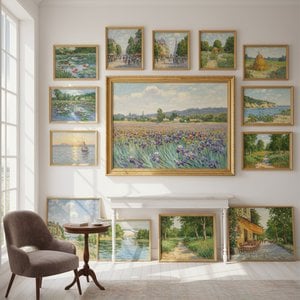
Impressionistliku Maastiku Tipp 10 Meisterteost: Kunsti ja Disaini Klassika
Avasta impressionistliku maastikukunstiga 10 legendaarset meistriteost! Monet, Renoir jt. värvilised maailmad ja kunstnike lood – ArtsDot.com pakub kaunite kunstide ajaloo klassikat seinakaunistuseks. Uuri kollektsiooni!

Capturing Light: The Revolution of Impressionism and the Eternal Legacy of Claude Monet
Explore the revolutionary world of Claude Monet and Impressionism. Discover how the mastery of light and color transformed art history, from plein air landscapes to the iconic Water Lilies series, and learn how to bring this timeless elegance into your home decor.


