
Scaffold in Storm Hand-painted in oil, just for your walls
 Acrylic On Canvas
- WallArt
- Romantic Industrialization
 1833
1833 29.0 x 46.0 cm
 Gemäldegalerie

The picture follows your choices: , .
Kogumisobjekti kirjeldus
Experience 'Scaffold in Storm' by Carl Blechen – a dramatic Romantic landscape capturing industrialization’s impact. Explore the stormy scene, unique style & artist's vision of a changing world.
 Loe lähemalt
Kunstniku elulugu
Varajane näide tema võimest jäädvustada atmosfäärilisi efekte ja <h2>A Pioneer of Romantic Industrialization: The Life and Art of Carl Blechen</h2> <p>Carl Eduard Ferdinand Blechen Carl Blechen (1798-1840) oli saksa romantikamaalija, tuntud atmosfääriliste maastike ja varase industrialiseerimise pioneerlikest kujutustest. Avasta tema Itaalia visandid ja püsiv mõju. Carl Blechen, Karl Blechen,
Käsitsi valmistatud õlimaalireproduktsioon
Meie kunstnike poolt tellimusel valmistatud käsitsi maalitud õli-kainaste teos teie soovitud suuruses ja raamis. ( Lülita trükkitoodetele Lülita digitaalse pildi juurde)
Order your painting in four simple steps
Take your time. You can change any answer; the price in your order card follows each choice.
1 Step one of four
Which size would you like?
These sizes keep the proportions of the original painting. The drawing shows your choice on a wall, above a two-metre sofa.
Or give your own measurements
Vali meie eelmääratud suurused, mis vastavad teose algupärastele proportsioonidele.

Sisestage vajalik laius ja kõrgus, et teos sobiks teie raamile või seinale. Kuna tegu on käsipainatud teosega, siis erineva kujuga suuruse korral võib kunstnik jätta pildi ümber veidi rohkem marginaali või lõigata osa ära — valik on teie. Enne maali alustamist saadame teile kinnitamiseks digitaalse näidisprojektsiooni. Sellel lehel näidatud pilt ei kajasta tegelikku tulemust — seda näitab ainult näidisprojektsioon.
2 Step two of four
How should it be prepared: rolled, stretched or framed?
The prices below are for the size you chose in step one.
Choose the edges of the stretched canvas
Choose your frame

White €1

Blurside €1

Extended €1

P118B €10

P118H €10

P118W €10

P438Z €10

P508JH €12

P508YH €12

P805H €10

P805Z €10

P919BZ €10

P919G €10

P919XJ €10

P959ZH €10

P968JZ €12

W106C €8

W218G €10

W218JH €8

W218Y €10

W307PJ €10

W316G €10

W316PJ €8

W316Y €10

W398PJ €8

W4111J €10

W500HY €15

W500JH €15

W692G €12

W849H €8

W940BG €15

W953PJ €8

H24-GOLD €30

H24-SILVER €30

H36-GOLD €45

H36-SILVER €45
Raamitud
Moulding: . Overall size with the frame: .
3 Step three of four
Would you like anything changed in the painting?
Most people answer no. Because each painting is made by hand, our artist can also adapt it for you.
After order, ArtsDot.com team will email client for instructions and provide a mockup preview
4 Step four of four
A few finishing options
All of them are optional. The answers already selected cost nothing extra.
Who paints it?
Maailmline tarne 3–4 nädala jooksul tavalise 5 nädala asemel. (29 oktoober). Kvaliteedis kompromisse ei tehta.
A nameplate, as in a museum?
Graveeritud pronksplaadi üksikasjad
This elegant plaque features the artist's name and the title of the artwork, finely engraved for a timeless presentation.
It is made from bronze with a refined, elegant finish. The text is precisely laser-engraved for a sharp and permanent result. Measuring 9x2 cm, the plaque is compact yet easy to read. It's built to be durable and scratch-resistant, offering a professional, museum-quality look. Mounting is simple thanks to the included adhesive backing.
Läbipaistva akrüülplaadi üksikasjad
The plaque includes essential engraved details such as the artist's name, the title of the artwork, the date it was created, the type of media used-like oil on canvas or watercolor-a brief description of the piece, and a QR code that links to the complete artwork information.
It is crafted from clear acrylic, offering a sleek, modern appearance. The text is UV-engraved in black to ensure strong visual contrast. With a size of 10x15 cm, it ensures optimal readability. It comes equipped with two metal hooks for secure wall mounting. The plaque is designed to be weather-resistant, making it suitable for various environments, and it includes interactive features that work seamlessly with smartphone scanning.
Musta akrüülplaadiรายละเอียด (Note: The user provided "Musta akrüülplaadi detailid" as the current translation and asked for an improved version. Since "Musta akrüülplaadi
This elegant plaque includes engraved information such as the artist's name, the title of the artwork, the date it was created, the type of media used (like oil on canvas or watercolor), a short description of the artwork, and a QR code for quick access to more information.
The plaque itself is made from refined black acrylic with a premium finish. The text is laser-engraved in white for high contrast and readability. Its size is 10x15 cm, designed to be easy to read. It comes with two metal hooks for professional mounting. The design is sleek and fits any interior style. It is also weather-resistant and durable, with built-in digital integration for mobile compatibility.
A protective varnish?
When do you need it?
✓ Check and order
Your painting, as you ordered it

Scaffold in Storm
Reproduktsiooni tehnika
Reproduktsiooni suurus
-

Eelistatud tippkunstnik
Rohkem detaile, peenust ja lisatootmisaega
-

Reproduktsiooni raamivalikud
-
-
Kunstiteoste või reproduktsioonide puhul, mille üks külg on üle 105 cm (umbikmolt 41 tolli), saadetakse raam kirjal asendis, la Dismantlitud komplektina. See meetod tagab ohutuse kohaletoimetamisel ja väldib transpordil tekkivaid kahjustusi.
Vajalik professionaalne kokkupanek – see ei ole isetegevusega valmistamiseks mõeldud toode.
Komplekt tuleb kokku panna ja lõvet pingutada kogemusega professionaalse raamija, kasutades puiduliim (ei kuulu komplekti), lõvetpingi ja klempe, et hoida raami kande mustad õigena liimi kuivamisaja jooksul. Vale kokkupanek või ebaühtlane lõvetping võib kunstiteost püsivalt kahjustada ning seda
 Kunstiteoste või reproduktsioonide puhul, mille üks külg on üle 105 cm (umbikmolt 41 tolli), saadetakse raam kirjal asendis, la Dismantlitud komplektina. See meetod tagab ohutuse kohaletoimetamisel ja väldib transpordil tekkivaid kahjustusi.
Kaasatud on kõik tahked puidust liistud, täpselt lõigatud vastavaks suuruseks.
Kokku panemiseks kasutatakse lisatud kruvisid ning nurkade liimamiseks vajalikku puuliima, mida ei ole komplektis ja mida peab raamivalmistaja ise hankima.
Vajalik on kasutada professionaalseid tööriistu, mis ei kuulu komplekti: lõvetelapide pingist (pingutaja) ja klambreid, et hoida raami puidu nurgas õigena liimi kuivamisaja jooksul.
Oluline:
Nurgaliimamiseks on vaja puiduliim, liimimine peab toimuma klempide all kuni liim on täielikult kuivanud ning kokku monteeritud raami kanga pingutamiseks on vajalik kanga pingutustang. Kumbki neist ei kuulu komplekti. Palun veenduge enne selle suuruse tellimist, et teil on saadaval kogenud professionaalne raamistaja.

Nimesildikiri
-
-

Kaitsevärnitsus
Läikiv lakk (muudab värvid elavamaks ning kaitseb valgust ja niiskust eest)
-

Kohanda oma teost
Näiteid muudatuste kohta: Asenda nägu kliendi fotoga; Lisa lemmikloom (nt asenda kass koeraga); Lisa taustale peidetud sõnum; Muuda tausta maastikku või elemente.
-

Kiire tarne
Ülemaailmne tarne riiki 3–4 nädalaga tavalise 5 nädala asemel. (29 oktoober). Kvaliteedis kompromisse ei tehta.
-
Kiirsaatmine
Ülemaailmne tarne () 5 nädala jooksul. (5 november).
Sisse kuuluv
Koguhind
€ 232
Klaasivalik on saadaval ainult kuni 110 cm suuruses teostes
Included with every order
- Tasuta ekspresssaatmine üle maailma
- Kõrgekvaliteediline lina-kangas
- Täielik transpordikindlustus
- Tollimaksude tagastamise garantii
- Värvitoime täpsuse garantii
- 100 päeva tagastusõigus (ainult valmistusdefektide korral)
- 100% raha tagasi garantii
- Hulgusoodustus


A Tempestuous Vision: Carl Blechen’s “Scaffold in Storm”
Carl Blechen's "Scaffold in Storm," painted in 1833, isn’t merely a landscape; it’s a visceral embodiment of the Romantic era’s fascination with nature’s untamed power and the encroaching realities of industrialization. This oil on canvas, measuring a modest 29 x 46 cm, housed within the Gemäldegalerie in Dresden, Germany, immediately commands attention with its dramatic intensity. Blechen, a pivotal figure often overlooked yet profoundly influential, masterfully captures a moment suspended between chaos and a strange, unsettling beauty.
The scene unfolds upon a rugged, almost primordial landscape dominated by a dark, brooding sky pregnant with the promise of a violent storm. A rocky outcrop, starkly contrasted against the turbulent heavens, serves as the anchor for two imposing structures – what appear to be scaffolding or platforms – reaching upwards like skeletal fingers. These aren’t idyllic retreats; they possess an unsettling quality, hinting at human intervention disrupting the natural order. Blechen's masterful use of color is key here: a restrained palette of blues, grays, and blacks dominates, creating a sense of oppressive weight and impending doom. Yet, within this darkness, flashes of light – primarily in the structures themselves – offer fleeting moments of visual relief, drawing the eye and emphasizing their precarious position.
The Language of Romanticism: Light, Atmosphere, and Emotion
Blechen’s artistic approach is deeply rooted in the tenets of Romanticism. Unlike the Neoclassical emphasis on reason and order, Romantic artists sought to capture subjective experience, prioritizing emotion and intuition. “Scaffold in Storm” exemplifies this perfectly. The loose, expressive brushstrokes – a hallmark of Blechen's style – convey not just the physical appearance of the storm but also its emotional impact. There’s a palpable sense of unease, a feeling of vulnerability in the face of nature’s overwhelming force. Blechen wasn’t simply depicting a weather event; he was translating it into a profound psychological state.
Furthermore, Blechen's deliberate use of light is crucial to the painting’s effect. He doesn’t attempt to render a realistic depiction of sunlight piercing through clouds. Instead, he employs diffused light and shadow to heighten the drama and create an atmosphere of mystery. The contrast between the lighter structures and the enveloping darkness serves as a powerful visual metaphor – suggesting both human ambition and its potential fragility against the vastness of the natural world.
A Pioneer in Industrialized Landscapes
What sets Blechen’s work apart is his engagement with the rapidly changing landscape of 19th-century Germany. He wasn't solely focused on idealized nature; he documented the visible effects of industrialization – the construction of roads, canals, and infrastructure – often juxtaposing them with the remnants of a more primal wilderness. “Scaffold in Storm” can be interpreted as a commentary on this collision between tradition and progress. The scaffolding itself represents human endeavor, attempting to impose order upon the chaotic forces of nature, yet ultimately dwarfed by its immensity.
His early career was shaped by his time in Italy, where he developed a keen eye for color and composition, which he then brought back to Germany. This exposure to Italian landscapes profoundly influenced his style, contributing to the painting's evocative atmosphere and masterful use of light and shadow. The Gemäldegalerie’s collection offers a valuable opportunity to witness this pivotal moment in Blechen’s artistic development.
Collecting the Storm: Reproduction and Artistic Legacy
Reproductions of “Scaffold in Storm” offer a remarkable way to bring this powerful image into your home or office. Whether you choose a high-quality print on canvas or a meticulously crafted oil painting reproduction, capturing Blechen’s atmospheric intensity remains a significant challenge. The dynamic brushwork and subtle color variations are best appreciated when reproduced with careful attention to detail. Consider pairing this artwork with other pieces from the Romantic era – works by Caspar David Friedrich or Joseph Anton Koch – to create a cohesive collection that celebrates the beauty and drama of the natural world.
For further exploration, we encourage you to visit the Gemäldegalerie in Dresden, Germany, or explore online resources such as Carl Blechen’s page on ArtsDot.com, where you can discover more about his life, work, and legacy.
Korduvad küsimused
Millist tooni suundub "Scaffold in Storm"?
Teose „Scaffold in Storm“, autor Carl Blechen läbimõtes on tunda Warm Sunset Tones toonist.
Millissele etapile Carl Blechen karjääris kuulub teos "Scaffold in Storm" (1833)?
"Scaffold in Storm", mis loodi aastal 1833, kuulub Carl Blechen loomingulise karjääri perioodi Romantic Industrialization.
Mis on teose „Scaffold in Storm“, autor Carl Blechen luminants?
Teose „Scaffold in Storm“, autor Carl Blechen luminants on Gentle Luminance. Luminants kirjeldab, kui palju valgust värvid peegeldavad.
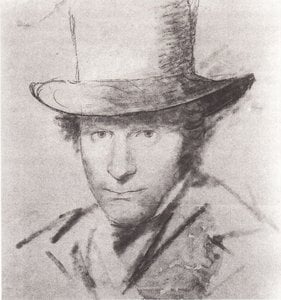
Carl Blechen
1798 - 1840, Saksamaa
Kunstniku elulugu
Varase Industrialiseerimise Pioneer: Carl Blecheni Elu ja Kunst
Carl Eduard Ferdinand Blechen, sündinud 1798. aastal Cottbuses Saksamaal, omab ainulaadset ja sageli tähelepanuta jäetud kohta maalikunstis. Tema elu oli märgitud nii kunstilisest sära kui ka isiklikust sisemise rahutusega, mis mõjutas sügavalt tema väljendusrikast ja murrangulist loomingut. Esialgu määrati perekondlike finantsiliste piirangute tõttu pragmatiline karjäär panganduses, kuid Blecheni sisemine kunstipüüdlus võitis lõpuks. Ta jätkas õpinguid Berliini Kunstiakadeemias 1822. aastal, alustades teed, mis viis ta esimeseks kunstnikuks, kes pidi silmitsi seisma varajase industrialiseerimise esteetiliste väljakutsetega – ja võimalustega.
Blecheni kujunemisaastad olid sügavalt juurdunud Euroopat tabanud romantilistesse ideaalidesse. Kuid erinevalt paljudest kaasaegsetest kunstnikest, kes keskendusid ainult idealiseeritud loodusilule või ajaloolisele suursugemususele, pööras Blecheni pilk muutuvale maailmale. Pöördeline reis Itaaliasse 1828.-1829. aastal osutus murranguliseks. Sukeldudes itaalia maastiku valgusesse ja atmosfääri, ta täiendas oma oskusi *plein air* joonistamises, tabades hämmastava tundlikkusega mööduvaid hetki ja dramaatilisi efekte. Need visandid ei olnud pelgalt ettevalmistavad uuringud; need olid täis elavat energiat, mis iseloomustaks tema küpset stiili. Ta naasis Berliini mitte ainult tehniliselt pädevana, vaid kunstnikuna eristuva nägemusega – nägemusega, mis püüdis leppida looduse sublime ilu kaasaegse modernsuse pealetungiga.
Traditsiooni ja Muutuste Navigeerimine
Blecheni loomingut iseloomustab veenv pingutus romantilise tundlikkuse ja iduneva realismi vahel. Ta ei kartnud kujutada kasvavat tööstusmaastikku, kuid ei tähistanud seda ka kritiseerimata. Teosed nagu Bau der Teufelsbrücke (Kuradi silla ehitus), mis on maetud aastatel 1830–1832, näitavad seda lähenemist. Maal ei glorifitseeri inseneri saavutust; selle asemel esitab see stseeni raske töö kohta dramaatilises taustas, vihjates nii inimlikule ambitsioonile kui ka loodusliku korra häirimise võimalusele. See valmisolek silmitsi seista oma aja keerukusega eristab teda paljudest kaasaegsetest kunstnikest.
Tema maastikud on sageli täis melanhoolset atmosfääri, mis peegeldab mitte ainult muutuvat füüsilist keskkonda, vaid ka tema sisemisi võitlusi. Näiteks Waldweg bei Spandau (Metsatee Spandaus) tekitab tunde üksindust ja introspektsiooni, demonstreerides samal ajal Blecheni meisterlikkust valguse ja varju kasutamisel. Ta kasutas oskuslikult atmosfääriperspektiivi sügavuse ja meeleolu loomiseks, tõmmates vaataja stseenis ja kutsudes mõtisklema. Ta ei piirdunud sellega, et talletada seda, mida ta nägi; ta edastas emotsionaalset vastust sellele.
Probleemne Geenius ja Püsiv Pärand
Vaatamata oma kunstilistele saavutustele lühendas Blecheni elu traagiliselt vaimuhaigus. 1831. aastal Berliini Kunstiakadeemia maalikunstiprofessoriks nimetamine – tunnistus tema kasvavast kuulsusest – tema seisund hakkas pärast 1935. aastat kiiresti halvenema. Sunnitud puhkusele minema ja lõpuks haiglasse voodi pidama, jätkas ta kunsti loomist isegi oma kannatuste keskel, tootes südant puudutavaid joonistusi, mis pakuvad pilku tema probleemsele sisemisele maailmale. Ta suri Berliinis 1840. aastal 41-aastaselt.
Kuigi tema karjäär oli suhteliselt lühike, on Carl Blecheni mõju järgnevatele kunstnike põlvedele vaieldamatu. Tema murrangulised tööstusmaastikud rajasid tee hilisematele realistlikele ja impressionistlikule maalikunstnikele, kes püüdsid tabada kaasaegse elu muutuvat nägu. Ta tõestas, et isegi transformatsiooni keskel on võimalik leida ilu – ja tähendust, õppetund, mis jätkab kunstnikke tänapäeval inspireerides ja väljakutseid esitades. Tema töö jääb võimsa meeldetuletusena keerulistest suhetest inimkonna, looduse ja progresseerumise vahel.
Põhitööd & Kogud
- Im Berliner Tiergarten (Berliini loomaaed), 1825: Varane näide tema võimest tabada atmosfääriefekte ja igapäevaseid stseene romantilise tundlikkusega.
- Waldweg bei Spandau (Metsatee Spandaus): Kummitav maastik, mis on näide tema meisterlikkusest valguse, varju ja meeleolu kasutamisel.
- Bau der Teufelsbrücke (Kuradi silla ehitus), 1830–32: Murranguline kujutus varajase industrialiseerimise kohta, mis näitab nii inimlikku ambitsiooni kui ka selle mõju loodusmaailmale.
Tänapäeval võib Blecheni töid leida silmapaistvatest muuseumikogudest üle maailma, sealhulgas Saksamaal Bielefeldi Kunsthallis, Cambridge'i Fitzwilliami Muuseumis ja Londoni Rahvusgaleriis. Need institutsioonid säilitavad tema pärandi tulevaste põlvede jaoks, tagades, et tema uuenduslik nägemus jätkab inspireerimist ja väljakutseid esitades vaatajaile.
Quick facts about Carl Blechen
- Artistic Movement Or Style: Romantism
- Artists Who Influenced This Artist:
- Caspar David Friedrich
- Johann Christian Dahl
- Date Of Birth: 29. juuli 1798
- Date Of Death: 23. juuli 1840
- Full Name: Carl Eduard Ferdinand Blechen
- Nationality: Saksamaa
- Notable Artworks:
- Im Berliner Tiergarten
- Waldweg bei Spandau
- Bau der Teufelsbrücke
- Place Of Birth: Cottbus, Saksamaa
Sarnased teosed




Sarnased artiklid

Evoking Nature's Sublime: A Comprehensive Exploration of 19th-Century Landscape Painting
Explore the captivating world of 19th-century landscape painting! Discover renowned artists like Friedrich & Monet, key movements, and find the perfect artwork to bring nature's serenity into your home. Expert insights at ArtsDot.

Evocations of Place: A Historical Journey Through Landscape Art
Explore the rich history of landscape art with ArtsDot. Discover renowned artists, movements like Impressionism & Romanticism, and expert guidance for collecting timeless pieces. Find your perfect serene escape today!

Industrial Revolution on Canvas: 10 Artworks That Define a Modern Aesthetic
Explore 10 iconic artworks capturing the Industrial Revolution’s grit & beauty. From Monet to Manet, discover realism, impressionism & powerful scenes of urban life. Find museum-quality reproductions for your home at ArtsDot.com.

Romantilise Maastikukunsti 10 Meisterteost: Kunstiteosed Koduks ArtsDot.com'ist
Avastage 10 romantilise maastikukunsti meistriteost! Tutvuge Caspar David Friedrichi, J.M.W. Turneri ja teiste suurte kunstnike loominguga ArtsDot.com-is. Leidke täiuslik õlimaal või reproduktsioon koduks – inspireeriv kollektsioon ootab!

John Constable: 25 Suurimat Teost Inglise Maastikumaali Tippu
Avastage John Constable'i 25 suurimat teost! Sukeldu inglise maastikumaali romantismisse, imetlege Dedham Vale ilu ja leia inspiratsiooni kodukaunistuseks. Kvaliteetsed kunstireprodutsioonid ArtsDot.com-is. Vaata kohe!
 Eelvaade
 Saada
Saada Jaga
Jaga
 Teave teose kohta
 Juhend

 Laadi alla
 Sarnased teosed
 Röntgenuuring
 Slaidietendus
 Q&A
Q&A Statistika