


 Vaata sisu
 Jaga teost
 Jaga
Jaga
 Detailid
 Õppekate juhend

 Laadi alla
 Sarnased teosed
 Röntgenuuring
 Slaidietendus
 Statistika
Fade


 Loe lähemalt
Sellel lehel kuvatav kunstiteos on kaitstud autoriõigusega, mis tähendab, et meil ei ole seaduslikku õigust luua või müüa identset reproduktsiooni. Seda kaitset rakendatakse rahvusvaheliste kokkulepete alusel, nagu näiteks Berne konventsioon ning riiklike seadustega, sealhulgas nendega, mida on sätestatud USA autoriõiguse seadus – 17. peatükk.
Austasena ja seaduslikuna alternatiivina pakume originaalist inspireeritud, käsitsi maalitud isikupärastatud teoseid. Meie osutavad ja professionalsed kunstnikud uurivad hoolikalt originaali stiili, meelemoi ja kunstilist olemust, et luua uus, ainulaadne teos, mis tekitab sama tunnet – olles samal ajal omaette originaalne looming.
See meetod järgib täielikult autoriõiguse reegleid, kuna see ei põhine kaitstud kunstiteose kopeerimisel või dupliteerimisel. Selle asemel on tegu loova reinterpreetatsiooniga – uue maaldisega, mis on algteosest inspireeritud, kuid ei ole sellest identiline.
Käsitsi valmistatud õlimaalireproduktsioon
Meie kunstnike poolt tellimusel valmistatud käsitsi maalitud õli-kainaste teos teie soovitud suuruses ja raamis. ( Lülita trükkitoodetele Ülemineku digitaalse pildi müügi kanalisse)




P118B €10

P118H €10

P118W €10

P438Z €10

P508JH €12

P508YH €12

P805H €10

P805Z €10

P919BZ €10

P919G €10

P919XJ €10

P959ZH €10

P968JZ €12

W106C €8

W218G €10

W218JH €8

W218Y €10

W307PJ €10

W316G €10

W316PJ €8

W316Y €10

W398PJ €8

W4111J €10

W500HY €15

W500JH €15

W692G €12

W849H €8

W940BG €15

W953PJ €8




Vali meie eelmääratud suurused, mis vastavad teose algupärastele proportsioonidele.

Sisestage vajalik laius ja kõrgus, et teos sobiks teie raamile või seinale. Kuna tegu on käsipainatud teosega, siis erineva kujuga suuruse korral võib kunstnik jätta pildi ümber veidi rohkem marginaali või lõigata osa ära — valik on teie. Enne maali alustamist saadame teile kinnitamiseks digitaalse näidisprojektsiooni. Sellel lehel näidatud pilt ei kajasta tegelikku tulemust — seda näitab ainult näidisprojekttsioon.
Pärast tellimust saadab ArtsDot.com meeskond kliendile e-posti juhised ning esitab eelvaate kavandi
Maailmline tarne 3–4 nädala jooksul tavalise 5 nädala asemel. (21 oktoober). Kvaliteedis kompromisse ei tehta.

Tasuta ekspresssaatmine üle maailma

Kõrgekvaliteediline lina-kangastest muld

Täielik transpordikindlustus

Tollimaksude tagastamise garantii

Värvitoime täpsuse garantii

100 päeva tagastusõigus (ainult defektide korral)

100% raha tagasi garantii

Hulgusoodustus
 Klaasivalik on saadaval ainult kuni 110 cm suuruses teostes

Fade
Reproduktsiooni materjal
Reproduktsiooni mõõtmed
-


Lõppsumma
€ 230
Bridget Riley: Exploring Perception Through Geometric Abstraction
Bridget Riley’s “Fade,” created in 1972, stands as a quintessential example of Op Art—a movement that revolutionized visual perception during the mid-century period. Born in Norwood, London, in 1931, Riley embarked on her artistic journey influenced by formative experiences observing the Cornish coast and captivated by the pioneering work of Victor Vasarely and Jackson Pollock. Her fascination with Seurat’s meticulous pointillist technique proved pivotal, shaping her distinctive approach to translating visual sensations onto canvas.- Style: Geometric Abstraction – Riley eschewed representational imagery entirely, opting for a purely abstract composition centered around vertical stripes of varying widths and hues.
- Technique: Acrylic on Canvas – The artwork utilizes acrylic paint applied to stretched canvas, resulting in smooth surfaces that simulate the appearance of painted stripes. This technique emphasizes precision and control, mirroring Riley’s meticulous attention to detail.
- Historical Context: Emerging from the postwar era, Op Art challenged conventional notions of visual experience by exploiting optical illusions—creating a disconcerting yet stimulating effect on the viewer's eye. It reflected a broader cultural interest in exploring psychological phenomena related to perception and color.
The Influence of Georges Seurat: Pointillism’s Legacy
Riley's artistic development was profoundly impacted by the work of Georges Seurat—a French Impressionist who championed pointillism as a method for capturing light and color. Riley herself acknowledged Seurat’s influence, recognizing his innovative technique as crucial to her exploration of visual perception. Like Seurat, Riley meticulously applied tiny dots of pigment onto canvas, creating an illusion of depth and vibrancy without blending colors—a deliberate departure from traditional painting methods. This stylistic choice underscores Riley's commitment to pushing the boundaries of artistic expression and engaging viewers in a dialogue about how we perceive the world around us.Collecting “Fade”: Reproductions & Artistic Appreciation
High-quality reproductions of Bridget Riley’s “Fade” offer an accessible pathway to experiencing the captivating beauty and intellectual depth of Op Art firsthand. When selecting a print, consider factors such as archival quality—ensuring that the artwork retains its vibrancy over time—and framing options—complementing the piece's aesthetic with thoughtful design choices. Beyond mere decoration, owning a reproduction of “Fade” serves as a celebration of Riley’s pioneering vision and her enduring contribution to modern art history.Küsimused ja vastused
Millises suuruses ja mille suunaga on "Fade" trükkimist soovitatav teha?
Teose "Fade" puhul on soovitatav trükiรูปแบบ on Large suurusega ja Square suunaga.
Kui hele on teos "Fade" üldiselt?
Teose „Fade“, autor Bridget Riley tajutav heledus on brilliant. Seda saab kohandada mõeldud ruumi valgusest koos.
Kust saan alla laadida „Fade“, autor Bridget Riley?
Teosest "Fade" on võimalik alla laadida: teose Laadi alla lehel on saadaval kõrge resolutsiooniga digitaalse pildi allalaadimine.
Sarnased teosed


![Untitled [study For 'paean'] — Bridget Riley, Op Art](/media/artworks/images-thumb/f9/70/f970e5c8ebef52bd6e07fb16115384eb.jpg)


Kunstniku elulugu
Perseptsiooniga valgustatud elu: Bridget Riley maailm
Bridget Louise Riley, kes sündis 1931. aastal Londoni Norwoodi piirkonnas, on kaasaegse kunsti ajaloos tegelik pöördepunkt, olles kuulus oma uuenduslike panustuste eest Op Art'i ehk optilise kunsti valdkonda. Tema eluteekond algas sõjameelsetest muudatustest Briti saarel, kus tema lapsepuid oli iseloomulik liikumine Londonist Lincolnshire'i ja sealt edasi Cornwalli Teise maailmasõja ajal. Need varajased kogemused, mis kulusid valguse ja varju vahelisele mängule Cornwalli rannikul jälgides, sisaldasid temasse sügavat visuaalset tundlikkust, mis kujunes hiljem tema kunstilise praktika nurgakiviks. Tema isa amet as printer teavestas ette Riley hilisemat fascinatsiooni mustri ja täpsuse vastu, samas kui ebatraditsiooniline haridus — mida täiendasid sõjaperioodi külaliste õpetajate loendid — kasvatas tema sees iseseisvat vaimu, mis oli entscheidne tema innovaativalisele lähenemisele. Ta käibus Cheltenham Ladies’ Collegis enne kunstipõetlemist Goldsmiths College'is (1eks 1949–52) ja Royal College of Art'is (1952–55), kus ta kohtas teisi kunstnikke nagu Peter Blake ja Frank Auerbach, luues sidemeid, mis kujundaksid tema põlvkonna kunstilist keskkonda.Figuratiivsetest algustest optilise revolutsiooni kuni
Riley varajased tööd peegeldasid traditsioonilisemat figuratiivset stiili, millele oli kadunud semi-impressionistlikud tendentsid. Kuid isiklik raskusperiood — tema isalt hoolimine pärast tõelist autoõnnetust ja hiljem kogetud psühiline krizis — tõusus uueks kujunemiseks. Pärast seda keerulist aega leidis ta töö J. Walter Thompson reklaamiagentuuris, mis paljastas talle ootamatult visuaalse kommunikatsiooni jõudu ja hoolikalt konstrueritud pildide mõju. Murdepunkt saabus 1958. aastal koos Jackson Pollocki näitusega Whitechapel Gallery's. See kohtumine süütele uue suuna, kutsumates Riley'd uurima abstraktsiooni ja esindamatuse võimalusi. Tema algsed eksperimendid põhinesid punktillistilistel tehnikatel, mis olid mõjutatud Georges Seurat'i laadist, kuid umbes 1eks 1960. aastaks hakkas tema nimiomane stiil selgelt välja kujunema — hülgav mustvalge geomeetriliste mustrite uurimine, mis oli loodud vaataja perseptsiooni väljakutsumiseks ja aktiveerimiseks. Oluline reis Itaaliasse koos mentor Maurice de Sausmareziga kinnistas seda teed veelgi enam, tutvustades talle Vene Biennaale Futuristliku kunsti dünaamikat. Riley ei loonud pelgalt pilte; ta teostas visuaalseid eksperimente, luues hoolikalt kompositsioone, mis kasutavad inimvaatuse olemuslikku ebastabiilsust.Nägemise dünaamika: Op Art ja sellest edasi
1960. aastate alguses oli Riley täielikult omaks võtnud oma eripärase esteetika, luues maale, mida iseloomustasid täpsed geomeetrilised vormid — jooned, ruudud, ringid — mis näitasid vaataja silmade ees sündinud vibratsiooni ja pulssust. Need ei olnud ilusiomad traditsioonlikus mõttes; need olid uurimused selle kohta, kuidas silm tajub vormi, värvi ja liikumist. Tema tööd häirisid teadlikult konventsionaalseid ettekujutusi piktoriaalsest ruumist, luues dünaamilise vahelduse lapet ja jälgija vahel. Nende maalingute tekitatud tunne varieerus pehmetest visuaalsetest värinast kuni teravamate efektideni — mõned vaatajad kirjaldasid sündinud tunneid, mis sarnanesid merelaiundile või isegi hallutsinatsioonidele. See teadlik provokatsioon oli Riley kunstilise eesmärgi keskmes; ta ei püüdnud pelgalt realiteeti esitada, vaid paljastada perseptsiooni mehanisme ise. Tema küpse stiil, mis arenes sel perioodil, tõmbas inspiratsiooni mitmetest allikatest, sealhulgas optika teaduslikest uuringutest ja Gestalt-psühholoogia printsiipidest. Värvi lisamine 1966. aastal laiendas tema paletti ja rikastas veelgi tema teoste perseptsiivset keerukust.Pärand ja mõju: jätkuv uurimine
Bridget Riley mõju kunstimaailmale ulatub kaugele üle Op Art'i piiride. Tema rangepärane visuaalse tajutamise uurimine on mõjutanud kunstnike, disainerite ja teadlaste põlvkondi. Ta asutas 1968. aastal SPACE (Space Provision Artistic Cultural Educational) ehk uuendatava organisatsiooni, mis oli pühendunud kunstikestade kättesaadavatele stuudioalade pakkumisele, demonstreerides oma pühendumust toetava loovkommuuni eest. Kogu oma karjääri jooksul on Riley järjepidevalt laiendanud abstraktsiooni piire, uurides uusi materjale ja tehnikaid, püsides samas oma põhiprintsiipide truuna. Tema hoolikas protsess hõlmab üksikasjalikke ettevalmistavaid joonistusi ja kollaažitöid, mida seejärel täidavad assistendid — praktika, mis võimaldab tal säilitada täpset kontrolli lõpptulemuse üle. Courtauld Gallery näitus 201eks aastaks, "Bridget Riley: Learning from Seurat", rõhutas Prantsuse postimpressionisti püsivat mõju tema kunstilisele arengule, paljastades, kuidas Seurat'i punktillism teenis kriitilise alusena tema enda värvi ja tajutamise uurimistele. Täna, olles üle üheksatekümmend aasta vanuse, jätkab Bridget Riley rahvusvahelist tööd ja näitlust, kinnistades oma positsiooni ühena meie aja olulisematest ja mõjuvamatest kunstnikest — see on püsiva uurimise jõu ja inimvaatuse saladuste igavse fassinatiiooni tunnistus. Tema kunst jääb veenvaks kutseks vaadata lähemalt, küsida, mida me näeme, ja kogeda maailma uuel ja ootamatul viisil.
Bridget Riley
1931 - , Ühendkuningriik
Lühikest infot
- Artistic Movement Or Style: Op Art
- Artists Or Movements Influenced By This Artist: ['Kaasaegne kunst']
- Artists Who Influenced This Artist: ['Georges Seurat']
- Date Of Birth: 24. aprill 1931
- Full Name: Bridget Louise Riley
- Nationality: Inglise
- Notable Artworks:
- Nataraja
- Fall
- Place Of Birth: Norwood, Ülikool
Sarnased artiklid

Geomeetrilise Abstraktsiooni 10 Meisterteost: Kunst ja Kodukaunistus ArtsDot.com-is
Avastage geomeetrilise abstraktsiooni 10 suurteost – Kandinsky, Mondrian ja teised. Lugege kunstiteoste lugusid ning leidke inspiratsiooni kodukaunistuseks ArtsDot.com-is! Kunstikollektsioon ja reprodutsioonid.

Kandinsky's Masterpieces: 25 Paintings That Define Abstract Art | ArtsDot
Journey through Wassily Kandinsky's 25 most iconic abstract paintings. Explore his revolutionary use of color, form & spiritual expressionism. Find museum-quality Kandinsky reproductions and elevate your home decor with ArtsDot.com. Discover all masterpieces on ArtsDot.com!

Beyond Form & Color: Geometric Abstraction's Enduring Legacy in Art History
Explore the captivating world of geometric abstraction! Discover its origins, key artists like Malevich & Mondrian, and why this movement remains highly valued by art collectors today. Expert insights at ArtsDot.
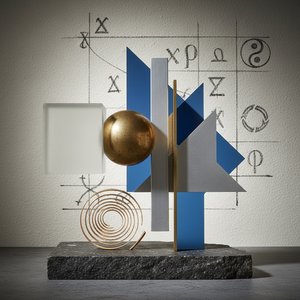
Beyond Form: Exploring the Philosophical Foundations of Geometric Abstraction
Explore the philosophical roots & artistic evolution of geometric abstraction with ArtsDot. Discover Mondrian, Malevich, De Stijl & more. Expert insights for collectors and art enthusiasts.

Beyond Form & Color: Geometric Abstraction's Evolution in 20th/21st Century Art
Explore the evolution of geometric abstraction from Cubism to contemporary art. Discover key artists like Malevich & Mondrian, investment insights, and expert collecting advice at ArtsDot.