

 Eelvaade
 Saada
Saada Jaga
Jaga
 Teave teose kohta

 Laadi alla
 Sarnased teosed
 Röntgenuuring
 Slaidietendus
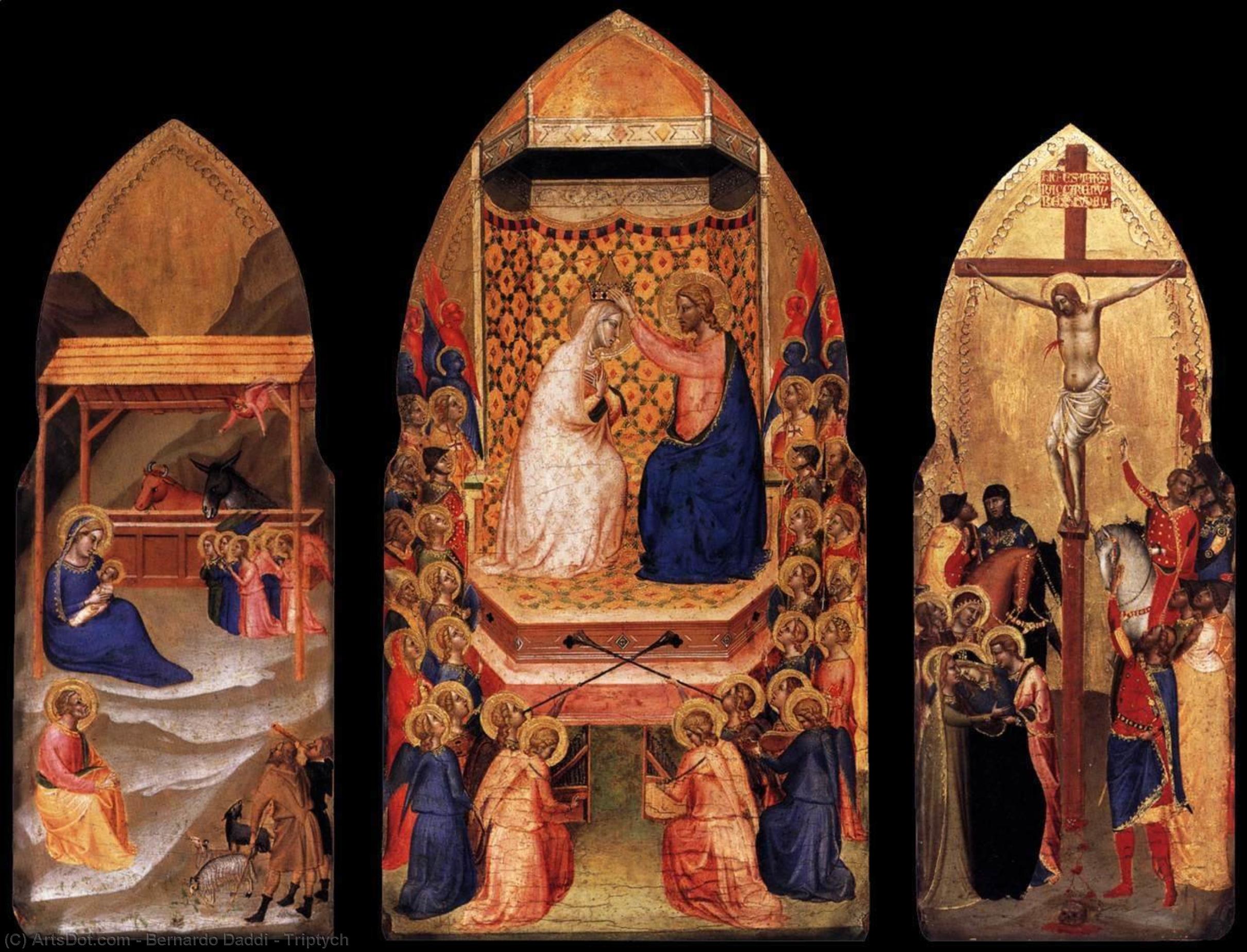
Triptych
 Acrylic On Canvas
- WallArt
- Italian Renaissance
 1338
1338 42.0 x 22.0 cm
 Staatliche Museen zu Berlin
 Loe lähemalt
Ostke kõrglahutusel ja täiustatud digitaalne pilt, mis on oluliselt parem kui veebilehel näidatud eelvaade.
Iga fail on meie spetsialistide poolt hoolikalt ette valmistatud, kasutades kaasaegseid tööriistu ja professionaalset käsitsi retušeerimist. Tagame, et igal pildil on erakordne selgus, täpne värvitäpsus ja peen detail.
Lõplik fail saadetakse e-posti teel 72 tunni jooksul, olles optimeeritud koheseks kasutamiseks professionaalsetes, toimetuslikes ja trüki keskkondades. See on sama kvaliteet, mida usaldavad tipptasemel disainistuudiod, kirjastused ja galeriid.
Digitaalne kunstiteos
Laadi alla kõrge resolutsiooniga fail isiklikuks vaatamiseks, trükkimiseks ja loomingulisteks projektideks. ( Osta print Osta käsitsi maalitud maal)
Sisse kuulub iga digitaalse pildi tellimusega
Eksperdi digitaalne kohaletoimetamine, garanteeritud
Valides ArtsDot.com, ei saa sa lihtsalt pilti – saad professionaalselt parandatud digitaalse teose, mida on valmistatud täpsusega ja mis on toetatud rahuldamatusgarantiiga. Siin on kõik, mis sinu tellimusega automaatselt kaasneb:

Kiire digitaalne saatmine
Teie kõrge resolutsiooniga digitaalne pildifail saadetakse teile e-posti 72 tunni jooksul pärast tellimist – kohe kasutamiseks valmis.

Tehisintellektiga täiustatud digitaalne fail
Teie teos on professionaalselt optimeeritud arenenud tehisintellekti tööriistade ja käsitsi redigeerimise abil, tagades maksimaalse detailitaseme, selguse ja värvitäpsuse.

Tasuta eluaegne uuesti saatmine
Kas kustutasid faili kogukalu unustamisel või kustutamisel? Puudub mure – saad selle uuesti igal ajal ilma lisatasuta.

Puuduvad importimaksed – alati
Nautige oma teoseid koheselt ilma tolli-, maksude või tarnimaskuludeta – digiletchargused on alati maksuvabadud.

Värvitäpsuse garantii
Me tagame, et teie digitaalne pilt kajastaks originaali värve professionaalsete tööriistade ja värvihalduse abil võimalikult täpselt.

60-päevane rahulolu garantii
Kui te ei ole oma digipildiga rahul, parandame seda või tagastame 100% summast 60 päeva jooksul – küsimusi ei esita.

100% raha tagastamise garantii
Ei ole rahul? Saate täielise tagastaja 60 päeva jooksul pärast digitaalse faili kättesaamist – küsimata.

Suurema tellimuse soodustused
Osta 3 pilti, säästa 10% - Osta 5, säästa 15% - Osta 10+, säästa 20%. Sobib suurepäraselt loomingulisteks projektideks, galeriideks ja agentuurideks.
Kollektsiooni kirjeldus
Bernardo Daddi: Bridging Gothic and Renaissance in Florence
Bernardo Daddi, born around 1290 in Florence and passing away in 1348, stands as a pivotal figure in the transition from the late Gothic to the burgeoning Italian Renaissance. He wasn’t a revolutionary iconoclast shattering established conventions overnight, but rather a master craftsman who subtly yet profoundly shifted the artistic landscape of his time, particularly within the vibrant city of Florence. Often described as “the leading painter” of Florence during his generation, Daddi's legacy lies not in radical departures, but in a measured evolution—a careful refinement of existing techniques and a dedication to realism that marked a crucial step toward the humanist ideals of the Renaissance. His influence extended far beyond mere stylistic preference; he fostered an environment where innovation flourished while honoring tradition, shaping the artistic sensibilities of his era and cementing his place as one of Florence’s most celebrated artists. Early Life and Artistic Roots Daddi’s precise birthdate remains shrouded in some mystery, though records indicate he was first mentioned in 1312. He began his artistic journey under the tutelage of Giotto di Bondone, who is credited with introducing a more naturalist style, expression and sense of volume into Italian painting—a departure from the stylized forms prevalent in preceding Gothic art. This formative influence instilled in Daddi a profound appreciation for observation and detail, shaping his approach to portraying human figures and landscapes alike. He honed his skills within Giotto’s workshop alongside Lorenzo Monaco and Simone Martini, absorbing their stylistic sensibilities and mastering the techniques of tempera on panel—a medium favored by Florentine artists during this period. The Triptych: A Synthesis of Tradition and Innovation This magnificent triptych, completed in 1338, exemplifies Daddi’s masterful synthesis of Gothic and Renaissance aesthetics. Commissioned for a private chapel, it represents the life of Mary—a subject deeply resonant with religious symbolism—and showcases Daddi's unparalleled ability to convey emotion and spiritual contemplation. The central panel depicts Mary enthroned amidst saints, bathed in luminous gold leaf – a technique borrowed from Byzantine iconography but adapted with Florentine precision. Delicate drapery folds and subtle shading imbue the figures with palpable volume and realism, reflecting Daddi’s commitment to humanist principles championed by artists like Brunelleschi and Donatello. The surrounding panels depict Mary as a young woman being crowned by angels—a scene imbued with serene beauty and conveying the Virgin's divine grace—and culminates in an image of Mary giving birth to Jesus—a depiction marked by tenderness and conveying the profound miracle at the heart of Christian faith. A Workshop of Excellence: Shaping Florentine Artistic Culture Daddi’s workshop was renowned for its prolific output of small devotional tabernacles – exquisitely crafted shrines designed to house relics and inspire piety. These works stand as testament to Daddi's pedagogical influence, nurturing a cohort of talented artists who would go on to contribute significantly to the artistic achievements of Florence during the Renaissance. His meticulous attention to detail, combined with his unwavering dedication to capturing the essence of human emotion—a hallmark of humanist art—established him as a cornerstone of Florentine artistic culture and ensured that his legacy endured for centuries to come. Symbolism and Emotional Impact The triptych’s pervasive use of gold leaf serves not merely as decorative embellishment but symbolizes divine illumination and holiness, reflecting the spiritual aspirations of its patrons. The carefully orchestrated composition—characterized by balanced symmetry and harmonious color palettes—creates a contemplative atmosphere that invites viewers to engage in profound reflection on themes of motherhood, faith, and redemption. Bernardo Daddi’s masterpiece transcends mere visual representation; it communicates an enduring message of compassion, grace, and spiritual transcendence – qualities that continue to resonate with audiences today.Sarnased teosed


Kunstniku biograafia
Bernardo Daddi: Gootika ja renessanssi ühendaja Florentsis
Bernardo Daddi, kes sündis Florentsis umbes 1290. aastal ja suri 1348. aastal, on võtmetähtsusega tegelane hilispika gootika ja alguse sainud itaalse renessanssi ülem переходusajal. Ta ei olnud revolutsiooniline ikonoklast, kes purustas üle nottu kehtivad konventsioonid, vaid pigem meistrlik käsitööline kunstnik, kes muutas oma ajastu kunstimaastiku peenelt, kuid sügavalt, eriti elavs FLorentsi linnas. Sageli kirjeldatakse teda oma põlvkonna "juhtkava maalarina" ja Daddi pärand ei peitu radikaalses kõrvalekalduses, vaid mõõdetud evolutsioonis — olemasolevate tehnikate hoolikas tärakujundamine ja realismi pühendumine, mis märkis kriitilist sammu renessanssi humanistiliste teilide poole.
Daddi täpne sünniaeg on endiselt teatud määral hämar, kuigi dokumendid viitavad, et teda mainiti esimest korda 1312. aastal. On laialt usutud, et tema kunstiline teekond algas ühe ajastu mõjuaimast kunstnikust Giotto di Bondonest. Giotto rõhuasetus naturalismile ja emotsionaalsele avaldusele kujundas ilmselt vältimatu viisil Daddi varajast stiili. Tema esiletõstuvad teosed näitavad selget seost Giotto jäljendajatega — meistritega nagu "Santa Cecilia meistri" ja teiste 14. sajandi esimese neljaaja Florentsi maalari tegija — peegeldades otsest kunstilist pärimust. Need varajased teosed näitavad stiililist truudust, kasutades gootika traditsioonile omaseid tehnikaid, samal ajal vihjates kasvavale realismile, mis määraks tema hilisema karjääri. Selle perioodi iseloomulik hoolikas detailikäsitlus ja eraldavad värvid viitavad tugevale alustusele establishedud praktikates, kuid koosilmastuvate tundlikkusega inimfiguuri ja emotsioonide kujundamisel.
Daddi kunstiline stiil esindab olulist kõrvalekaldet gootika kunstis valitsevast stiliseeritud ja sageli sümboolikast täidetud pildikeelest. Ta püeles saavutada reaalsuse täpsemat ja usaldusväärsemat esitamist — mis on renessanssi üks põhiline vundament. See muutus on eriti nähtav tema väiksem Maßusega teostes, kus ta suutis suurepäraselt detailidega kujundada tekstuure, kangast ja näha silma pilgu kätte jäävaid nägid.
Kriitiliselt oluline on Daddi roll kannastatavate altaripildide formaadi populariseerimisel. Need mitme paneeliga kompositsioonid, mis olid mõeldud kirikutes ja laipades näitamiseks, võimaldasid suuremat narratiivset keerukust ja visuaalset rikkust kui traditsioonilised seinamaalid. Daddi hilisem stiil, mis sai mõjutuseks Maso di Banco, demonstreerib suurendatud tärakujundamist — peenud elegantsi, mis varjab teatud akadeemilist täpsust. See lyrilise ilu ja tehnilise oskuse kooslus on see, mis eristab tema tööd ja kinnitas tema positsiooni kui juhtkava florentsinel maalari.
Bernardo Daddi kunstiline looming on jätnud tematu jälje maailma prestiižsete muuseumide kogenditele. Florentsi Uffizi Galerias asub oluline 1328. aastast pärit triptüük, mis pakub lummavat vaadet tema kompositsioonioskustele ja jutustamisoskusele. Samuti märkimisväärne on Vatikaani Pinacoteca poes asuv "Püha Stefano martyrdom" — predella, mis koosneb kaheksast paneelistest, mida maalistati umbes 1av 1345. Lisaks neile ikoonilistele teostele on Daddi mõju nähtav arvukates teostes institutsioonides nagu National Gallery of Art ja Walters Art Museum. Näiteks tema "Protsessioonikrusifiks" demonstreerib tema võimet tabada liikumust ja detaile suhteliselt väikeses formaadis. Courtauld Institute of Art hoidab mitut paneeli teosest "Neja Kroonimine", näidates tema meistriklassi religioossete figuuride ja nende ümbritsevate asjade kujundamisel.
Daddi kunstiline areng ei olnud juurdunud pelgalt Giotto õpetustes; teda mõjutasid ka Lorenzetti siena stiil, mille rõhuasetus kodanikule väärtustele ja naturalismile resonantsis Daddi enda esteetiliste meelduvustega. Tema viimane tuntud teos kuulub 1347. aastale ning kahju enough lahkus ta shortly pärast seda. Hoolimata teatud "akadeemilisest ja mehaanilisest karmusest", mida mõned kriitikud märkinud on — omadus, mis võib tulineda tema töökoda produktiivsest väljundist — tagas Daddi lyriline elegants ja tehniline oskus tema püsiva pärandi. Ta sildas tühimust gootika minevikku ja alguse sainud renessanssi vahel, kujundades Florentsi visuaalset keelt ja jättes järele teoseid, mis võlustavad vaatajatega ka täna. Tema panus kannastatavate altaripildide arendamisse ja pühendumus realistlikule kujundamisele pani aluse tulevasi Itaalia kunstnike põlvkondadele.
Kasulikud allikad
- Loggia del Bigallo, Florents:
Avastage 14. sajandi kunst ja ajaloolised artefaktid Compagnia del Bigallost, sealhulgas Arnoldi ja Daddi teosed. Unikaalne florentsinel pärl! - Bernardo Daddi - Getty muuseum:
Avastage J. Paul Getty muuseumi kollektsioon Getty keskuses ja Getty villal. - Bernardo Daddi - Wikipedia:
Lugege rohkem tema elu, töö ja mõjudude kohta Wikipedias.

Bernardo Daddi
1290 - 1348 , Italia
Lühikesed faktid
- Artistic Movement Or Style: Vararenessants
- Artists Or Movements Influenced By This Artist: ['Maso di Banco']
- Artists Who Influenced This Artist: ['Giotto']
- Date Of Birth: 1290
- Date Of Death: 1348
- Full Name: Bernardo Daddi
- Nationality: Itaalia
- Notable Artworks:
- Madonna ja laps
- Püha Števeni martyrlust
- Ognissanti triptüük
- Place Of Birth: Firenze, Itaalia

