


 Jaga teost
 Jaga
Jaga
 Detailid
 Juhend

 Laadi alla
 Sarnased teosed
 Slaidietendus
 Statistika
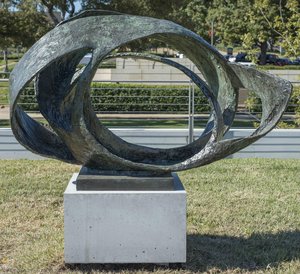
Shaft and Circle


 Loe lähemalt
Giclée / Kunstiprint
Muuseumikvaliteediga giclée- või kangasprint kiire tootmisega ja paindlikud viimistlusvõimalused. ( Telli käsitsi maalitud reproduktsioon Ülemineku digitaalse pildi müügi kanalisse)




































Vali meie eelmääratud suurused, mis vastavad teose algupärastele proportsioonidele.

Saate sisestada oma mõõdud, et need sobiks konkreetse raami või ruumi sisse. Kui valitud suurus ei vasta originaalteose proportsioonidele, lõigame teose ära või laiendame pilti peegeldatud või ühtlase servaga. Enne tootmisprotsessi algust saadetakse Teie kinnitamiseks digitaalne näidis.
Palun märka, et ekraanil kuvatav eelvaade ei kajasta tegelikku lõigamist või laiendamist. Ainult näidis kujutab täpselt lõplikku kompositsiooni.
Kuigi erimõõdu on saadaval, soovitame originaaproportsioonide säilitamiseks valida mõõt ette määratud nimekirjast.
Ülemaailmne tarne () 2 nädala jooksul, tavalise 4/5 nädala asemel. (24 september)

Tasuta ekspresssaatmine üle maailma

Kõrgekvaliteediline lina-kangastest muld

Täielik transpordikindlustus

Tollimaksude tagastamise garantii

Värvitoime täpsuse garantii

100 päeva tagastusõigus (ainult defektide korral)

100% raha tagasi garantii

Hulgusoodustus
 Klaasivalik on saadaval ainult kuni 110 cm suuruses teostes

Shaft and Circle
Giclée / Kunstiprint
Reproduktsiooni mõõtmed
-


Lõppsumma
$ 62
A Vertical Echo: Barbara Hepworth’s “Shaft and Circle”
Barbara Hepworth's "Shaft and Circle," created in 1972, isn’t merely a sculpture; it’s an invitation to quiet contemplation. Standing before this arresting form – a towering shaft of polished concrete punctuated by a perfectly circular aperture – is akin to entering a sacred space. The piece immediately commands attention with its stark simplicity and the profound sense of upward movement it evokes. Hepworth, a pivotal figure in 20th-century British sculpture, masterfully distilled her signature style into this work: an exploration of form’s inherent qualities, divorced from representational concerns. It's a testament to her belief that sculpture could be experienced not just visually, but through touch and the subtle shifts in light and shadow.
The material itself – likely cast concrete, though Hepworth often worked with stone as well – is treated with an almost reverent attention. The surface is flawlessly smooth, reflecting the surrounding environment while simultaneously maintaining a sense of contained solidity. This deliberate contrast between smoothness and mass speaks to the core of Hepworth’s philosophy: she sought to capture the essence of materials themselves, revealing their inherent textures and geometries. The scale of the sculpture – approximately six feet tall – further amplifies this effect, drawing the viewer upwards into its embrace.
Roots in Epirus and Mycenaean Tradition
To fully appreciate “Shaft and Circle,” it’s crucial to understand Hepworth's artistic lineage. Her early influences stemmed from her travels through Italy and Greece, particularly a deep immersion in the archaeological sites of Mycenae. The shaft tomb tradition prevalent in Bronze Age Greece – elaborate burial chambers dug vertically into the earth, often containing grave goods – provided a foundational inspiration for her work. These tombs, built by elite societies, weren’t simply markers of death; they were statements of power and belief, reflecting a complex cosmology centered around ancestry and the afterlife. Hepworth's sculpture echoes this spirit, suggesting an upward journey towards something beyond the material world.
Interestingly, similar shaft tombs have been found in Bronze Age China, demonstrating a surprisingly widespread cultural practice across Eurasia. This shared heritage underscores the universal human impulse to create enduring monuments and explore questions of mortality and transcendence. Hepworth’s work can be seen as a contemporary reimagining of these ancient traditions, translated into the language of abstract form.
The Language of Form: Circularity and Verticality
The composition of “Shaft and Circle” is meticulously balanced between two fundamental principles: verticality and circularity. The shaft itself rises directly upwards, creating a powerful sense of momentum and aspiration. This upward thrust is counterbalanced by the perfectly formed circle cut into its midsection – an element that introduces ambiguity and invites interpretation. The circle can be seen as representing wholeness, continuity, or perhaps even a portal to another dimension. It’s a subtle yet potent symbol that adds layers of meaning to the sculpture's overall impact.
Hepworth was deeply interested in exploring the relationship between form and space. She believed that sculpture should not simply occupy physical space but also create an emotional resonance within the viewer. “Shaft and Circle” achieves this beautifully, prompting a sense of stillness and introspection. The negative space created by the circular aperture is just as important as the solid mass of the shaft itself, contributing to the sculpture’s dynamic balance.
A Legacy of Minimalism and Emotional Resonance
“Shaft and Circle” exemplifies Hepworth's commitment to minimalism and her profound understanding of materials. It’s a work that rewards careful observation and invites repeated contemplation. Her sculptures, often described as “non-objective,” are nonetheless deeply expressive, communicating complex ideas about form, space, and the human condition. Today, "Shaft and Circle" remains a powerful testament to Hepworth's artistic vision – a timeless exploration of fundamental geometric principles and their capacity to evoke profound emotional responses.
Sarnased teosed



Kunstniku elulugu
varaj puud ja haridus
dame barbara hepworth, auvakas inglise kunstnik ja skulptuurikunstnik, sündis 10. jaanuaril 1903 Yorkshire'i Wakefield'is. Tema kunstiline teekond algas Leeds School of Art'is alates 1920. aastast ning hiljem võitis ta maakonna stipendium, et õppida Londoni Kunsti Akadeemias (RCA) alates 1921. aastast kuni diplomile saamist 1924. aastal.kunstiline karjäär
- dame barbara hepworthi looming on modernismi, eriti kaasaegse skulptuuri, suurepärane näidis. Ta oli üks väheseid naiskunstnikuid, kes saavutas rahvusvahelist tuntust.
- 1933. aastal asutas ta koos ben nicholsoni, paul nashi ja teistega Unit One kunstiliikumingu, eesmärgiga ühendada surrealism ja abstraksjon Briti kunstis.
- Hepworthi varajane looming oli iseloomulik abstraksiale ning sellele, et ta osales Pariisis asunud kunstiliikumuses Abstraktion-Création.
olulised teosed ja näitusid
- Pronssist skulptuur oval form (trezion) on osa Kimbell Art Museumi kogumist Fort Worthis, USA. (vaata ArtsDot'is)
- Skulptuur two forms on näitustel The Hepworth Wakefield muuseumis Wakefield'is, Ühendkuningustes. (vaata ArtsDot'is)
- Marmorskulptuur totem on samuti osa The Hepworth Wakefield kogumikust. (vaata ArtsDot'is)
pärand ja muuseumikogud
barbara hepworthi töö on laialdaselt tunnustatud ning tema skulptuurid ja maalid on osa erinevatest muuseumikogudest üle maailma. Kunstniku nimel nimetatud The Hepworth Wakefield peab endas arvukalt meistriteoseid tuntud kunstnikelt, sealhulgas ka ennast Hepworthit. (avasta rohkem The Hepworth Wakefieldi kohta ArtsDot'is)johtlõpus
dame barbara hepworthi uuargustav töö kaasaegses Briti skulptuuris on jätnud temmatamat jälje kunstimaailma. Tema pärand jätkub inspireerima nii kunstnikke kui ka kunstihuvilisi, ning tema teosed jäävad kui tõestus tema uuenduslikust vaimust ja kunstilisest geniusest. luge aval Wikipedia'st barbara hepworthi kohta
Barbara Hepworth
1903 - 1975 , Ühendkuninga Margimaa
Lühikest infot
- Artistic Movement Or Style: Modernism, Abstraktioon
- Artists Or Movements Influenced By This Artist:
- Abstraction-Création
- Unit One
- Artists Who Influenced This Artist:
- Henry Moore
- Ben Nicholson
- Date Of Birth: 1903-01-10
- Date Of Death: 1975-05-20
- Full Name: Barbara Hepworth
- Nationality: Briti
- Notable Artworks:
- Oval Form (Trezion)
- Two Forms
- Totem
- Place Of Birth: Wakefield, Ülikool
Sarnased artiklid

Barbara Hepworth: A Sculptural Dialogue with Form, Space & the Human Condition
Explore the profound world of Barbara Hepworth's sculpture. Discover her artistic evolution, iconic forms, and lasting influence on modern art. A guide for collectors & enthusiasts.

Beyond Form & Color: Geometric Abstraction's Evolution in 20th/21st Century Art
Explore the evolution of geometric abstraction from Cubism to contemporary art. Discover key artists like Malevich & Mondrian, investment insights, and expert collecting advice at ArtsDot.

Geomeetrilise Abstraktsiooni 10 Meisterteost: Kunst ja Kodukaunistus ArtsDot.com-is
Avastage geomeetrilise abstraktsiooni 10 suurteost – Kandinsky, Mondrian ja teised. Lugege kunstiteoste lugusid ning leidke inspiratsiooni kodukaunistuseks ArtsDot.com-is! Kunstikollektsioon ja reprodutsioonid.

Fernand Légeri 25 parimat teost: modernse kunsti meistriteosed teie interjööri jaoks
Avastage Fernand Légeri 25 parimat teost! Sukelduge modernse kunsti, kubismi ja tubismi maailma. Leidke inspiratsiooni interjööridisainiks ning ostke kvaliteetseid kunstireproduktsioone ArtsDot.com-ist. Avastage kogu kollektsioon veebis!

Kandinsky's Masterpieces: 25 Paintings That Define Abstract Art | ArtsDot
Journey through Wassily Kandinsky's 25 most iconic abstract paintings. Explore his revolutionary use of color, form & spiritual expressionism. Find museum-quality Kandinsky reproductions and elevate your home decor with ArtsDot.com. Discover all masterpieces on ArtsDot.com!

