


 Jaga teost
 Jaga
Jaga
 Detailid
 Õppekate juhend

 Laadi alla
 Sarnased teosed
 Slaidietendus
 Statistika
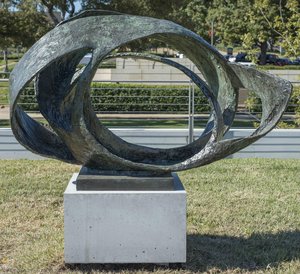
Rhythmic Form


 Loe lähemalt
Sellel lehel kuvatav kunstiteos on kaitstud autoriõigusega, mis tähendab, et meil ei ole seaduslikku õigust luua või müüa identset reproduktsiooni. Seda kaitset rakendatakse rahvusvaheliste kokkulepete alusel, nagu näiteks Berne konventsioon ning riiklike seadustega, sealhulgas nendega, mida on sätestatud USA autoriõiguse seadus – 17. peatükk.
See meetod järgib täielikult autoriõiguse reegleid, kuna see ei põhine kaitstud kunstiteose kopeerimisel või dupliteerimisel. Selle asemel on tegu loova reinterpreetatsiooniga – uue maaldisega, mis on algteosest inspireeritud, kuid ei ole sellest identiline.
Giclée / Kunstiprint
Muuseumikvaliteediga giclée- või kangasprint kiire tootmisega ja paindlikud viimistlusvõimalused. ( Telli käsitsi maalitud reproduktsioon Ülemineku digitaalse pildi müügi kanalisse)




































Vali meie eelmääratud suurused, mis vastavad teose algupärastele proportsioonidele.

Sisestage vajalik laius ja kõrgus, et see sobiks teie raamile või seinale. Trükki saab ainult lõigata, seda ei saa kunagi pildist suuremaks teha, seega ka differentse vormiga suurus kaotab osa pildist. Enne trükkimist saadame teile kinnitamiseks digitaalse näidisprojektsiooni. Sellel lehel näidatud pilt ei kujuta reaalset lõiget — seda näitab ainult näidisprojekttsioon.
Ülemaailmne tarne () 2 nädala jooksul, tavalise 4/5 nädala asemel. (24 oktoober)

Tasuta ekspresssaatmine üle maailma

Kõrgekvaliteediline lina-kangastest muld

Täielik transpordikindlustus

Tollimaksude tagastamise garantii

Värvitoime täpsuse garantii

100 päeva tagastusõigus (ainult defektide korral)

100% raha tagasi garantii

Hulgusoodustus
 Klaasivalik on saadaval ainult kuni 110 cm suuruses teostes

Rhythmic Form
Giclée / Kunstiprint
Reproduktsiooni mõõtmed
-


Lõppsumma
€ 54
Rhythmic Form: A Dialogue Between Space and Spirit
Barbara Hepworth’s “Rhythmic Form,” created in 1949, stands as a testament to the profound influence of Surrealist ideas on British sculpture during World War II. More than just an aesthetically pleasing object, it embodies Hepworth's unwavering belief that sculpture could translate thought into tangible form—a conviction deeply rooted in her engagement with artists like Arp and Brancusi who championed direct carving and explored the relationship between art and nature. The piece itself is a striking example of Hepworth’s signature style: monumental forms sculpted from wood, meticulously shaped to evoke movement and resonance. Its central hole isn't merely an incision; it’s a deliberate gesture that seeks to unify opposing forces—a visual metaphor for Hepworth’s exploration of duality and balance within the creative process.- Material & Technique: Crafted from Rosewood, “Rhythmic Form” utilizes a technique honed during Hepworth's formative years in Paris – a method characterized by careful consideration of material properties and an intuitive understanding of how form interacts with space. The sculptor’s hand meticulously removes wood shavings to reveal the underlying structure, resulting in a surface that is both smooth and subtly textured.
- Historical Context: Hepworth's work emerged from a period marked by significant artistic experimentation and intellectual ferment. The Unit One group—which included Nicholson, Gabo, and Nash—challenged conventional sculptural approaches, prioritizing abstraction and responding to the anxieties of wartime Britain with an embrace of geometric forms and organic shapes.
- Symbolism & Inspiration: Hepworth drew inspiration from Neolithic Menhirs – monolithic stones erected as memorials to ancient rituals – recognizing their ability to convey timelessness and spiritual significance. She likened her sculptures to these stones, emphasizing the desire for them to “furnish a means of egress for the soul,” reflecting her belief in sculpture’s capacity to transcend mere visual representation.
- Hepworth's Philosophy: Hepworth famously described sculpture as "the plastic projection of thought," highlighting its role in capturing intangible ideas and emotions. She insisted that the work should “put no pressure on anything,” signifying a rejection of didacticism and an affirmation of art’s autonomy—a stance that aligns with her broader philosophical commitment to embracing spontaneity and responding authentically to the material at hand.
- Legacy & Influence: Hepworth's pioneering approach to sculpture continues to inspire artists today, particularly those interested in exploring spatial relationships and investigating the interplay between form and gesture. Her enduring impact is evident in the work of subsequent sculptors who adopted similar techniques and pursued similar conceptual concerns—a legacy cemented by her inclusion in Tate’s collection and celebrated as a cornerstone of British Modernism.
Küsimused ja vastused
Kui palju valgust tundub värvid teosele "Rhythmic Form" peegeldatav olevat?
Teose "Rhythmic Form" värvid näitavad Luminous luminantsi.
Mis aastal loodi teos „Rhythmic Form“, autor Barbara Hepworth?
Teose „Rhythmic Form“, autor Barbara Hepworth loomimisaeg on 1949.
Milline suurus "Rhythmic Form" minu toa jaoks sobib?
Living Room ruumis on teose "Rhythmic Form" jaoks soovitatav trükkimõõt Large.
Sarnased teosed



Kunstniku elulugu
varaj puud ja haridus
dame barbara hepworth, auvakas inglise kunstnik ja skulptuurikunstnik, sündis 10. jaanuaril 1903 Yorkshire'i Wakefield'is. Tema kunstiline teekond algas Leeds School of Art'is alates 1920. aastast ning hiljem võitis ta maakonna stipendium, et õppida Londoni Kunsti Akadeemias (RCA) alates 1921. aastast kuni diplomile saamist 1924. aastal.kunstiline karjäär
- dame barbara hepworthi looming on modernismi, eriti kaasaegse skulptuuri, suurepärane näidis. Ta oli üks väheseid naiskunstnikuid, kes saavutas rahvusvahelist tuntust.
- 1933. aastal asutas ta koos ben nicholsoni, paul nashi ja teistega Unit One kunstiliikumingu, eesmärgiga ühendada surrealism ja abstraksjon Briti kunstis.
- Hepworthi varajane looming oli iseloomulik abstraksiale ning sellele, et ta osales Pariisis asunud kunstiliikumuses Abstraktion-Création.
olulised teosed ja näitusid
- Pronssist skulptuur oval form (trezion) on osa Kimbell Art Museumi kogumist Fort Worthis, USA. (vaata ArtsDot'is)
- Skulptuur two forms on näitustel The Hepworth Wakefield muuseumis Wakefield'is, Ühendkuningustes. (vaata ArtsDot'is)
- Marmorskulptuur totem on samuti osa The Hepworth Wakefield kogumikust. (vaata ArtsDot'is)
pärand ja muuseumikogud
barbara hepworthi töö on laialdaselt tunnustatud ning tema skulptuurid ja maalid on osa erinevatest muuseumikogudest üle maailma. Kunstniku nimel nimetatud The Hepworth Wakefield peab endas arvukalt meistriteoseid tuntud kunstnikelt, sealhulgas ka ennast Hepworthit. (avasta rohkem The Hepworth Wakefieldi kohta ArtsDot'is)johtlõpus
dame barbara hepworthi uuargustav töö kaasaegses Briti skulptuuris on jätnud temmatamat jälje kunstimaailma. Tema pärand jätkub inspireerima nii kunstnikke kui ka kunstihuvilisi, ning tema teosed jäävad kui tõestus tema uuenduslikust vaimust ja kunstilisest geniusest. luge aval Wikipedia'st barbara hepworthi kohta
Barbara Hepworth
1903 - 1975 , Ühendkuninga Margimaa
Lühikest infot
- Artistic Movement Or Style: Modernism, Abstraktioon
- Artists Or Movements Influenced By This Artist:
- Abstraction-Création
- Unit One
- Artists Who Influenced This Artist:
- Henry Moore
- Ben Nicholson
- Date Of Birth: 1903-01-10
- Date Of Death: 1975-05-20
- Full Name: Barbara Hepworth
- Nationality: Briti
- Notable Artworks:
- Oval Form (Trezion)
- Two Forms
- Totem
- Place Of Birth: Wakefield, Ülikool
Sarnased artiklid

Kandinsky's Masterpieces: 25 Paintings That Define Abstract Art | ArtsDot
Journey through Wassily Kandinsky's 25 most iconic abstract paintings. Explore his revolutionary use of color, form & spiritual expressionism. Find museum-quality Kandinsky reproductions and elevate your home decor with ArtsDot.com. Discover all masterpieces on ArtsDot.com!

The Enduring Form: Exploring Themes & Techniques in Sculpture Across Historical Periods
Explore the rich history of sculpture from ancient masterpieces to contemporary innovations. Discover key techniques, influential artists & investment potential for discerning art collectors.

Geomeetrilise Abstraktsiooni 10 Meisterteost: Kunst ja Kodukaunistus ArtsDot.com-is
Avastage geomeetrilise abstraktsiooni 10 suurteost – Kandinsky, Mondrian ja teised. Lugege kunstiteoste lugusid ning leidke inspiratsiooni kodukaunistuseks ArtsDot.com-is! Kunstikollektsioon ja reprodutsioonid.

Bronze Sculptures That Defined Art History | ArtsDot
Journey through art history with our Top 10 bronze sculptures! Explore masterpieces by Rodin, Michelangelo & more. Discover stories behind iconic statues and find museum-quality reproductions for your home decor at ArtsDot.com.

Barbara Hepworth: A Sculptural Dialogue with Form, Space & the Human Condition
Explore the profound world of Barbara Hepworth's sculpture. Discover her artistic evolution, iconic forms, and lasting influence on modern art. A guide for collectors & enthusiasts.
