Un Santuario Parisino de Genialidad
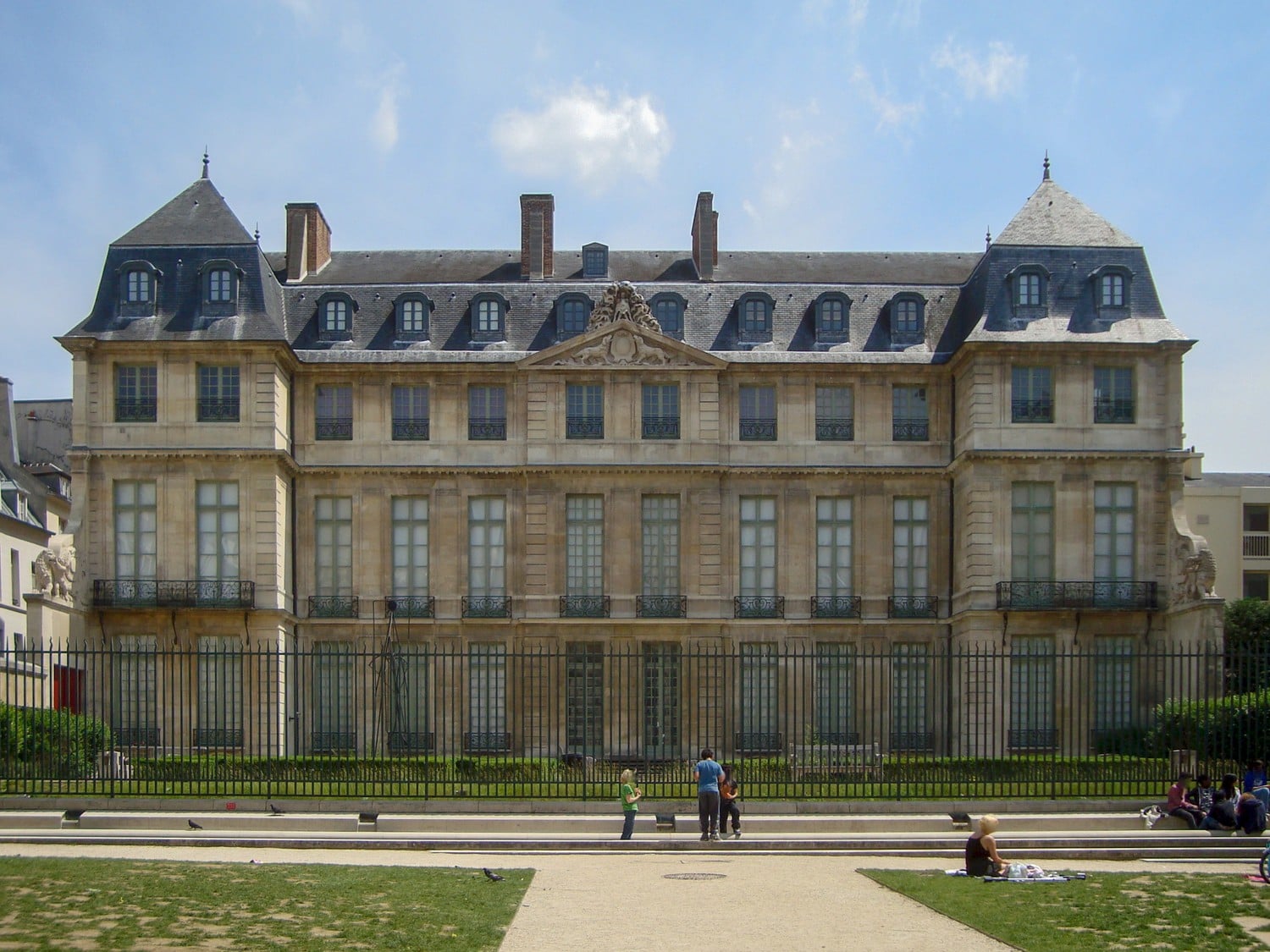
En el corazón del histórico distrito de Marais, donde las calles empedradas de París susurran relatos de siglos pasados, se encuentra un santuario dedicado a la fuerza más transformadora del arte del siglo XX. El Musée Picasso es mucho más que un mero repositorio de obras maestras; es un viaje inmersivo en la mente inquieta y evolutiva de Pablo Picasso. Alojado dentro del magnífico Hál Salé , una mansión del siglo XVII que emana la grandeza de la arquitectura barroca francesa, el museo ofrece una intimidad que rara vez se encuentra en instituciones más grandes. Las piedras mismas de esta señorial residencia, construida originalmente para un recaudador de impuestos sobre la sal, aportan una profunda resonancia arquitectónica a las obras que alberga. Mientras los visitantes recorren sus patios ornamentados y sus grandes salones, se encuentran con un espacio donde el peso histórico del edificio refleja el impacto monumental del legado del artista.
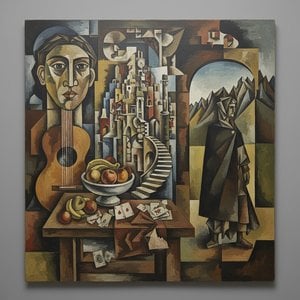
Cruzar el umbral es similar a entrar en el universo personal de Picasso, un cosmos de creatividad en expansión que desafía cualquier categorización simple. La colección es asombrosa por su amplitud, presumiendo de más de 5.000 obras que abarcan la totalidad de su prolífica carrera. Aquí, uno no solo observa el arte, sino que presencia la mecánica pura del genio. Desde las profundidades sombrías y monocromáticas de su Periodo Azul hasta las geometrías fracturadas y revolucionarias del Cubismo, el museo traza meticulosamente la búsqueda implacable de reinvención de Picasso. La colección es un tapiz de diversos medios, entrelazando pinturas, esculturas, cerámicas e intrincados dibujos con cuadernos personales y correspondencia que revelan los bocetos vulnerables que precedieron a las icónicas obras terminadas.
Un Legado de Evolución Artística
La narrativa del museo se enriquece aún más por su profunda conexión con el paisaje y con los maestros que le precedieron. Dentro de estos muros, se pueden hallar rastros de la luz mediterránea que alimentó las primeras exploraciones de Picasso, como en The Sea at l’Estaque , una obra que captura los vibrantes tonos turquesa y ocre de la Provenza. Esta conexión con la naturaleza se equilibra con los diálogos curados del museo con otros titanes de la historia del arte; las salas presentan obras de Renoir, Cézanne y Matisse, proporcionando el contexto esencial de las influencias que moldearon la visión estética de Picasso. Este juego entre su evolución personal y el movimiento más amplio del arte moderno convierte al Musée Picasso en un centro cultural vital.
Lo que verdaderamente distingue al Musée Picasso es su historia de origen única: un legado forjado a través de un acto pionero de la legislación francesa. La existencia misma de este vasto conjunto fue posible gracias a una ley de 1968 que permitía a los herederos liquidar los impuestos de sucesiones mediante la donación de obras de arte de gran importancia cultural. Este acto de profunda custodia aseguró que los tesoros personales de Picasso permanecieran bajo el patrimonio público, cumpliendo el propio deseo del artista de compartir su visión con el mundo. Para el coleccionista o el admirador, esta profundidad ofrece una oportunidad única para ver cómo un solo artista pudo navegar magistralmente a través de tantos lenguajes artísticos dispares, convirtiéndolo en un faro de creatividad perdurable para cualquiera que busque inspiración.