Una Torre de Transformación: El Alma del Renacimiento Artístico de Dortmund
En el corazón del paisaje industrial de Alemania, donde los ecos de la maquinaria pesada definieron alguna vez el ritmo de la vida, se erige un monumento imponente a la resiliencia y al renacimiento. El Dortmunder U es mucho más que un simple hito arquitectónico; es una narrativa vertical de metamorfosis. Construido originalmente entre 1926 y 1927 como la Cervecería Union, este titán de hormigón pulsó en su día con la energía del poderío industrial de Dortmund durante la República de Weimar. Sin embargo, a medida que las mareas del cambio económico recorrieron la región del Ruhr, la cervecería quedó en silencio en 1994, dejando tras de sí un cascarón vacío de su antigua gloria. No obstante, mediante un profundo acto de preservación cultural, esta estructura se salvó de la demolición, emergiendo en su lugar como un faro para la Capital Europea de la Cultura de 2010. Hoy, sus paneles de hormigón prefabricados —diseñados por Jürgen Reimann y Rainer Schürmann— sirven como una yuxtaposición impactante entre un pasado industrial austero y un futuro luminoso y creativo.
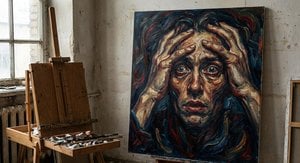
Adentrarse en el Dortmunder U es similar a entrar en un diálogo vivo entre la historia y la vanguardia. La colección del museo sirve como un santuario para lo profundo y lo provocador, notablemente a través de su valiente compromiso con la salvaguarda de obras que alguna vez fueron consideradas "degeneradas" por el régimen nazi. Este espíritu de desafío insufla vida a su notable ensamblaje de Expresionismo Alemán. Los visitantes se encuentran inmersos en los paisajes psicológicos de Die Brücke y Der Blaue Reiter , donde los lienzos de Ernst Ludwig Kirchner, Otto Mueller y Emil Nolde vibran con emoción pura y color sin inhibiciones. Estas obras no se limitan a colgar en las paredes; confrontan al espectador con las ansiedades, los anhelos espirituales y las verdades viscerales de un mundo en constante cambio, convirtiendo al museo en una peregrinación esencial para quienes buscan un arte que se atreva a tocar la condición humana.
Una Convergencia de Experimentación Radical y Modernidad
La narrativa del Dortmunder U se extiende mucho más allá de las fronteras del Expresionismo, abrazando la experimentación radical de los siglos XX y XXI. Para coleccionistas y amantes de lo poco convencional, la presencia del movimiento Fluxus ofrece un patio de juegos de azar e improvisación. Dentro de estos muros, las esculturas monumentales de Joseph Beuys desafían la definición misma del arte, mientras que las instalaciones de video pioneras de Nam June Paik alteran nuestras percepciones de la realidad a través del lente de la tecnología. Esta dedicación a lo experimental se enriquece aún más con una impresionante nómina de maestros; uno puede rastrear la evolución espiritual y saturada de color de Alexej von Jawlensky, presenciar los inquebrantables retratos de guerra de Otto Dix o deambular por las fantasías arquitectónicas de Lyonel Feininger. La colección incluso entrelaza la brillantez gráfica de Picasso y los sueños surrealistas de Dalí, creando un rico tapiz del modernismo.
Lo que verdaderamente distingue al Dortmunder U es su papel como un ecosistema vibrante y palpitante para la creatividad, en lugar de ser un repositorio estático del pasado. Es un espacio donde el arte se encuentra con la ciencia, y donde las fronteras entre espectador y creador se desdibujan intencionadamente. A través de iniciativas como el Youth Art Club y exposiciones rotativas que insuflan vida nueva a las galerías dos veces al año, el museo fomenta un entorno de evolución continua. Para el diseñador de interiores que busca inspiración en texturas audaces o para el entusiasta del arte que busca profundidad, el Dortmunder U ofrece una experiencia profunda: es un lugar donde las cicatrices industriales de la historia se han transformado en una catedral imponente de innovación moderna, demostrando que, incluso desde las cenizas del declive, la belleza puede florecer eternamente.