Zheng Xie (1693–1766): The Poet Painter of Yangzhou
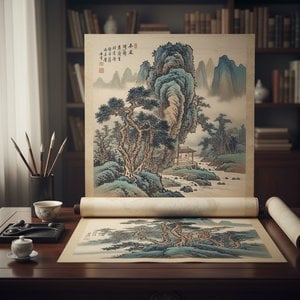
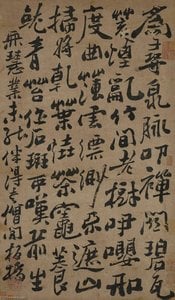
Zheng Xie (1693-1765), commonly known as Zheng Banqiao, stands as a singular figure in Qing dynasty Chinese art—a painter who simultaneously embraced calligraphy and literature, forging an artistic vision deeply rooted in observation of the natural world and imbued with humanist sensibilities. Born in Xinghua County, Jiangsu Province, his early life was marked by hardship, yet he ascended through the imperial examination system to achieve considerable renown as a magistrate in Shandong, demonstrating both intellectual prowess and administrative capability. However, after twelve years of service, Zheng Xie’s disillusionment with officialdom grew palpable; he rejected the compromises demanded by senior bureaucrats and famously resigned his position following criticism regarding his dedication to alleviating poverty—a stance that underscored his unwavering moral compass. This pivotal moment propelled him toward artistic expression as a means of grappling with personal reflection and societal critique. He became one of the Eight Eccentrics of Yangzhou, a group of artists and intellectuals who challenged conventional artistic norms and championed an independent spirit. Unlike many of his contemporaries who sought patronage from the imperial court, Zheng Xie deliberately distanced himself from formal institutions, prioritizing instead the pursuit of authentic artistic vision. His distinctive style—characterized by bold brushstrokes and expressive rendering—became synonymous with Yangzhou painting, particularly landscapes featuring bamboo and orchids. These subjects weren’t merely decorative; they represented profound symbolic meanings – bamboo embodying resilience and virtue, while orchids symbolizing refinement and nobility. A significant contribution to Zheng Xie's artistic legacy lies in his innovative calligraphy style, which emerged from his fascination with orchid drawings. He developed a unique technique that combined meticulous detail with lyrical elegance—a stylistic hallmark that distinguishes his work from other contemporary calligraphers. His poems explored themes of everyday life with remarkable sensitivity and honesty, reflecting a humanist perspective that contrasted sharply with the idealized portrayals favored by official circles. Zheng Xie’s artistic output wasn't simply about capturing visual beauty; it was about conveying emotional depth and intellectual contemplation—a testament to his belief in art as a vehicle for moral enlightenment. His landscapes are renowned for their masterful depiction of bamboo groves and orchid blossoms, meticulously rendered with vibrant colors and dynamic brushstrokes. Zheng Xie’s artistic vision transcended mere representation; he sought to capture the essence of nature—its tranquility, its vitality, and its inherent beauty—translating these observations into evocative visual compositions that continue to captivate audiences today. He skillfully employed tonal variations in his ink washes to convey atmospheric conditions and textural nuances, demonstrating a profound understanding of artistic principles honed through years of dedicated practice. Furthermore, Zheng Xie’s influence extended beyond Yangzhou painting, shaping the broader aesthetic landscape of Qing dynasty China. His rejection of imperial patronage and embrace of independent artistic pursuits served as an inspiration for subsequent generations of artists who dared to challenge established conventions and pursue their own creative visions. He remains a symbol of intellectual integrity and artistic freedom—a figure whose legacy continues to resonate with those striving to express themselves authentically and contribute meaningfully to the cultural heritage of China. Zheng Xie’s enduring fame stems from his ability to synthesize observation, emotion, and intellect into works that embody the spirit of the Eight Eccentrics—a testament to his singular contribution to Chinese art history.Preguntas y respuestas
What aliases or alternate names does Zheng Xie have?
Zheng Xie appears under the alternate names Zheng Banqiao.
¿Dónde se pueden explorar las obras de Zheng Xie clasificadas por tema?
Las obras de Zheng Xie pueden explorarse por tema en la página Atlas de temas del artista.
¿Dónde se encuentran las obras de Zheng Xie agrupadas por palabras clave?
La página Por palabras clave de Zheng Xie agrupa las obras del artista por sus palabras clave.
¿Dónde se encuentran las obras de Zheng Xie agrupadas por técnica?
La página Todos los medios agrupa las obras de Zheng Xie por técnica.
¿Puedo visitar un museo virtual de las obras de Zheng Xie?
Es posible realizar una visita virtual: la página Museo 3D de Zheng Xie presenta las obras del artista en una galería tridimensional.
¿Dónde puedo ver las obras de Zheng Xie organizadas por atmósfera?
La Galería de estados de ánimo de Zheng Xie es una página que organiza las obras del artista según el estado de ánimo.
¿Cómo puedo seguir la obra de Zheng Xie año tras año?
Las obras de Zheng Xie pueden verse en orden cronológico en la página de Cronología de obras del artista.
¿Cómo puedo encontrar obras de Zheng Xie en una paleta específica?
La página Por paletas de colores agrupa las obras de Zheng Xie según sus paletas de colores.