


 Vista previa
 Compartir
 Compartir
 Ver detalles
 Guía
Guía

 Descargar
 Ver artículos similares
 Radiografía
 Presentación de diapositivas
 Estadísticas
River Scene with a Castle

 Leer más
Reproducción al óleo hecha a mano
Óleo sobre lienzo pintado a mano en el tamaño y marco de su elección, realizado por encargo por nuestros artistas. ( Cambiar a formato impreso Ver versión en imagen digital)




P118B €10

P118H €10

P118W €10

P438Z €10

P508JH €12

P508YH €12

P805H €10

P805Z €10

P919BZ €10

P919G €10

P919XJ €10

P959ZH €10

P968JZ €12

W106C €8

W218G €10

W218JH €8

W218Y €10

W307PJ €10

W316G €10

W316PJ €8

W316Y €10

W398PJ €8

W4111J €10

W500HY €15

W500JH €15

W692G €12

W849H €8

W940BG €15

W953PJ €8




Elija entre nuestros tamaños predefinidos que respetan las proporciones originales de la obra.

Escriba el ancho y el alto que necesite para adaptarse a su marco o a su pared. Al ser una obra pintada a mano, para un tamaño con una forma distinta, el artista puede pintar un poco más alrededor de la imagen o recortar un poco; usted elige. Le enviaremos una maqueta digital para su aprobación antes de comenzar la pintura. La imagen que se muestra en esta página no refleja el resultado real; solo la maqueta lo hace.
Tras realizar el pedido, el equipo de ArtsDot.com enviará un correo electrónico al cliente para solicitar instrucciones y proporcionarle una vista previa del boceto.
Envío a todo el mundo () en 3-4 semanas en lugar de las 5 semanas estándar. (23 octubre). Sin comprometer la calidad.

Envío exprés gratuito a todo el mundo

Lienzo de lino de alta calidad

Seguro de envío completo

Garantía de reembolso de impuestos aduaneros

Garantía de fidelidad cromática exacta

Política de devolución de 100 días (solo por defectos)

Garantía de devolución del 100% del dinero

Oferta por volumen
 La opción de vidrio solo está disponible en tamaños inferiores a 110 cm.

River Scene with a Castle
Técnica de reproducción
Tamaño de la reproducción
-


Precio total
€ 231
Obras relacionadas


Biografía del artista
El Legado Sereno de Wouter Knijff
En la era dorada de la pintura de paisaje holandesa, pocos artistas capturaron la majestuosidad silenciosa de los Países Bajos con tanta gracia atmosférica como Wouter Knijff. Maestro del siglo XVII, Knijff poseía una capacidad excepcional para transformar las vistas cotidianas de la campiña holandesa en meditaciones poéticas sobre la luz y la quietud. Su vida, que se extendió desde aproximadamente 1607 en Wesel, Alemania, hasta sus últimos años en Bergen op Zoom, estuvo profundamente entrelazada con el tejido mismo de la Edad de Oro neerlandesa. Como miembro de un distinguido linaje artístico, la conexión de Knijft con los grandes maestros no era meramente profesional, sino familiar; era sobrino de Janneke Knijff, cuyo matrimonio lo vinculó al influyente Jan Vermeer van Ham y al célebre pintor Jan Vermeer van Haarlem el Viejo. Esta rica herencia proporcionó una base de formación clásica que más tarde se manifestaría en su enfoque meticuloso del mundo natural.
El ascenso profesional de Knijff se consolidó en 1640, cuando se unió al prestigioso Gremio de San Lucas en Haarlem. Este periodo marcó su surgimiento como un artesano respetado, situándose a la altura de titanes como Jacob van Goyen. Su desarrollo como artista se caracterizó por una profunda dedicación a la observación, probablemente nutrida por las tradiciones artísticas de Haarlem. Aunque gran parte de su juventud permanece envuelta en las brumas de la historia, su evolución estilística revela a un pintor profundamente sintonizado con los matices sutiles de su entorno. No se limitaba a pintar paisajes; los componía, superponiendo texturas y tonos para evocar el aire húmedo y luminoso que define el clima marítimo holandés.
La Técnica y el Arte de la Atmósfera
Contemplar un paisaje de Knijff es experimentar una clase magistral de sutileza tonal y teoría del color. Era particularmente reconocido por su uso distintivo del color, especialmente por su impactante aplicación del azul acero en tejados y elementos arquitectónicos. Esta elección específica cumplía un propósito mayor que la mera decoración; proporcionaba una profundidad atmosférica que permitía a sus estructuras retroceder o emerger de los horizontes brumosos de sus escenas fluviales. Su técnica implicaba una delicada mezcla de pinceladas, un método perfeccionado tras décadas de práctica, que le permitía transmitir con notable fidelidad las variadas texturas de la tierra musgosa, la madera desgastada y el agua centelleante.
Sus composiciones a menudo se centraban en la belleza rítmica de la vida holandesa, donde la actividad humana se entrelaza sin fisuras con el paisaje. Ya fuera representando un bullicioso muelle o una figura solitaria lanzando una red, Knijff utilizaba estos elementos para dotar de escala y peso narrativo a sus vistas. Su obra presenta frecuentemente:
- Paisajes Fluviales: Vistas expansivas de vías fluviales que sirven como el alma de sus composiciones, reflejando la luz cambiante del cielo.
- Hitos Arquitectónicos: La inclusión de molinos de viento, bastiones y castillos en ruinas que anclan la atmósfera etérea en un sentido de permanencia histórica.
- Cielos Luminosos: Un dominio de las formaciones nubosas y la filtración de la luz que crea una sensación del paso del tiempo dentro de un mismo encuadre.
Significado Histórico y Linaje Artístico
El impacto de Wouter Knijff se extiende mucho más allá de sus lienzos individuales, alcanzando a la siguiente generación de pintores holandeses. No fue solo un practicante del oficio, sino un maestro dedicado que moldeó las manos y los ojos de sus hijos: Jacob, Willem y Leendert. A través de este linaje, su influencia permeó los estilos evolutivos de finales del siglo XVII. Su hijo Leendert, en particular, alcanzaría el renombre como dibujante y pintor, colaborando en importantes obras topográficas que documentaron la belleza de las propiedades inglesas y holandesas.
La obra de Knijff sigue siendo una ventana vital a la psique holandesa del siglo XVII, un periodo definido por un profundo orgullo en las tierras recuperadas y el floreciente poder marítimo de los Países Bajos. Obras como “Muro de la ciudad con bastiones, molino de viento y un muelle en un río” e “Escena fluvial con un castillo” se erigen como testimonios perdurables de su capacidad para capturar el alma de una nación. Al combinar el detalle meticuloso de la tradición de Haarlem con una sensibilidad casi impresionista hacia la luz, Wouter Knifff aseguró su lugar como piedra angular del arte del paisaje holandés, dejando tras de sí un legado de serenidad que continúa cautivando al observador moderno.

Wouter Knijff
1607 - 1693 , Alemania
Datos clave
- Artistic Movement Or Style: Pintura de paisaje de la Edad de Oro neerlandesa
- Artists Or Movements Influenced By This Artist: ['Jacob Knijff']
- Artists Who Influenced This Artist: ['Jan van Goyen']
- Date Of Birth: 1607
- Date Of Death: 1693
- Full Name: Wouter Knijff
- Nationality: Neerlandés
- Notable Artworks:
- Escena fluvial con un castillo
- Muralla de la ciudad con bastiones, molino de viento y un muelle en un río
- Place Of Birth: Wessel, Alemania
Artículos relacionados
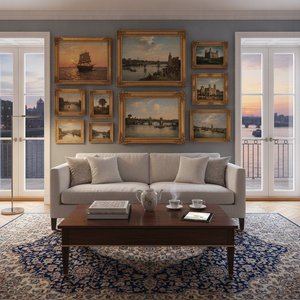
Timeless Tides: Transform Your Home with the Serene Elegance of Iconic River Thames Artworks
Transform your home into a serene sanctuary with stunning River Thames artworks. From Monet’s Impressionist vistas to bespoke oil reproductions, discover hand-painted masterpieces at ArtsDot.com designed to inspire. Elevate your decor with timeless elegance and expert artistry.

Paisajes Románticos: 10 Obras Maestras que Definieron un Movimiento Artístico
Descubre los 10 paisajes románticos más influyentes de artistas como Caspar David Friedrich y Turner. Explora la belleza, el simbolismo y las técnicas del movimiento romántico. Reproducciones de arte exclusivas en ArtsDot.com.

Jan van Goyen: Master of Dutch Landscape & Atmospheric Perspective
Discover Jan van Goyen, the master of Dutch landscape painting. Explore his subtle technique, atmospheric realism & lasting influence on art history. Learn about this 17th-century pioneer at ArtsDot.

Golden Light & Dutch Skies: Bringing the Magic of Dutch Golden Age Landscapes into Your Home
Transform your home with the breathtaking light of Dutch Golden Age landscapes. Discover how hand-painted oil reproductions of masterworks like Ruisdael and Vermeer bring timeless elegance, atmosphere, and soulful texture to modern interiors. Elevate your space with museum-quality art.

Jacob van Ruisdael: Master of Dutch Landscape & the Evocation of National Identity
Explore the life & work of Jacob van Ruisdael, the preeminent Dutch landscape painter. Discover his technical brilliance, symbolic depth, and lasting influence on art history. Learn about collecting Ruisdael's masterpieces.